China, the largest economy measured in Purchasing Power Parity | Image fromWall Street International.
9 April 2021 (Wall Street International)* — In 1986 on returning for my first 3-week visit to China, I wrote an article, “China: Key Player in a New World Game” in The Futurist, December 1986. I had been invited by China’s State Council at the recommendation of my good friends, Alvin and Heidi Toffler, best-selling authors of Future Shock (1970), who both had, and still, have a big following in China.
A new report, published on 14 Mar 2021 in the Royal Swedish Academy of Sciences’ journal Ambio, points out that humanity is hurtling towards destruction unless we have the collective wisdom to change course quickly. Here is a link to the article:
John Scales Avery
The Ambio article was written as part of the preparation of a meeting of Nobel Prize winners to discuss the state of the planet. The virtual meeting will be held on April 26-28, 2021.
We Must Achieve a Steady-State Economic System
A steady-state economic system is necessary because neither population growth nor economic growth can continue indefinitely on a finite earth. No one can maintain that exponential industrial growth is sustainable in the long run except by refusing to look more than a short distance into the future.
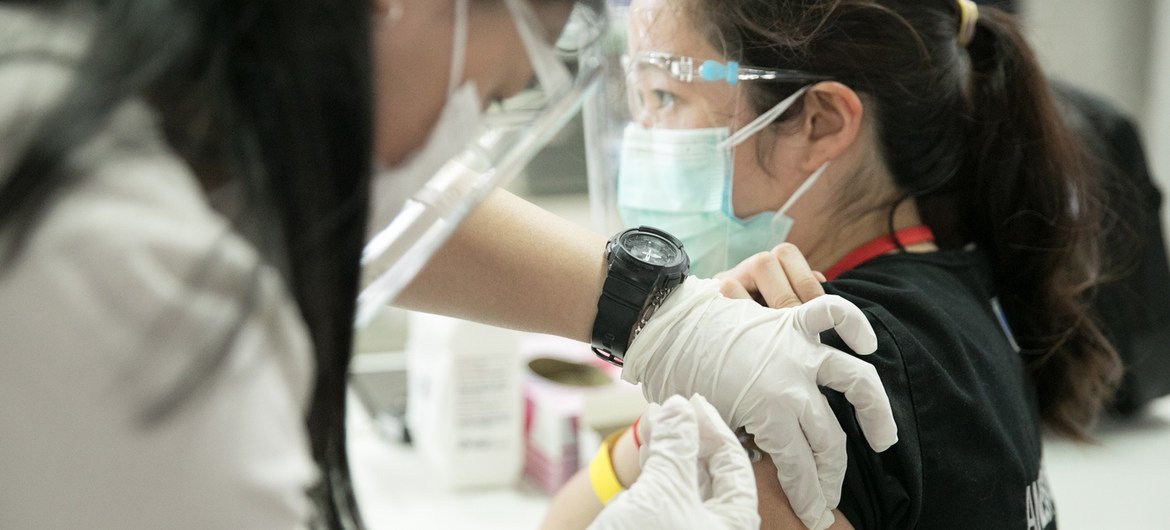
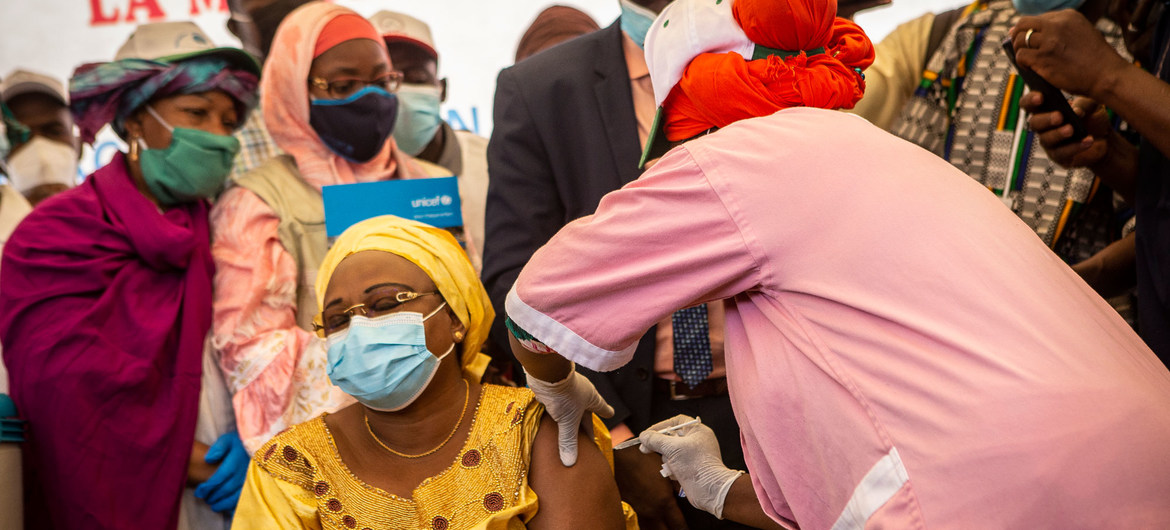
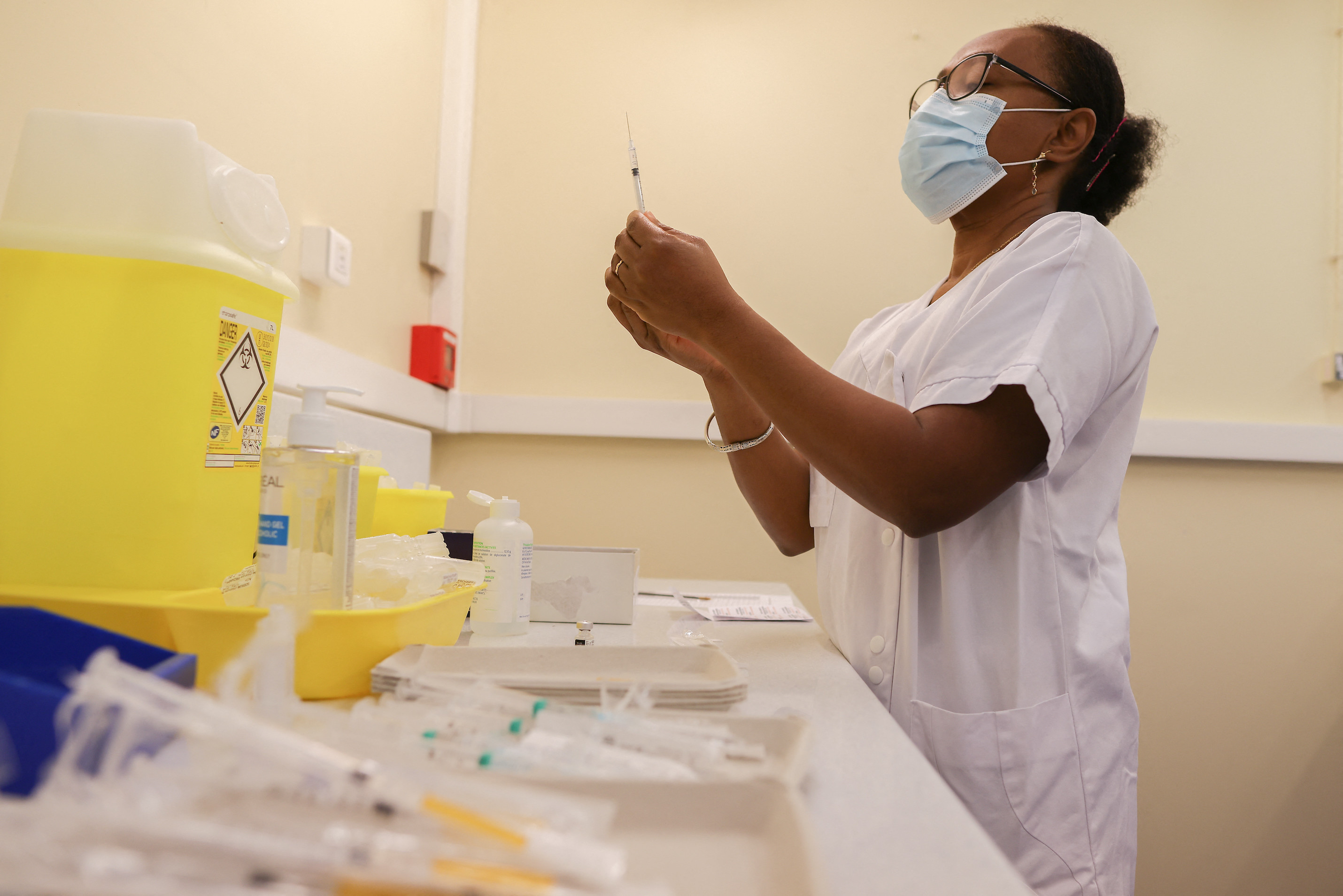
(UN News)* — The vast majority of COVID-19 vaccines administered have so far gone to wealthy nations, the World Health Organization (WHO) on 9 April 2021 reported.
Although more than 700 million vaccine doses have been administered globally, richer countries have received more than 87 per cent, and low-income countries just 0.2 per cent.
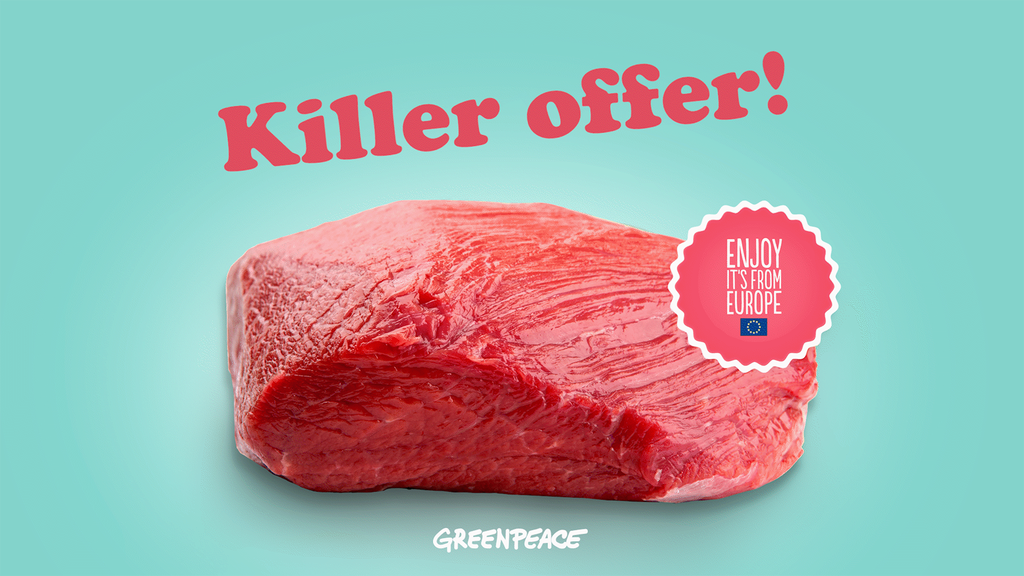
(Greenpeace International)* — The meat and dairy industries in Europe have a problem. More and more people do not want their steaks, their minced meat and their chicken wings.
(UN News)* — The world is “a long way off” from meeting the goals of the landmark Paris Agreement on Climate Change, the President of the crucial upcoming UN climate conference, COP26, on 8 April 2021 said.
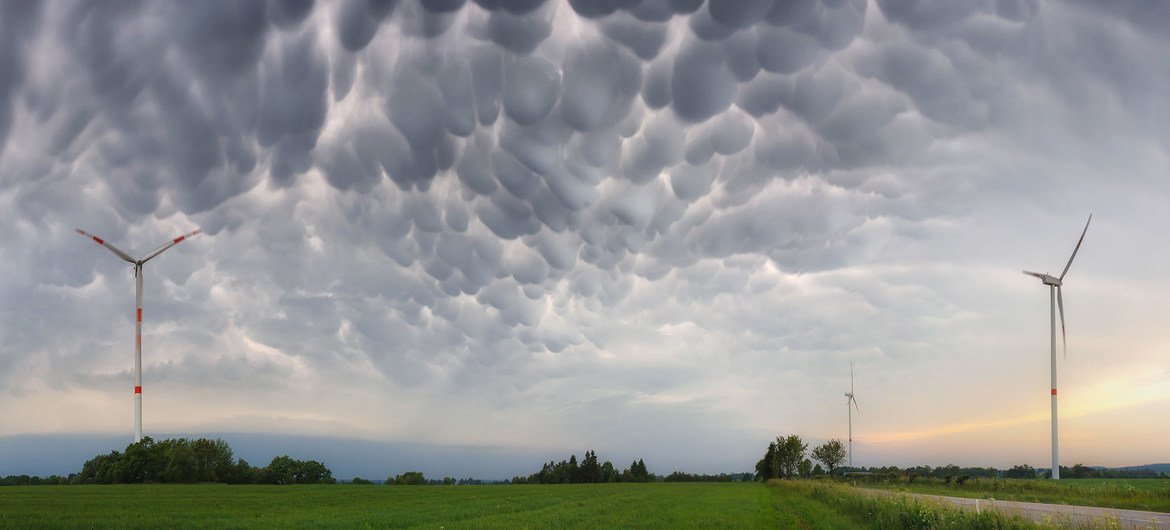
WMO/Boris Jordan | Wind farms, like this one in Belgium, are a key source of sustainable energy.
British politician Alok Sharma was speaking during a global discussion on the ‘green’ transition in sectors such as energy, transport and food systems, held as part of the 2021 Spring Meetings of the World Bank and the International Monetary Fund (IMF).
ROME, 8 April 2021 (FAO)* – The Food and Agriculture Organization of the United Nations (FAO) has partnered with the International Maritime Organization (IMO) and 30 countries in a major initiative to tackle marine litter and clean up the world’s oceans.
Fishing vessels in the port of Civitavecchia in Italy.
The GloLitter Partnerships Project is being implemented by FAO in partnership with the IMO, with initial funding from the Government of Norway through the Norwegian Agency for Development Cooperation (Norad).
(UN News)* — The COVID crisis “has revealed how unequal our societies are” said the UN chief in his message for World Health Day released on 5 April 2021.
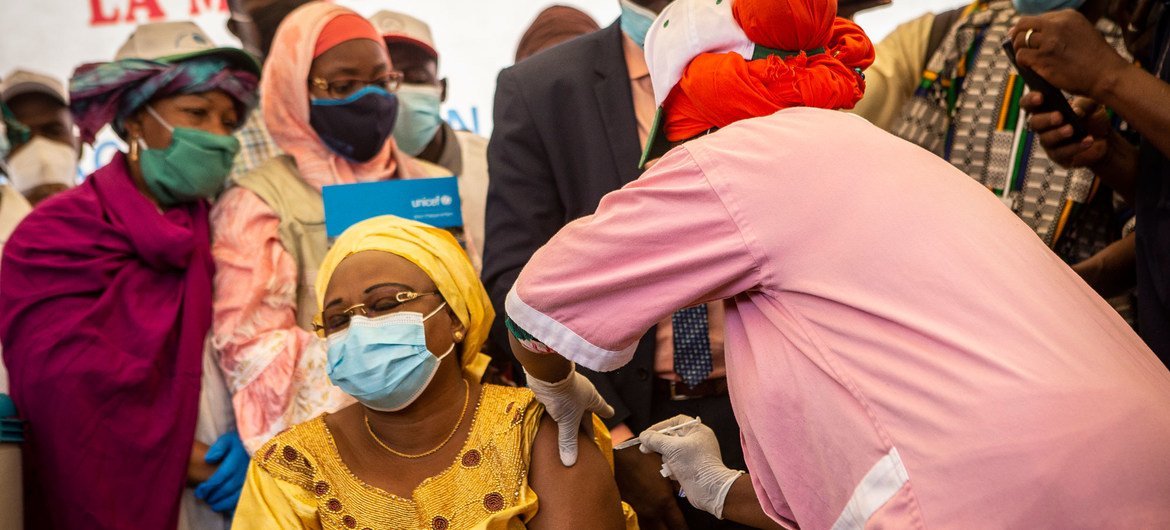
Highlighting the inequalities and injustices that have been apparent throughout the pandemic, Secretary-General António Guterres said in his message for the day to be marked on Wednesday, that the vast majority of vaccine doses administered so far, have been confined to “a few wealthy countries” or those producing the shots cleared for distribution.
“Within countries, illness and death from COVID-19 has been higher among people and communities that contend with poverty, unfavourable living and working conditions, discrimination and social exclusion”, said Mr. Guterres.
Geneva, Switzerland, 7 April 2021 (WHO)* — COVID-19 has unfairly impacted some people more harshly than others, exacerbating existing inequities in health and welfare within and between countries. For World Health Day, 7 April 2021, WHO is therefore issuing five calls for urgent action to improve health for all people.
Within countries, illness and death from COVID-19 have been higher among groups who face discrimination, poverty, social exclusion, and adverse daily living and working conditions – including humanitarian crises. The pandemic is estimated to have driven between 119 and 124 million more people into extreme poverty last year.
7 April 2021 (UNEP)* — Aside from the myriad new challenges it introduced, the wide and rapid spread of COVID-19 also revealed long-standing global health inequalities. And while the pandemic may be the most widely publicized example, it is hardly the only case in which those who are already vulnerable bear the brunt of the impact.
6 April 2021 (Wall Street International)* — We should praise Joe Biden for the good decisions that he had made during his first few months in office. He has filled positions in his cabinet with and administration with an ethnically diverse and gender balanced group of people.
For example, we can think of his new Secretary of the Interior, Deb Haaland, who is a Native American. We can also think of his choice of Kamala Harris as his running mate. These decisions are to be applauded.




 HUMAN WRONGS WATCH