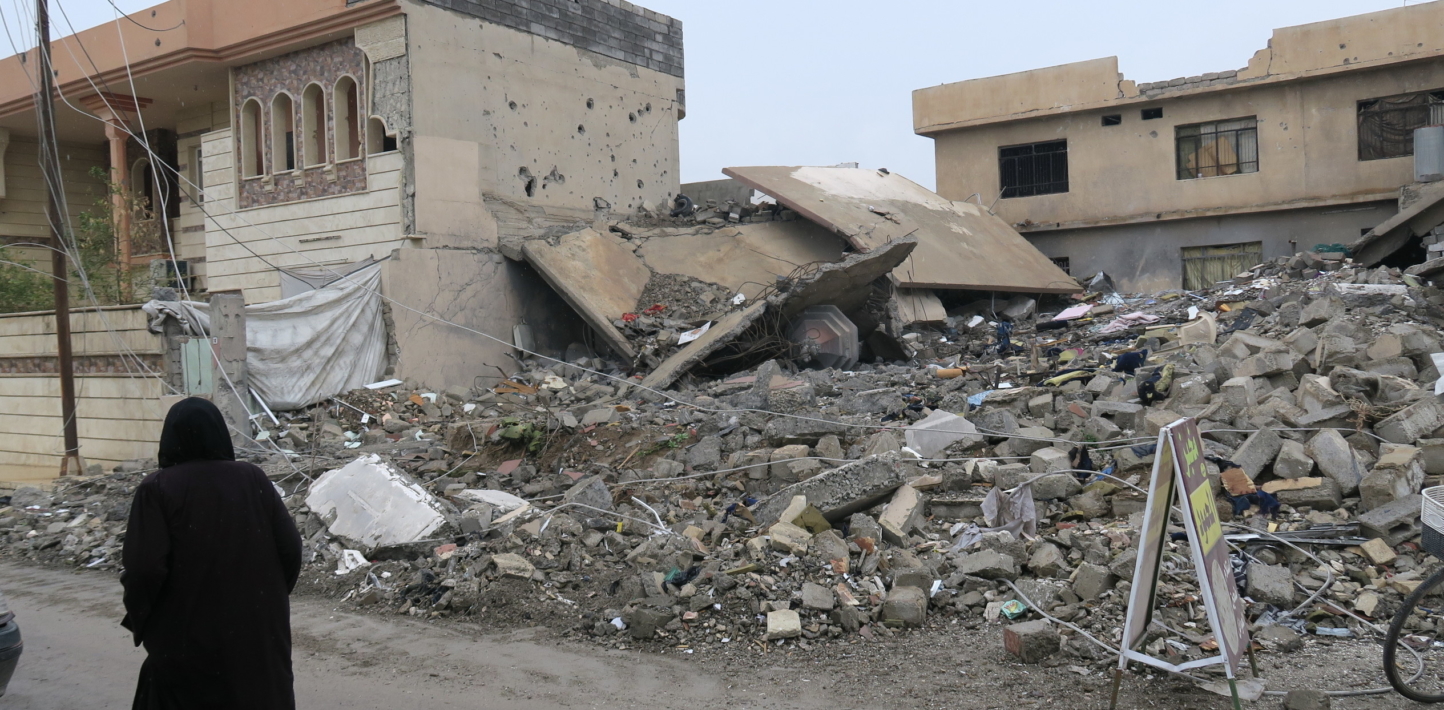
North Americans have been shocked by the death and destruction of Russia’s invasion of Ukraine, filling our screens with bombed buildings and dead bodies lying in the street. But the United States and its allies have waged war in country after country for decades, carving swathes of destruction through cities, towns and villages on a far greater scale than has so far disfigured Ukraine.
House bombed by coalition forces in East Mosul, Northern Iraq, 15 March, 2017. Credit: Amnesty International
As we recently reported, the U.S. and its allies have dropped over 337,000 bombs and missiles, or 46 per day, on nine countries since 2001 alone. Senior U.S. Defense Intelligence Agency officers told Newsweek that the first 24 days of Russia’s bombing of Ukraine was less destructive than the first day of U.S. bombing in Iraq in 2003.
MADRID, Apr 20 2022 (IPS)* – The gloomy picture is drawn from indisputable scientific conclusions and should be already known by everybody, in particular by decision-makers, whether they are politicians… or rather not.
The planet is losing 4.7 million hectares of forests every year – an area larger than Denmark, according to a new UN report. Credit: UNDP
Oceans filling with plastic and turning more acidic. Extreme heat, wildfires and floods, as well as a record-breaking Atlantic hurricane season, have affected millions of people. Even these days, we are still facing COVID-19, a worldwide health pandemic linked to the health of our ecosystem.
French Muslims say picking between the sitting president and Marine Le Pen is ‘like choosing between plague and cholera’
Celebrations of Eid al-Fitr in Paris, June 2017 | Facebook.com/@Islamforallhumanity
15 April 2022 (openDemocracy)* — Two years ago, Chehneze and her family packed up their home in Rueil-Malmaison, a western suburb of Paris, and moved to Birmingham.
“I felt like I needed a break from France,” the primary school teacher tells openDemocracy.
UNITED NATIONS, Apr 18 2022 (IPS)* – As the world is rocked by a confluence of crises, the global economic outlook for 2022 is becoming ever more uncertain and fragile. Prospects for sustainable development for all and achieving the Sustainable Development Goals (SDGs) by 2030 are bleak, particularly for developing countries.
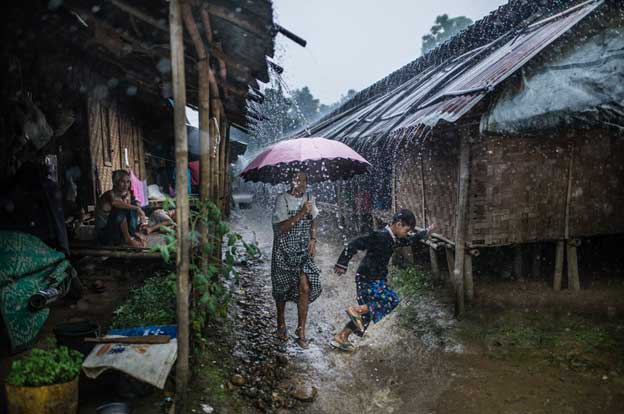
A rainy day in the camps under COVID-19 lock-down, Maina IDP camp, Kachin, Myanmar. Credit: UNICEF/UNI358777/Oo.
While some, mostly developed countries, had access to cheap financing to cushion the socio-economic impacts of the pandemic and invest in recovery, many others did not.
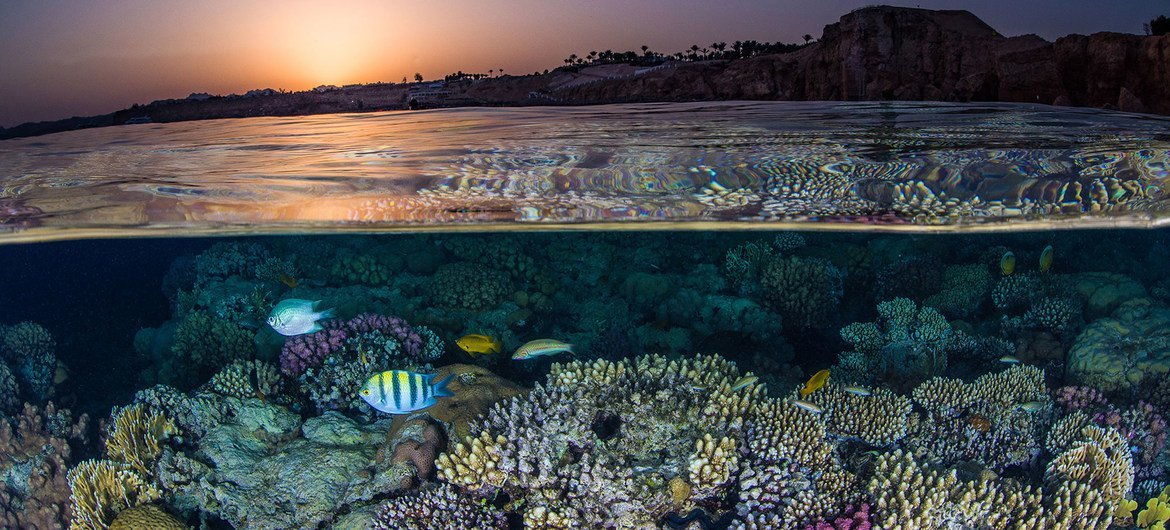
14 April 2022 (UN News)* — The world’s best-known coral reefs could be extinct by the end of the century unless we do more to make them resilient to our warming oceans.
.
Ocean Image Bank/Brook Peterson | Coral reefs harbour the highest biodiversity of any ecosystem globally.
That’s the stark message from UNESCO, which is behind an emergency bid to protect these natural marine wonders, 29 of which are on the agency’s protected World Heritage list.
Our oceans are getting warmer because of increasing global carbon dioxide emissions.
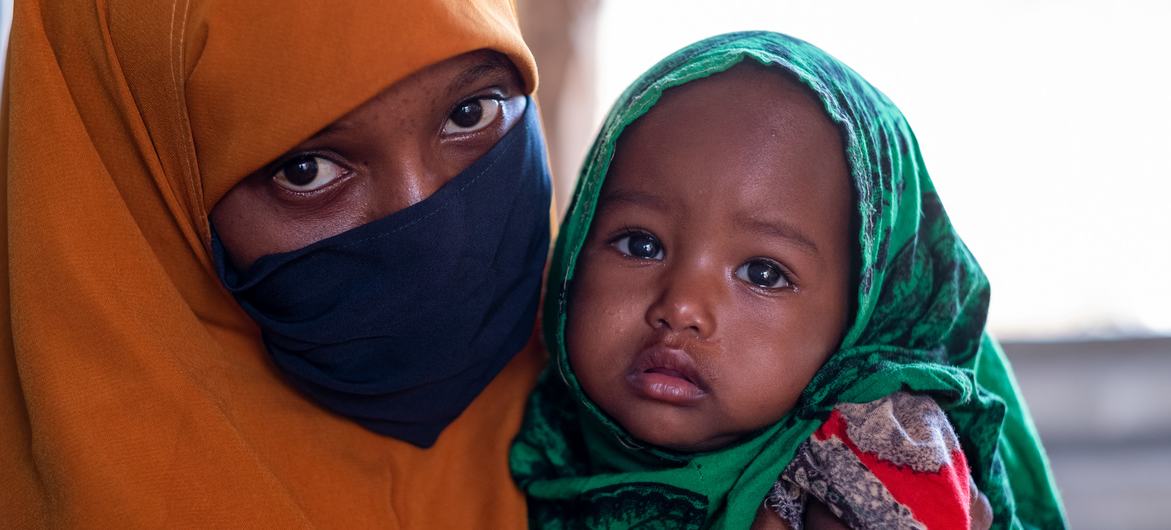
13 April 2022 (WMO)* – Eastern Africa is facing the very real prospect that the rains will fail for a fourth consecutive season, placing Ethiopia, Kenya, and Somalia into a drought of a length not experienced in the last 40 years. Humanitarian agencies have issued urgent appeals for support to prevent widespread famine.
(HUMAN RIGHTS WATCH)* — Shirking its obligations to persons seeking asylum at its shores, the UK government has today [14 April 2022]signed an agreement with Rwanda to send asylum seekers crossing the English Channel there.
Under the new Asylum Partnership Arrangement, people arriving in the UK irregularly or who arrived irregularly since January 1, 2022 may be sent to Rwanda on a one-way ticket to have their asylum claim processed and, if recognized as refugees, to be granted refugee status there.
(UN News)* — The UN has allocated $100 million to fight hunger in Africa and the Middle East as the spillover effects of the war in Ukraine threaten to push millions even closer to famine.
The contribution from the Central Emergency Response Fund (CERF), announced on Thursday [14 April 2022], will go towards relief projects in six African countries and Yemen.
Lifesaving relief
The money will enable UN agencies and their partners to provide critical support, including food, cash, nutritional help, medical services, shelter, and clean water.
Projects will also be tailored to help women and girls, who face additional risks due to the crisis.
11 April 2022 (Wall Street International Magazine)* — One hundred years after World War I, Europe’s leaders are sleepwalking toward a new, all-out war. As in 1914, they believe that the war in Ukraine will be limited and short-lived.
In 1914, the word in Europe’s chancelleries was that the war would last three weeks. It lasted four years and resulted in more than 20 million deaths.
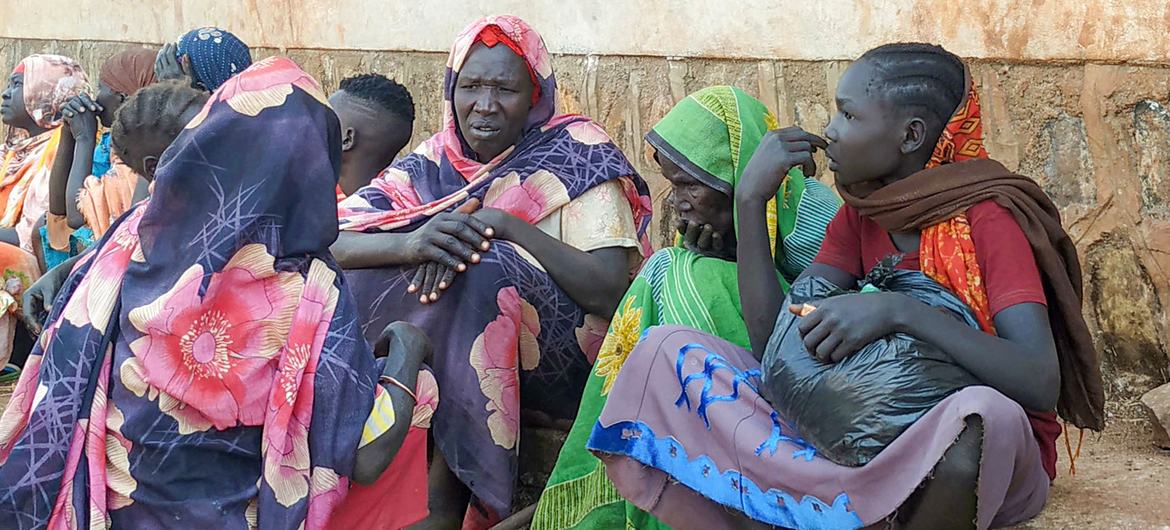
(UN News)* — Millions of displaced families across eastern Africa will fall deeper into hunger as food rations dwindle due to humanitarian resources being stretched to the limit as the world grapples with a toxic cocktail of conflict, climate shocks, and COVID-19, UN humanitarians warned on Wednesday [13 April 2022].





 HUMAN WRONGS WATCH