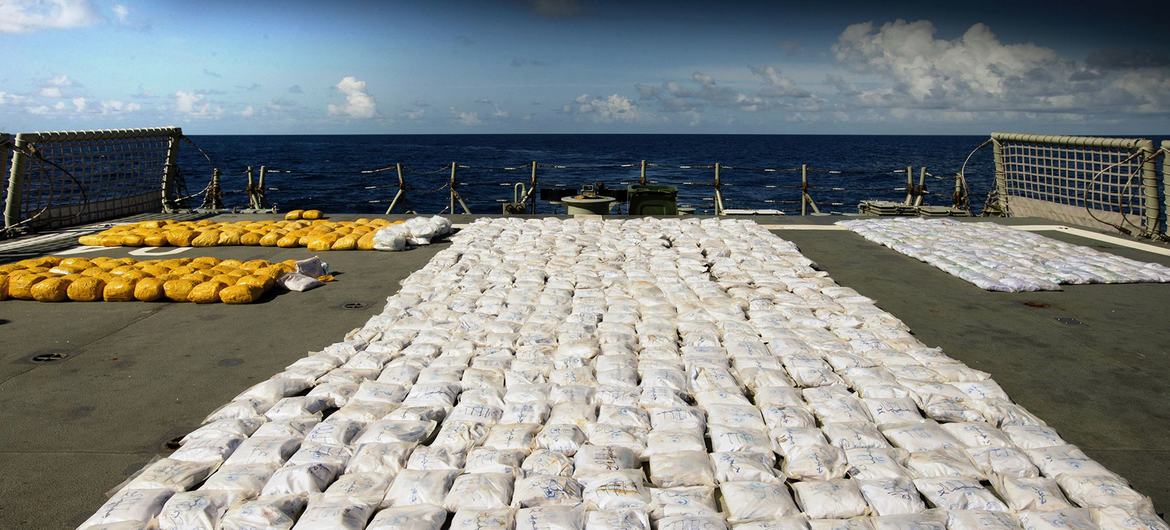
(UN News)* — The International Narcotics Control Board (INCB), an independent, UN-backed body, is calling on governments to do more to regulate social media platforms that glamourize drug-related negative behaviour and boost sales of controlled substances.
In its annual report, released on Thursday [10 March 2022], the INCB notes increasing evidence of a link between exposure to social media and drug use, which disproportionately affects young people, the main users of social media platforms, and an age group with relatively high rates of drug abuse.
MADRID, Mar 10 2022 (IPS)* – Climate change and land-use change are projected to make wildfires more frequent and intense, with a global increase of extreme fires of up to 14 percent by 2030, 30 percent by the end of 2050 and 50 percent by the end of the century, according to a new report by the UN Environment Programme (UNEP) and GRID-Arendal, a non-profit environmental communications centre based in Norway.
Protect our people and future generations: Water and Climate Leaders call for urgent action
.
Geneva 8 March 2022 (WMO)* – Water and Climate Coalition leaders have issued a call for more urgent and united action “to protect our people and future generations” in the face of alarming new scientific evidence from the Intergovernmental Panel on Climate Change of growing global threats to water availability and from water-related hazards.
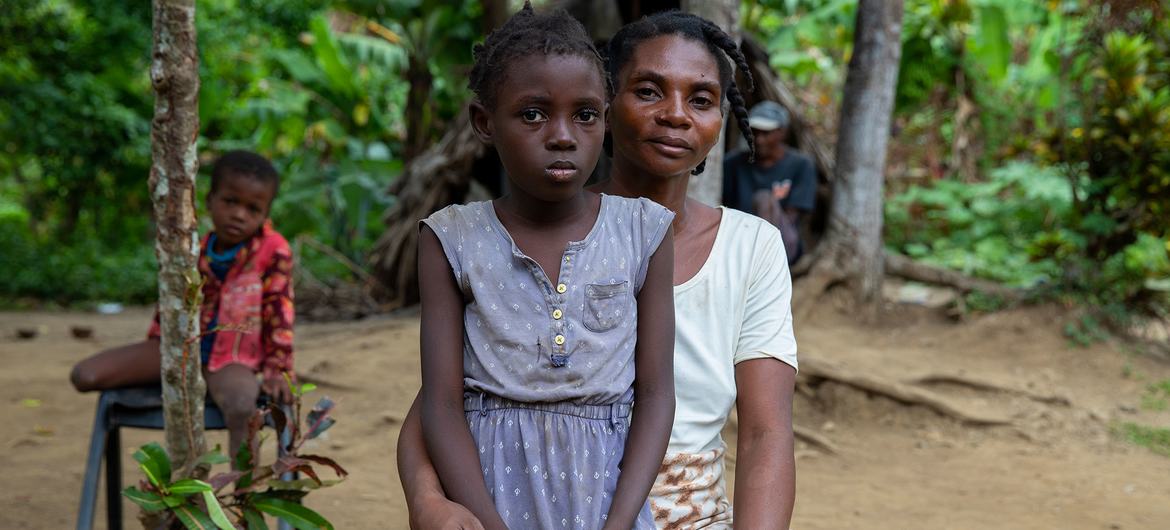
(UN News)* — At least two-thirds of households with children have lost income since the COVID-19 pandemic hit two years ago, according to a joint report published on Wednesday [9 March 2022] by the UN children’s agency (UNICEF) and World Bank.
The report, Impact of COVID-19 on the welfare of households with children, presents findings from data collected in 35 countries, and notes that households with three or more children were most likely to have come up short, with more than three-quarters experiencing a reduction in earnings.
LIMA, Mar 7 2022 (IPS)* – “Pachamama (Mother Earth) is upset with all the damage we are doing to her,” says Hilda Roca, an indigenous Peruvian farmer from Cusipata, in the Andes highlands of the department of Cuzco, referring to climate change and the havoc it is wreaking on her life and her environment. | En español
Peruvian farmer Hilda Roca, 37, stands in her agro-ecological garden in Cusipata, a town located at more than 3,300 meters above sea level in the highlands of Cuzco, where she grows vegetables for her family and sells the surplus with the support of her adolescent daughter and son. CREDIT: Mariela Jara/IPS
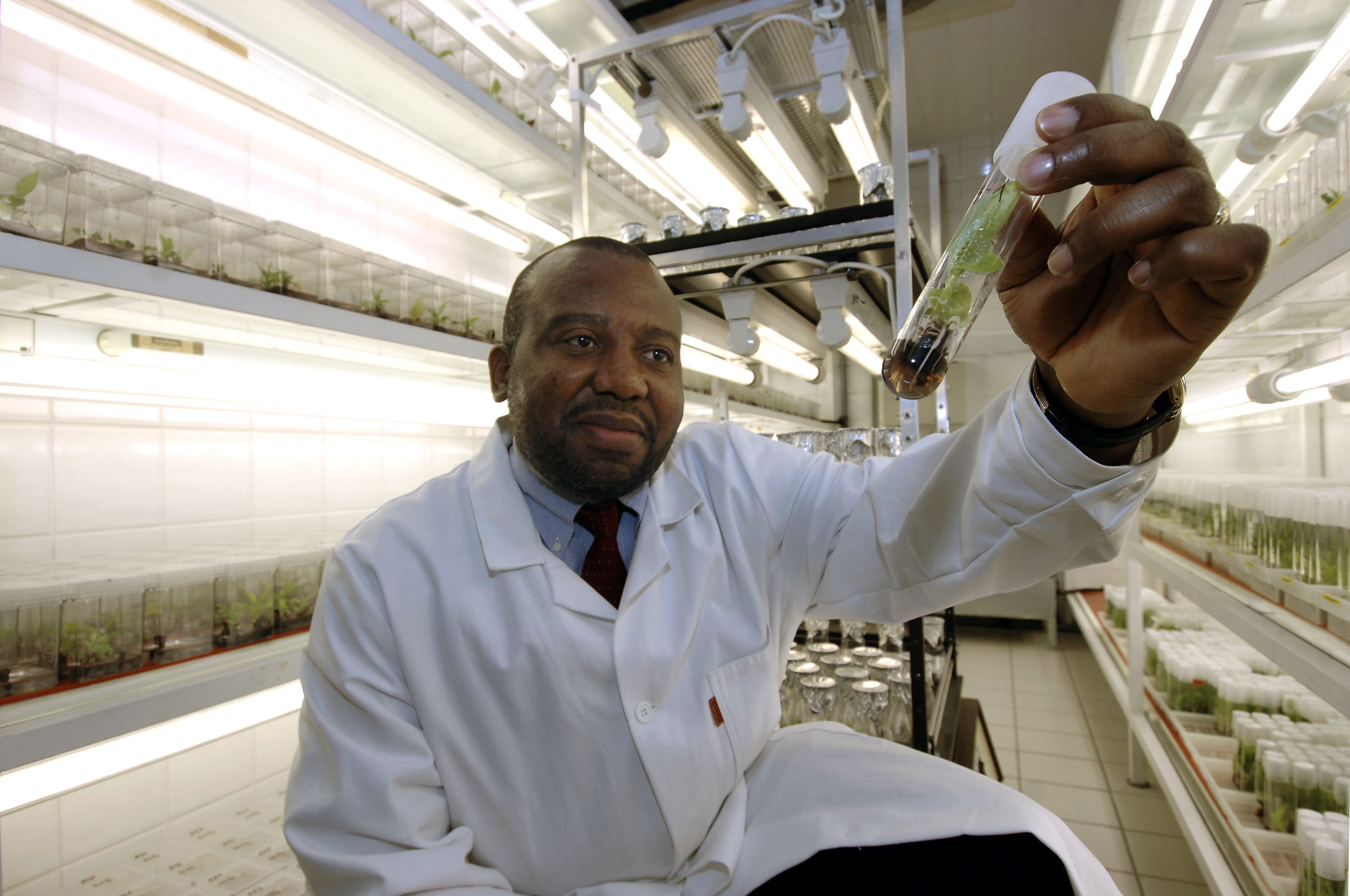
Rome, 7 March 2022 (FAO)* – Whether it’s new foods like jellyfish, edible insects and cell-based meat, or new technologies like blockchain, artificial intelligence and nanotechnology, the future promises exciting opportunities for feeding the world. However, the time to start preparing for any potential safety concerns is now.
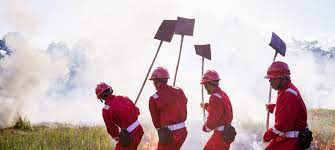
9 March 2022 (UNEP)* — Whether it’s the Australian coast or the rainforests of Brazil, unrestrained wildfires – shrouded by black smoke and punctuated by the crackle of burning vegetation – have laid waste to some of the world’s most-iconic landscapes in recent years.
UN-REDD/Andri Tambunan / 09 Mar 2022
These blazes, directly and indirectly, impact millions of people and myriad habitats globally – and they’re becoming more common.
Record-breaking temperatures in 2021 increased the frequency and intensity of wildfires and their associated risks to human and environmental health, according to Spreading like Wildfire, a new report from the United Nations Environment Programme (UNEP) and GRID-Arendal.
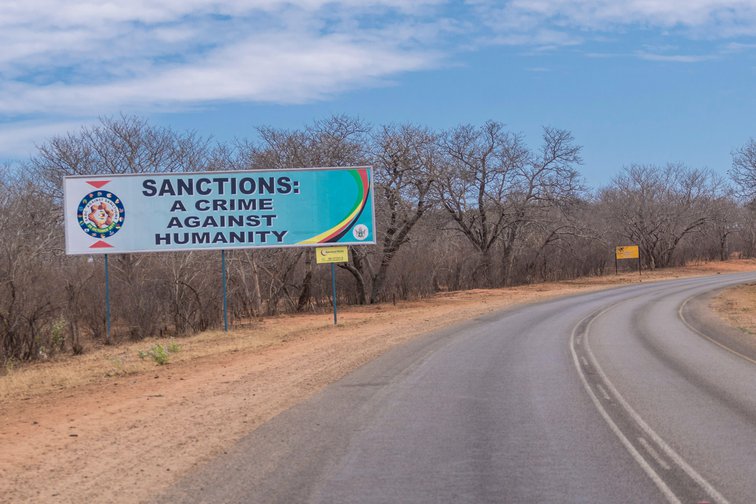
Africans support the Ukrainian people, but centuries of experience also make us wary of ‘solutions’ by our former colonisers| ESPAÑOL
A sign protesting against US and European sanctions in Zimbabwe | Yagil Henkin / Alamy Stock Photo. All rights reserved
3 Marcch 2022 (openDemocracy)* — Scrolling through my social media and news feeds, “I stand with Ukraine” is the dominant statement of support for a country that undeniably needs it at this time.
But this stance is not as black and white as Western liberals like to think.
MADRID, Mar 7 2022 (IPS)* – The picture is gloomy: not only do women represent 70% of the 1.3 billion people living in conditions of poverty, but also up to 40% of the poorest households in urban areas are headed by women.
Women predominate in the world’s food production (50-80 per cent), but they own less than 10 per cent of the land. Credit: Jency Samuel/IP
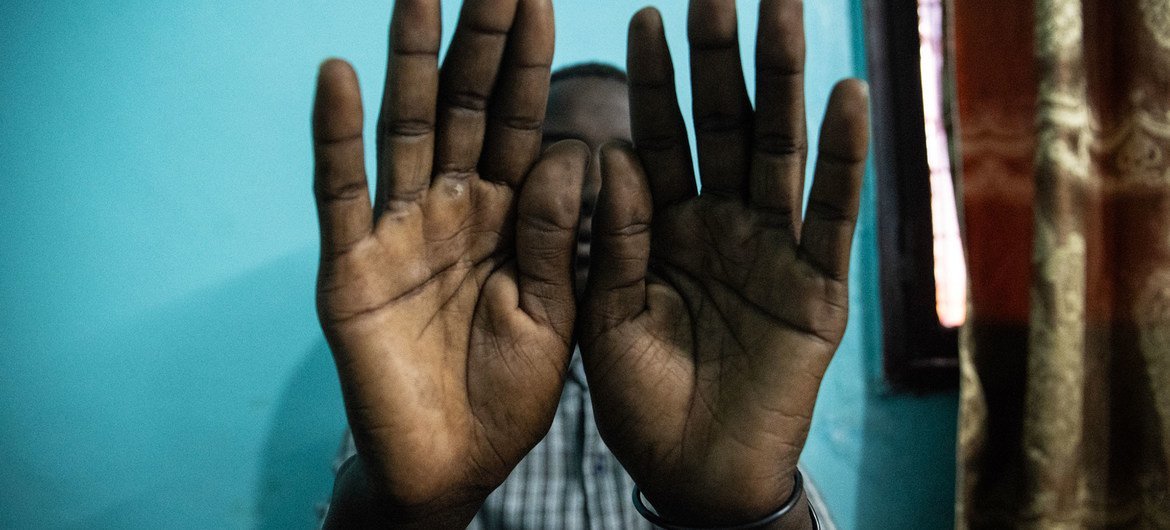
5 March 2022 (UN News)* — “Slave” tattoos, electric shock devices, and plastic bracelets. These are examples of the kinds of objects and physical abuses deployed by human traffickers to control, torture, and brand their victims, and which are crucial to securing a conviction.
The plastic bracelets the women wore in a bar in Argentina indicated the number of men they had been forced to have sex with. In Thailand, men and children from Myanmar were exploited in the fishing industry: an electric shock device was used if they refused to work.
And a Chinese symbol for “slave” was tattooed on the ankle of a woman in the United States.




 HUMAN WRONGS WATCH