28 May 2025 — Global climate predictions show temperatures are expected to continue at or near record levels in the next five years, increasing climate risks and impacts on societies, economies and sustainable development, according to a new report from the World Meteorological Organization (WMO).
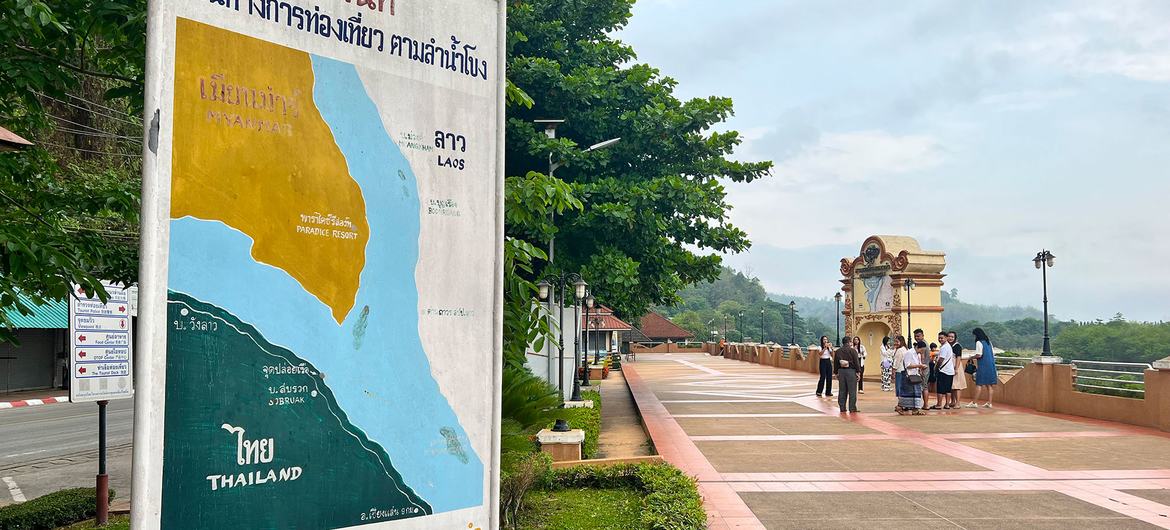
(UN News)* —The Golden Triangle – the remote, jungle-covered border region where Thailand, Myanmar, and the Lao People’s Democratic Republic meet – has seen an exponential surge in the illicit manufacture and trafficking of synthetic drugs.
UN News/Daniel Dickinson | Organized crime gangs are operating in the Golden Triangle where Myanmar, Thailand and Laos converge.
According to the UN Office on Drugs and Crime (UNODC), the production and trafficking of methamphetamine – an illegal synthetic stimulant – have risen sharply since 2021, particularly in Myanmar’s Shan State.
KUNENE REGION, Namibia, 27 May 2025 – Kuliua Maundu, 26, remembers the night seven years ago like it was yesterday. “I was at home when the pain started,” she said. “I thought it was just labour, so I tried to sleep, thinking I’d go to the hospital in the morning.”
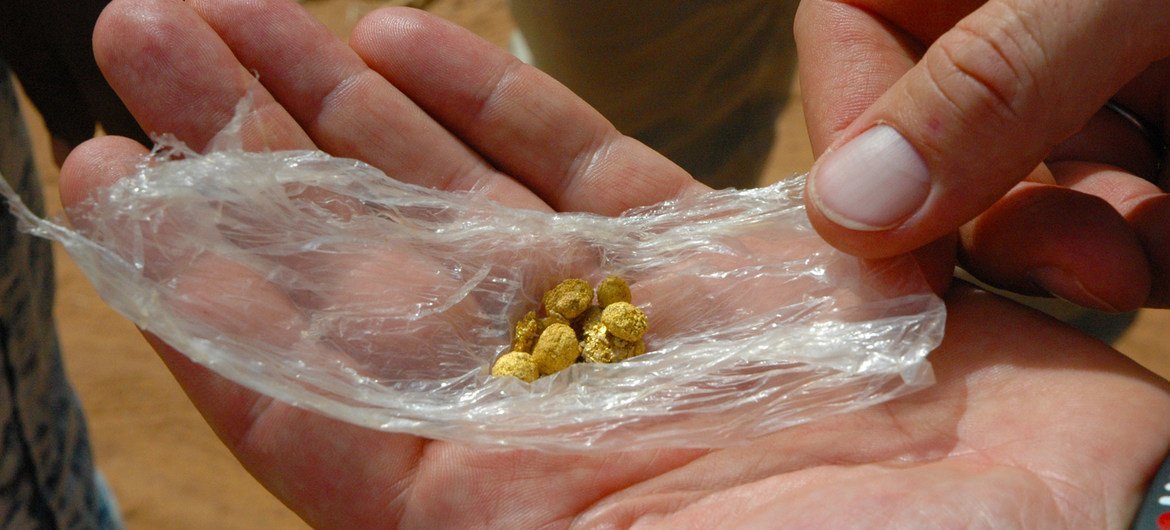
()* — The global drive for renewable energy technologies has sharply increased demand for so-called critical minerals, heightening the risk of crime, corruption, and instability across supply chains as organised crime groups infiltrate the mining industry.
(United Nations)* — As the global community is called to re-examine our relationship to the natural world, one thing is certain:
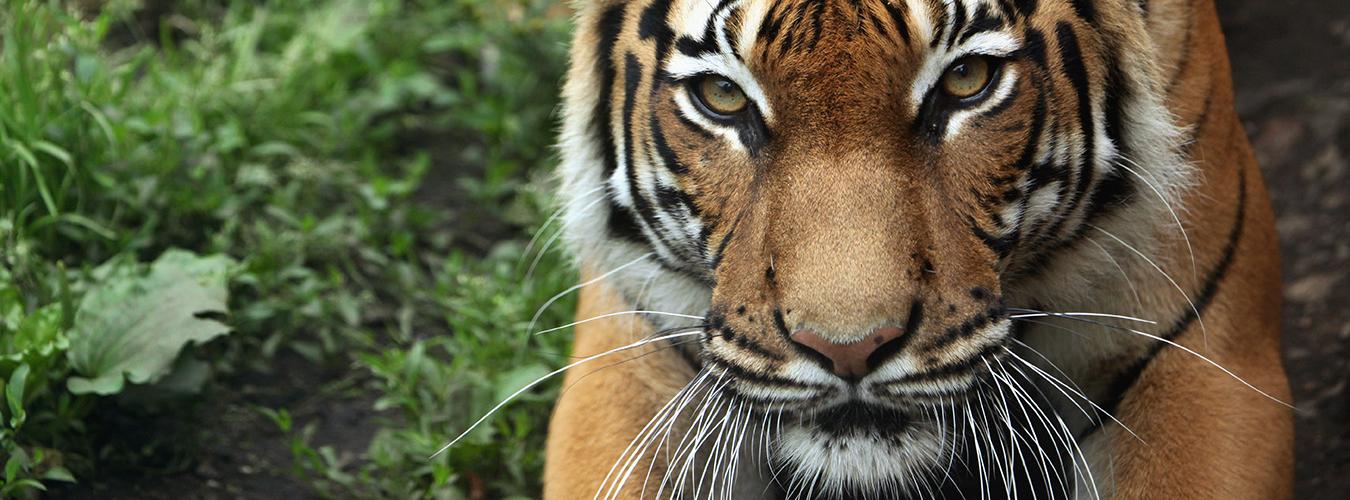
The unrestricted exploitation of wildlife has led to the disappearance of many animal species at an alarming rate, destroying Earth’s biological diversity and upsetting the ecological balance. PHOTO:Vladimir Wrangel/Adobe Stock
despite all our technological advances we are completely dependent on healthy and vibrant ecosystems for our water, food, medicines, clothes, fuel, shelter and energy, just to name a few.
LILONGWE, May 22 2025 (IPS)* – Women in fishing communities in Malawi’s lakeshore districts of Nkhotakota and Mangochi are frequently targets of sexual exploitation for fish, a practice commonly known as ‘sex for fish.’
Women are often exploited when buying fish from fishers or traders in lake Malawi. Credit: Benson Kunchezera/IPS
A recent report by the Malawi Human Rights Commission (MHRC) has unearthed disturbing accounts of women being coerced into transactional sex to access fish from male boat owners, exposing a widespread violation of their rights.
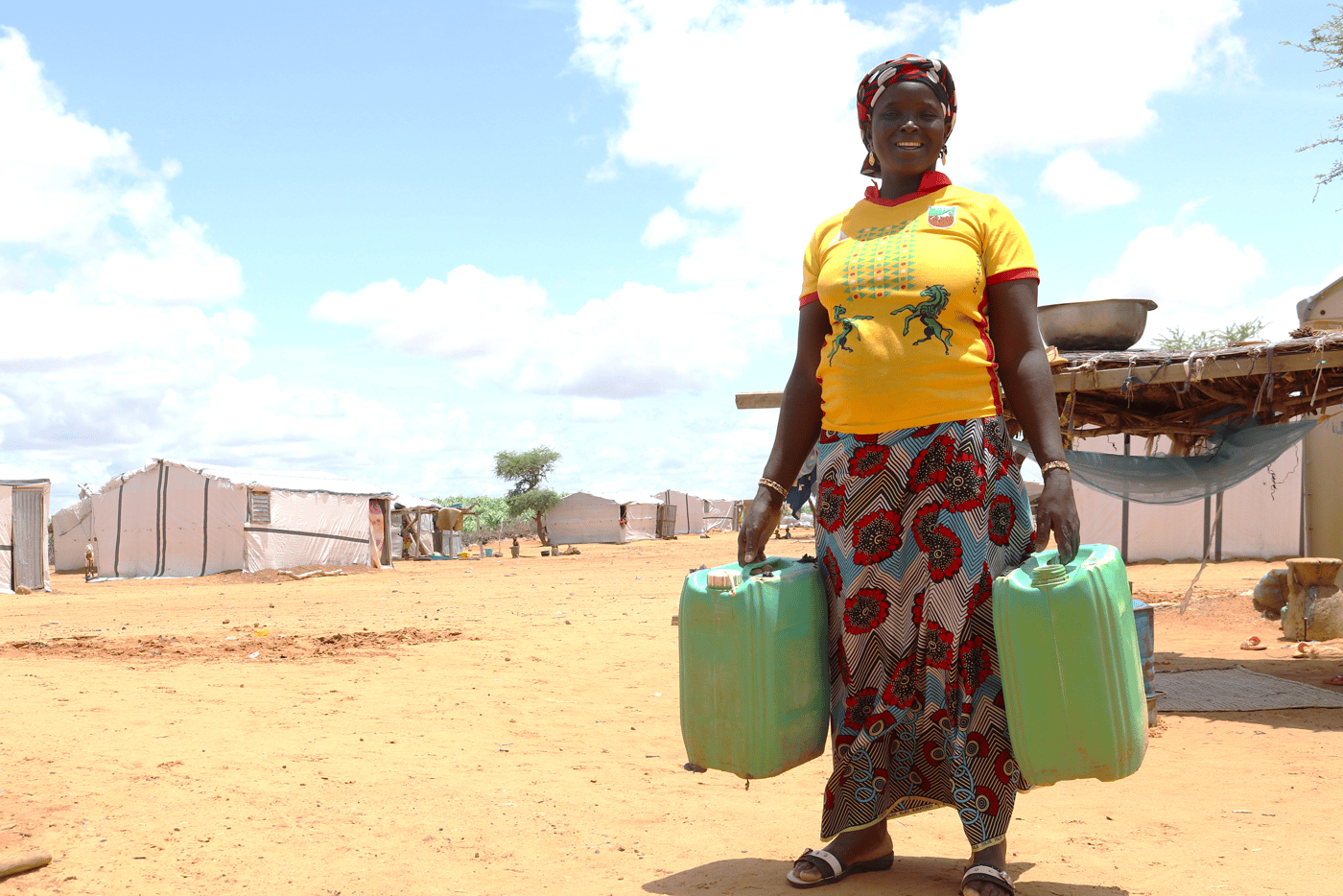
Fetching water in Gorom Gorom. Photo: Hassimi Zoure/NRC
In northern Burkina Faso, communities like Gorom Gorom face daily hardship from displacement and water scarcity. Yet amid these challenges, solidarity endures.
With support from the Norwegian Refugee Council (NRC) and its partners, a single water tower now brings more than just water – it brings relief, restores dignity, and strengthens community ties. When basic needs are met, hope has room to grow.
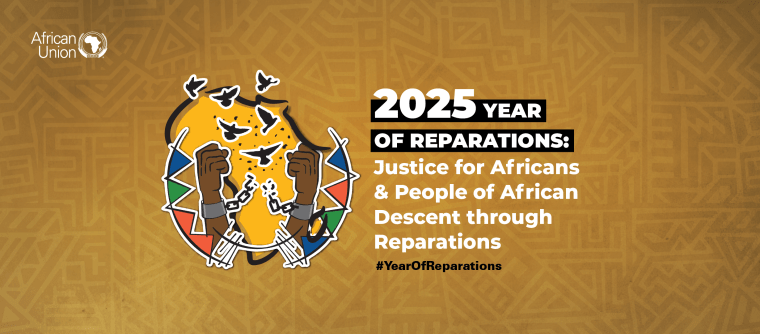
The African Union commemorates Africa Day 2025[24 May 2025] with a renewed call to justice, unity, and shared progress. Speaking on behalf of the African Union Commission (AUC), Mahmoud Ali Youssouf, Chairperson of the AUC, delivered a stirring address that reflected on Africa’s historic journey while calling for bold steps toward a just and prosperous future.
.
This year’s theme, “Justice for Africans and People of African Descent through Reparations,” honours the memory of those who suffered under slavery and colonialism, while asserting the right of Africa and its diaspora to truth, justice, and restoration.
.
“While justice and reparations remain long overdue,” the Chairperson affirmed, “Africa will not be held hostage by the pain of its past.”
(UN News)* — Women and clerical workers face the highest risk of their roles being radically transformed by Artificial Intelligence, prompting calls for inclusive policy responses.
One in four jobs worldwide is potentially exposed to what’s known as Generative Artificial Intelligence – or Generative AI (GenAI) – according to a new joint study from the UN labour agency (ILO) and Poland’s National Research Institute.
The study finds that transforming job descriptions, not widespread job loss, is the more likely result.
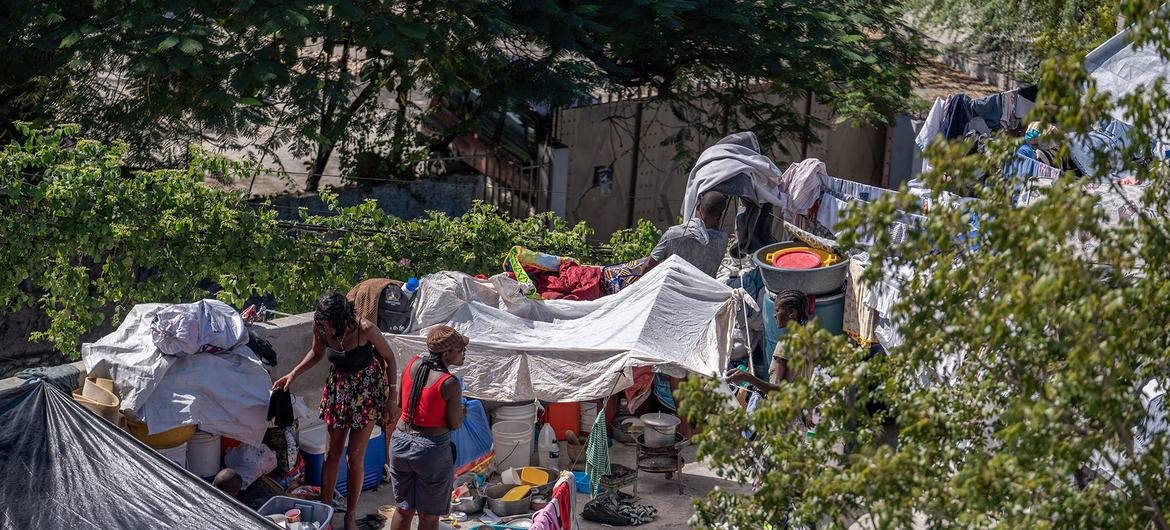
(UN News)* — Armed violence and insecurity in Haiti have exposed already vulnerable children to sexual violence and exploitation, the UN Office for the Coordination of Humanitarian Affairs (OCHA) warned on Wednesday .
Since the assassination of President Jovenel Moïse in 2021, gang violence has permeated the capital Port-au-Prince and expanded into other regions, displacing over one million people.
The International Organization for Migration (IOM) estimates that more than half of the displaced are children, meaning one in eight Haitian children has been uprooted in recent years.




 HUMAN WRONGS WATCH