KUALA LUMPUR, Malaysia, Jul 24 2024 (IPS)* –– Many low-income countries (LICs) continue to slip further behind the rest of the world. Meanwhile, people in extreme poverty have been increasing again after decades of decline.
Jomo Kwame Sundaram
Falling further behind
World output more than doubled from $36 trillion in 1990 to $87 trillion by 2021 (in constant US dollars), but this growth has not been evenly distributed, causing most LICs to fall further behind.
Many of the world’s poorest economies have had meagre growth since the 1960s. As most developing countries have made progress, income gaps among nations have declined.
Climate change is fuelling flooding and other forms of extreme weather, causing fresh displacement and making life even harder for people already uprooted from their homes.
(UN News)* — The desperate plight of migrants and refugees tortured, trafficked and sold “at scale” in Libya took centre stage at the Human Rights Council in Geneva on Tuesday [], where UN rights chief Volker Türk urged the international community to consider halting its agreement with the north African country on asylum seekers and migration.
On 15 November 2022, the world’s population reached an estimated 8.0 billion people, a milestone in human development. This unprecedented growth, according to the UN, is due to the gradual increase in human lifespan owing to improvements in public health, nutrition, personal hygiene and medicine. It is also the result of high and persistent levels of fertility in some countries. Meanwhile, the UN will be commemorating World Population Day on July 11.
WASHINGTON DC, Jul 9 2024 (IPS)* – Across East Asia, birthrates are plummeting. Japan’s has been falling for eight straight years and recently hit a record low of 1.2 children per woman, the lowest since record keeping began in 1899.
For reference, a total fertility rate of 2.1 is needed to maintain a stable population. China’s total fertility rate is now approaching 1.0. South Korea’s plummeted in 2023 to a record low of 0.72, the worlds’ lowest.
4 July 2024 — The crisis in the Central African Republic (CAR) has been overlooked for years. A landlocked country in the heart of central west Africa, CAR continues to pay the price of a long-standing conflict, and one in five Central Africans remains displaced.
This family fled their village of Loura in CAR after atrocities were committed against civilians. Photo: Marion Guenard/NRC
Here are five things you need to know about what’s happening in CAR.
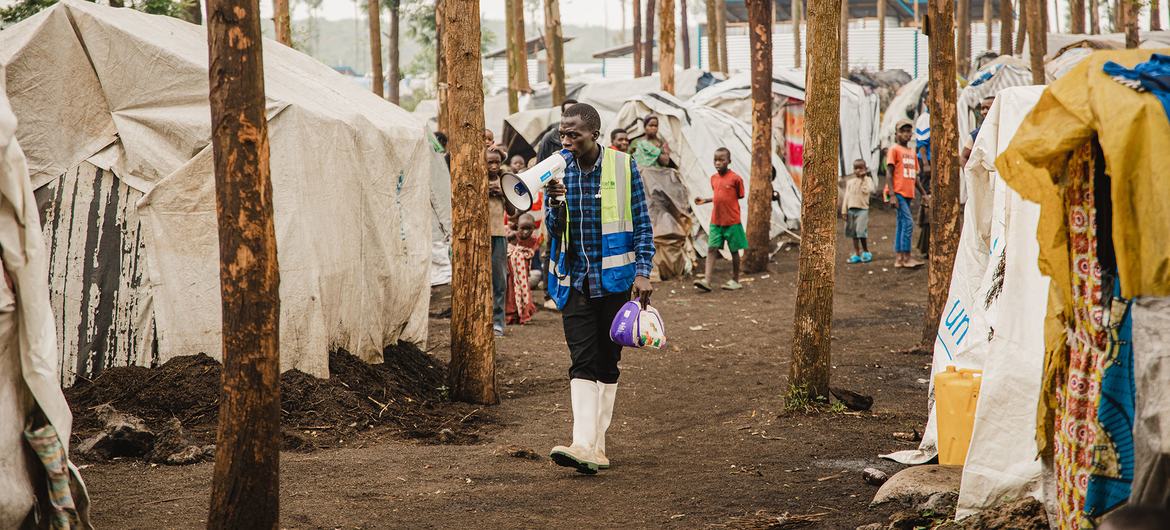
(UN News)* — The security situation in eastern Democratic Republic of the Congo (DRC) has resulted in alarming levels of violence and widespread civilian displacement, the UN envoy for the country reported on Monday [].
Special Representative of the Secretary-General, Bintou Keita, informed the Security Council of an attack on the residence of a Congolese politician, during which two police officers were killed.
KUALA LUMPUR, Malaysia, Jul 8 2024 (IPS)* ––For some time, most multilateral financial institutions have urged developing countries to borrow commercially, but not from China. Now, borrowers are stuck in debt traps with little prospect of escape.
Jomo Kwame Sundaram
More debt, less growth since 2008: The last decade and a half has seen protracted worldwide stagnation, with some economies and people faring much worse than others.
The 2008 global financial crisis and Great Recession have recently been worsened by the Covid-19 pandemic, US Federal Reserve Bank-led interest rate hikes and escalating geopolitical economic warfare.
Following Reagan-inspired tax cuts, ostensibly to induce more private investments, budget deficits have loomed larger. Instead of enabling rapid recovery, greater fiscal austerity is now demanded, as in the 1980s.
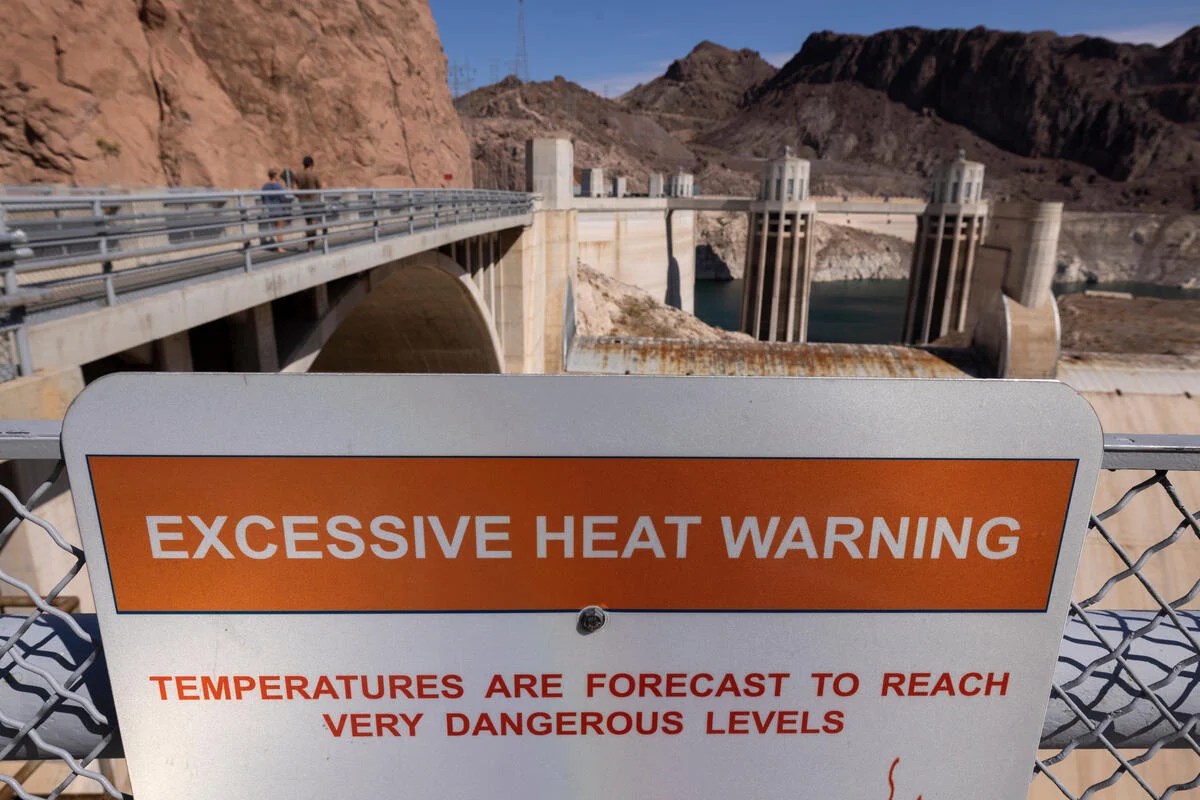
— In the first week of June 2024, searing heat in 80 countries broke temperature records – either monthly or for all time. Heatwaves scorched the US, the Mediterranean, Southern Europe, North Africa, Asia and the Middle East. Aswan in Egypt hit 50.9°C – an all time record – on the 7th June.
SOUTHERN PROVINCE, Zambia, 3 July 2024 (UNFPA)* -– “They don’t have any food, and the teenagers can become vulnerable,” said nurse Suvannah Sinakaaba, in the village of Hakankula in Zambia’s Monze District. “HIV rates are quite high among adolescents; some engage in sexual activities with fishermen, because they want [financial] help.”
Zambia is acutely exposed to the global climate emergency, hit by frequent – and deadly – droughts, floods and heat waves.
Now in the grips of its driest agricultural season in more than 40 years, the President has declared a national emergency: Crops have been wiped out, livestock have died, and poverty and food insecurity are deepening for more than 9.8 million people.
“At a time when the world is falling apart for millions of people, we are seeing an increasing trend of international neglect. I have never before seen such a glaring gap between the need for lifesaving aid and available funding…








 HUMAN WRONGS WATCH