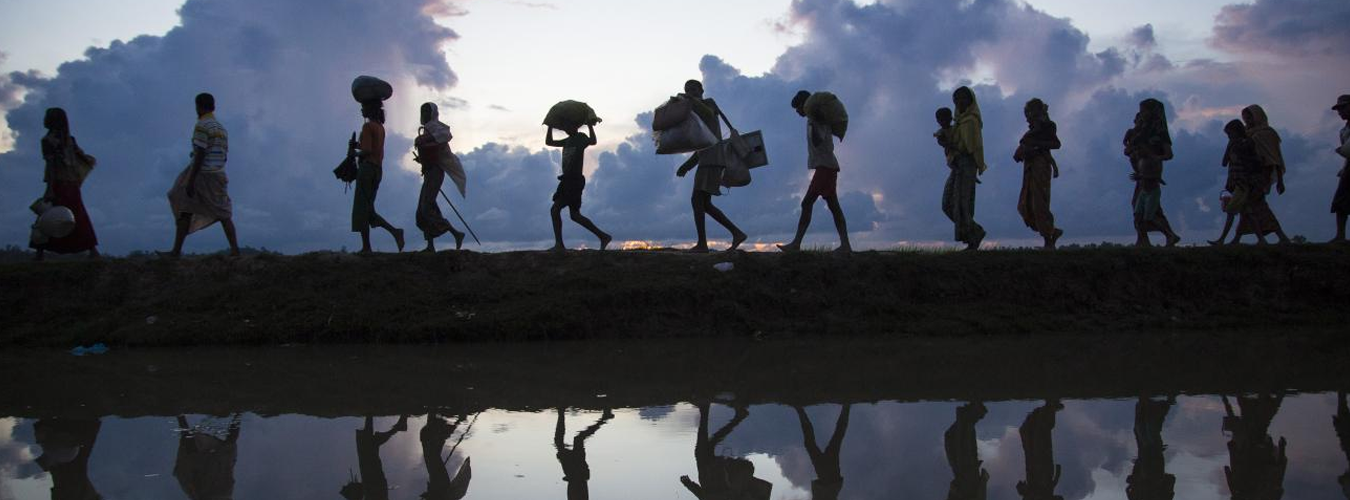
(United Nations)* — Refugees need our solidarity now more than ever. Solidarity means keeping our doors open, celebrating their strengths and achievements, and reflecting on the challenges they face.
Solidarity with people forced to flee also means finding solutions to their plight – ending conflicts so they can return home in safety, ensuring they have opportunities to thrive in the communities that have welcomed them, and providing countries with the resources they need to include and support refugees.
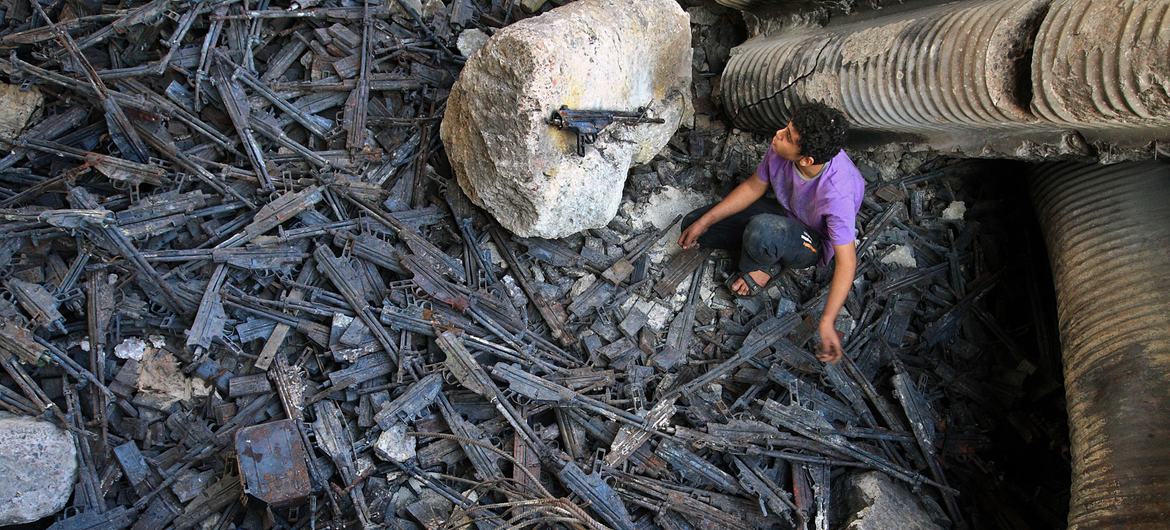
Delivering remarks in New York on behalf of the Secretary-General at a meeting aimed at eradicating the illicit trade in small arms, Izumi Nakamitsu, the head of the UN Office of Disarmament Affairs, warned on Tuesday [] that military expenditures continue to rise across the globe.
New conflicts are placing millions of people in the line of fire, and small arms and light weapons play a major role in these conflicts, she said.
KUALA LUMPUR, Malaysia, Jun 17 2024 (IPS)* –Since 2008, farmland acquisitions have doubled prices worldwide, squeezing family farmers and other poor rural communities. Such land grabs are worsening inequality, poverty, and food insecurity.
Squeezing land and farmers
A new IPES-Food report highlights land grabs (including for ostensibly ‘green’ purposes), the financial means used, and some significant implications.
Jomo Kwame Sundaram
Powerful governments, financiers, speculators, and agribusinesses are opportunistically gaining control of more cultivable land.
The report notes the 2007-08 food price spike and financial crash catalysed more land acquisitions.
Quantitative easing and financialization after the 2008 global financial crisis enabled even more land grabs. Investors, agri-food companies, and even sovereign wealth funds have obtained farmland worldwide.
Agribusinesses and other investors want land to make more profits, urging governments to enable takeovers. Cultivable land is being used for cash crops, natural resource extraction, mining, real property and infrastructure development, and ‘green’ projects, including biofuels.
Rome (IFAD)* -–In celebration of the International Day of Family Remittances (IDFR) on 16 June, the G20’s Global Partnership for Financial Inclusion (GPFI) has on 14 June 2024 unveiled a new report that provides evidence of the transformative impact of digital remittances, as a driver of financial inclusion and poverty reduction worldwide.
Despite persistent gender gaps, the hard-earned money sent back home by migrant workers remains a vital lifeline for over 800 million people, particularly for women and vulnerable populations.
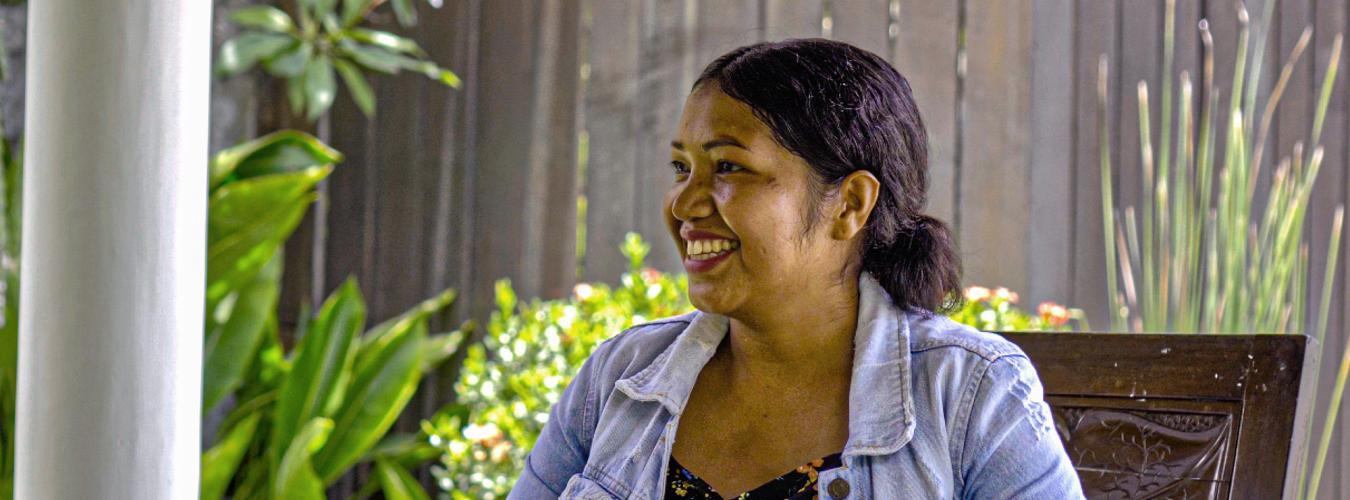
Joanita and her husband live in two different countries to support their family and remittances sent back home have been a lifeline for them. Migrant workers sent US $669 billion back to their families in remittance-reliant countries in 2023. PHOTO:IOM/Maulana Iberahim
(United Nations)* — It is projected that by 2030 more than US$ 5 trillion will have been sent home by migrants to low- and middle-income countries (LMICs), with much of this money going directly to rural areas where 80 percent of the world’s poor live, facing food shortages and the impacts of climate change.
(UN News)* —The global fight to tackle female genital mutilation (FGM) is being undermined by the movement of some girls across national borders and beyond to undergo the procedure, the UN human rights office (OHCHR) warned in a new report published on Friday [14 June 2024].
Although many States have intensified their efforts towards eradication, the practice continues across the world in part due to “the clandestine nature of cross-border and transnational FGM,” it said.
“Female genital mutilation is part of a continuum of gender-based violence and has no place in a human rights-respecting universe,” said the UN High Commissioner for Human Rights, Volker Türk.
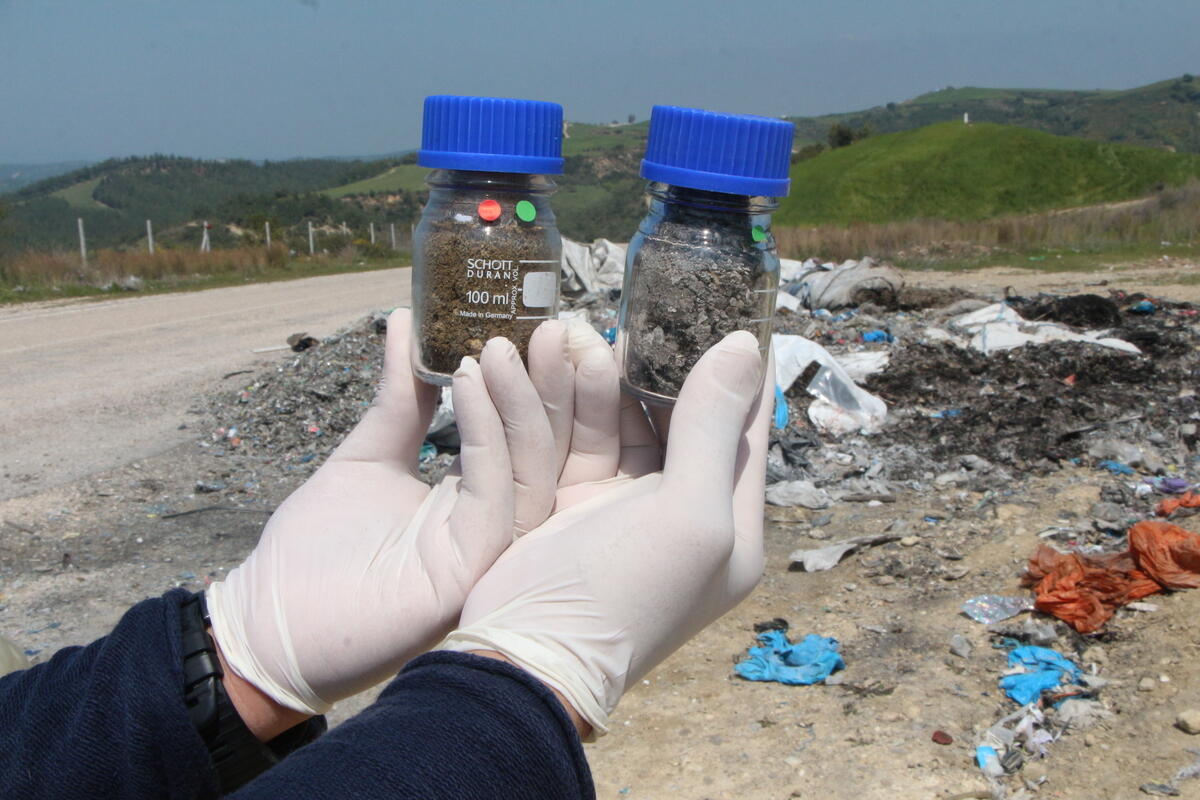
(UN News)* — As nearly 40 per cent of land across the planet is degraded with more acres lost every second, governments, businesses and communities must galvanize action to reverse the damage and protect Earth, the UN chief said in a strong message for the World Day to Combat Desertification and Drought, marked annually on 17 June.
“The security, prosperity and health of billions of people rely on thriving lands supporting lives, livelihoods and ecosystems, but we’re vandalising the Earth that sustains us.”
Brussels (IOM)* — The International Organization for Migration (IOM) on 14 June 2024 launched two new reports on Belgium’s remittances landscape and the impact of high transaction costs on remittance flows and development outcomes for 21 countries.
Kriticos who is originally from Zambia and Tanzania and Jason from Rwanda are two of the many diaspora members who have embraced a new life in Belgium as well as their roots. Photo: IOM/Moayad Zaghdani
In Belgium, where one third of the population has a migrant background, over USD 7 billion (EUR 6.5 billion) in remittances were sent in 2023, but the costs of sending are high.
(UN News)* —Violence against children caught in armed conflict reached “extreme levels” last year, with a “shocking” 21 per cent increase in extreme violations, UN Secretary-General António Guterres said in a report published on Thursday [13 June 2024].
Children were killed and maimed in unprecedented numbers in places such as Israel and the occupied Palestinian territories, notably Gaza; Burkina Faso, the Democratic Republic of the Congo, Sudan and Ukraine, his annual report on Children and Armed Conflict revealed.
The alarming increase was due to the evolving nature, complexity, and intensification of armed conflict, as well as the use of explosive weapons in populated areas, the report said.





 HUMAN WRONGS WATCH