29 May 2024 — Starting in April, flash floods have wreaked havoc across Afghanistan, leaving at least 300 dead, hundreds injured, and nearly 9,000 homes destroyed. Thousands are now homeless. Roads, bridges, schools, and health facilities in Baghlan, Badakshan, Takhar, Faryab and Ghor are in ruins.
Once again, Afghanistan is heavily affected by a climate catastrophe after last year’s earthquakes in Herat, and frequent sandstorms and drought hitting the most vulnerable, particularly women and children, the hardest.
But why are these sudden deluges so deadly, and what makes this disaster particularly devastating?
Geneva/ Addis Ababa, 29 May – Over 3 million people were internally displaced in Ethiopia by the end of last year according to the latest National Displacement Report by the International Organization for Migration’s (IOM) Displacement Tracking Matrix (DTM).
Displaced families in Dubuluk IDP Camp. Photo:: IOM/ Ethiopia.
The Report shows that the majority – 69 per cent – of those displaced were a direct result of conflict, whereas drought and other climate induced events such as floods, landslides and fires on the other hand contributed to 17 per cent, and 9 per cent respectively.
Morehouse College professors protested US complicity in Congo Genocide by unfurling a Congolese flag behind Joe Biden as he addressed the 2024 graduating class. A brief, quixotic coup took place in Congo on the same day.
In 2011, Congolese American Christian Malanga offered to pay me to promote his candidacy for president of the Democratic Republic of the Congo. I declined, believing he suffered from delusions of grandeur.
(UN News)* — International financing is the fuel for sustainable development, but small island States are “running on empty” – drowning in debt and rising sea levels due to climate change and through no fault of their own.
Play video
UN Photo/Eskinder Debebe | A view of Antigua and Barbuda, the host of the fourth International Conference on Small Island Developing States (SIDS4).
That’s the warning from UN Secretary-General António Guterres on Day Two of the pivotal Fourth International Conference on Small Island Developing States (SIDS4) taking place in the Caribbean twin island nation of Antigua and Barbuda this week.
The 39 States known collectively as SIDS have been uniquely vulnerable to the trifecta of COVID – which crippled the tourism many rely on – the Russian invasion of Ukraine; and “battered by a climate catastrophe they did not create”, said Mr. Guterres.
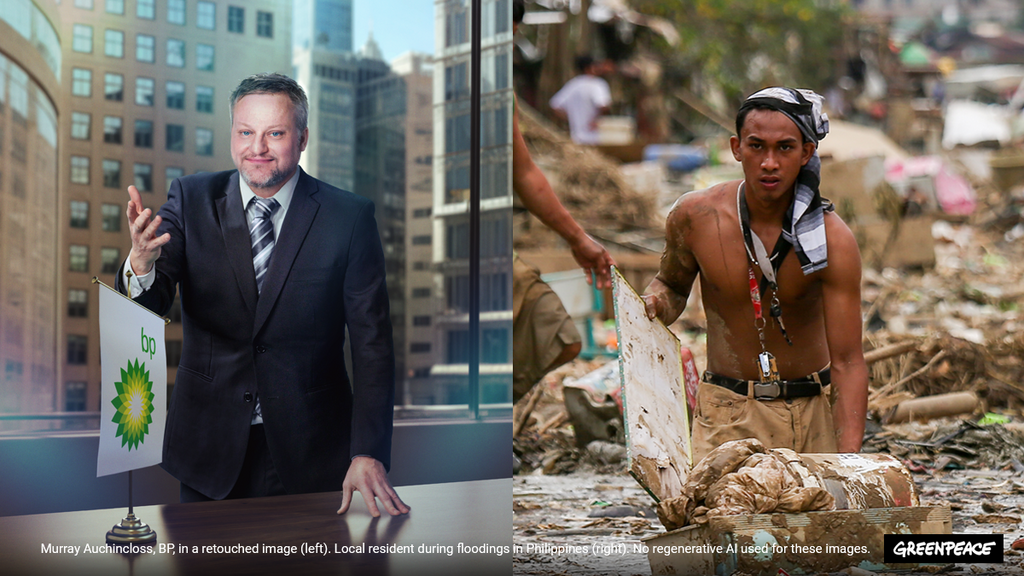
— Every time they are in the spotlight for the disastrous effects of their business, fossil fuel companies serve up the same old fraudulent arguments. Tired of their bogus excuses? So are we. Here are their most common lies and the facts to counter them.
Murray Auchincloss, BP, in a retouched image (left). Local resident during floods in Philippines (right). Disclaimer: Images of CEOs used in this campaign are staged and doctored for illustrative purposes. Illustrations are created without the use of generative AI.
False Excuse #1: “We’re only responding to consumer demand”
This is one of the classic arguments for climate inaction from fossil fuel companies: deflecting their responsibilities onto consumers rather than engaging in a real energy transition. No altruistic desire to meet the needs of the population here.
The once-in-a-decade SIDS Conference opened in Antigua and Barbuda today [27 May 2024], with a clear message: the world already knows the challenges that SIDS face—now it’s time for action.
King Charles III of Britain addresses the opening ceremony of the Fourth International Conference on Small Island Developing States, May 27, 2024. Credit: Alison Kentish/IPS
ANTIGUA, May 27 2024 (IPS)* –“This year has been the hottest in history in practically every corner of the globe, foretelling severe impacts on our ecosystems and starkly underscoring the urgency of our predicament. We are gathered here not merely to reiterate our challenges, but to demand and enact solutions,” declared Antigua and Barbuda Prime Minister Gaston Brown at the opening of the Fourth International Conference on Small Island Developing States on May 27.
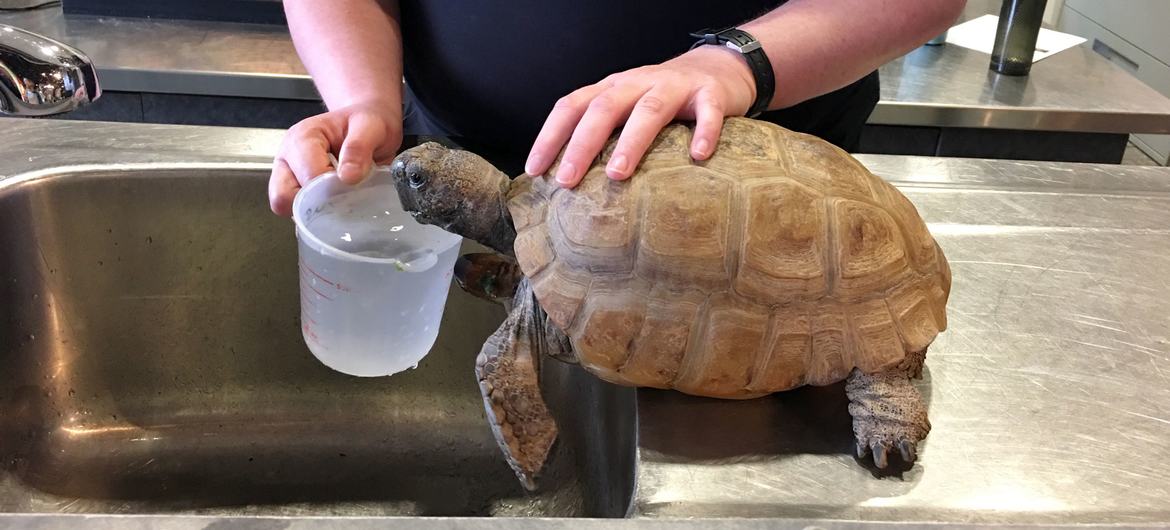
(UN News)* —While nearly one million species are currently at risk of extinction, the United Nations University (UNU) in Bonn is drawing attention to “co-extinctions”: the chain reaction occurring when the complete disappearance of one species affects another.
Among the animals at risk is the gopher tortoise, one of the oldest living species on the planet. This tragic story of biodiversity loss is unfolding at the heart of the coastal plains of the southern United States.
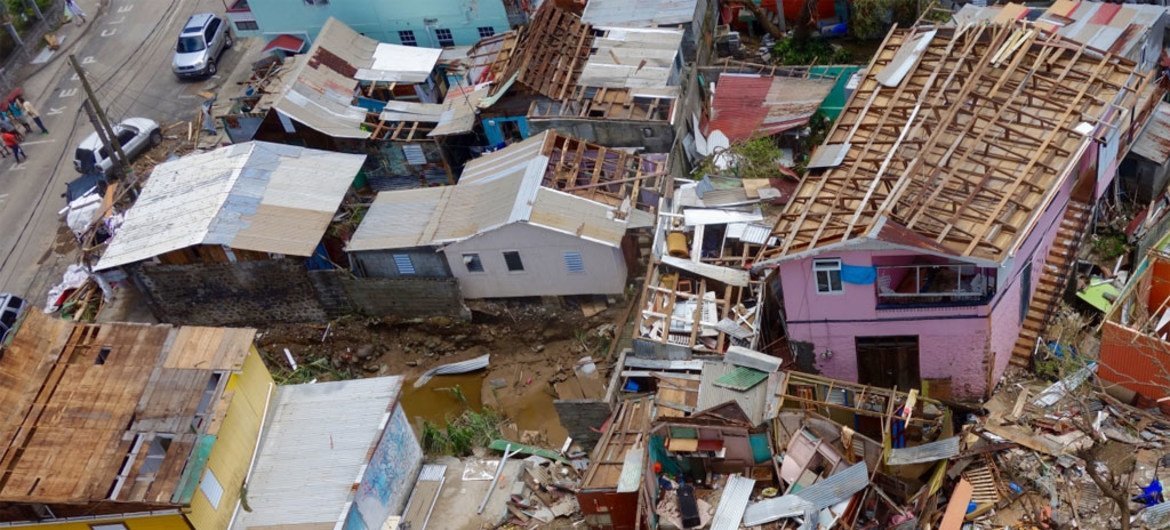
(UN News)* — The UN World Meteorological Organization (WMO) has issued a warning for an “above average” hurricane season in the North Atlantic in 2024. Based on data from the US National Oceanic and Atmospheric Administration (NOAA), this would mark the ninth consecutive year of anomalies.
.
IRIN/Ben Parker | Destruction left behind in the aftermath of Hurricane Maria on the island of Dominica. (file)
Typically, an average year sees 14 named storms with wind speeds exceeding 65 kilometres (40 miles) per hour. However, this year, 17 to 25 storms are expected, with four to seven of them potentially becoming major hurricanes, characterized by winds of at least 178 kilometres (111 miles) per hour. The usual average is three major hurricanes per year.
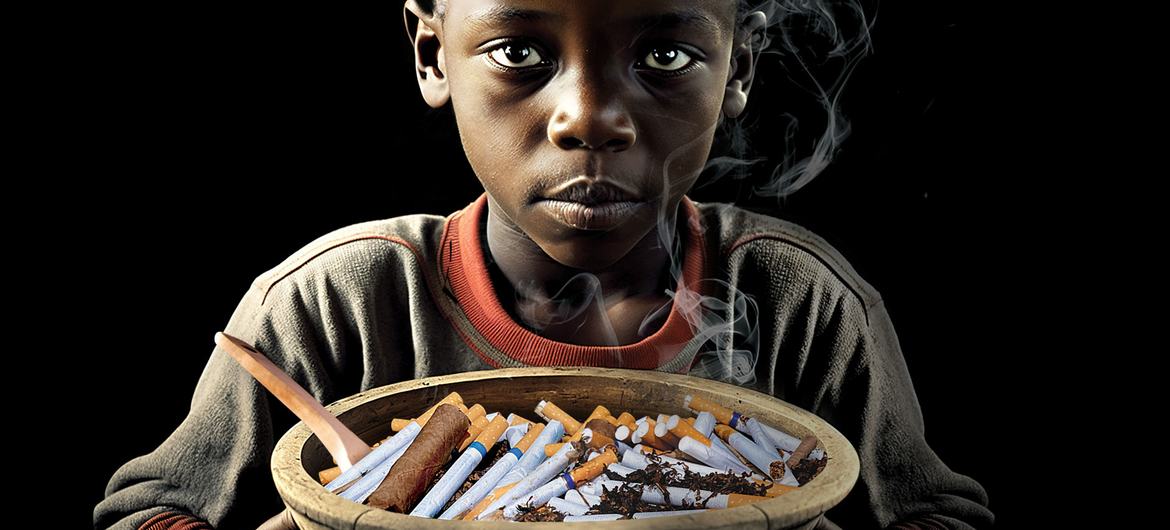
(WHO)*, Geneva, New York, 23 May 2024 — The World Health Organization (WHO) and STOP, a global tobacco industry watchdog, are launching today “Hooking the next generation,” a report highlighting how the tobacco and nicotine industry designs products, implements marketing campaigns and works to shape policy environments to help them addict the world’s youth.
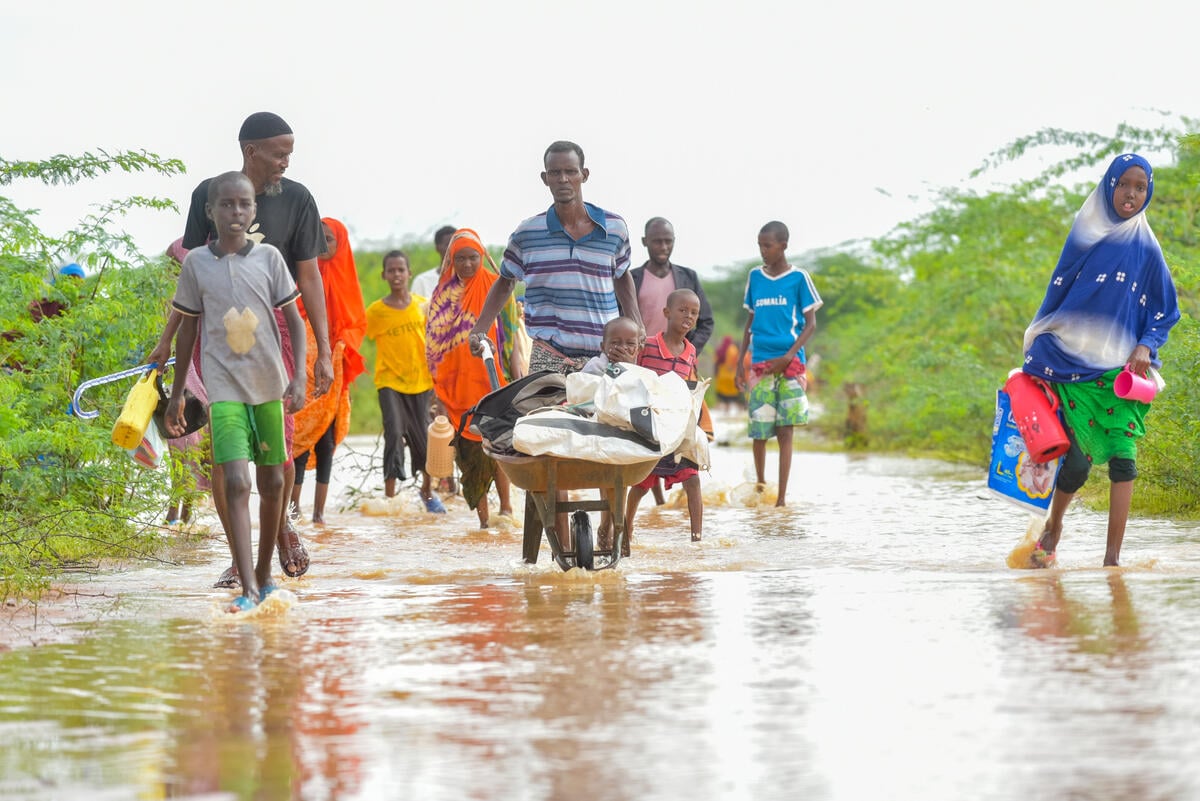
20 May 2024 — Severe flooding has hit countries in the East and Horn of Africa as heavy El Niño-rains continue to afflict a refugee-hosting region at the front line of the climate crisis, where deep droughts followed by intense rains have in recent years become the new normal.
 .
.



 HUMAN WRONGS WATCH