(UN News)* —The UN Commission on Human Rights in South Sudan presented its latest report to the Human Rights Council on 28 February 2025 in Geneva, detailing widespread violations, including extrajudicial killings, forced recruitment of children and systematic sexual violence.
Despite South Sudan winning independence over a decade ago and repeated commitments to peace during years of civil war, the Commission found that the same patterns of abuses persist, often implicating high-ranking officials.
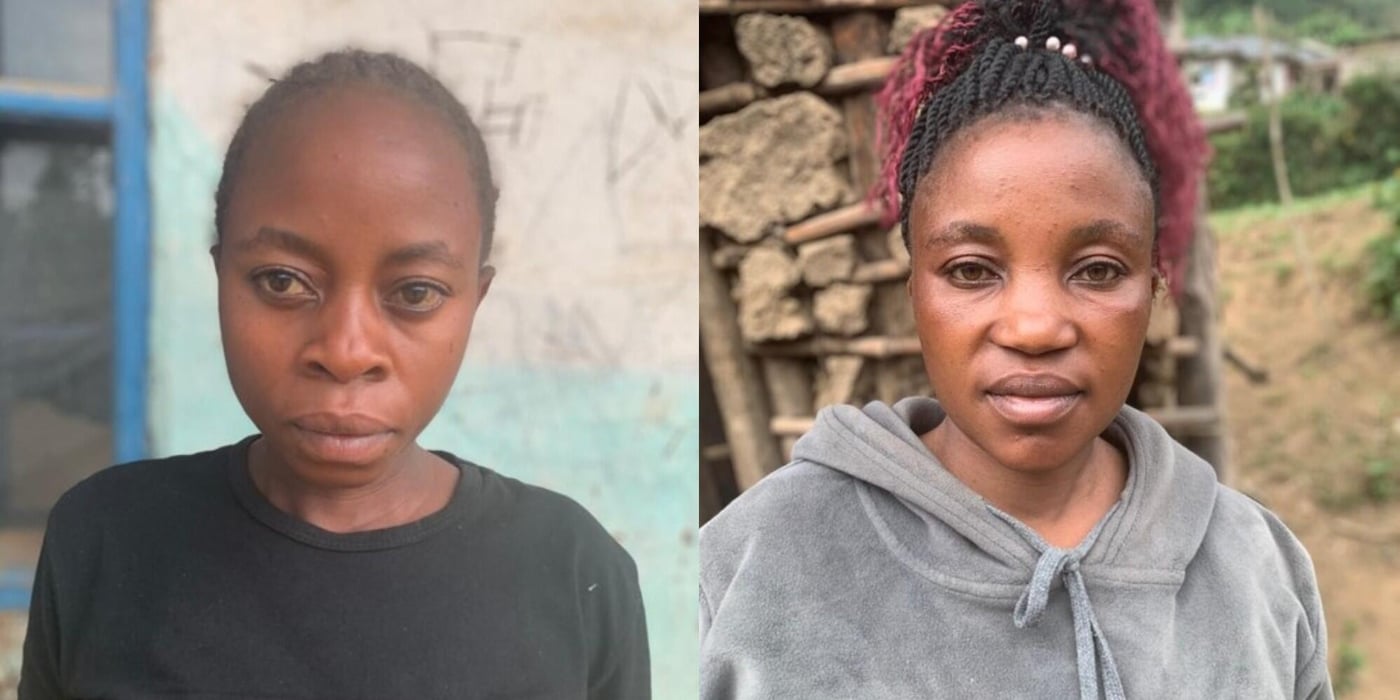
Konaté sits on the step of her home. Photo: OCHA/Ibrahima Koné
At the Sossokoira displacement site in Gao, she sits in a tent with other women from her community. Her face is etched with exhaustion and quiet strength.
Like thousands of other residents of Talataye village, Nana sought refuge in this displacement site on the outskirts of Gao, far from the home she once knew.
KATHMANDU, Nepal, Feb 19 2024 (IPS)* –– Imperialism continues to dominate the world. Globalisation is losing to some of its anti-theses, but imperialism still rules, increasingly by law, albeit in changing even contradictory ways.
Jomo Kwame Sundaram
Hence, we live in challenging times. It is often difficult to see the main challenges we face as there seem to be so many.
Also, the new or the unusual gains far more attention than what appears commonplace.
Power and empire Our histories and cultures are often quite different despite our common, but varied experiences of foreign domination, even rule.
Such power involves varied mixes of socioeconomic and political relations, involving governance and even the rule of law.
Our world has seen empires and imperialism for over two millennia, at least from before the time of Jesus Christ in Palestine, who had to deal with the satraps of the Roman empire then.
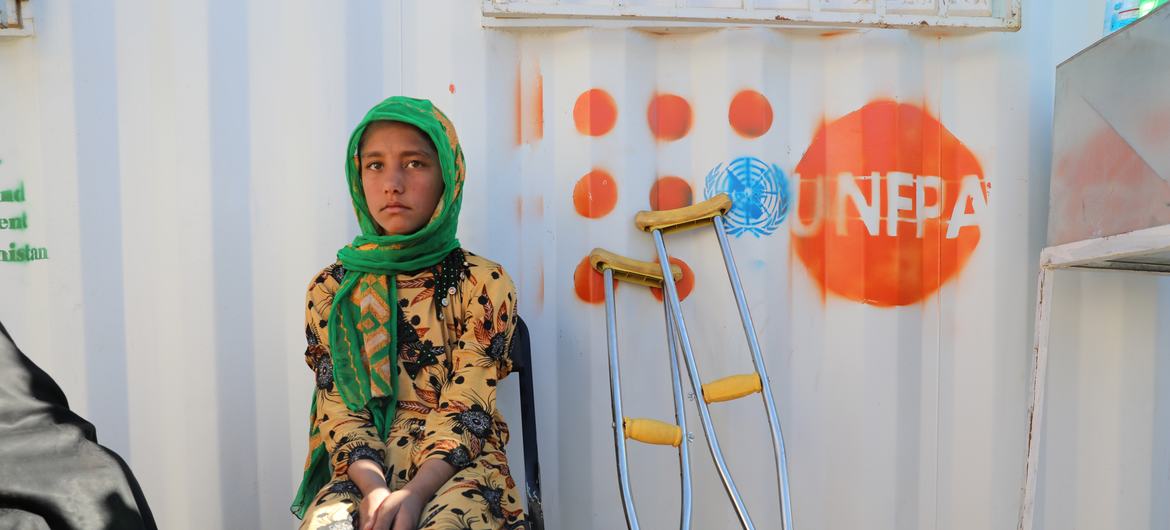
(UN News)* — The United States has cut $377 million worth of funding to the UN reproductive and sexual health agency, UNFPA, it was confirmed on Thursday [], leading to potentially “devasting impacts”, on women and girls.
“At 7pm on 26 February, UNFPA was informed that nearly all of our grants (48 as of now) with USAID and the US State Department have been terminated,” the UN agency said in a statement.
“This decision will have devastating impacts on women and girls and the health and aid workers who serve them in the world’s worst humanitarian crises.”
(UN News)* —A senior UN aid official has called on the Security Council to ensure better protection for civilians in Sudan together with unhindered humanitarian access, as the brutal war between rival militaries approaches a second year.
Play video
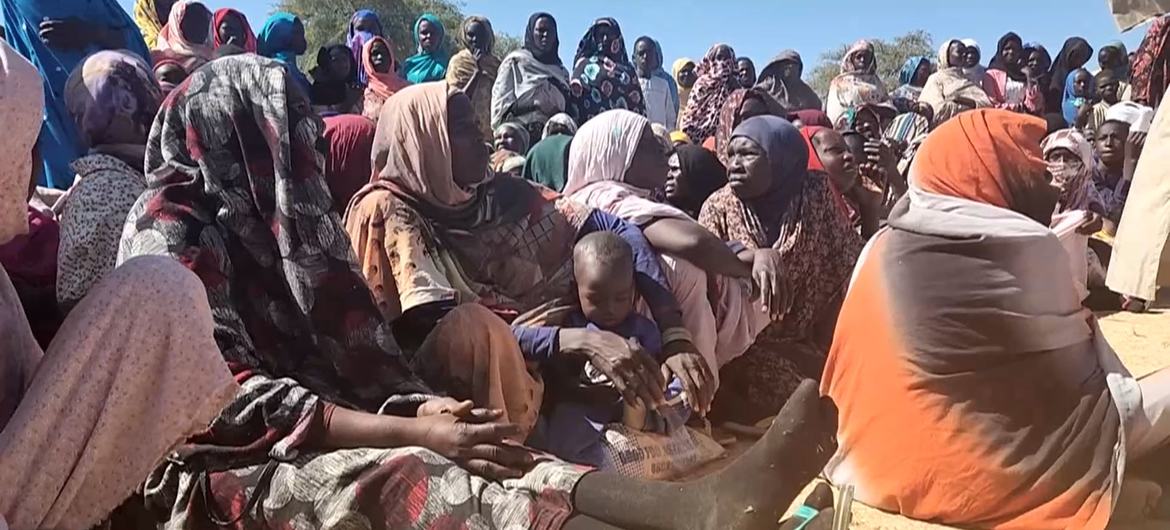
WFP | Displaced Sudanese people wait to receive food from the World Food Programme (WFP). (file)
“Now more than ever, two years on, the people of Sudan need your action,” Edem Wosornu of the UN humanitarian affairs office, OCHA, said in a briefing to ambassadors on Wednesday [].
“Nearly two years of relentless conflict in Sudan have inflicted immense suffering and turned parts of the country into a hellscape,” she added, listing some of the impacts.
Mogadishu, 26 February 2025 – New data from Somalia shows that 4.4 million people could face hunger by April 2025, driven by worsening drought conditions, conflict and high food prices.
KUALA LUMPUR, Malaysia, Feb 25 2025 (IPS)* – Donald Trump’s Make America Great Again (MAGA) appeal captured US mass discontent against globalisation.
In recent decades, variations of America First have reflected growing ethnonationalism in the world’s presumptive hegemon.
Jomo Kwame Sundaram
Deglobalisation?
Trade liberalisation probably peaked at the end of the 20th century with the creation of the multilateral World Trade Organization (WTO), which the West kept outside the UN system.
With deindustrialisation in the North blamed on globalisation, their governments gradually abandoned trade liberalisation, especially after the 2008 global financial crisis.
Free trade mahaguru Jagdish Bhagwati has long complained of the weak commitment to multilateral trade liberalisation. Most recent supposed free trade agreements (FTAs) have been plurilateral or bilateral, undermining multilateralism while promoting non-trade measures.
Those who have done the least to cause the climate crisis are the worst affected, while those who have done the most to provoke it are the most shielded from its impacts.
.
We talk about this in the new episode of SystemShift, a Greenpeace podcast that explores how we can move from a world that serves the economy to an economy that works for people and the planet.
This time Carl and Joycelyn host two young climate leaders: Lali Riascos, from Guapi, Colombia, and Mateus Fernandes, from Sao Paulo,Brazil.
MBARALI, Tanzania, Feb 21 2025 (IPS)* – A hush had fallen over Mbarali District, but it was not the quiet of peace—it was the silence of uncertainty.
The REGROW project, aimed at doubling the size of Ruaha National Park, has left many without land and prospects. Credit: Kizito Makoye/IPS
Just months ago, the rolling plains were gripped by fear as government-backed rangers, dressed in olive green fatigues, roamed through villages, seizing cattle, torching homes, and forcing entire communities to the wobbly edge of survival.
21 February 2025 — In early 2024, clashes between armed forces and non-state armed groups in the east of the Democratic Republic of the Congo resumed after a period of inactivity. By late 2024, the city of Goma was surrounded and most access roads were blocked.
Jorime and Desanges were forced to flee their homes by brutal violence in eastern DR Congo. Photo: Desire Cimerhe/NRC
.
The already isolated population was deprived of access to essential goods. They had no idea they were about to face the country’s most dramatic crisis since the conflict began nearly three decades ago.
.
In the village of Kivale, daily life was relatively peaceful. Children ran freely, families cooked tasty meals under the shade of the trees, and people cultivated the land and ran their businesses as best they could.
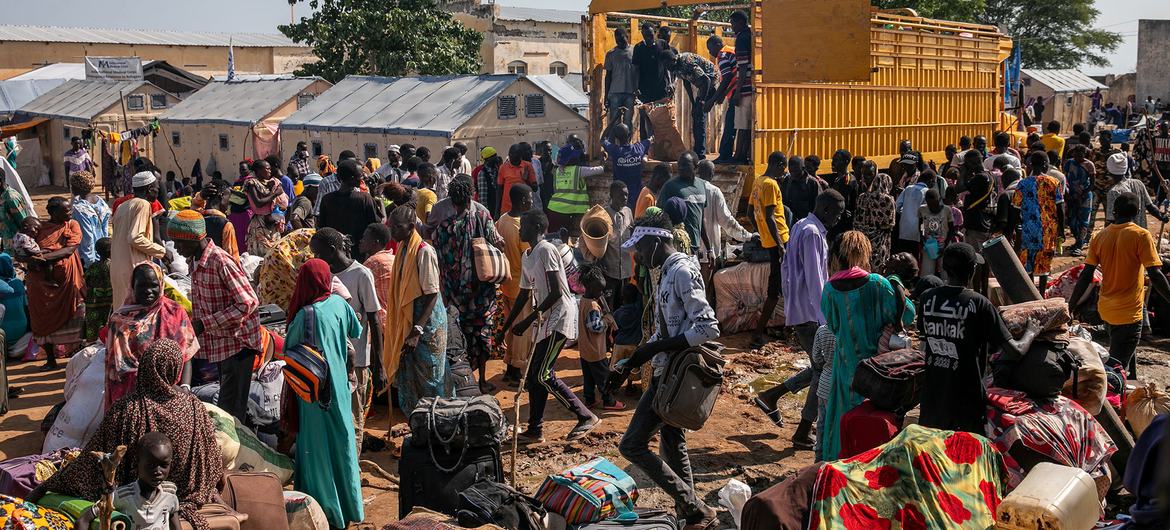 © WFP/Eulalia Berlanga | Displaced South Sudanese people arrive at a camp in Upper Nile State. (file)



 HUMAN WRONGS WATCH