(UNEP)* —They pollute the air. They warm the planet. They prevent crops from growing. Overall, super pollutants are a pretty nasty group of chemical compounds – and unfortunately, they’re all around us.
Photo by UNEP
A new video from the United Nations Environment Programme (UNEP) looks at some of the most problematic of these creepy critters, including black carbon, which contributes to 4 million deaths a year, and methane, which warms the planet 86 times faster than carbon dioxide.
Despite the pervasiveness of super pollutants, experts say humanity doesn’t have to put up with them. To learn more about what you can do to help, check out this interactive story after you’ve watched the video below.
The Philippines is preparing for the possibility of either a super typhoon or a significant earthquake, often referred to by Filipinos as the “big one.”
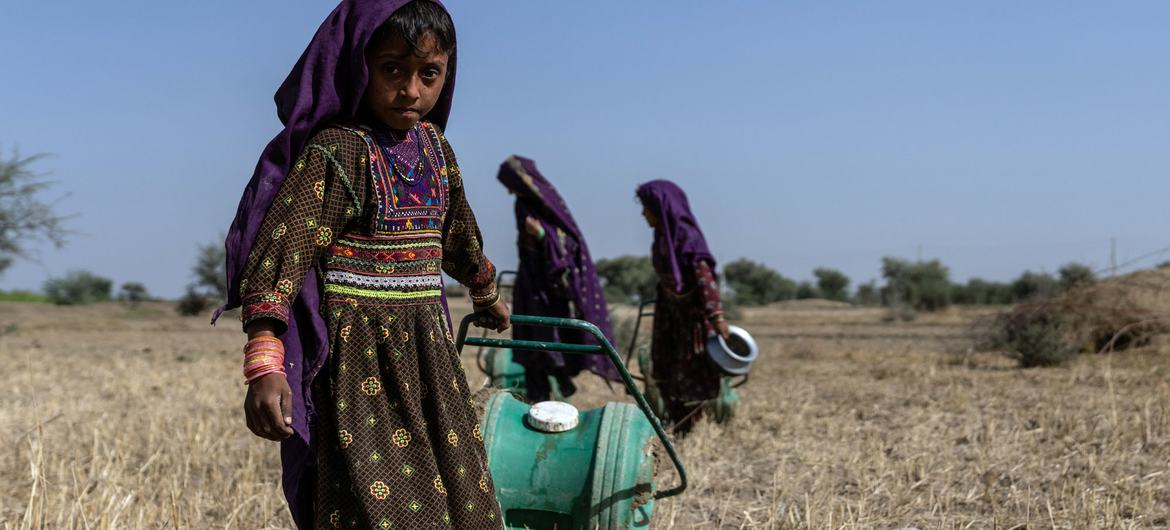
(UN News)* — As the world marked the International Day of the Girl Child on , a town hall held at UN Headquarters provided an opportunity for young women activists to engage directly with policymakers and offer recommendations on what they need to fully realise their rights.
“The importance of insisting on completely equal rights of women and young girls is an official commitment of the United Nations, but it is also a personal commitment for which we must wage a combat,” the President of the Economic and Social Council (ECOSCOC), Bob Rae, who hosted the meeting, stated.
Fishworkers are often invisible in discussions aboutclimate change, yet they are at the heart of food security, feeding millions while struggling to feed their own families. Their fight for survival is not just about tradition or livelihood—it’s about justice. Shouldn’t their futures be at the forefront of climate justice debates?
The iconic Chinese fishing nets along the Kerala coast offer a picturesque scene that draws tourists from around the world. However, the fishworkers that have used them for centuries livelihoods are in peril. Credit: Aishwarya Bajpai/IPS
KOCHI, India, Oct 10 2024 (IPS)* – Every morning before dawn, fishworkers along the shores of Kochi, Kerala, head out to sea, casting their nets in the shadow of the iconic Cheenavala—the Chinese fishing nets that have become a symbol of their community.
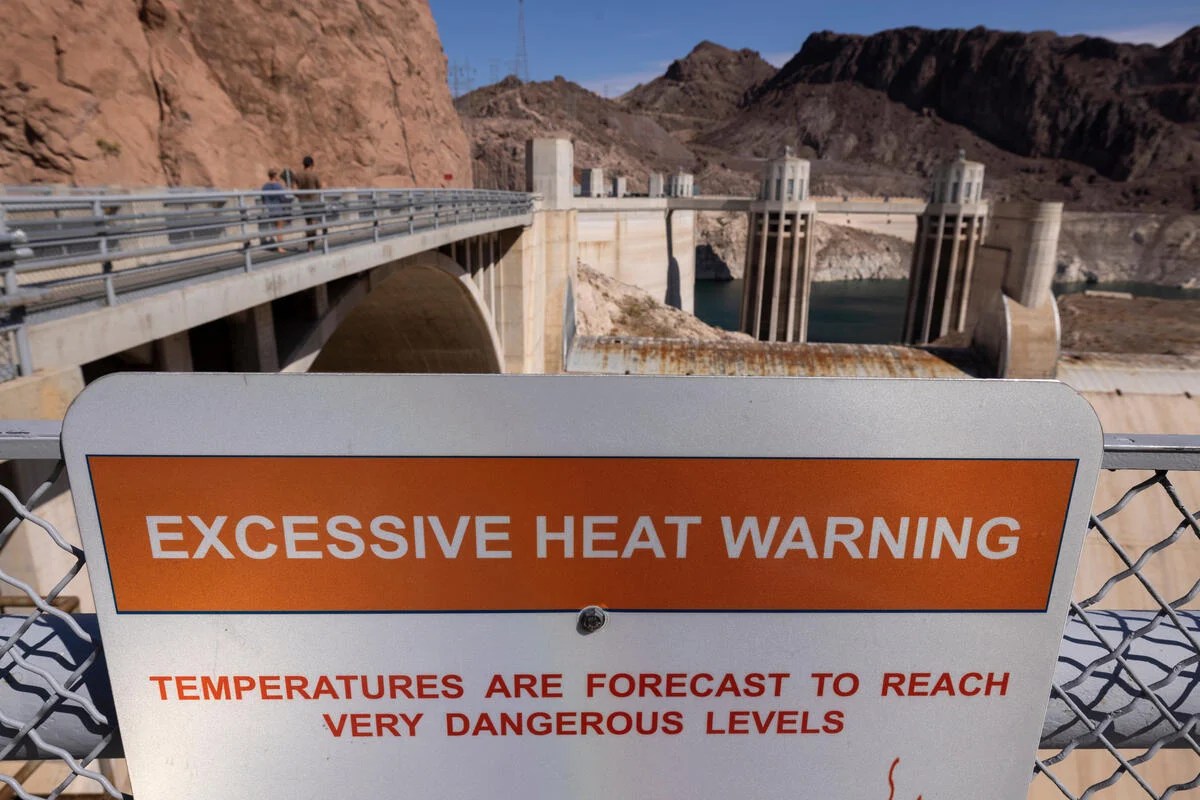
In the first week of June 2024, searing heat in 80 countries broke temperature records – either monthly or for all time. Heatwaves scorched the US, the Mediterranean, Southern Europe, North Africa, Asia and the Middle East. Aswan in Egypt hit 50.9°C – an all time record – on the 7th June.
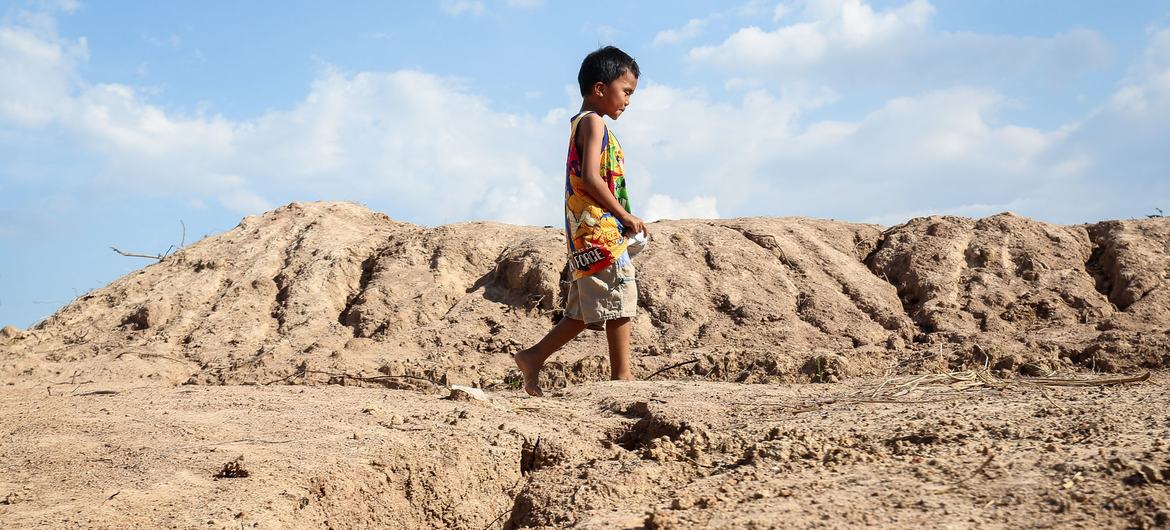
Stockholm, September 2024 (UNCCD)* — Drought is on track to hitting three in four people globally by 2050. Around the world, scientists and practitioners have amassed a wealth of knowledge on what it takes to anticipate, prepare for, respond and adapt to drought.
At World Water Week, a hard look at the notions that stand in the way of drought resilience
So what is standing in the way of more drought-resilient countries and communities?
WMO report highlights growing shortfalls and stress in global water resources
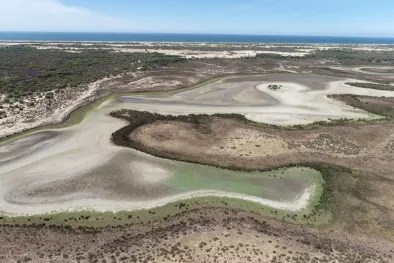
7 October 2024 — (WMO)* — The year 2023 marked the driest year for global rivers in over three decades, according to a new report coordinated by the World Meteorological Organization (WMO), which signaled critical changes in water availability in an era of growing demand.
The last five consecutive years have recorded widespread below-normal conditions for river flows, with reservoir inflows following a similar pattern.
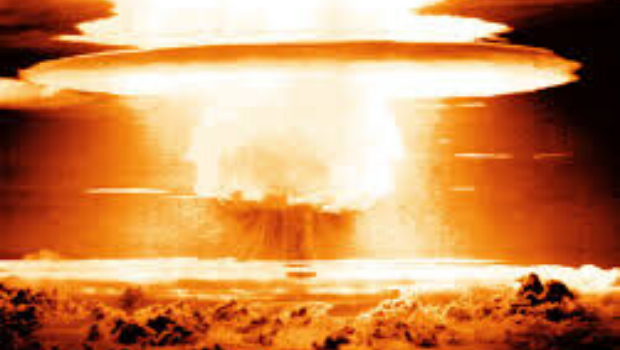
Nuclear weapons are the most destructive, inhumane and indiscriminate weapons ever created. Both in the scale of the devastation they cause, and in their uniquely persistent, spreading, genetically damaging radioactive fallout, they are unlike any other weapons.
.
A single nuclear bomb detonated over a large city could kill millions of people. The use of tens or hundreds of nuclear bombs would disrupt the global climate, causing widespread famine.
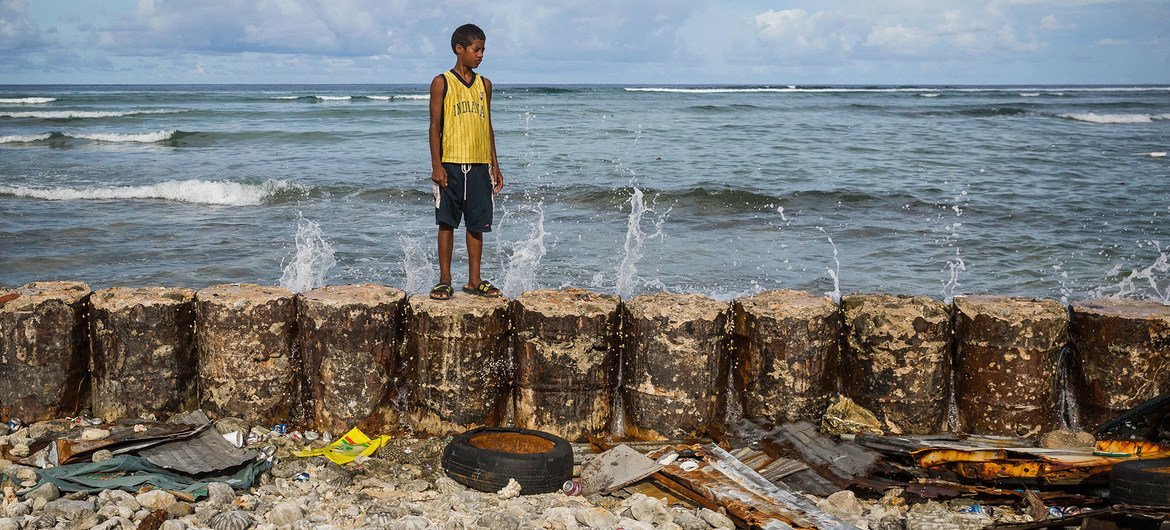
(UN News)* —The UN Human Rights Council held a dialogue on Friday [] to examine the nuclear testing legacy in the Marshall Islands, which representatives from the Pacific nation said has left their people with some of the highest rates of cancer globally.
 Photo by UNEP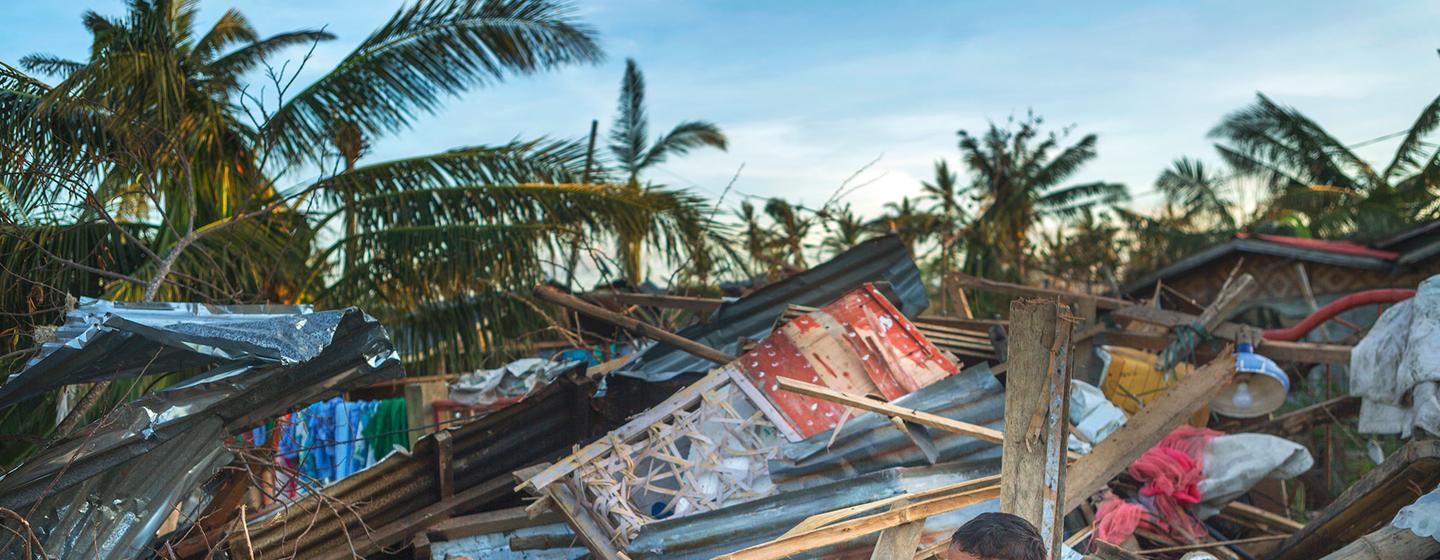
 Fishworkers are often invisible in discussions about climate change, yet they are at the heart of food security, feeding millions while struggling to feed their own families. Their fight for survival is not just about tradition or livelihood—it’s about justice. Shouldn’t their futures be at the forefront of climate justice debates?

 HUMAN WRONGS WATCH