By Vibhu Mishra, with additional reporting by Daniel Johnson in Geneva
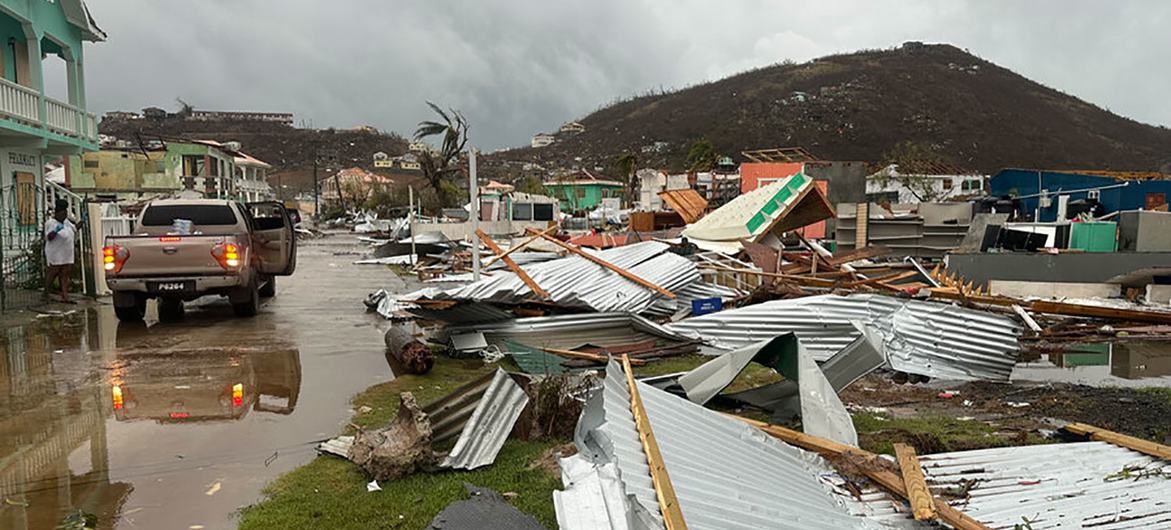
(UN News)* — The island of Carriacou in Grenada has been virtually “flattened” by the devastating Hurricane Beryl, a senior UN official there reported on Friday [5 July 2024], as humanitarian teams ramp up their support to communities affected across the Caribbean.
Speaking via video link from Grenada, Simon Springett, UN Resident Coordinator in Barbados and the Eastern Caribbean, outlined a scene of total devastation in Carriacou – where Beryl first made landfall on 1 July.
“The entire island is completely affected … that is literally 100 per cent of the population,” he stressed.
SOUTHERN PROVINCE, Zambia, 3 July 2024 (UNFPA)* -– “They don’t have any food, and the teenagers can become vulnerable,” said nurse Suvannah Sinakaaba, in the village of Hakankula in Zambia’s Monze District. “HIV rates are quite high among adolescents; some engage in sexual activities with fishermen, because they want [financial] help.”
Zambia is acutely exposed to the global climate emergency, hit by frequent – and deadly – droughts, floods and heat waves.
Now in the grips of its driest agricultural season in more than 40 years, the President has declared a national emergency: Crops have been wiped out, livestock have died, and poverty and food insecurity are deepening for more than 9.8 million people.
“At a time when the world is falling apart for millions of people, we are seeing an increasing trend of international neglect. I have never before seen such a glaring gap between the need for lifesaving aid and available funding…
Geneva (IOM)* – Refugees and migrants continue to face extreme forms of violence, human rights violations and exploitation not just at sea, but also on land routes across the African continent, towards its Mediterranean coastline.
.
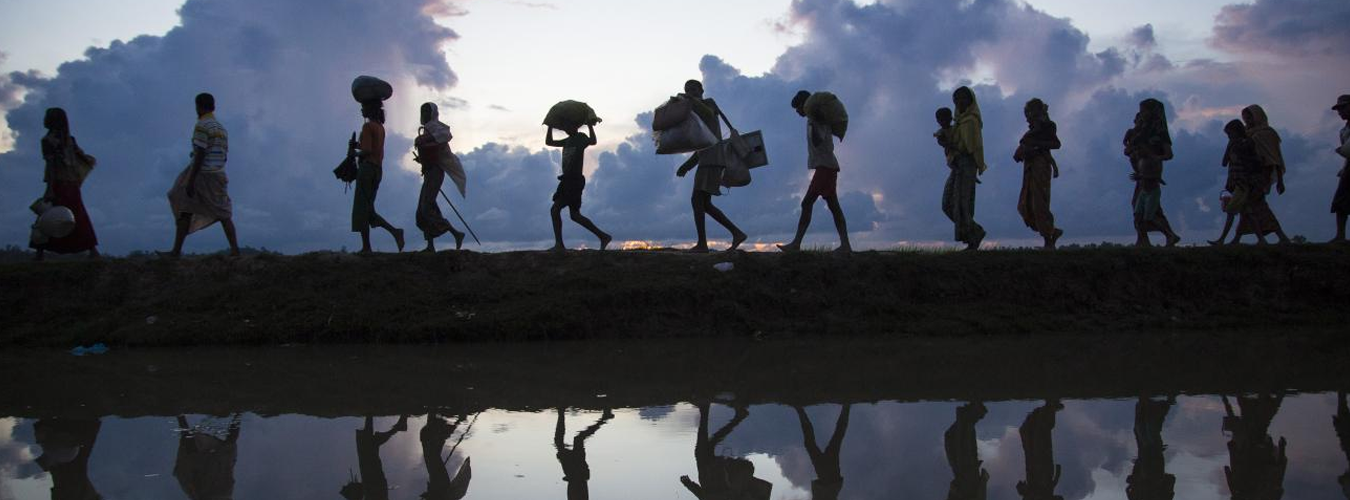
A group of migrants trek together in Tadjoura, Djibouti. Photo: IOM/Alexander Bee
This is according to a new report released today [5 July 2024] by UNHCR, the UN Refugee Agency, the International Organization for Migration (IOM) and the Mixed Migration Centre (MMC), titled “On this journey, no-one cares if you live or die”(Volume 2).
Only 19 per cent of the required funds for UNHCR’s refugee response have been received thus far, meaning that food rations have had to be “drastically cut”
(UN News)* — Millions of people have been forced out of Sudan as the brutal civil war continues to spread, including in Sinja Town, south of the capital Khartoum, where UN humanitarians reported on Tuesday [3 July 2024] that more than 55,000 people have already fled.
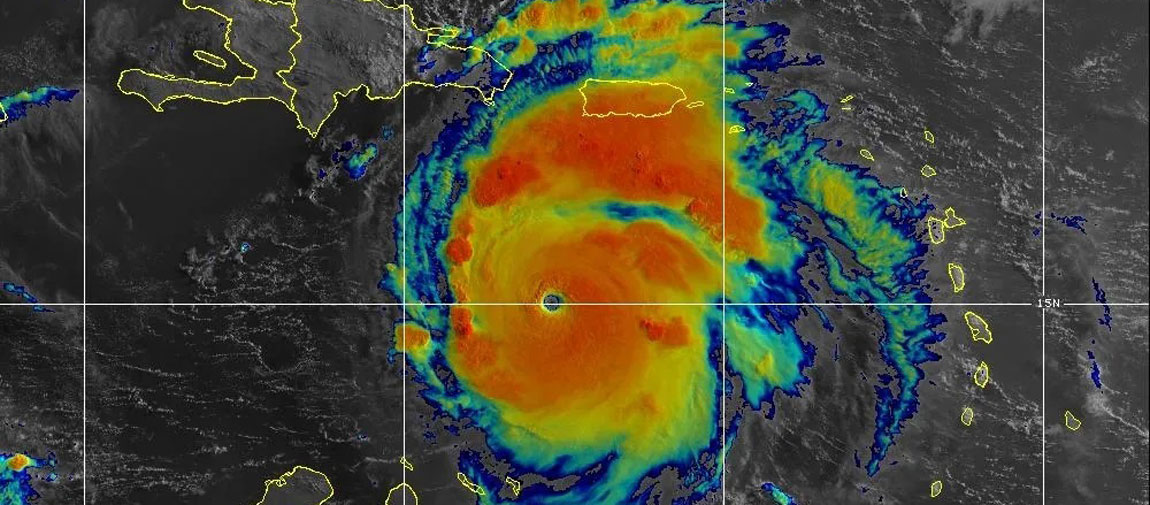
3 July 2024 (UN News)* — The United Nations has called for international solidarity with Grenada, the Saint Vincent and the Grenadines, and other Caribbean islands hit hard by Hurricane Beryl.
A Category 5 storm, Hurricane Beryl has claimed at least six lives as it barrels through the Caribbean Sea. Initial reports indicate severe damage to homes, infrastructure and power and communications.
The shocking cost of poor storage in the farms of developing countries — and careless shopping in rich ones.
.
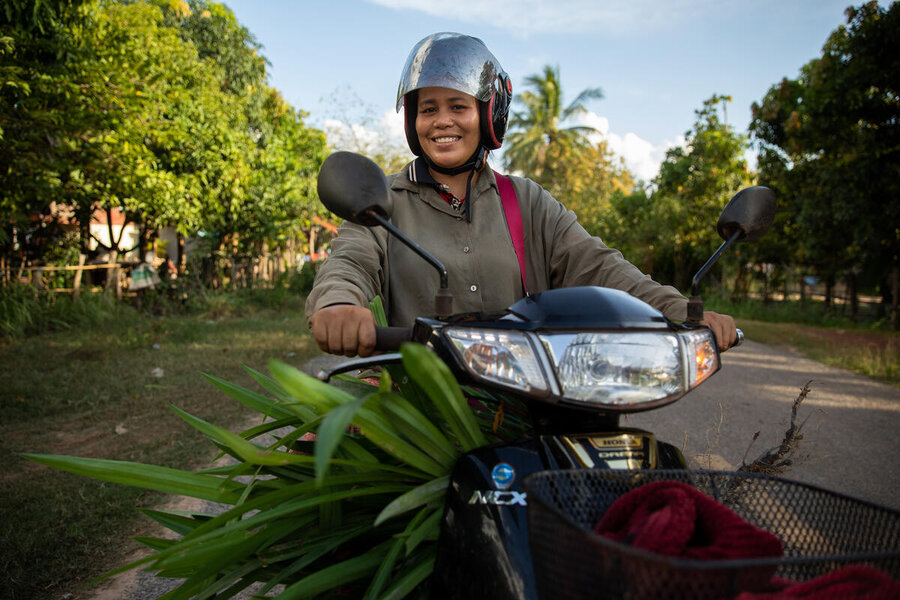
Sourcing school meals ingredients from local farmers like this one in Cambodia can help reduce food waste. Photo: WFP/Samantha Reinders
– Global hunger isn’t about a lack of food. Right now, the world produces enough food to nourish every child, woman and man on the planet.
But nearly a fifth of all food produced each year is squandered or lost before it can be consumed.
In many rich countries, this food waste happens in the kitchen — when we prepare foods that go uneaten, or leave food to spoil in fridges and kitchen cabinets.
This is a summary of what was said by Andrew Harper, UNHCR Special Advisor on Climate Action – to whom quoted text may be attributed – at today’s press briefing at the Palais des Nations in Geneva.
28 June 2024 (UNHCR)* — Devastating extreme weather events and natural disasters are shattering many refugee and other displaced communities worldwide, worsening their plight and in some cases forcing them to move onwards and start from zero once again.
This is what UNHCR, the UN Refugee Agency, has observed with a series of catastrophic floods, earthquakes, cyclones, storms and heatwaves afflicting refugee and internal displacement settings in Africa, the AmericasLink is external, Asia and beyond.
(UN News)* —“Conflict, climate chaos and upheaval” have forced more than 120 million people from their homes including 43.5 million who have fled across national borders said the UN Secretary-General in his message for World Refugee Day, marked on Thursday [20 ].
That’s a record number on the move – “fuelling profound human suffering”, António Guterres added, while at the same time honouring their strength and courage.
Drawing attention to the day each 20 June, is also about stepping up efforts to protect and support those forced from their homes “on every stop of their journey.”
(United Nations)* — Refugees need our solidarity now more than ever. Solidarity means keeping our doors open, celebrating their strengths and achievements, and reflecting on the challenges they face.
Solidarity with people forced to flee also means finding solutions to their plight – ending conflicts so they can return home in safety, ensuring they have opportunities to thrive in the communities that have welcomed them, and providing countries with the resources they need to include and support refugees.


 HUMAN WRONGS WATCH