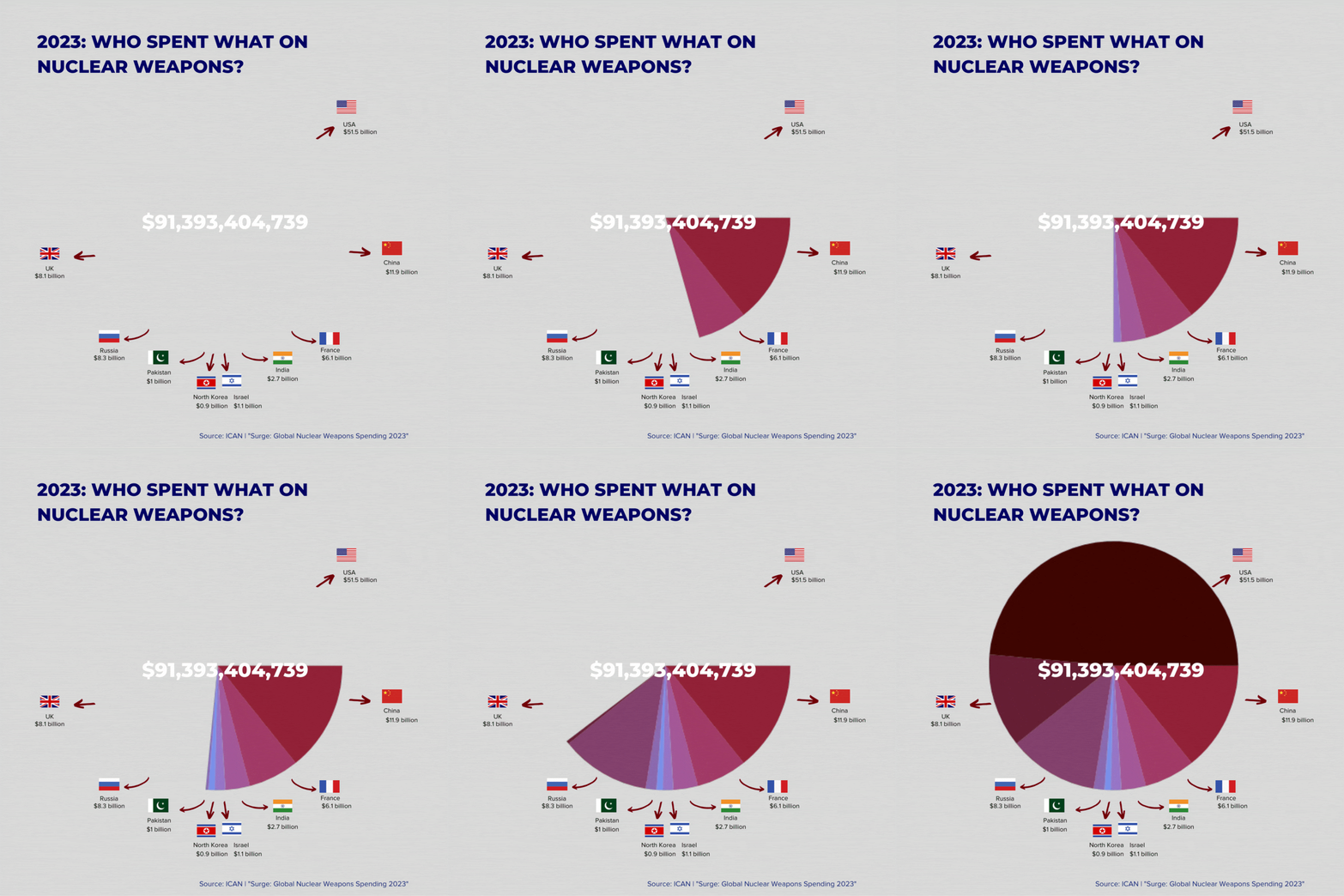
17 June 2024 — In 2023, the nine nuclear-armed states spent a combined total of $91,393,404,739 on their arsenals – equivalent to $2,898 a second. ICAN’s latest report “Surge: 2023 Global nuclear weapons spending” shows $10.7 billion more was spent on nuclear weapons in 2023 than in 2022.
KUALA LUMPUR, Malaysia, Jun 17 2024 (IPS)* –Since 2008, farmland acquisitions have doubled prices worldwide, squeezing family farmers and other poor rural communities. Such land grabs are worsening inequality, poverty, and food insecurity.
Squeezing land and farmers
A new IPES-Food report highlights land grabs (including for ostensibly ‘green’ purposes), the financial means used, and some significant implications.
Jomo Kwame Sundaram
Powerful governments, financiers, speculators, and agribusinesses are opportunistically gaining control of more cultivable land.
The report notes the 2007-08 food price spike and financial crash catalysed more land acquisitions.
Quantitative easing and financialization after the 2008 global financial crisis enabled even more land grabs. Investors, agri-food companies, and even sovereign wealth funds have obtained farmland worldwide.
Agribusinesses and other investors want land to make more profits, urging governments to enable takeovers. Cultivable land is being used for cash crops, natural resource extraction, mining, real property and infrastructure development, and ‘green’ projects, including biofuels.
Rome (IFAD)* -–In celebration of the International Day of Family Remittances (IDFR) on 16 June, the G20’s Global Partnership for Financial Inclusion (GPFI) has on 14 June 2024 unveiled a new report that provides evidence of the transformative impact of digital remittances, as a driver of financial inclusion and poverty reduction worldwide.
Despite persistent gender gaps, the hard-earned money sent back home by migrant workers remains a vital lifeline for over 800 million people, particularly for women and vulnerable populations.
Joanita and her husband live in two different countries to support their family and remittances sent back home have been a lifeline for them. Migrant workers sent US $669 billion back to their families in remittance-reliant countries in 2023. PHOTO:IOM/Maulana Iberahim
(United Nations)* — It is projected that by 2030 more than US$ 5 trillion will have been sent home by migrants to low- and middle-income countries (LMICs), with much of this money going directly to rural areas where 80 percent of the world’s poor live, facing food shortages and the impacts of climate change.
(UN News)* — As nearly 40 per cent of land across the planet is degraded with more acres lost every second, governments, businesses and communities must galvanize action to reverse the damage and protect Earth, the UN chief said in a strong message for the World Day to Combat Desertification and Drought, marked annually on 17 June.
“The security, prosperity and health of billions of people rely on thriving lands supporting lives, livelihoods and ecosystems, but we’re vandalising the Earth that sustains us.”
CARACAS, Jun 14 2024 (IPS)* –– Government and private initiatives and programmes to address the climate crisis in Latin America and the Caribbean are in fact a vast array of fake solutions, according to a new regional map made by environmental organisations in several of its countries.| En español
.
A map of fake solutions shows projects with climate-friendly intentions or appearances but with counterproductive social and environmental impacts. Indigenous communities are one of the most affected population sectors. Credit: Platform for Climate Justice
Brussels (IOM)* — The International Organization for Migration (IOM) on 14 June 2024 launched two new reports on Belgium’s remittances landscape and the impact of high transaction costs on remittance flows and development outcomes for 21 countries.
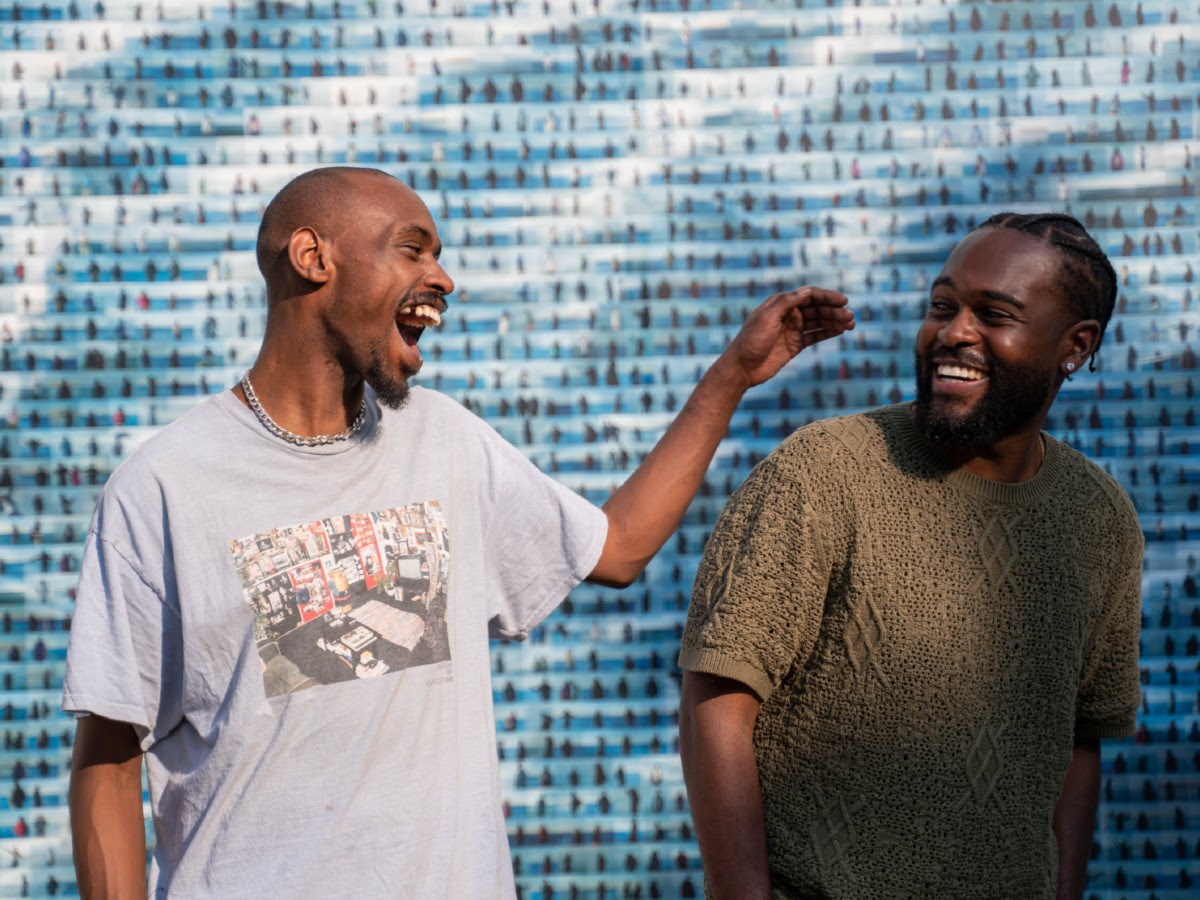
Kriticos who is originally from Zambia and Tanzania and Jason from Rwanda are two of the many diaspora members who have embraced a new life in Belgium as well as their roots. Photo: IOM/Moayad Zaghdani
In Belgium, where one third of the population has a migrant background, over USD 7 billion (EUR 6.5 billion) in remittances were sent in 2023, but the costs of sending are high.
UNHCR warns against apathy and inaction amid spike in forced displacement.
GENEVA, 13 June 2024 (UNHCR)* — Overall numbers rise to 120 million by May 2024; conflicts from Sudan to Gaza and Myanmar are creating new displacement and urgently require resolution.
Forced displacement surged to historic new levels across the globe last year and this, according to the 2024 flagship Global Trends Report from UNHCR, the UN Refugee Agency.
The rise in overall forced displacement – to 120 million by May 2024 – was the 12th consecutive annual increase and reflects both new and mutating conflicts and a failure to resolve long-standing crises.
The figure would make the global displaced population equivalent to the 12th largest country in the world, around the size of Japan’s.
KARACHI, Jun 12 2024 (IPS)* –A dark head emerges, followed by the torso. The balding man heaves himself up, hands on the sides of the manhole, as he is helped by two men. Gasping for breath, the man, who seems to be in his late 40s, sits on the edge, wearing just a pair of dark pants, the same color as the putrid swirling water he comes out from.
.
A sewer worker who is popularly known as Mithoo emerges from the sewer. Credit: Zofeen T. Ebrahim/IPS
This is an all-too-familiar sight in Karachi, with its over 20 million residents producing 475 million gallons per day(MGD) of wastewater going into decades-old crumbling sewerage-systems.







 HUMAN WRONGS WATCH