This is a summary of what was said by UNHCR spokesperson Alpha Seydi Ba – to whom quoted text may be attributed – at 7 June 2024’s press briefing at the Palais des Nations in Geneva.
GENEVA – (UNHCR)* — UNHCR, the UN Refugee Agency, is deeply concerned about the fast-growing humanitarian crisis in the Sahel Region.
In the Central Sahel countries of Burkina Faso, Mali and Niger, over 3.3 million people are forcibly displaced due to relentless conflict, exacerbated by the worsening effects of the climate crisis, according to April 2024 data. This staggering forced displacement of civilians demands immediate international action to prevent it worsening.
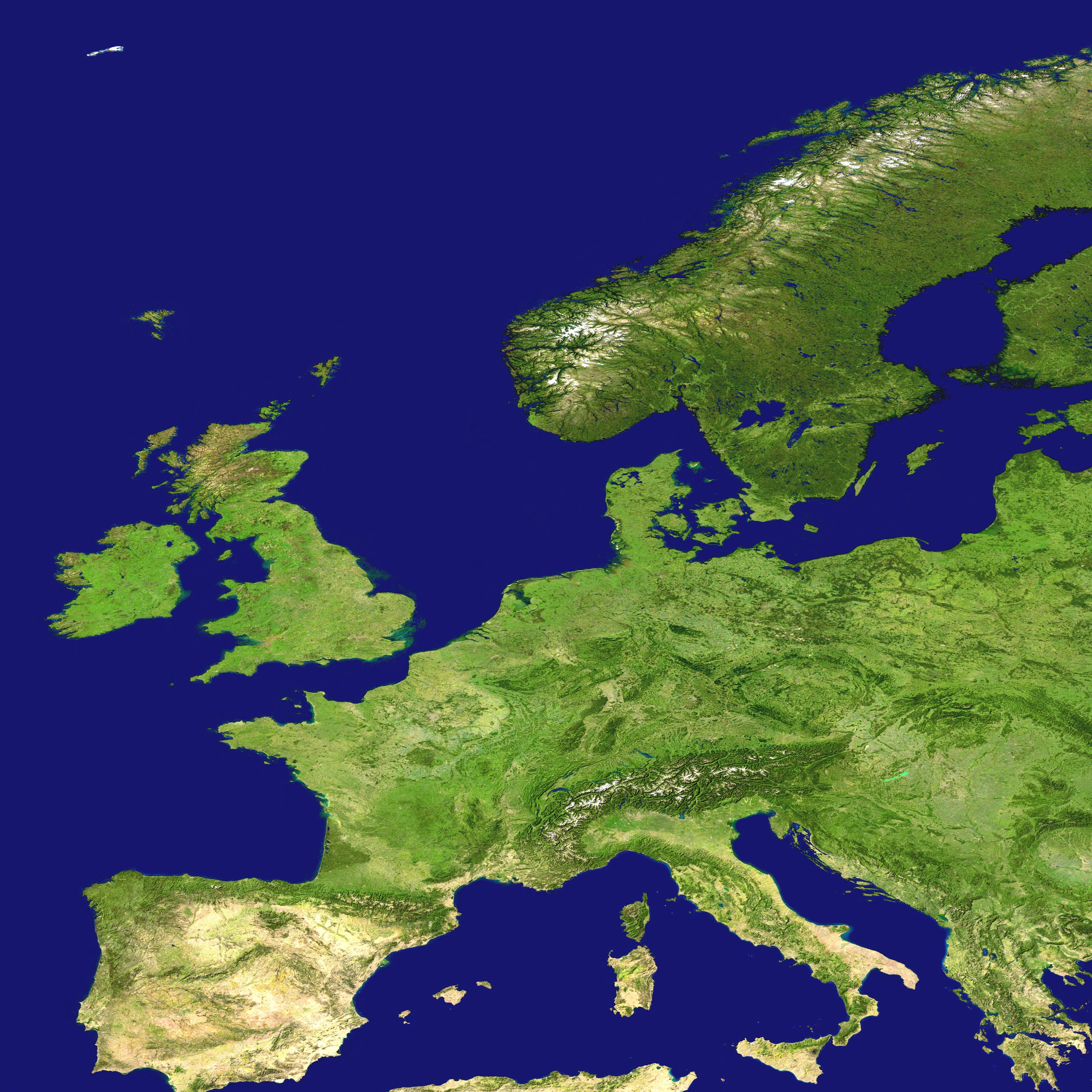
Europe’s agriculture industry is exploiting the at least 2.4 million migrants who harvest Europe’s fruits and vegetables. This is according to a new report published on 4 June 2024 by the University of Comillas and Oxfam researchers titled “Essential but invisible and exploited.”
Children experiencing this level of food poverty are up to 50 per cent more likely to suffer from life-threatening malnutrition, new analysis finds.
UN0517643
NEW YORK, 6 June 2024 (UNICEF)* -–Around 181 million children worldwide under 5 years of age – or 1 in 4 – are experiencing severe child food poverty, making them up to 50 per cent more likely to experience wasting, a life-threatening form of malnutrition, a new UNICEF report reveals today.
Port Sudan, 6 June 2024 (IOM)* – The International Organization for Migration (IOM) is warning that the number of people displaced by conflict inside Sudan could top 10 million in the coming days. The world’s worst internal displacement crisis continues to escalate, with looming famine and disease adding to the havoc wrought by conflict.
Hafsa, a mother of four, fled her home in Khartoum when conflict erupted. Now displaced in Gedaref, she faces an uncertain future. Photo: IOM Sudan 2024/Omer Tariq
IOM’s Displacement Tracking Matrix, which issues weekly statistics, recorded 9.9 million people internally displaced across all 18 states in Sudan this week – 2.8 million prior to the April 2023 war, and 7.1 million since. More than half of all internally displaced persons (IDPs) are women, and over a quarter are children under the age of five.
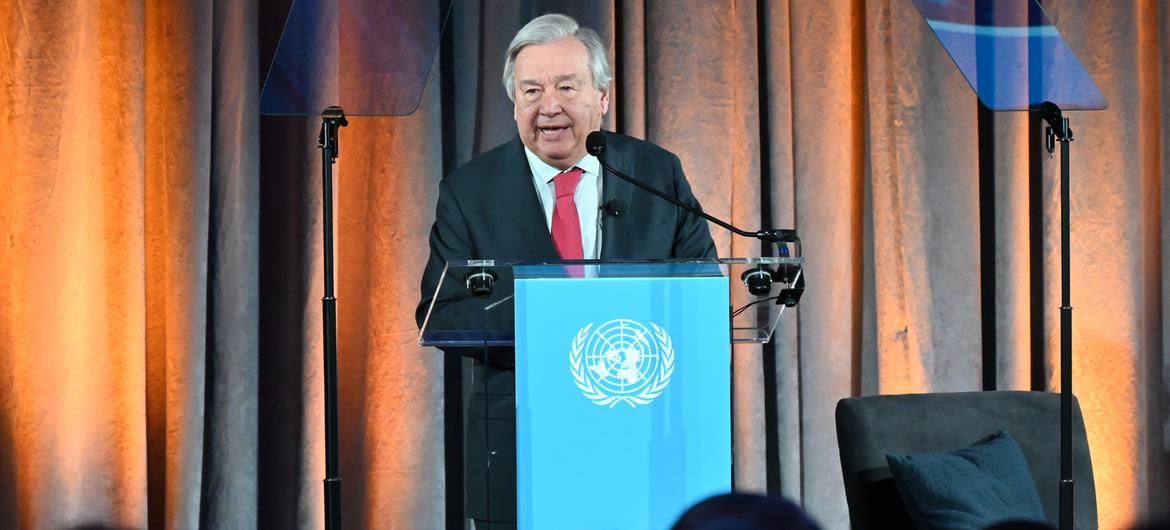
(UN News)* — “It’s climate crunch time” when it comes to tackling rising carbon emissions the UN Secretary-General said on Wednesday [], stressing that while the need for global action is unprecedented, so too are the opportunities for prosperity and sustainable development.
Play video
United Nations | UN Secretary-General António Guterres delivers his special address on climate action from the American Museum of Natural History in New York.
Choosing the iconic Family Hall of Ocean Life at the American Museum of Natural History in New York to deliver his impassioned plea to grasp the solutions at hand, António Guterres warned that we stand at “a moment of truth”.
“In the case of climate, we are not the dinosaurs. We are the meteor. We are not only in danger – we are the danger. But we are also the solution.”
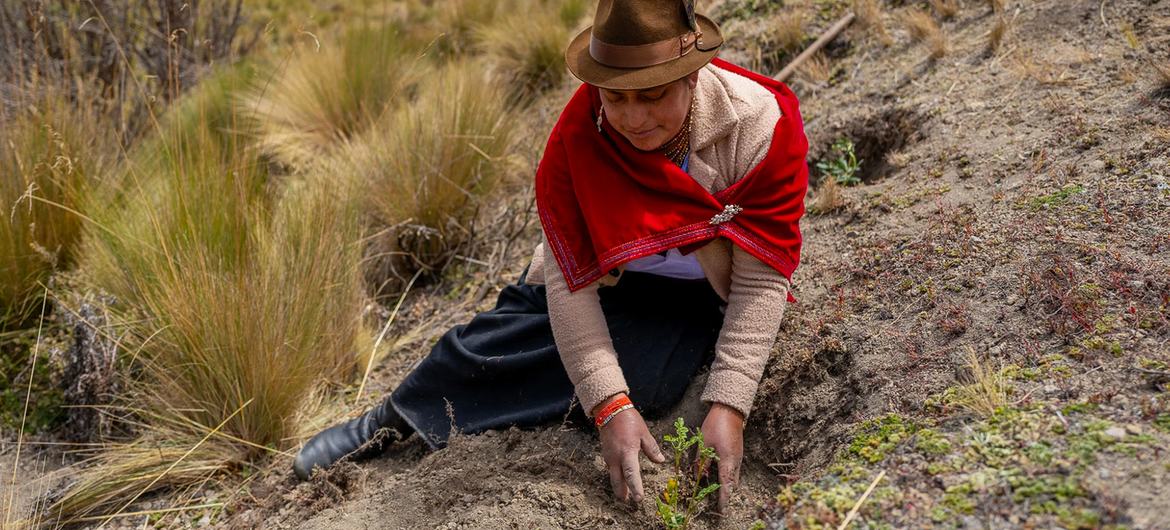
5 June 2024 (United Nations)* —All over the world, ecosystems are threatened. From forests and drylands to farmlands and lakes, natural spaces on which humanity’s existence depends are reaching a tipping point.
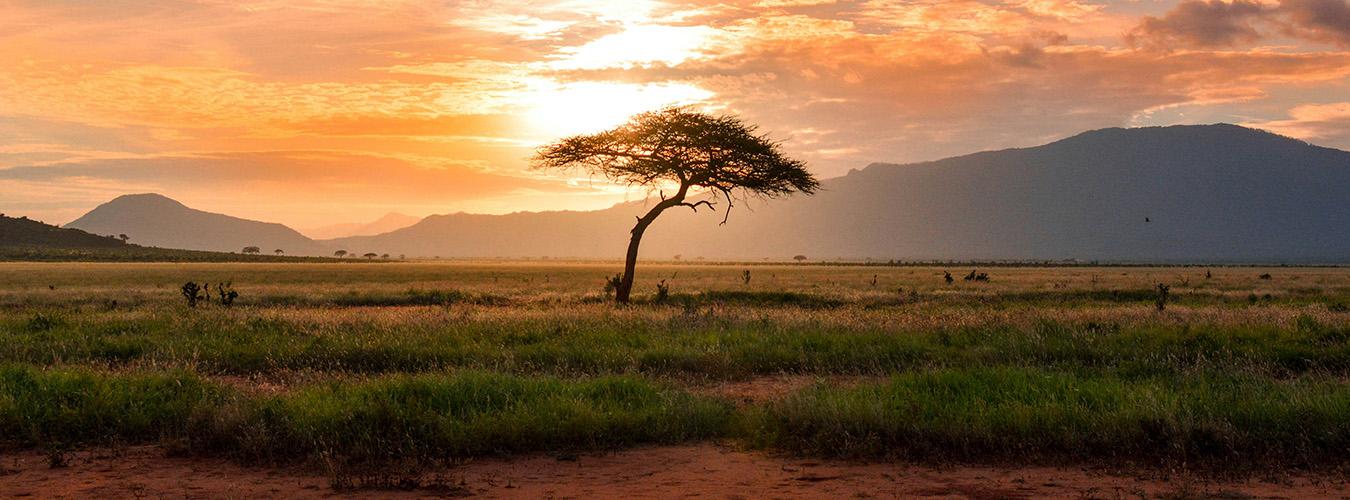
Grasslands, shrublands and savannahs cover approximately half of the world’s terrestrial surface. Distributed from Eurasia and Patagonia to Africa and Australia they are home to millions of people. PHOTO:Damian Patkowski/Unsplash
According to the UN Convention to Combat Desertification, up to 40 per cent of the planet’s land is degraded, directly affecting half of the world’s population. The number and duration of droughts has increased by 29 per cent since 2000 – without urgent action, droughts may affect over three-quarters of the world’s population by 2050.
4 June 2024 (UNEP)* —The world is warming at arecord pace, with unseasonable heat baking nearly every continent on Earth. April, the last month for which statistics are available, marked the 11th consecutive month the planet has set a new temperature high.
Photo: PSI/Science Photo Library via AFP
Experts say that is a clear sign the Earth’s climate is rapidly changing. But many believe – or at least say they believe – that climate change is not real, relying on a series of well-trodden myths to make their point.
(UN News)* — The UN Secretary-General has called for safeguarding Earth’s vital ecosystems from rampant pollution, worsening climate impacts and “biodiversity decimation”.
In a message marking 5 June 2024’s World Environment Day, António Guterres emphasized that countries “must deliver” on all their commitments to restore degraded ecosystems and land, and on Kunming-Montreal Biodiversity Framework, the global agreement to protect biodiversity.
ROME, Jun 4 2024 (IPS)* – Kaponde Likando does not know how his family will survive until the next farming season. “We are not going to have anything (to harvest),” said the 60-year-old from Chingobe village in southern Zambia after his maize, sorghum, groundnut and sweet potato crops failed. “This has been the very opposite of what we expected.”
.
In Uvira, eastern Congo, Lake Tanganyika waters have risen so high that the town is flooded. People have been forced to move from their homes, and fields and houses have been destroyed. An estimated 180,000 people have been affected, and over 142,000 people have been displaced. 4,500 homes, 53 schools, and over 124 hectares of farmland were destroyed. Credit: WFP/Benjamin Anguandia
He is among 9.8 million people in Zambia to have been affected by a severe drought linked to the ongoing effects of the El Niño weather phenomenon.





 HUMAN WRONGS WATCH