UNITED NATIONS, Oct 31 2025 (IPS)* – The lingering after-effects of nuclear tests by the world’s nuclear powers have left a devastating impact on hundreds and thousands of victims world-wide.
.
The first USSR nuclear test “Joe 1” at Semipalatinsk, Kazakhstan, 29 August 1949. Credit: CTBTO
The history of nuclear testing, according to the United Nations, began 16 July 1945 at a desert test site in Alamogordo, New Mexico when the United States exploded its first atomic bomb.
Geneva, 29 October 2025– WHO and global partners are calling for the protection of people’s health to be recognized as the most powerful driver of climate action, as a new global report released on 29 October 2025 warns that continued overreliance on fossil fuels and failure to adapt to a heating world are already having a devastating toll on human health. WHO / Nitsebiho Asrat
The 2025 report of the Lancet Countdown on Health and Climate Change, produced in collaboration with the World Health Organization (WHO), finds that 12 of 20 key indicators tracking health threats have reached record levels, showing how climate inaction is costing lives, straining health systems, and undermining economies.
(UN News)* — The world of work is undergoing rapid and destabilising change, with widening inequality and job insecurity leaving millions without stable livelihoods or basic protections.
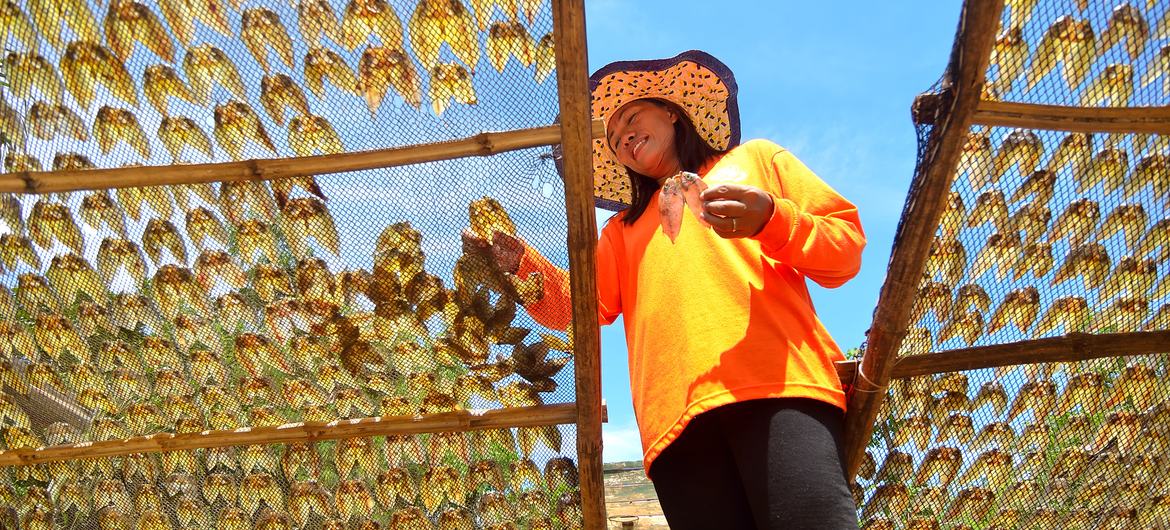
ESCAP/Anthony Into | On Santiago Island in Bolinao, Philippines, a woman tends to sun-dried rabbitfish (‘danggit’), a livelihood that supports many households.
That is the warning outlined in a new assessment released on Friday by the UN International Labour Organization (ILO), which urges governments, employers and labour organizations to put dignity and workers’ rights at the centre of economic decision-making.
BULAWAYO & BANGKOK, Oct 31 2025 (IPS)* – From the streets of Bangkok to power corridors in Washington, the civil society space for dissent is fast shrinking.
Mandeep Tiwana, Secretary General, CIVICUS Global Alliance. Credit: CIVICUS
Authoritarian regimes are silencing opposition but indirectly fueling corruption and widening inequality, according to a leading global civil society alliance.
The warning is from Mandeep Tiwana, Secretary General of CIVICUSGlobal Alliance, who points to a troubling trend: civil society is increasingly considered a threat to those in power.
That is a sobering assessment from CIVICUS, which reports that a wave of repression by authoritarian regimes is directly fueling corruption and exploding inequality.
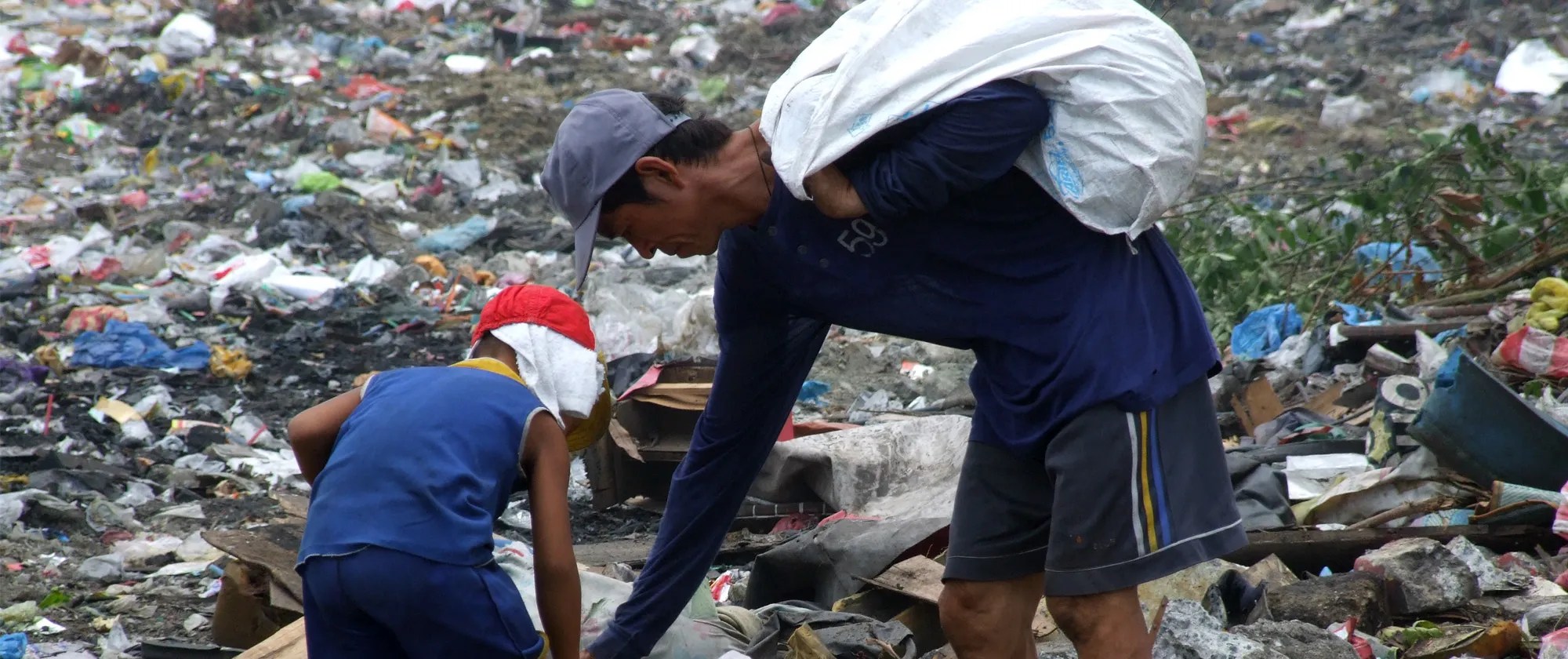
Waste collectors and informal economy workers navigate daily risks and hardships, making social protection an essential lifeline during crises, emergencies and economic shocks in the Philippines.
.
MANILA, 29 October 2025 – Danger was a childhood companion for Mark Angelo Jacob. At just 12 years old, while trying to stay in school, he began scavenging at the Payatas dumpsite in Quezon City, Philippines. Child labour shaped his early years living and working in the dumpsite.
UNITED NATIONS, Oct 31 2025 (IPS)* – The United States, the largest single contributor to the UN budget, is using its financial clout to threaten the United Nations by cutting off funds and withdrawing from several UN agencies.
Credit: UN Photo/Loey Felipe
In an interview with Breitbart News U.S. Representative to the United Nations, Ambassador Mike Waltz said last week “a quarter of everything the UN does, the United States pays for”.
“Is there money being well spent? I’d say right now, no, because it’s being spent on all of these other woke projects, rather than what it was originally intended to do, what President Trump wants it to do, and what I want it to do, which is focus on peace.”
Women in the health and care sector face a larger gender pay gap than in other economic sectors, earning on average 24 per cent less than their male peers. PHOTO:ILO
The care economy
Care work, both paid and unpaid, is crucial to the future of decent work.
Growing populations, ageing societies, changing families, women’s secondary status in labour markets and shortcomings in social policies demand urgent action on the organization of care work from governments, employers, trade unions and individual citizens.
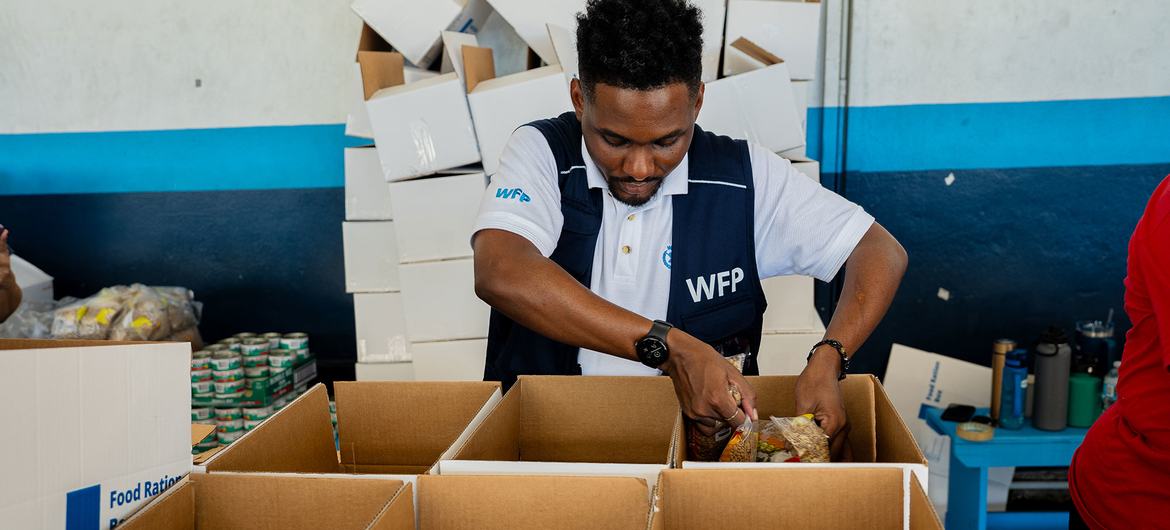
As Hurricane Melissa moved north of Jamaica on Wednesday, the head of the UN team there said that preliminary damage assessments from the category 5 storm showed a level of devastation “never seen before” on the Caribbean island.
As Hurricane Melissa moved north of Jamaica on Wednesday, the head of the UN team there said that preliminary damage assessments from the category 5 storm showed a level of devastation “never seen before” on the Caribbean island.
Achieving gender equality and empowering women is not only the right thing to do but is a critical ingredient in the fight against extreme poverty, hunger and climate change.
Women engaged in wage employment in agriculture earn 82 cents for every dollar that men earn, according to a recent FAO report. PHOTO:Sasint/Adobe Stock
Rivers cut by dams, farmland expansion and urban growth are putting food, water, biodiversity and livelihoods at risk unless urgent action is taken.
Bonn/Abu Dhabi, – Nearly one-third of the Earth’s land surface has already been profoundly transformed by human activity, leaving ecosystems degraded and fragmented, according to the Global Land Outlook Thematic Report on Ecological Connectivity and Land Restoration, launched on 11 October 2025 at the International Union for Conservation of Nature (IUCN) World Conservation Congress in Abu Dhabi.







 HUMAN WRONGS WATCH