(UN News)* —More than eight per cent of the world population or around 673 million people are not getting enough to eat and going hungry, according to the UN.
Conflict, climate change and inequality are all playing a role, but there are other reasons for what is known rather dryly as “food insecurity.”
Ahead of World Food Day on 16 October, here are five things you need to know about why even though there’s enough food to feed the global population of over eight billion – people still go hungry.
Armed conflicts, such as those in Ukraine, Sudan and Gaza, disrupt food production, supply chains, and access to markets. This leads to the displacement of people, creating acute food insecurity for millions.
Rivers cut by dams, farmland expansion and urban growth are putting food, water, biodiversity and livelihoods at risk unless urgent action is taken.
.
Bonn/Abu Dhabi, 11 October 2025 – Nearly one-third of the Earth’s land surface has already been profoundly transformed by human activity, leaving ecosystems degraded and fragmented, according to the Global Land Outlook Thematic Report on Ecological Connectivity and Land Restoration, launched on 11 October 202 at the International Union for Conservation of Nature (IUCN) World Conservation Congress in Abu Dhabi.
(UN News)* — Millions of Haitians are facing food insecurity as armed groups continue to expand their territorial control around the country, the latest internationally-recognised IPC hunger report found.
In its recent analysis, the IPC, a UN-backed index measuring hunger and malnutrition in global hotspots, found that 5.7 million Haitians are facing a deteriorating food security situation.
The study provides an analysis for the period of September 2025 until February 2026 and a projection for March until June of next year.
Nearly two-thirds of climate finance was made as loans, often at standard rates of interest without concessions, research by Oxfam and CARE Climate Justice Centre has found.
Oxfam and CARE Climate Justice Centre argue that wealthy nations are profiteering through climate finance loans. Credit: CARE Climate Justice Center
THE HAGUE, Netherlands , Oct 8 2025 (IPS)* – New research by Oxfam and the CARE Climate Justice Centre finds developing countries are now paying more back to wealthy nations for climate finance loans than they receive—for every USD 5 they receive, they are paying USD 7 back, and 65 percent of funding is delivered in the form of loans.
This form of crisis profiteering by rich countries is worsening debt burdens and hindering climate action.
(UN News)* —Nuriya Maharjan first became interested in space exploration during a traditional coming-of-age ritual in which young girls of Nepal’s Indigenous Newar tribe emerge from 12 days of darkness to symbolically marry the sun.
Now 18, she’s involved in aerospace projects with other young women through the Shakthi SAT initiative and she’s keen to explore the intersection between computer engineering and science, particularly artificial intelligence (AI), autonomous robotics and embedded systems that control satellites, drones and rockets.
Shaped through consultations with girls organizations, UN partners and, most importantly, girls themselves, the 2025 International Day of the Girl theme is ‘The girl I am, the change I lead: Girls on the frontlines of crisis’.
.
Girls are leaders. Girls are change-makers. Girls are driving good and growth around the world. | PHOTO:ⓒUNFPA Bangladesh / Ferdous Alka
All around the world, girls are stepping up to meet today’s biggest challenges. They are organizing in their communities, fighting for climate justice, demanding an end to violence and reimagining their futures.
Girls are asking to be seen not only for the challenges they face, but for who they are and the solutions they bring. Yet, too often, their voices go unheard, their actions ignored, their needs and rights pushed aside.
PORT-AU-PRINCE, Haiti – The United Nations World Food Programme (WFP) on warned that rising violence by armed groups in Haiti’s capital is restricting humanitarian access and pushing families deeper into hunger as extreme funding shortfalls force WFP to slash rations and suspend programmes.
Photo from WFP
Reports indicate that armed groups now control nearly 90 percent of Port-au-Prince. As a result, more farmers are cut off from markets, further straining already fragile food systems and pushing food prices even higher with devastating consequences for food insecure families.
A staggering 1.3 million people have been forced to flee their homes in search of food and shelter.
(UN News and the UN)* — Member States, UN officials and civil society came together on Wednesday [1 October 2025] to shift the global perspective on ageing, with a call for new policies and action that bring older persons in from the margins of society.
UNFPA | Two elderly people in Indonesia play with a child.
.
“Every older person has the right to age with dignity security and access to opportunities that enrich their lives,” said one of the key organisers of the International Day of Older Persons, Arjanita Elezaj.
“These are not privileges, they are human rights,” she told a meeting at UN Headquarters to commemorate the day, where key issues such as boosting opportunities for older persons to take part in civic and cultural life were debated, along with healthcare and housing.
Tweet URL“These are not privileges, they are human rights,” she told a meeting at UN Headquarters to commemorate the day, where key issues such as boosting opportunities for older persons to take part in civic and cultural life were debated, along with healthcare and housing.
18 September 2025 —The water cycle has become increasingly erratic and extreme, swinging between deluge and drought, according to a new report from the World Meteorological Organization (WMO). It highlights the cascading impacts of too much or too little water on economies and society.
The State of Global Water Resources report says only about one-third of the global river basins had “normal” conditions in 2024. The rest were either above or below normal – the sixth consecutive year of clear imbalance.
2024 was the third straight year with widespread glacier loss across all regions.
LONDON, Sep 26 2025 (IPS)** ––As the high-level opening week of the UN General Assembly unfolds, with heads of states delivering often self-serving speeches from the UN’s podium, the organisation is undergoing one of its worst set of crises since its founding 80 years ago.
.
A view of the podium and the United Nations emblem in the General Assembly Hall. Credit: UN Photo/Loey Felipe
This year’s General Assembly – ostensibly focused on development, human rights and peace – comes as wars are raging across multiple continents, climate targets are dangerously being missed and the institution designed to address these global challenges is being hollowed out by funding cuts and political withdrawals.
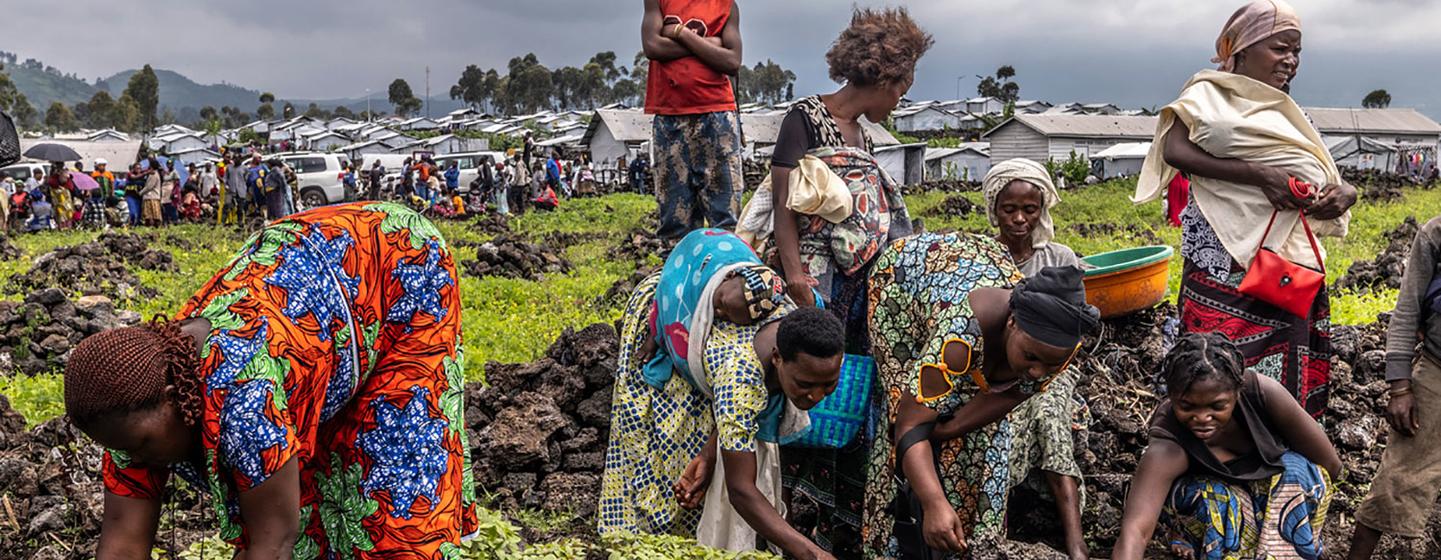

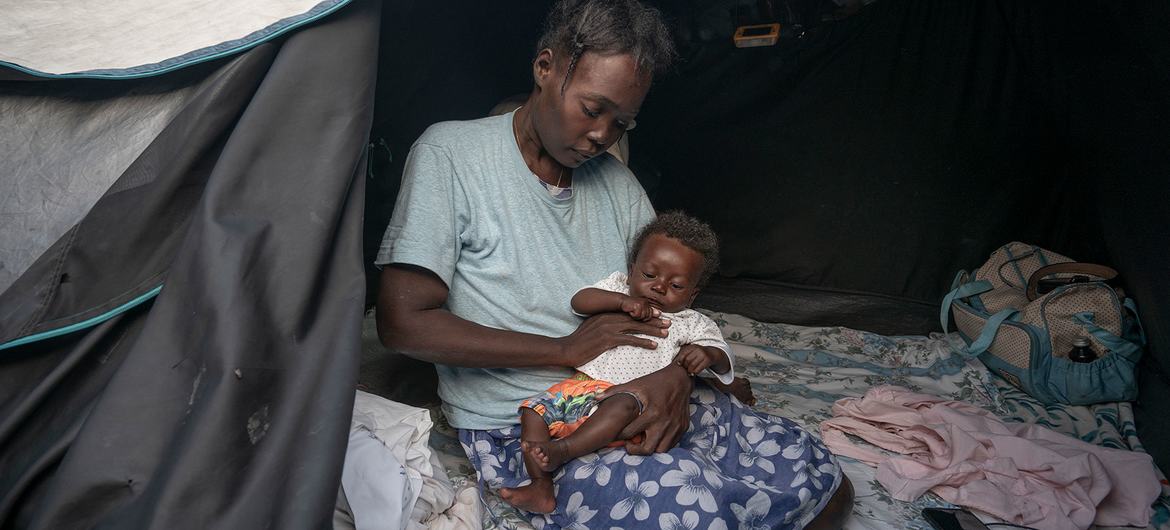


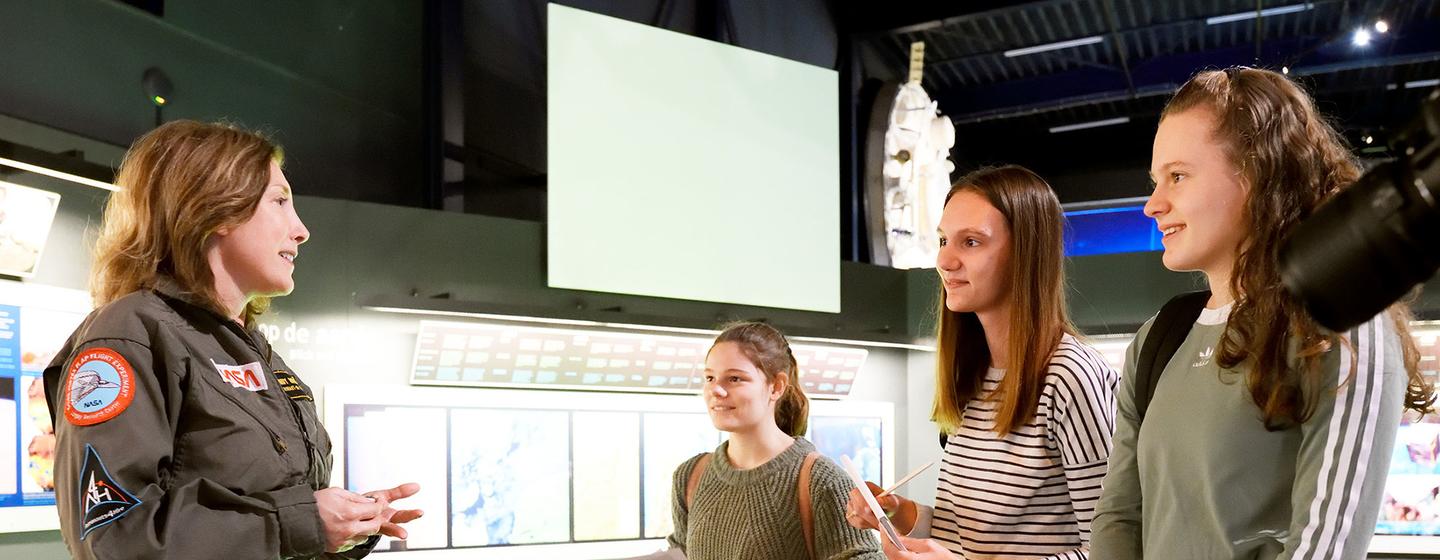

 Photo from WFP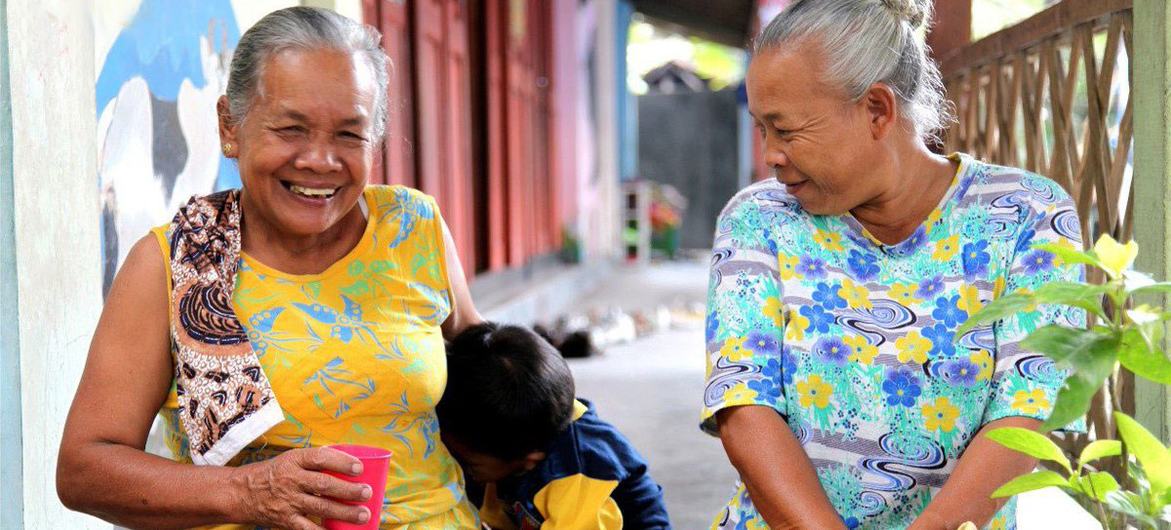


 HUMAN WRONGS WATCH