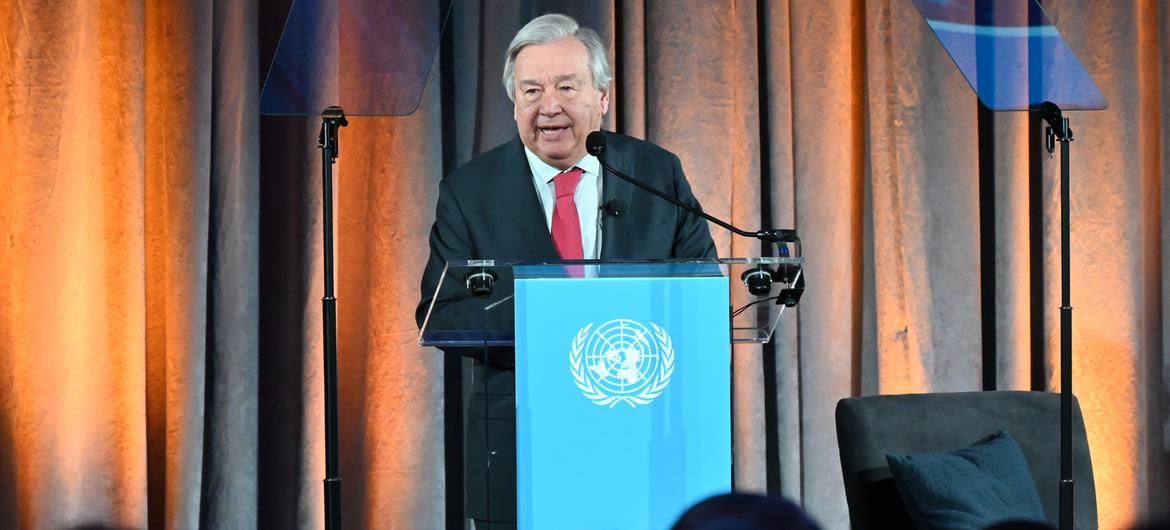
(UN News)* — “It’s climate crunch time” when it comes to tackling rising carbon emissions the UN Secretary-General said on Wednesday [], stressing that while the need for global action is unprecedented, so too are the opportunities for prosperity and sustainable development.
Play video
United Nations | UN Secretary-General António Guterres delivers his special address on climate action from the American Museum of Natural History in New York.
Choosing the iconic Family Hall of Ocean Life at the American Museum of Natural History in New York to deliver his impassioned plea to grasp the solutions at hand, António Guterres warned that we stand at “a moment of truth”.
“In the case of climate, we are not the dinosaurs. We are the meteor. We are not only in danger – we are the danger. But we are also the solution.”
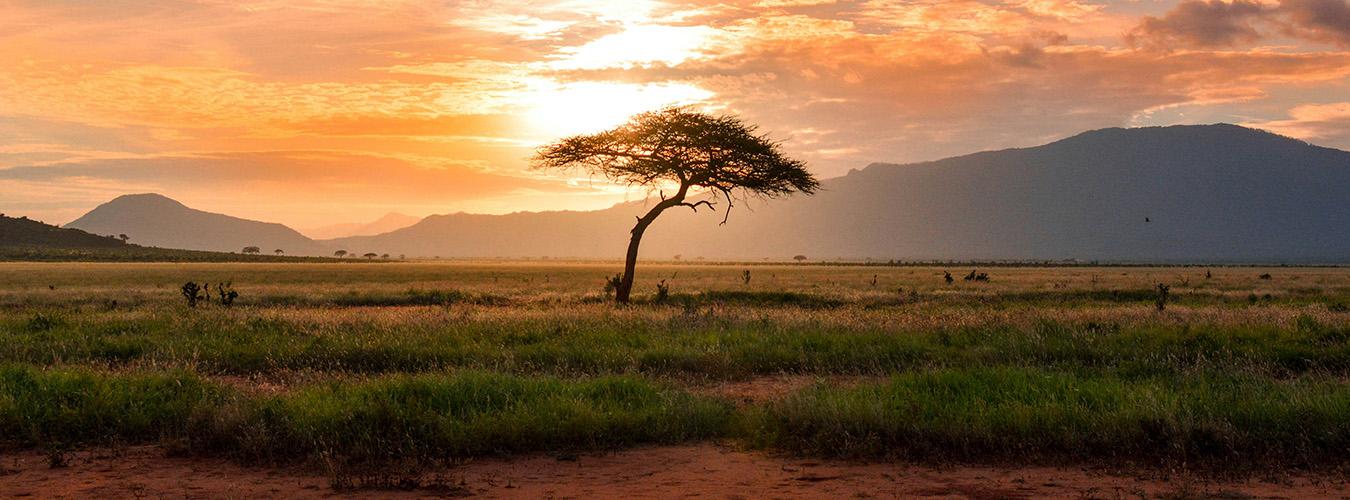
5 June 2024 (United Nations)* —All over the world, ecosystems are threatened. From forests and drylands to farmlands and lakes, natural spaces on which humanity’s existence depends are reaching a tipping point.
Grasslands, shrublands and savannahs cover approximately half of the world’s terrestrial surface. Distributed from Eurasia and Patagonia to Africa and Australia they are home to millions of people. PHOTO:Damian Patkowski/Unsplash
According to the UN Convention to Combat Desertification, up to 40 per cent of the planet’s land is degraded, directly affecting half of the world’s population. The number and duration of droughts has increased by 29 per cent since 2000 – without urgent action, droughts may affect over three-quarters of the world’s population by 2050.
4 June 2024 (UNEP)* —The world is warming at arecord pace, with unseasonable heat baking nearly every continent on Earth. April, the last month for which statistics are available, marked the 11th consecutive month the planet has set a new temperature high.
Photo: PSI/Science Photo Library via AFP
Experts say that is a clear sign the Earth’s climate is rapidly changing. But many believe – or at least say they believe – that climate change is not real, relying on a series of well-trodden myths to make their point.
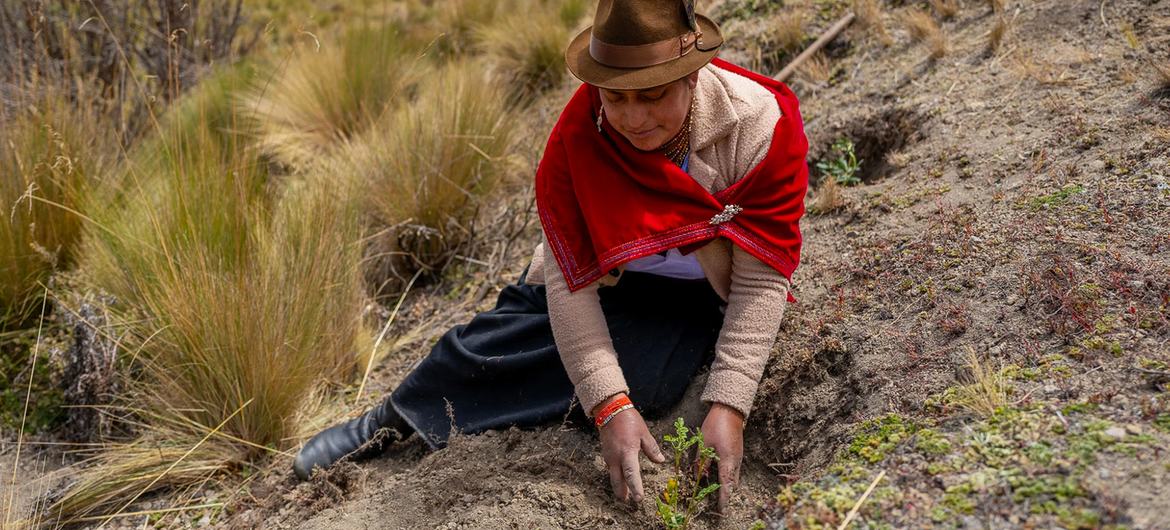
(UN News)* — The UN Secretary-General has called for safeguarding Earth’s vital ecosystems from rampant pollution, worsening climate impacts and “biodiversity decimation”.
In a message marking 5 June 2024’s World Environment Day, António Guterres emphasized that countries “must deliver” on all their commitments to restore degraded ecosystems and land, and on Kunming-Montreal Biodiversity Framework, the global agreement to protect biodiversity.
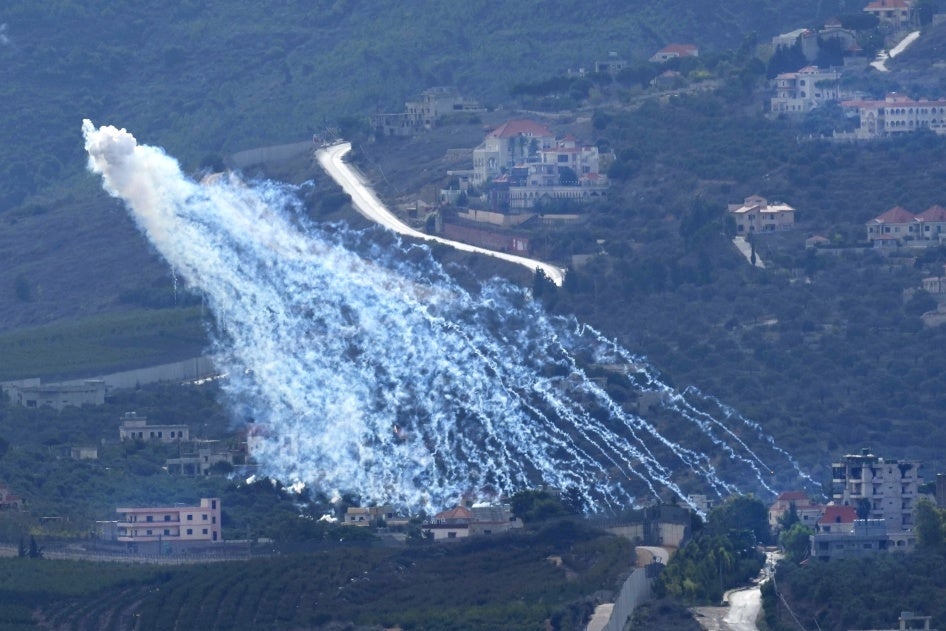
(Beirut) – Israel’s widespread use of white phosphorus in south Lebanon is putting civilians at grave risk and contributing to civilian displacement, Human Rights Watch on 5 June 2024 said.
UNITED NATIONS, Jun 5 2024 (IPS)* –The Biden administration, which is frantically attempting to finalize a shaky peace agreement between Israel and Hamas, is being stymied by at least two far right-wing politicians in Netanyahu’s cabinet—Foreign Minister Bezalel Smotrich and National Security Minister Itamar Ben Gvir—and also by the Israeli Prime Minister himself who wants to totally eradicate Hamas before he agrees to a cease-fire.
.
Destruction in Gaza Strip. Credit: UNICEF/Hassan Islyeh
But peace or no peace, the charges against Israel, including genocide, war crimes, starvation as a weapon of war, and the destruction of homes, hospitals, schools, universities, mosques, and churches, will continue to linger.
(UN News)* —Violence in the occupied West Bank linked to the war in Gaza passed a deadly milestone with more than 500 Palestinians killed since 7 October, UN High Commissioner for Human Rights chief Volker Türk said on Tuesday [].
Two of the latest fatalities were 16-year-old Ahmed Ashraf Hamidat and 17-year-old Mohammed Musa Al Bitar, both shot “at a distance of about 70 metres while running away after throwing stones and/or Molotov cocktails towards a[n Israeli] military post outside a settlement near Aqabat Jaber, CCTV footage shows”, said the High Commissioner’s Office, OHCHR.
(UN News)* — Aid corridors in southern Gaza must be fully opened to allow the entry of food, fuel and other desperately needed relief items, a senior official with the World Food Programme (WFP) said on .
Matthew Hollingsworth, WFP Country Director in Palestine, warned that with limited access to the south “we will no doubt see what we saw happen in the north in the first months of the war”.
Mr. Hollingsworth recently spent 10 days in Gaza. Speaking from Jerusalem, he told journalists in New York that people in the enclave “really are at their wits’ end”.
A horrific ‘exodus’
He said the “exodus” from Rafah over the past 20 days “has been an awesome and horrific experience for many, many people.”
West Coast, Yemen. 31 May 2024 (IOM)*– In her coastal home in Mokha, Zahara diligently tends to the cooking. As the head of the household, her days are bustling with chores. Dressed in vibrant traditional attire, she checks on the food and ensures the children are cared for. Given her serene demeanour, it’s easy to overlook the challenges she faces.
.
.
.
.
Zahara, the head of her household, stands proudly in front of her shelter, surrounded by her family. Photo: IOM/Monica Chiriac. Photo: IOM/Monica Chiriac
She cares for her husband whose health is frail and ensures that every member of her extended family is well-fed and content. She feels that she owes them for the support they provided seven years ago when her family was forced to flee the turmoil of conflict in her home district of At Tuhayta.
GENEVA/NEW YORK/ROME (UNICEF)* —Three United Nations agencies on 30 May 2024 issued a stark warning that all indications point to a significant deterioration of the nutrition situation for children and mothers in war-torn Sudan.
UNICEF/UNI426052/Dejongh
The lives of Sudan’s children are at stake and urgent action is needed to protect an entire generation from malnutrition, disease and death.
A recent analysis conducted by the UN Children’s Fund (UNICEF), UN World Food Programme (WFP) and World Health Organization (WHO) highlights that the ongoing hostilities are worsening the drivers of child malnutrition.




 HUMAN WRONGS WATCH