IOM Calls for International Support as Yemen Faces Deadly Flooding.
IOM supports communities in Yemen with relief, shelter, and essential services during emergencies. Photo: IOM/Haithm Abdulbaqi
Aden, 28 August 2025 (IOM)* –Since early August, torrential rains and violent windstorms have devastated communities across Yemen, destroying homes, sweeping away livelihoods, and displacing thousands of families already living in precarious conditions.
MONTEVIDEO, Uruguay, Aug 28 2025 (IPS)** –– On 7 August, the Inter-American Court of Human Rights delivered a groundbreaking decision that could transform women’s lives across the Americas.
.
Credit: Corte IDH/Twitter
For the first time in international law, an international tribunal recognised care as an autonomous human right.
Advisory Opinion 31/25, issued in response to a request from Argentina, elevates care – long invisible and relegated to the private sphere – to the level of a universal enforceable entitlement. Continue reading →
BOCAS DEL TORO PROVINCE, Panama (UNFPA)* 29 August 2025 -– “We don’t have special care for women,” said Jakelyn Chiu, a single mother of three from the Bocas del Toro Province in Panama. “Here in the district, we don’t have a permanent gynaecologist. Women have to go to another province for care.”
Ms. Chiu had her first baby at age 17 and now works with UNFPA, the United Nations sexual and reproductive health agency, to empower adolescent girls and prevent unintended pregnancies in her community.
Across Latin America and the Caribbean, a girl becomes a mother every 20 seconds, according to a recent report by UNFPA.
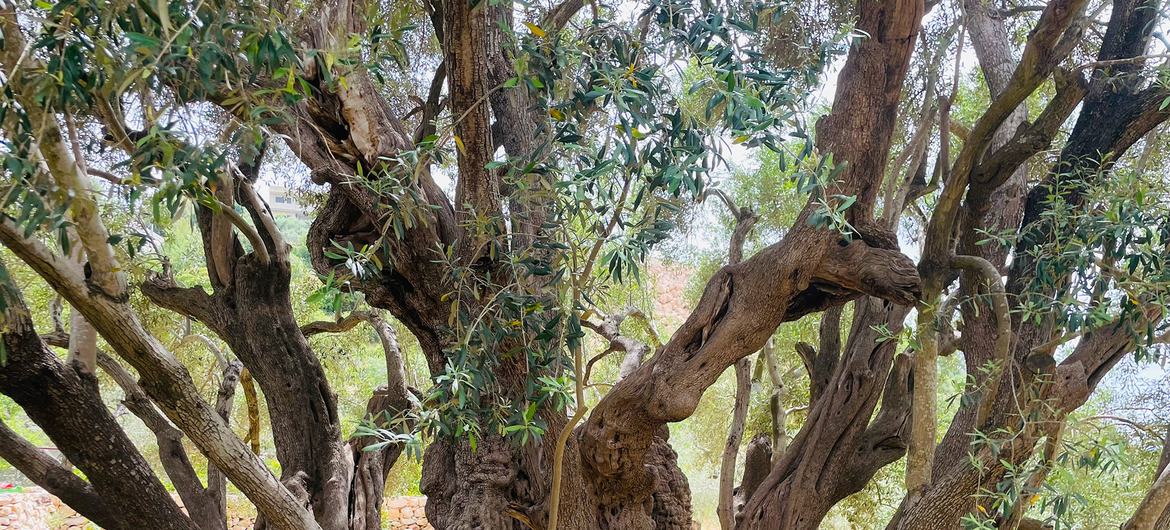
(UN News)* — In the occupied West Bank village of Kufr Qaddum, *Yousef stands behind a sealed iron gate, cut off from the olive trees that have sustained his family for generations.
Like thousands of Palestinian farmers, he faces growing restrictions from Israeli forces and settlers, who have made the olive harvest season – running from September to November – a time of uncertainty and struggle.
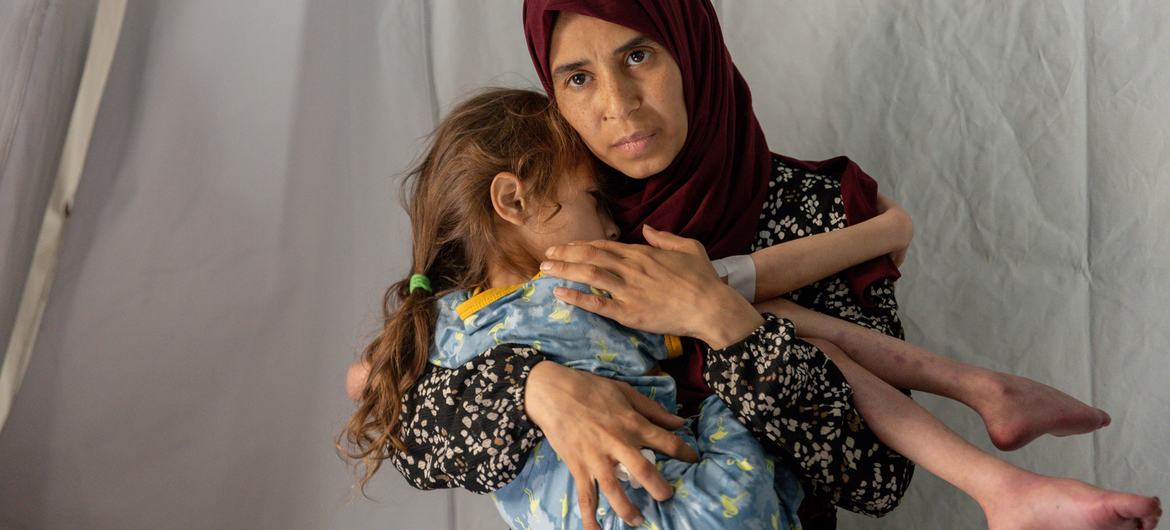
(UN News)* — Amid reports of increased Israeli military operations across Gaza City on Friday [], UN aid agencies repeated urgent warnings of ongoing famine and a likely rise in preventable disease, linked to the dire living conditions in the war-shattered enclave.
“We are on a descent into a massive famine,” said Jens Laerke, spokesperson for the UN aid coordination office, OCHA, “and we need massive amounts of food getting into the Strip and safely distribute it across the Gaza Strip”.
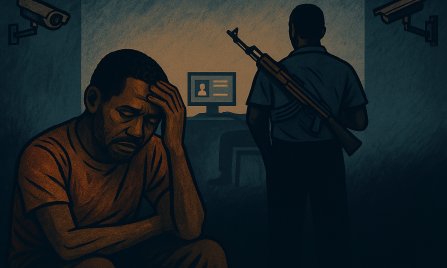
Behind locked doors, thousands of migrants are trapped in modern slavery across Southeast Asia. Illustration: AI generated by CoPilot
Accra, Ghana, 29 August 2025 – When 32-year-old Samuel* left his hometown in Ghana, he carried more than a suitcase. He carried the weight of his family.
After graduating with a diploma in computer science, Samuel earned a modest income at an insurance company in Accra. But as the sole breadwinner for a family of eight after his father’s death, it was not enough.
(UN News)* — Climate change could push at least 5.9 million more children and young people in Latin America and the Caribbean into poverty by 2030 unless governments act now.
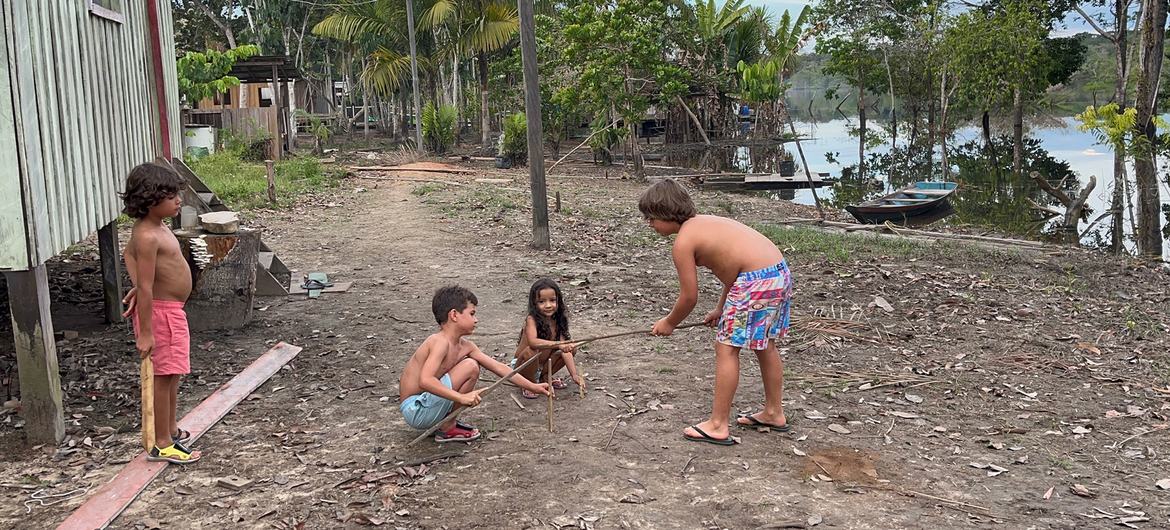
United Nations/Rodolpho Valente | Children play on the banks of the River Negro, a tributary of the Amazon River in northwestern Brazil.
Even worse, the number could triple if countries do not meet their commitments to reduce greenhouse gas (GHG) emissions and to ensure that climate financing prioritises social and climate resilience services for children.
The finding comes in a report by the UN Economic Commission for Latin America and the Caribbean (ECLAC) and the UN Children’s Fund (UNICEF), published on Thursday [28 August 2025] in Panama.
A report ‘Oil and Gas Expansion in the Colombian Amazon: Navigating Risks, Economics, and Pathways to a Sustainable Future, warns oil and gas projects threaten over 483,000 km² of Colombian Amazon forest, home to more than 70 indigenous groups, and risk becoming stranded assets as global fossil fuel demand declines.
BOGOTÁ and SRINAGAR, India, Aug 27 2025 (IPS)* –– A report has warned about the risks of expanding oil and gas exploration in the Colombian Amazon, which may undermine environmental goals, Indigenous rights, and long-term economic stability, unless the government pivots toward sustainable development pathways.
GAZA STRIP, Occupied Palestinian Territory, 25 August 2025 –“Where is the world watching what’s happening to us, and to our children? All families in the world have children,” said Inas, who lives in a displacement camp with her three children in Gaza city – where famine has been confirmed for the first time.
“Would they accept their children waking up hungry?”
(Washington, DC) –US military personnel could face legal liability for assisting Israeli forces who commit war crimes in Gaza, Human Rights Watch on 26 August 2025 said.
Direct participation by US forces in military operations in Gaza since October 2023, including by providing intelligence for Israeli strikes and conducting extensive coordination and planning, has made the United States a party to the conflict between Israel and Palestinian armed groups.





 HUMAN WRONGS WATCH