GENEVA – Uganda is on the verge of hosting two million refugees as escalating crises in Sudan, South Sudan and the Democratic Republic of the Congo (DRC) drive hundreds of people to cross the border daily in search of safety and lifesaving aid.
Since the start of 2025, an average of 600 people per day have arrived in the country, with numbers expected to reach two million by year’s end.
Already Africa’s largest refugee-hosting country and the third largest globally, Uganda is currently home to 1.93 million refugees, over a million of whom are below the age of 18.
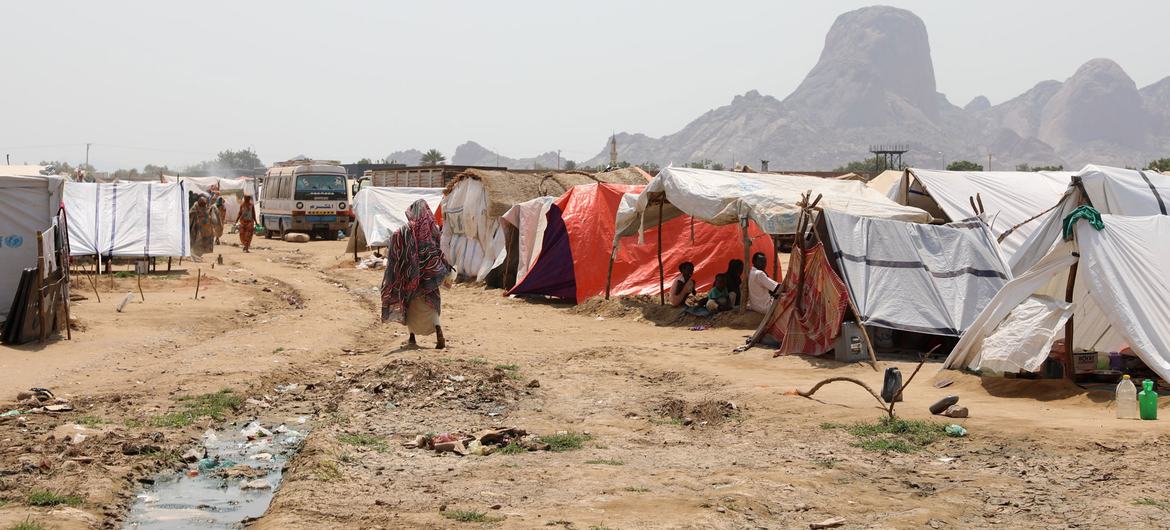
(UN News)* — Help is needed urgently to halt a deadly cholera outbreak that is sweeping across Sudan, UN agencies said on Friday [], while warning that communities continue to be terrorised by parties to the conflict even as they flee violence.
“People told me multiple times that when they were fleeing from Zamzam [displacement camp], armed people would threaten them while they were in flight, saying sure, ‘Flee, go to that place, run here, run there, we will follow you, we will find you’,” said Jocelyn Elizabeth Knight, a Protection Officer for the UN refugee agency, UNHCR.
.
Briefing journalists in Geneva, Ms. Knight described speaking to one traumatized child at a UNHCR shelter, whose experience mirrors that of countless other youngsters across the nation.
“A tiny boy told me, ‘You know, during the day things are okay here, but I’m afraid to go to sleep at night in case the place where we’re living is attacked again’.”
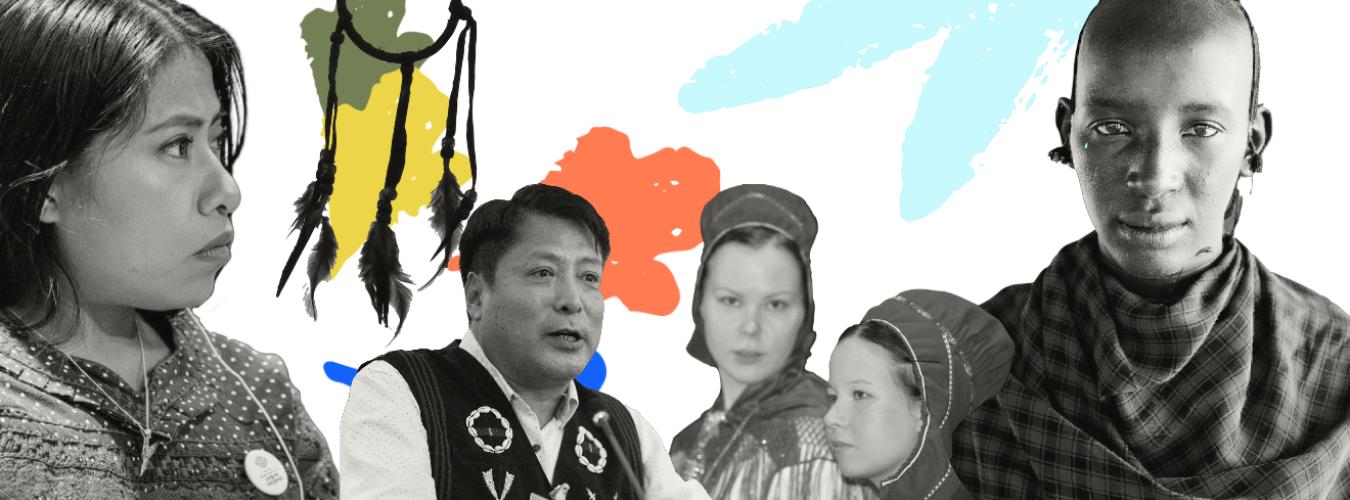
Indigenous peoples consider 22% of the world’s land surface their home. They live in areas where around 80% of the planet’s biodiversity is found on not-commercially-exploited land. UN Composition with photographs by Manuel Elias, Alessia Pierdomenico, Evan Schneider and Marcel Crozet (left to right.)
Watch
Young Indigenous Activists Fight to Save Their Languages and Cultures | United Nations
An estimated 476 million Indigenous Peoples live across 90 countries, representing 5,000 different cultures.
Without proper safeguards, AI risks harming Indigenous rights through inequitable distribution of the groundbreaking technology, environmental damage and the reinforcement of damaging colonial legacies.
The growing amount of electricity generation needed for AI data centres and other infrastructure is also intensifying climate change pressures, according to the UN.
Sana’a, Yemen — Fourteen men and four women set off from the Horn of Africa, drifting into the unknown across the sea.
After surviving the journey to Yemen, Sennait gave birth at a migrant centre and now hopes to rebuild her life with her baby. Photo: AI-generated image
.
Among them was Sennait*, a 20-year-old Ethiopian woman carrying the weight of her father’s recent death and the scars of a harrowing trek from her village to the coastal town of Bossaso.
.
Her life had once been simple. She went to school, laughed with friends, and helped her father tend their small farm.
6 August 2025 — She’s 12 years old now. At home in Tabia Awet, her father lives with a chronic illness that keeps him mostly indoors. The family has long struggled to afford even basic needs.
Specialised healthcare was never something they thought they could reach – especially for a hearing impairment no one knew how to fix.
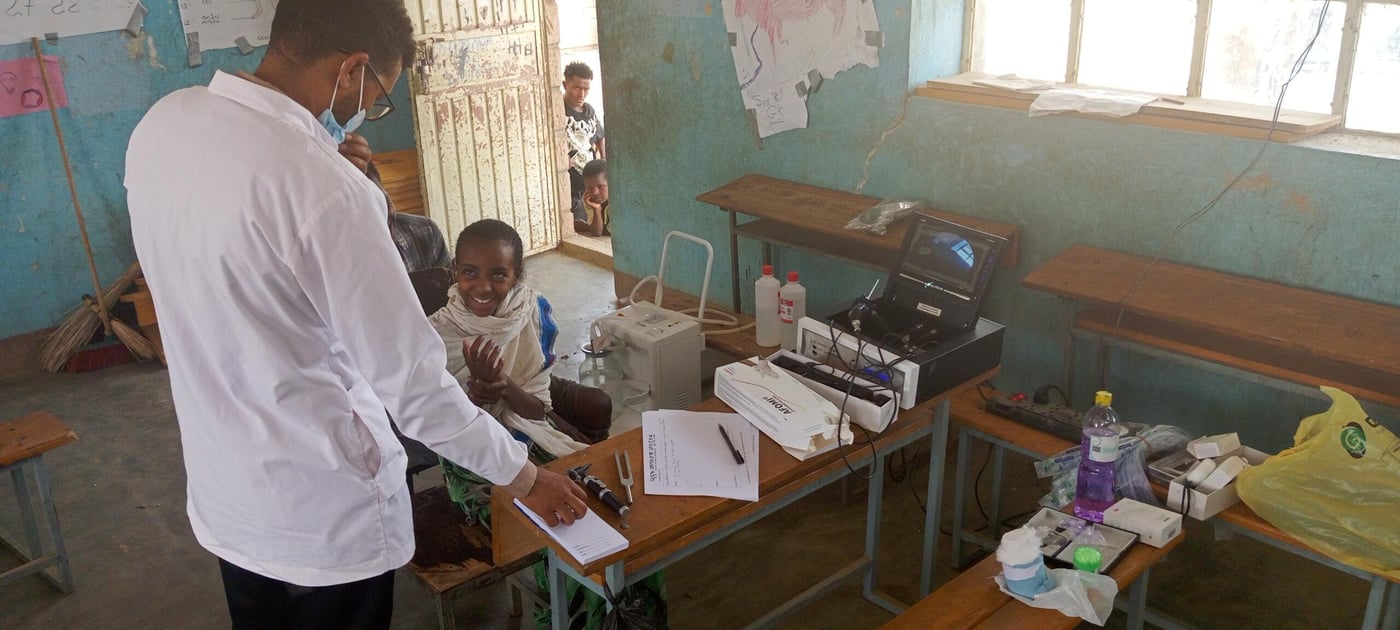
Tirhas getting her hearing aids fitted. Photo: NRC
Every morning, Tirhas Gezai Gerezgiher wakes early to begin her five-kilometre walk to Werera Primary School in Chilla Woreda, northern Ethiopia. She is determined and careful not to forget putting on hearing aids behind her ears – small devices that have quietly transformed how she moves through the world.
.
Before the hearing aids, school was a quiet struggle. Tirhas watched her classmates speak, but the words never came through clearly.
(UN News)* — UN Secretary-General António Guterres has expressed grave concern over Israel’s decision to “take control of Gaza City”, his Spokesperson said in a statement on Friday [].
The announcement following an Israeli cabinet meeting “marks a dangerous escalation and risks deepening the already catastrophic consequences for millions of Palestinians, and could further endanger more lives, including of the remaining hostages,” it said.
The statement noted that Palestinians in Gaza continue to endure a humanitarian catastrophe of horrific proportions.
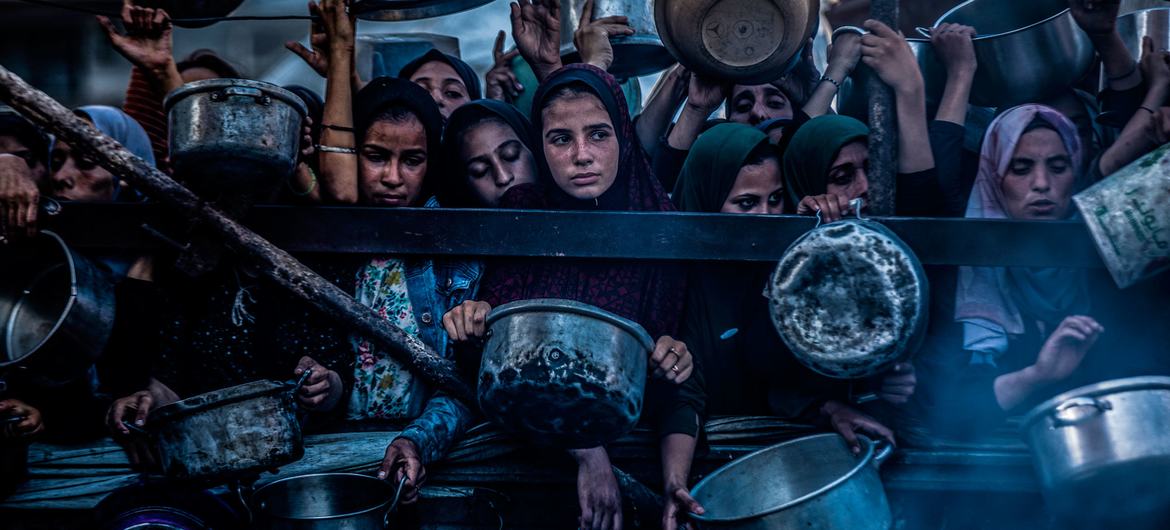
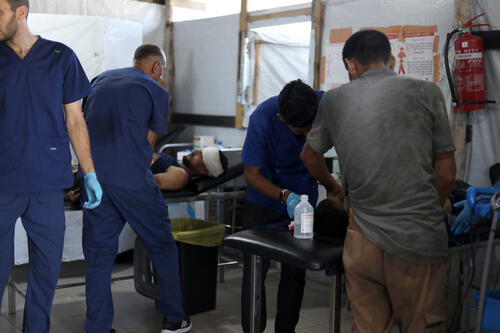
JERUSALEM, 7 August 2025–An analysis of Médecins Sans Frontières (MSF) medical data, patients’ testimonies, and first-hand medical witnessing at two MSF clinics in Gaza, Palestine, point to both targeted and indiscriminate violence by Israeli forces and private American contractors against starved Palestinians at food distribution sites run by the so-called Gaza Humanitarian Foundation (GHF).
The GHF-run food distributions in Gaza, Palestine, have become sites of “orchestrated killing and dehumanisation”, not humanitarian aid.
STOCKHOLM, Sweden, Aug 7 2025 (IPS)* –– On August the first, the Italian daily La Repubblica published an interview with David Grossman, Israel’s most renown author and supporter of a “two-state solution”, as well as an outspoken critic of Israel’s violence against Palestinian civilians.
Grossman’s interview received international attention and was quoted by respected newspapers like The Guardian, Le Figaro and Haaretz.
Israeli presence on the West Bank. The orange and red patches are what remains of Palestinian controlled areas.
(UN News)* —Extreme heat is breaking records around the world, with wildfires and poor air quality compounding the crisis, according to a report from the World Meteorological Organization (WMO) released Thursday [].
Extreme temperatures caused approximately 489,000 heat-related deaths annually between 2000 and 2019, with 36 per cent occurring in Europe and 45 per cent in Asia.
The health impacts of heat are especially severe in cities due to the so-called ‘urban heat island effect’ – the over-heating of dense city areas compared with their rural surroundings – which is magnifying problems as urbanisation continues.
Amid rising 21st-century temperatures, the WMO underscored that July 2025 was the third-warmest July ever recorded, behind those in 2023 and 2024.






 HUMAN WRONGS WATCH