DAYLESFORD, Australia — In a recent article titled ‘Challenges for Resolving Complex Conflicts’, I pointed out that existing conflict theory pays little attention to the extinction-causing conflict being ongoingly generated by human over-consumption in the finite planetary biosphere (and, among other outcomes, currently resulting in 200 species extinctions daily).
Robert J. Burrowes
I also mentioned that this conflict is sometimes inadequately identified as a conflict caused by capitalism’s drive for unending economic growth in a finite environment.
I would like to explain the psychological origin of this biosphere-annihilating conflict and how this origin has nurtured the incredibly destructive aspects of capitalism (and socialism, for that matter) from the beginning.
I would also like to explain what we can do about it.
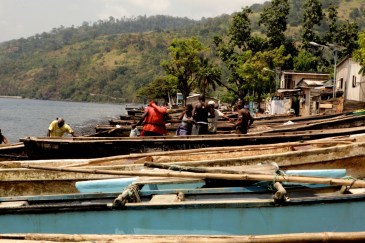
4 June 2018 (FAO)* — Earth’s oceans are a major source of the planet’s biodiversity. Unfortunately, things like illegal fishing and abandoned, lost or discarded fishing gear are damaging marine ecosystems and negatively impacting all of us.
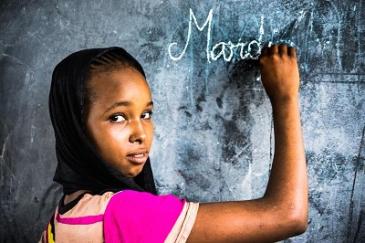
UNICEF* — Hawa Oimar, 15, writes on a blackboard in a classroom at her school in Danamadja, southern Chad. June 2017. In emergencies, UNICEF provides dignity kits to women and girls, which include sanitary pads, a flashlight and whistle for personal safety when using the toilet.
UNICEF/UN0122322/Faffin
.
Hawa said:” Before the dignity kits I didn’t have money to buy soap or sanitary pads. The kits gave me the courage and the confidence to come to school every day.”
It has become a cliché, a catchphrase, a recipe to get funding and sympathy and support. You say peace and you really cannot go wrong. It means that you are a compassionate and reasonable human being.
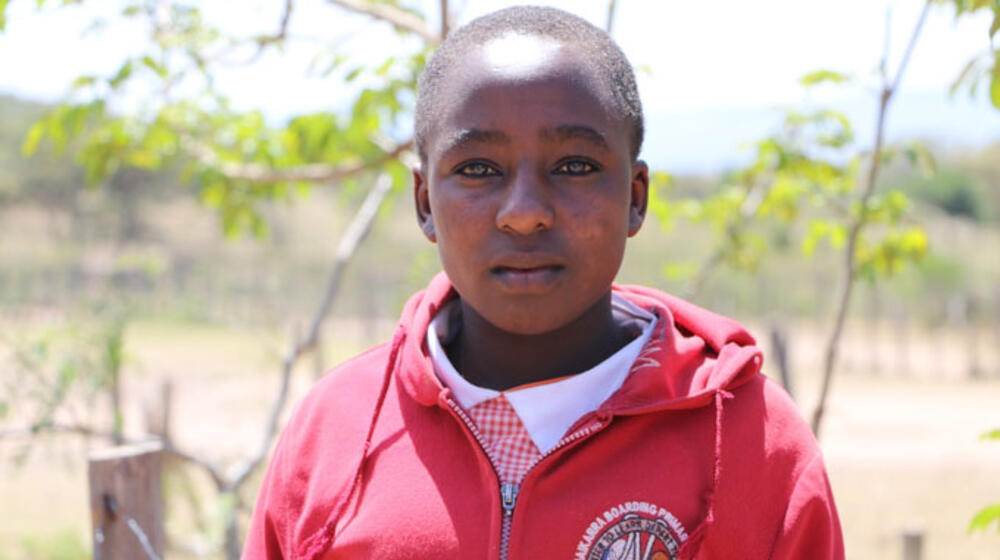
JOHANNESBURG, South Africa/NAROK, Kenya (UNFPA)* – “I felt embarrassed to be a girl and felt like it was a punishment,” recalled 13-year-old Faith, describing her first period.
She was living in a boarding schoolin Narok County, Kenya, when it happened. A friend taught her to use a cloth to manage the blood. “I was not knowledgeable about how and why it happens, and what to expect. So, naturally, I was scared and confused.”
Nairobi, (UN Environment)* –– In an effort to equip the world with the tools and knowledge to reduce plastic litter from ending up in our ocean, rivers, and lakes, UN Environment on 1 June 2018published a report assessing the potential of replacing conventional plastics with alternative materials in certain applications.
The ocean has increasingly become a repository for discarded plastics and microplastics, with significant demonstrable social, economic and environmental impacts. It is neither possible nor desirable to remove all plastics from society.
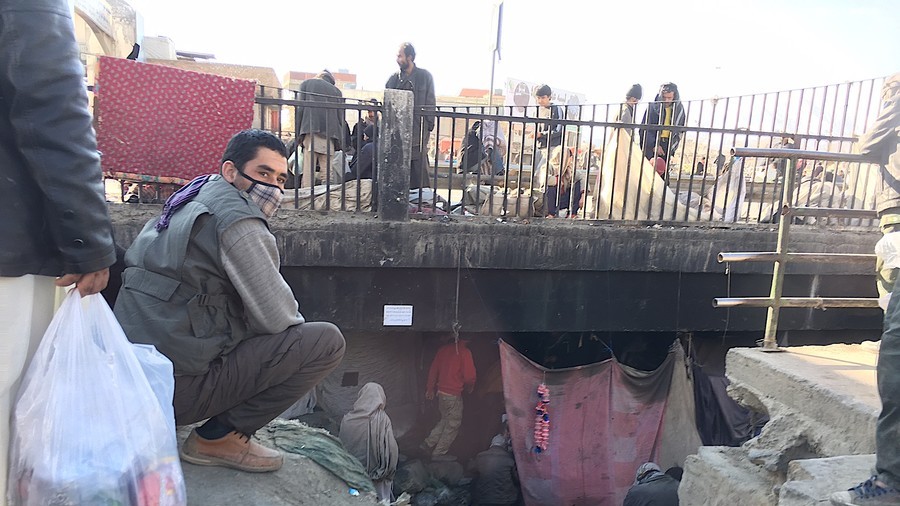
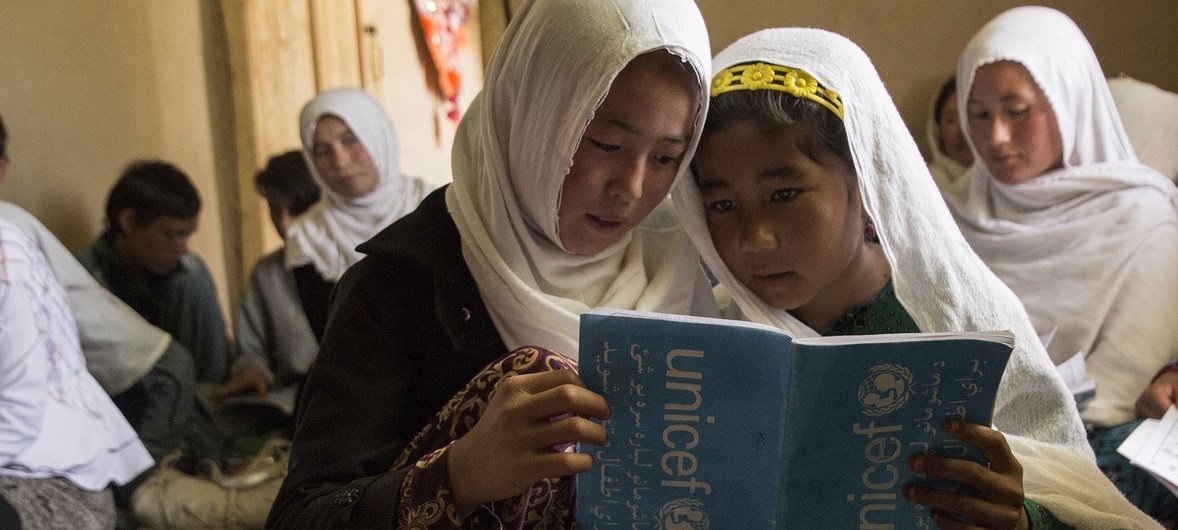
Nearly 3.7 million Afghan children are missing out on school, due to on-going conflict, grinding poverty, and discrimination against girls, according to a new report from the UN Children’s Fund, UNICEF.
UNICEF/Rezayee | In Afghanistan, UNICEF focuses on the enrolment and retention of the most vulnerable children, specifically those who are out of school, and girls.
That represents almost half of all children aged between seven and 17, and it marks the first time that the out-of-school rate has increased, since 2002, said UNICEF.
2 Jun 2018 (UN Environment)*— On 30 May, Chile became the first South American country to approve a nationwide ban on single-use plastic bags, garnering congratulations from around the world for its efforts to beat plastic pollution ahead of World Environment Day on 5 June.
In 2017, under the presidency of Michelle Bachelet, the country banned the use of plastic bags in 100 coastal communities. But the government of current President Sebastián Piñera decided to take things one step further, proposing to the Congress to extend the measure nationwide.
2 June 2018 (Wall Street International)*— Let’s start with the fact that the only problem about those situations it’s in our minds. We are afraid of the reaction of others, the consequences of our refusal might cause. We are afraid of being considered selfish or not to be questioned in a second chance. According to our mindset, “say yes” is a sign of generosity and kindness, and “say no” is synonymous with selfishness and meanness. Right? … Well, not exactly!
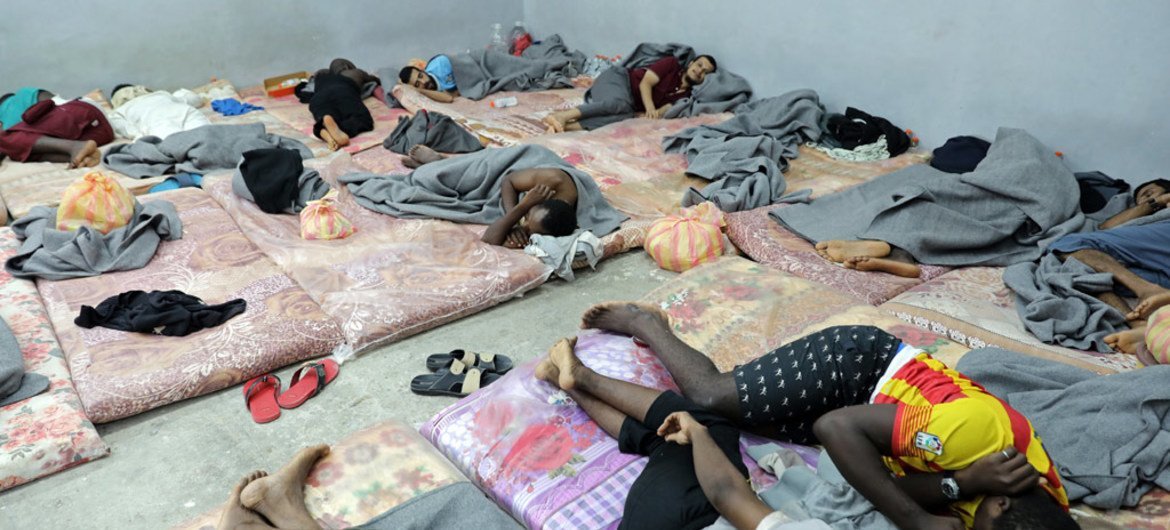
More than a dozen people have been killed or wounded by traffickers as they attempted to flee a detention centre in Libya last month, the UN refugee agency, UNHCR, on 1 June 2018 said, describing it as the “latest horror story” to emerge from the war-torn country.
UNHCR/Iason Foounten | In Libya, dozens of migrants sleep alongside one another in a cramped cell in Tripoli’s Tariq al-Sikka detention facility.
.
The victims were among a group of around 200 Eritreans, Ethiopians and Somalis who escaped on 23 May.




 HUMAN WRONGS WATCH