The world is being dredged of its natural resources, with much of what we rely on for our livelihoods at risk from a new threat: environmental crime (UNEP-INTERPOL report, 2016).
21 September 2018 (UN Environment)* – Environmental crimes are widely recognized as among some of the most profitable forms of transnational criminal activity. Their monetary value was estimated in 2016 at between US$91-259 billion annually, most likely the fourth largest criminal area in the world after drugs, counterfeits and human trafficking.
This estimate corresponds to a 26 per cent increase compared to 2014, with rates of such crimes expected to further increase by 5-7 per cent annually.
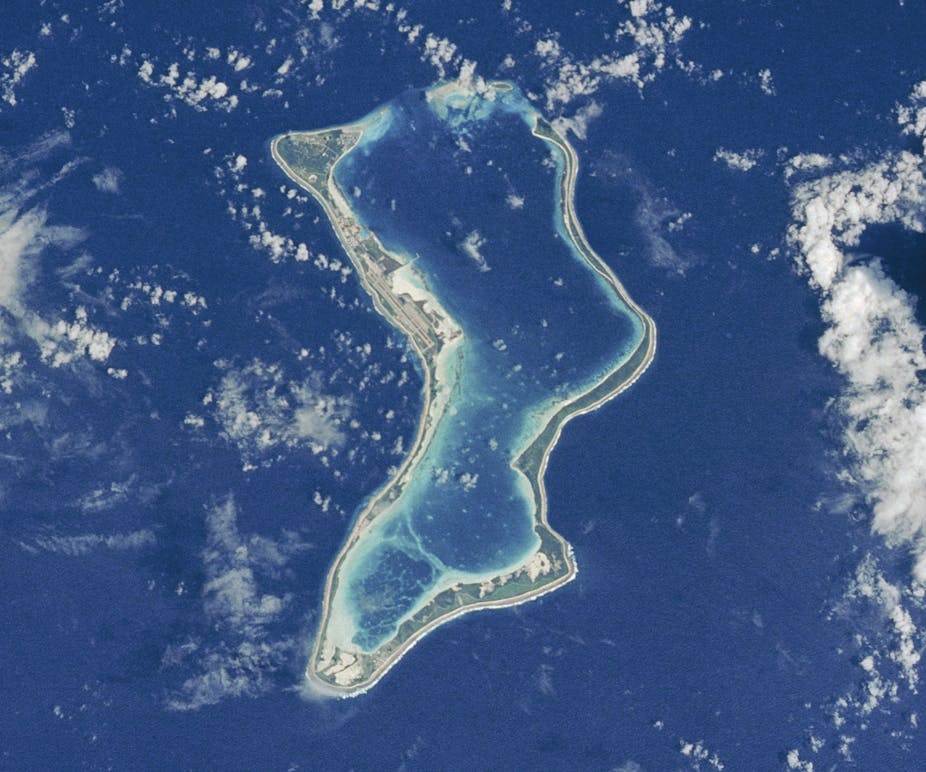
Mauritius has been pursuing this case for decades, and has made substantial progress in recent years. And by claiming that the UK breached that right during the decolonisation process, it has forced important issues about self-determination up on the international agenda.
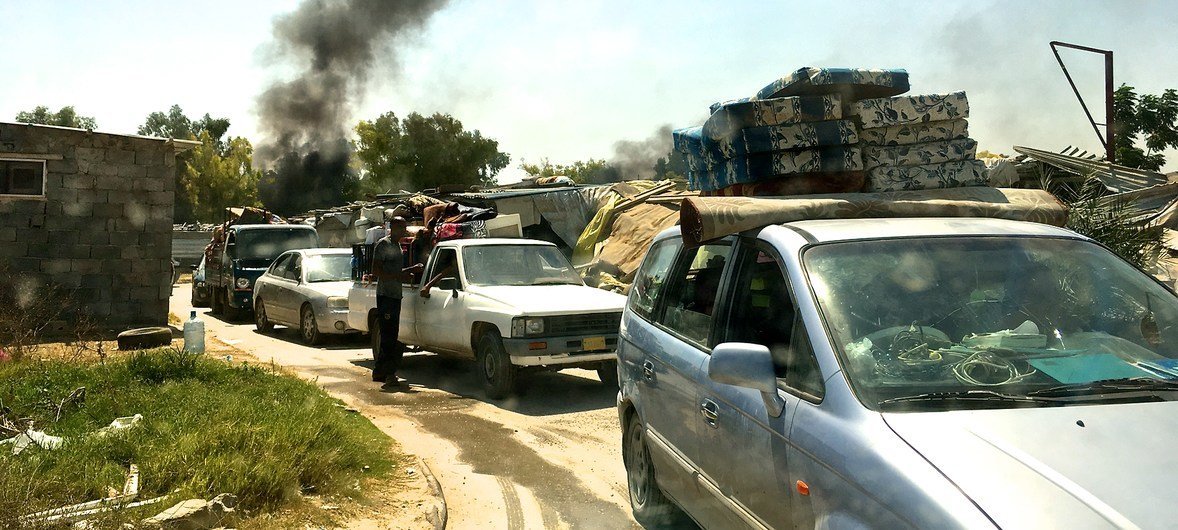
22 September 2018 – United Nations Secretary-General António Guterres stated that he is “alarmed by the increasing number of violations of the ceasefire” in the capital of Libya, Tripoli, which has led to the death of dozens of civilians.
UNHCR/Tarik Argaz | Members of the ethnic minority Tawergha community leave their makeshift homes in Tripoli, Libya, after the houses were demolished by a local militia.
Violence escalated in the city in August, with rival militias fighting and with tanks and heavy artillery deployed into residential neighborhoods.
News reports indicate that, to date, over 100 Libyans have been killed in the violence and dozens more injured.
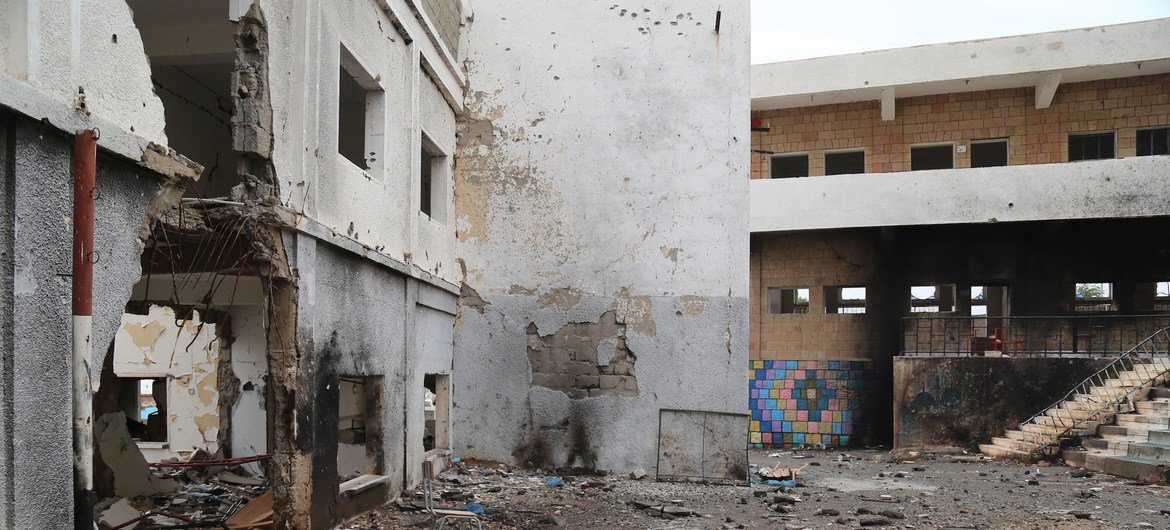
Raising the alarm over the rapidly deteriorating humanitarian situation in Yemen, the top United Nations relief official on 21 September 2018 underscored the need for all parties to avoid further military activity around Hudaydah port – the vital lifeline through which food and fuel flows into the war-torn country.
UNICEF/Basha | A school in the city of Taiz, in south-western Yemen, bears the scars of intense fighting.
“It is far from clear that the recent intensification of fighting is producing any winners,” Mark Lowcock, the UN Emergency Relief Coordinator, told the Security Council.
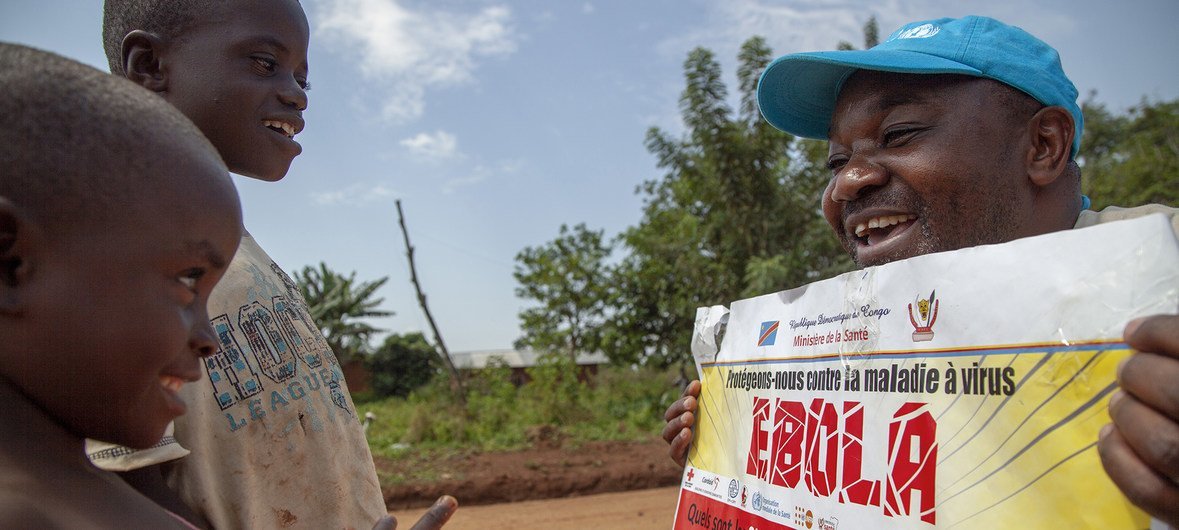
New Ebola virus hotspots in the Democratic Republic of the Congo (DRC) are threatening progress made in tackling the deadly disease and increasing its risk of spreading, the World Health Organization (WHO) on 21 September 2018warned.
To date, there have been 142 cases of Ebola in the country’s north-east, with 97 deaths. According to WHO, the cities of Beni and Butembo, in North Kivu, have become the new hotspots for the disease.

 HUMAN WRONGS WATCH
