The black guy in Louisiana exclaimed, as we helped ourselves to a rather good meal from his buffet, eating to our heart’s delight.
However, we have had equally good meals elsewhere, even better–certainly more sophisticated, refined, not so sweet, not so salty.
But, for US $5? Maybe not.
Accessible to most people in such a big population? Maybe not.
What did that black guy know about meals around the world?
Probably not much.
But his “only in America” truth was of a deeper kind, transcending all the prejudice, discrimination, killing even lynching, he and his kind had been exposed to.
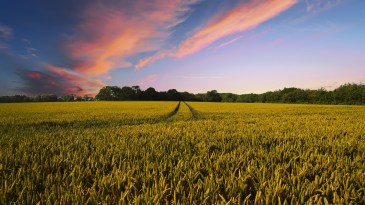
Keeping the climate at a sustainable level is not prohibitive if we act now.
Keeping the climate at a sustainable level is not prohibitive if we act now | Image from Wall Street International.
10 August 2019 (Wall Street International)* — In 2007 a MIT survey revealed that nearly 60% of Americans feel that “until we are sure that global warming is really a problem, we should not take any steps that would have economic costs” or “its effects will be gradual, so we can deal with the problem gradually” (Sherman, 2007).
8 August 2019 (UN Environment)* — As scorching temperatures continue to break records across Europe, unprecedented wildfires break out in the Arctic, and polar sea ice cover drops—again—to an all-time low, never before has the climate crisis been so palpable, for so many people.
KORCHI/GADCHIROLI, India, Aug 9 2019 (IPS)* –– Kumaribai Jamkatan, 51, has been fighting for women’s land rights since 1987.
Though the constitution of India grants equal rights to men and women, women first started to stake their claim for formal ownership of land only after 2005–the year the government accorded legal rights to daughters to be co-owners of family-owned land.
Indigenous peoples and their food systems can provide answers to food insecurity and climate change
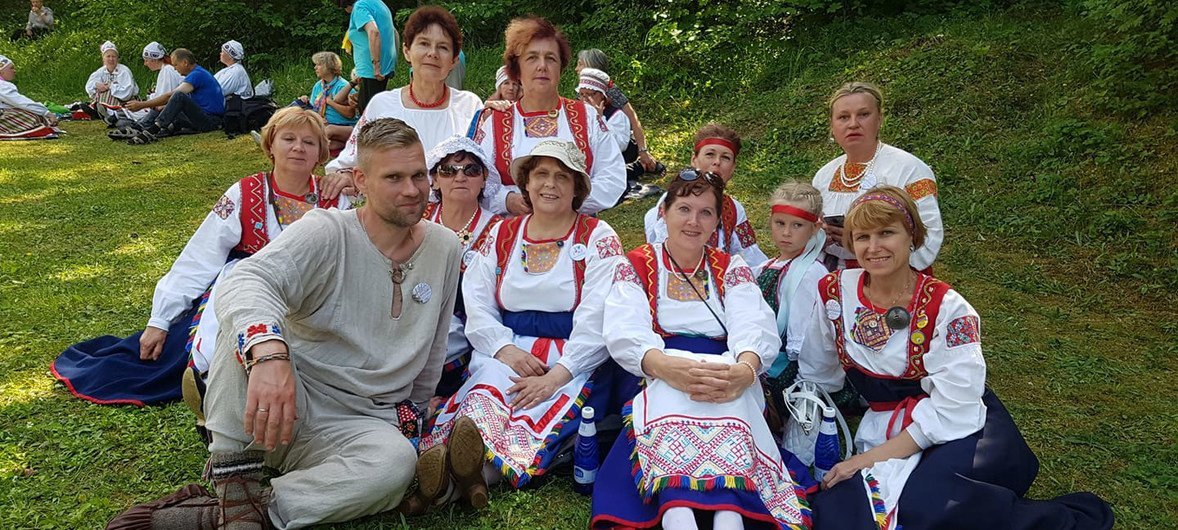
Indigenous peoples are stewards of natural resources, biodiversity and nutritious native foods. They are key partners in finding solutions to climate change and reshaping our food systems. @FAO/Francesco Farnè
9 August 2019 (FAO)* — Constituting only 5 percent of the world population, indigenous peoples are nevertheless vital stewards of the environment.
There are an estimated 370 million indigenous people in the world, living across 90 countries. They make up less than 5 per cent of the world’s population, but account for 15 per cent of the poorest. They speak an overwhelming majority of the world’s estimated 7,000 languages and represent 5,000 different cultures..
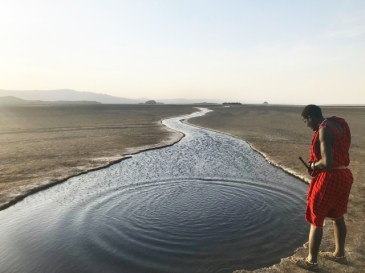
Maasai participant at the 18th Session of the United Nations Permanent Forum on Indigenous Issues (UNPFII). UN/Broddi Sigurdarson
There are an estimated 370 million indigenous people in the world, living across 90 countries. They make up less than 5 per cent of the world’s population, but account for 15 per cent of the poorest.



 HUMAN WRONGS WATCH