26/08/2019
21 August 2019 (UN Environment)* — Landfills around the world are filling up. In 2016, humanity generated over 2 billion tonnes of waste. In the next 30 years, that figure is expected to grow to 3.4 billion.
Where will all this waste end up?
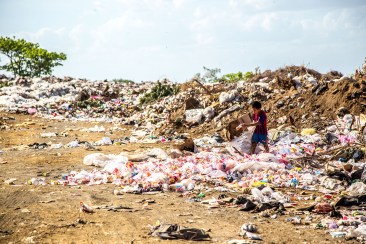
Photo by Unsplash
A recent report by UN Environment’s International Environmental Technology Centre outlines one technology that has the potential to reduce the volume of waste entering landfills by up to 90 per cent.
read more »
Posted in Africa, Asia, Latin America & Caribbean, Market Lords, Middle East, Mother Earth, Others-USA-Europe-etc., The Peoples |
Leave a Comment »
26/08/2019
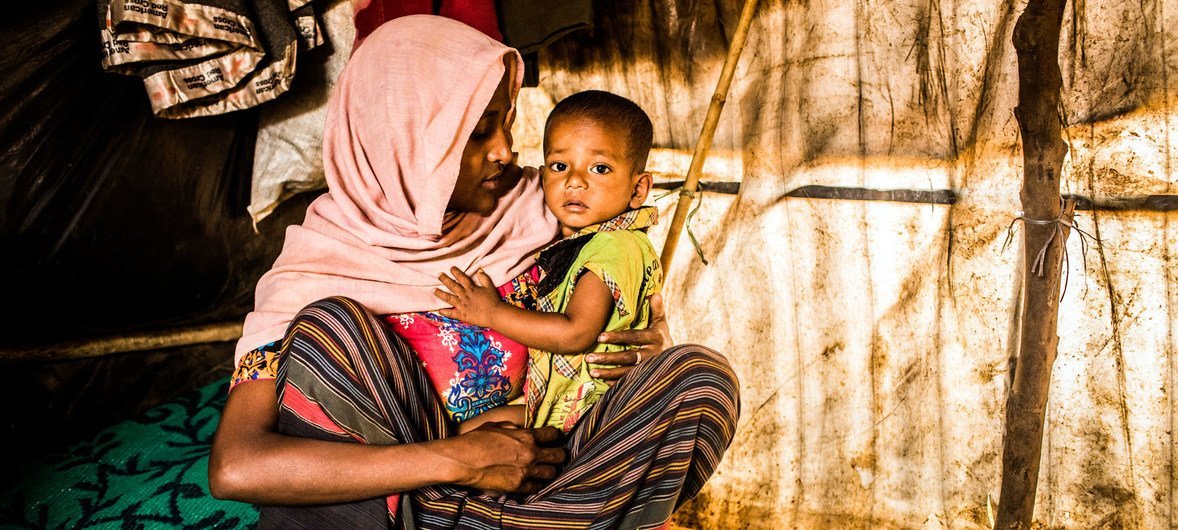
UNITED NATIONS, Aug 23 2019 (IPS)* – Two years after the start of an exodus of Rohingya civilians from genocide-like attacks in Myanmar, members of the mainly Muslim minority have little hope of securing justice, rights or returning to their homes, according to the United Nations and aid groups.
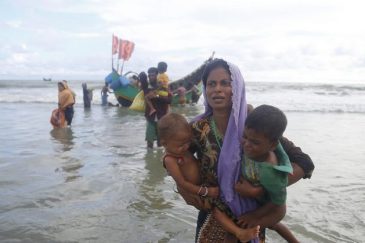
Reports this week from the U.N. and Oxfam, a charity, show that, on the second anniversary of the ethnic violence in Rakhine state, hundreds of thousands of Rohingya remain refugees in neighbouring Bangladesh or are effectively interred in domestic, government-run camps.
read more »
Posted in Asia, Market Lords, Migrants and Refugees, Others-USA-Europe-etc., The Peoples, War Lords |
Leave a Comment »
26/08/2019
26 August 2019 (Wall Street International)* — On a Tuesday morning in a local African American community, cars line the streets. This group of “food insecure” (being without reliable access to sufficient quantity of affordable and nutritious food) Americans, the food patrons, are not black but whites from across the community.
.
In the United States, more than half of the hungry households are white. While blacks and Latinos are disproportionately poor — 27% black, 25% Latino — most poor people in the United States are white.
Posted in Africa, Asia, Latin America & Caribbean, Market Lords, Middle East, Migrants and Refugees, Others-USA-Europe-etc., The Peoples, War Lords |
Leave a Comment »
26/08/2019
Adba Saleh Mubarak is a Yemeni farmer from the Sana’a governorate. She contracted cholera from poorly treated wastewater. The treatment facilities in this area are not sufficient. However, with water so scarce in the region, farmers often have no choice but to use contaminated water. ©FAO
Posted in Africa, Asia, Market Lords, Middle East, Mother Earth, Others-USA-Europe-etc., The Peoples, War Lords |
Leave a Comment »
26/08/2019
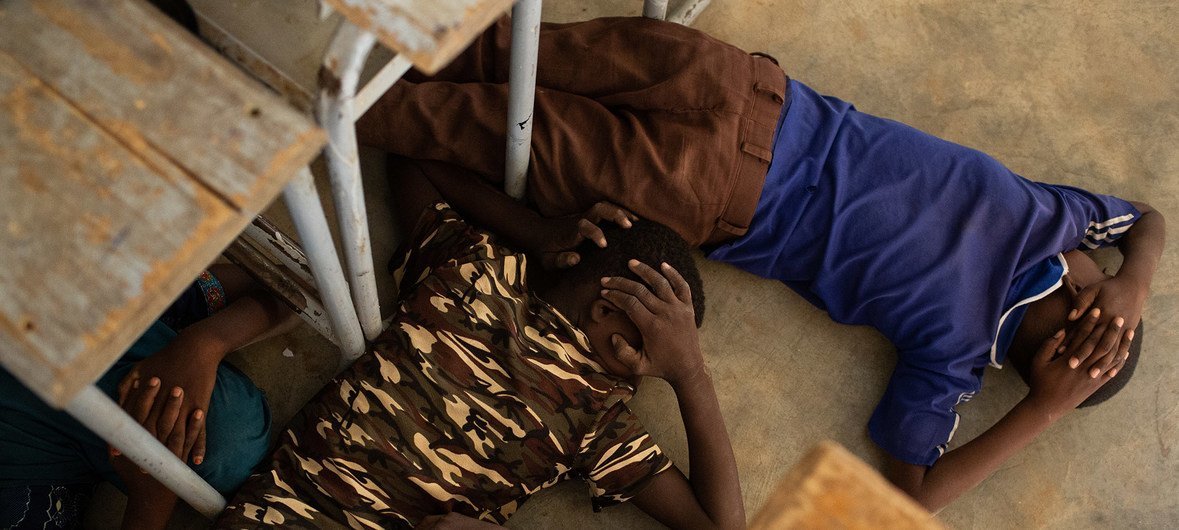
A surge in “deliberate” attacks against students, teachers and schools in West and Central Africa has led to a tripling in school closures in the last year and left almost two million youngsters “robbed of an education”, the UN Children’s Fund (UNICEF) on 23 August 2019 said.
.
©UNICEF | Children take part in an emergency attack simulation, at a primary school in Dori, Burkina Faso in 26 June 2019.
In a new report detailing threats of violence against schools across the region and issues as a ‘Child Alert’, the UN agency warned that a generation of children risks being denied the right to learn.
read more »
Posted in Africa, Market Lords, Others-USA-Europe-etc., The Peoples, War Lords |
Leave a Comment »
24/08/2019
Myanmar’s military must stop using sexual and gender-based violence to terrorize and punish ethnic minorities, according to a new report released on Thursday [22 August 2019] by the United Nations Independent International Fact-Finding Mission.
OCHA / Vincent Tremeau | In March 2018, 19-year-old Setera fled Hormara village in Myanmar’s Bochidong after she “saw military people throwing bombs and raping women”.
“Extreme physical violence, the openness in which it is conducted … reflects a widespread culture of tolerance towards humiliation and the deliberate infliction of severe physical and mental pain or suffering on civilians,” the report said.
read more »
Posted in Asia, Market Lords, Migrants and Refugees, Others-USA-Europe-etc., The Peoples, War Lords |
Leave a Comment »
24/08/2019
23 August 2019 (UN Environment)* — Tree planting is capturing the minds of those who look for fast climate action. Earlier this month, the Ethiopian Government announced a new world record: thousands of volunteers planted 353 million trees in one single day.
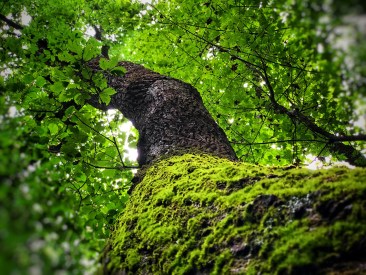
This came shortly after a team of scientists identified suitable places in the world where up to 1 trillion new trees could be planted. Such a massive effort could absorb about 20 years’ worth of global greenhouse gas emissions.
read more »
Posted in Africa, Asia, Latin America & Caribbean, Market Lords, Middle East, Migrants and Refugees, Mother Earth, Others-USA-Europe-etc., The Peoples, War Lords |
Leave a Comment »
24/08/2019
By Inger Andersen*
23 August 2019 (UN Enviroment)* — The ongoing fires in the Amazon rainforest are a harsh reminder of the environmental crises facing the world – of climate, of biodiversity and of pollution.
The ongoing fires in the Amazon rainforest are a harsh reminder of the environmental crises facing the world – of climate, of biodiversity and of pollution.
We cannot afford more damage to this precious natural resource, which is home to 33 million people – including 420 indigenous communities -, 40,000 plant species, 3,000 freshwater fish species and more than 370 types of reptiles.
read more »
Posted in Africa, Asia, Latin America & Caribbean, Market Lords, Migrants and Refugees, Mother Earth, Others-USA-Europe-etc., The Peoples, War Lords |
Leave a Comment »
24/08/2019
Forests do more for us than we realize. They clean our water and filter our air, and they provide food, medicine and fuel for more than a billion people worldwide. ©PhotoSky/shutterstock.com (Photo posted here from FAO).
For too long we have seen trees as purely functional or ornamental, objects in the backdrop or on the sideline. They decorate city streets. They give us shady spots for resting and relief from the sun. They provide us with paper and fuel, fruit and nuts. These benefits are fairly obvious.
read more »
Posted in Africa, Asia, Latin America & Caribbean, Market Lords, Mother Earth, Others-USA-Europe-etc., The Peoples |
Leave a Comment »
23/08/2019
23 August 2019 (UN Environment)* — The multipurpose rosewood tree is famed for its beautiful smelling and sturdy ruby-colored wood used in the manufacture of furniture, walking canes, boats, musical instruments, agricultural tools and religious artefacts.
Photo by Wikimedia Commons
The tree species, whose name is a generic one for several dark-red hardwood species found in tropical regions across the globe, fetches very high prices because it’s strong, heavy, has a beautiful red hue and takes well to polishing.
read more »
Posted in Africa, Asia, Latin America & Caribbean, Market Lords, Middle East, Mother Earth, Others-USA-Europe-etc., The Peoples |
Leave a Comment »


 HUMAN WRONGS WATCH