10 September 2020 (UN Environment)* — They say a picture is worth a thousand words, a map could be worth a million. To understand the complex interactions between nature and human society, the United Nations Environment Programme (UNEP) has teamed up with MapX – an online platform for managing geospatial data on natural resources.
Glacial lakes in Bhutan. Photo: NASA 2016
“Nature’s value is often invisible in the economic choices we make,” said Salman Hussain, Head of Ecosystem Services Economics at UNEP.
“As a result, we have been drawing down our natural capital without accounting for the costs of nature’s ability to provide humanity with essential services.”
The Sinja Valley in northwest Nepal is a breathtaking place with a rich history. Plunging mountainsides and rocky caves hide ruins of grand palaces and temples: remains of the capital city of the influential Western Malla kingdom that ruled the area between the 12th and 14th century.
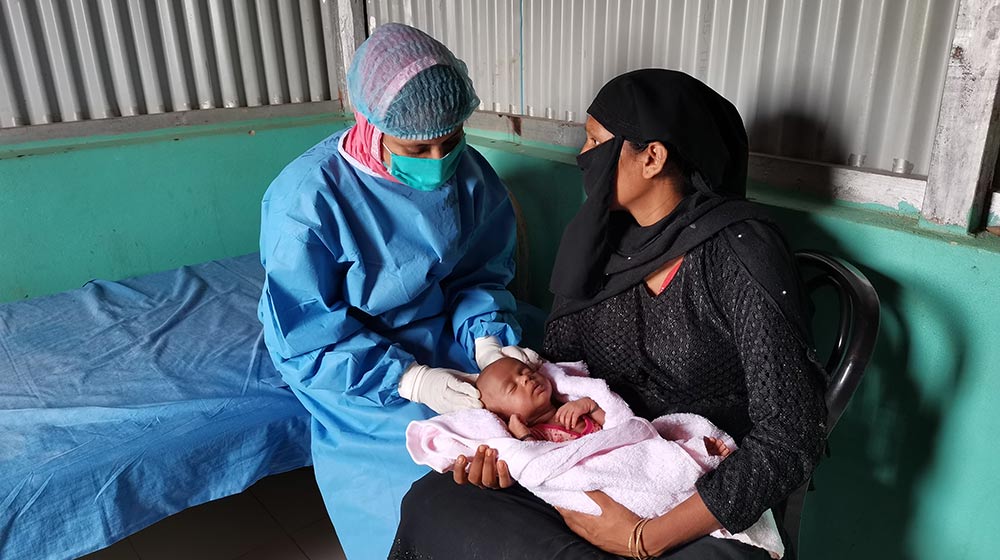
COX’S BAZAR, Bangladesh, 10 September 2020 (UNFPA)* — The 25th of August marked a tragic anniversary: three years since the mass influx of hundreds of thousands of Rohingya refugees into Bangladesh from neighbouring Myanmar.
Today, there are around 1 million Rohingya refugees living in Bangladesh. Nearly 90 per cent of them are living in a network of 30-plus camps in Cox’s Bazar District, where crowding and sanitation conditions leave them vulnerable to the COVID-9 pandemic.
But close collaboration between humanitarian partners – including UNFPA – and the Government of Bangladesh has managed to limit the spread of the coronavirus within the camps.
(UN News)* — A proposed new anti-terrorism law in Switzerland could set a dangerous precedent for the suppression of political dissent worldwide, a group of five independent UN human rights experts warned on Friday [11 September 2020].
Unsplash/Claudio Schwarz | The Swiss parliament building in the capital, Bern.
The draft legislation, currently before the Swiss Parliament, expands the definition of terrorism and no longer requires the prospect of any crime at all, they said, in a plea for a last-minute reversal by legislators.
Scams and exploitation from UK employment agencies have increased by two thirds during lockdown, yet the government is failing to take action.
Steve Parsons/PA Archive/PA Images
9 September 2020 (openDemocracy)* — Employment agencies operate at the heart of almost every key worker profession, employing around one million workers in the UK. It has long been an industry rife with exploitation, including recruitment scams, non-payment and even modern slavery.
But according to SAFERjobs, a charity that assists flexible economy workers, the spike in unemployment caused by the COVID-19 pandemic is being capitalised on by criminals.
7 September 2020 (FAO)* — The problem? Burning crop residues. Although it causes a variety of health issues and significantly raises levels of pollution, it is a common practice in India and many other countries around the world. The solution? Turn the crop residues into something useful, such as bioenergy.
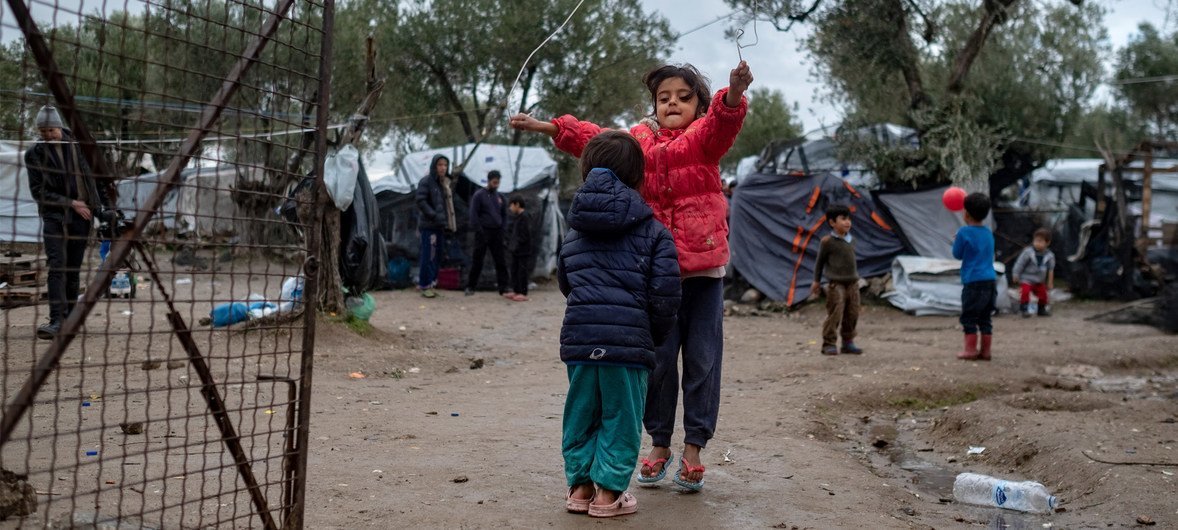
11 September 2020 (UN News)* — Fresh fires at a Greek island centre for thousands of refugees and migrants, have destroyed all remaining accommodation for those affected by the initial blaze on 11 September 2020 evening.
In an alert on Friday, the UN refugee agency (UNHCR) said that people of all ages have been left homeless in Lesbos after further fires on Wednesday and Thursday.
10 September 2020 (UN Environment)* — Some of the worst wildfires in California in living memory; exceptional and prolonged heat in Siberia; walls of seawater as Hurricane Laura lashes Louisiana; unprecedented rates of glacier melt and sea-ice loss… these are some of the blinking lights of the climate crisis.
.
Photo: Reuters
Beyond headline-grabbing climate events, however, lie other indicators that our climate is changing more rapidly.
11 September 2020 (WMO)* — United Nations Secretary-General António Guterres launched the high-level multi-agency United in Science report on 9 September with yet another appeal for urgent climate action to “ensure a liveable planet for this and future generations.”
NAIROBI, Sep 10 2020 (IPS)* – Forced to flee wars and disasters, sometimes without family, and struggling to survive in the worst of circumstances, children on the move have long led very precarious lives.
 Glacial lakes in Bhutan. Photo: NASA 2016





 HUMAN WRONGS WATCH