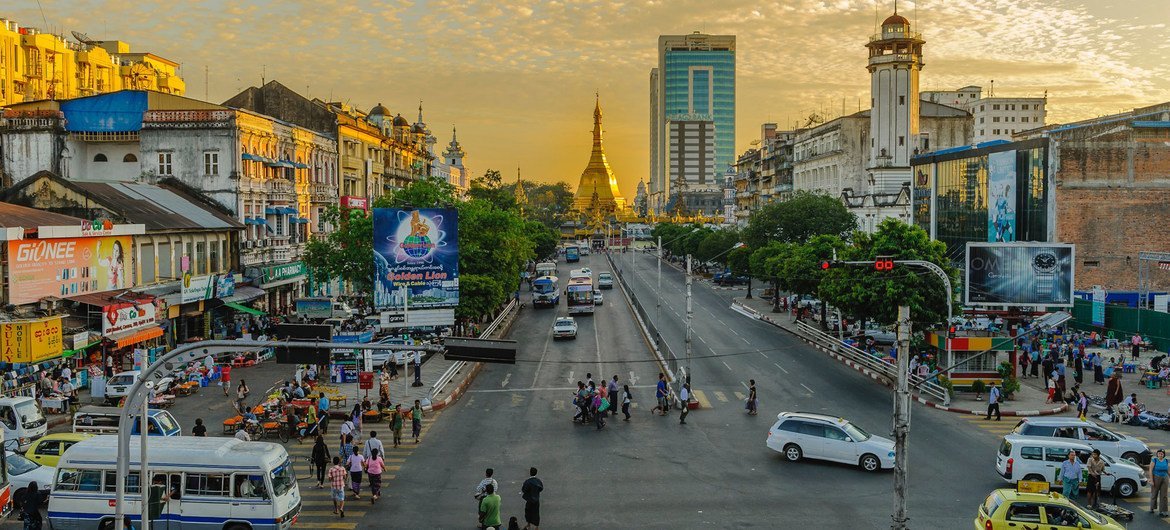
14 February 2021 (UN News)* — An increased use of force and the reported deployment of armoured vehicles to major cities throughout Myanmar have sparked the deep concern of UN Secretary-General António Guterres.
Unsplash/Alexander Schimmeck | Dusk approaches in Yangon, Myanmar.
In a statement issued on Sunday [14 February 2021] by his spokesman, Stéphane Dujarric, the UN chief called on the military and police of Myanmar, formerly known as Burma, to ensure that the right of peaceful assembly is “fully respected” and demonstrators are “not subjected to reprisals”.
“Reports of continued violence, intimidation and harassment by security personnel are unacceptable”, he spelled out.
After I’d begun learning about telecommunications’ public health and environmental impacts; after more children than I can count became screen addicts; after studies showed that using a mobile phone increases risk of cancer (but didn’t get media attention) and far too many people got brain or tongue or thyroid cancer; after countless legislative sessions prohibited policymakers from considering the health or environmental effects of exposure to electromagnetic radiation when they voted to permit or deny new transmitting cellular antennas; after learning that 5G mobile networks’ deployment will increase telecommunications’ energy use and greenhouse gas emissions exponentially and increase the public’s and wildlife’s exposure to electromagnetic radiation, I admitted to myself that I am powerless over telecom corporations and that my life has become unmanageable.
ADDIS ABABA/NAIROBI/GENEVA/NEW YORK, 12 February 2021 (UNICEF)* – As more supplies and emergency personnel reach crisis-affected people in Tigray, an incomplete but troubling picture is emerging of severe and ongoing harm to children.
.
UNICEF/UN0412581/Leul Kinfu7-month-old Natan Hailay eats a high energy biscuit to boost his nutrition levels.Natan’s family are displaced from the Western Zone of Tigray Setit Humara Woreda and currently sheltered at Meserete high school in Mekelle.
Between 4 February and 7 February, a UNICEF team accompanied by the Regional Health Bureau Head travelled from Mekelle to the town of Shire in Central Tigray, with six trucks filled with 122 tons of emergency supplies. This was the first UN mission to Shire since the conflict erupted on 4 November 2020.
Humanitarian crisis continues to exert a terrible toll on children, warn FAO, UNICEF, WFP and WHO
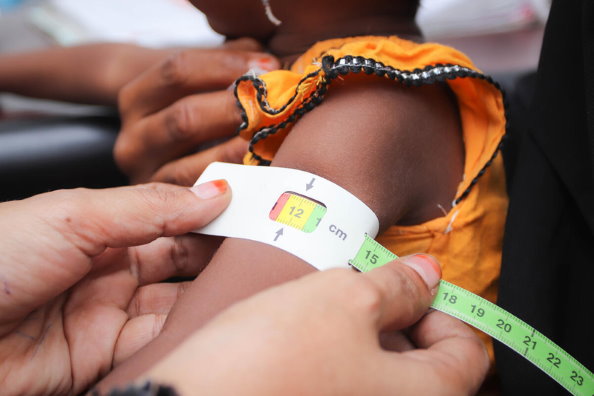
WFP/Alaa Noman, Mother at the health centre because one of her daughters 1 year and 4 months is suffering from malnutrition. Malnutrition surges among young children in Yemen as conditions worsen. WFP provides nutrition support to children and mothers in Yemen to both treat and prevent malnutrition.
SANA’A/ADEN/ROME/NEW YORK/GENEVA, Nearly 2.3 million children under the age of five in Yemen are projected to suffer from acute malnutrition in 2021, four United Nations agencies warned today [12 February 2021]. Of these, 400,000 are expected to suffer from severe acute malnutrition and could die if they do not receive urgent treatment.
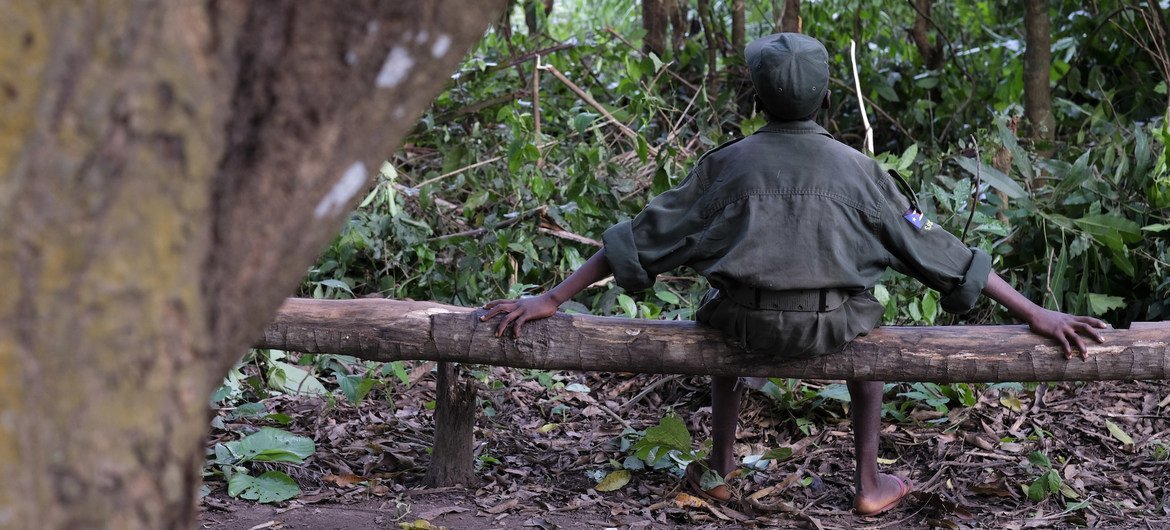
(UN News)* — More children could be pushed into the joining armed forces and armed groups due to the impact of the coronavirus pandemic, senior United Nations and European Union (EU) officials said on International Day against the Use of Child Soldiers, observed on Thursday [12 February 2021].
.
UNICEF/Sebastian Rich | A child solider sits on a log during a ceremony to release children from an armed group in South Sudan, in 2018. However, the risks of recruitment and use of children by armed forces and groups have risen due to the impact of the COVID-19 pandemic.
.
In a joint statement EU High Representative Josep Borrell and Special Representative of the UN Secretary-General for Children and Armed Conflict Virginia Gamba also warned that very few among those released by armed forces and groups are able to access reintegration programmes or support.
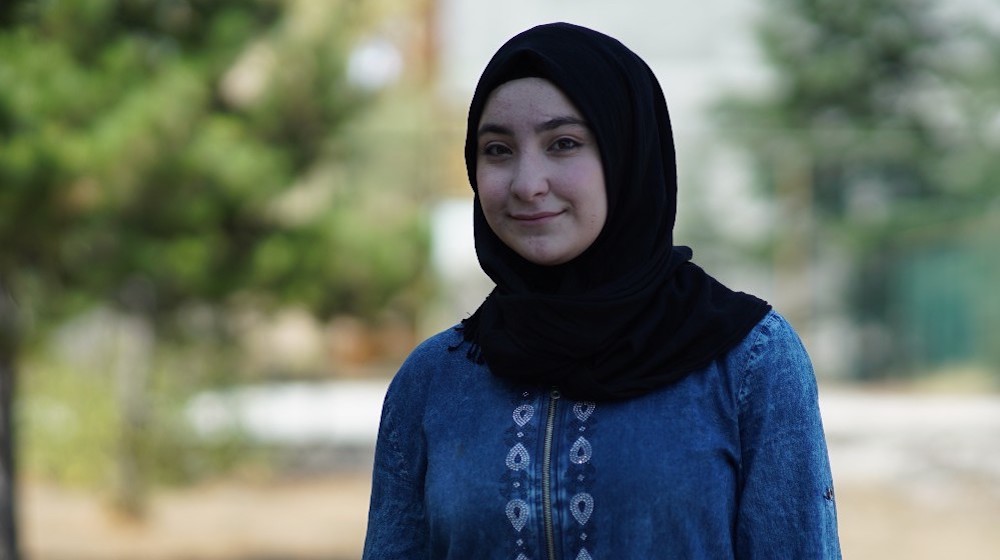
BELGRADE, Serbia/LAGHMAN PROVINCE, Afghanistan /ESKİŞEHİR, Turkey, 11 February 2021 (UNFPA)* – How much is a girl worth? If you are Maja, the answer is a chicken, a six-pack of beer and €100. That is how much her family, living in a Roma settlement in Serbia, received in exchange for her hand “in marriage.” She was 11 years old at the time. “They benefited maybe a month from it, and I was left with a problem for my whole life,” Maja, now 18, said.
“My three sisters didn’t do much better. One gave birth when she turned 13. They were not sold, but they ran away from our mother at an early age. I was the only one who was sold.”
Ambition drove the military’s coup. But long before that, the country’s deposed leader squandered many opportunities for real change.
.
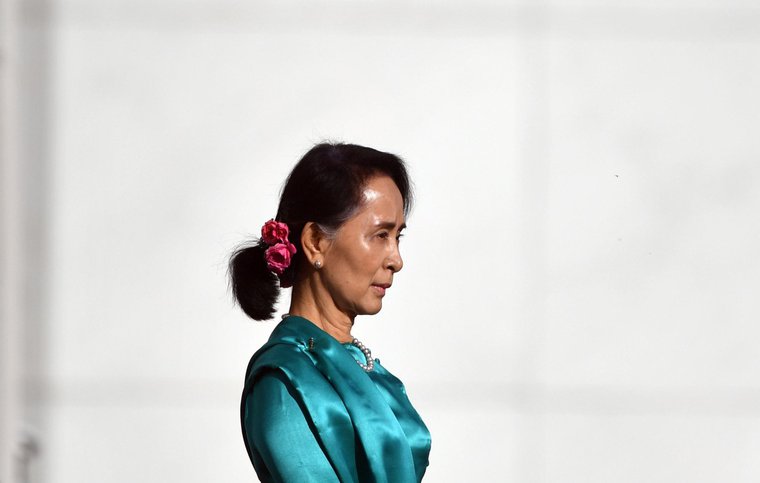
PA Images | Aung San Suu Kyi ‘failed to pay attention’ to Myanmar’s ethnic groups.
12 February 2021 (openDemocracy)* — The Myanmar coup is a sad and onerous turn of events for a country with a long and unhappy experience of military rule. It is important to note that this is not an institutional crisis. What we are witnessing is a squabble among court factions for the throne.
10 February 2021 (UN News)* — The challenge of tackling climate change is one that the UN needs to talk about “honestly, without scaremongering” and by focusing on scientific fact, according to Inger Andersen, the Executive Director of the UN Environment Programme (UNEP).
The UN agency which Ms Andersen describes as the “environmental conscience of the United Nations”, is at the centre of the global debate about sustainability, the environment and climate change.
The UNEP chief was interviewed by the Under-Secretary-General for Global Communications at the UN, Melissa Fleming, as part of the podcast series Awake at Night.
The United Nations will commemorate World Radio Day on Feb. 13
Jessica Love is the Executive Director of AfricAid, which supports robust, locally-led mentorship initiatives that cultivate confidence, improve academic and health outcomes, and promote socially-responsible leadership skills. Learn more at AfricAid.org.
Kisa Project Manager, Hadija Hassan, records the Tanzania-based GLAMI’s first radio program, about Personal Leadership, at the studio. Courtesy: AfricAid/GLAMI
DENVER, Colorado, Feb 12 2021 (IPS)* – Last fall, a 45-year-old father of four named Moses turned on the radio at his home in Arusha, Tanzania.
Searching for his favorite station, he heard the introduction to a program about girls that he would later describe as ‘ear-catching.’ He wanted to know what would come next.
He had stumbled upon “Safari ya Binti” (A Girl’s Journey), a pilot radio program created by GLAMI (Girls Livelihood and Mentorship Initiative), a Tanzanian NGO that runs extracurricular mentoring programs for secondary school girls.
The United Nations Multidimensional Integrated Stabilization Mission in Mali (MINUSMA), through a Quick Impact Project, supports community radio in Gao, Mali. PHOTO: UN Photo/Harandane Dicko
12 February 2021 (United Nations)* — World Radio Day 2021 (WRD 2021) celebrates radio as part of humanity’s history by following the various developments in our society and adapting its services. As the world changes, so does radio.
Thus, during the Covid-19 pandemic, radio made it possible, for example, to ensure continuity of learning, to fight against misinformation, and to promote barrier gestures.
“New World, New Radio” is, therefore, an ode to the resilience of radio. It is a tribute to its capacity for perpetual adaptation at the rate of societal transformations and listeners’ new needs. Accessible anywhere and anytime, radio reaches a broad audience. It presents itself as an arena where all voices can be expressed, represented, and heard hence why radio is still the most consumed medium worldwide today.




 HUMAN WRONGS WATCH