(UN News)* — Greater understanding of the ocean is essential if the world is to recover better from the COVID-19 pandemic and achieve agreed targets on sustainable development and climate action, UN Secretary-General António Guterres on 21 April 2021 said in launching a major study on what he called “the life support system of our planet.”
Coral Reef Image Bank/Michele Roux | A turtle swims in the ocean in Martinique in the Caribbean.
The second World Ocean Assessment (WOA II) is the work of hundreds of scientists from across the globe and follows an initial report published in 2015.
It warns that many benefits the ocean provides are increasingly being undermined by human actions, the UN chief said, describing the findings as alarming.
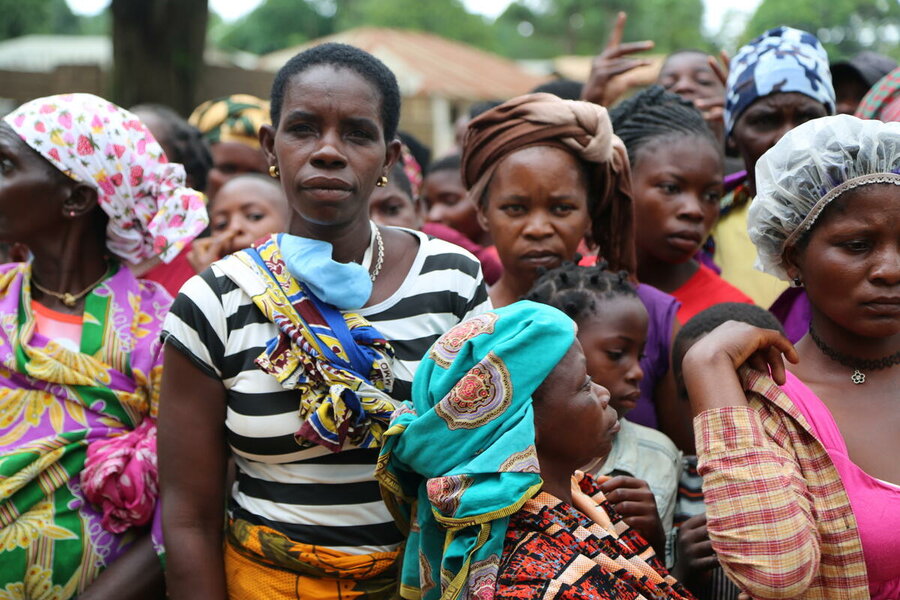
International Council of Voluntary Agencies rallies Oxfam, Save the Children and 258 other organizations after World Food Programme’s warning on increasing levels of hunger
Mozambique: Displaced people receive assistance in Mueda in Cabo Delgado having escaped the violence in Palma. Photo: WFP/Shelley Thakral
20 April 2021 (WFP)* — Humanitarian agencies around the world have joined forces to warn that rising hunger levels are going to lead to famines unless urgent action is taken.
“Ending the war as soon as possible is the only rational and humane thing to do,” said a co-director of the Costs of War Project.
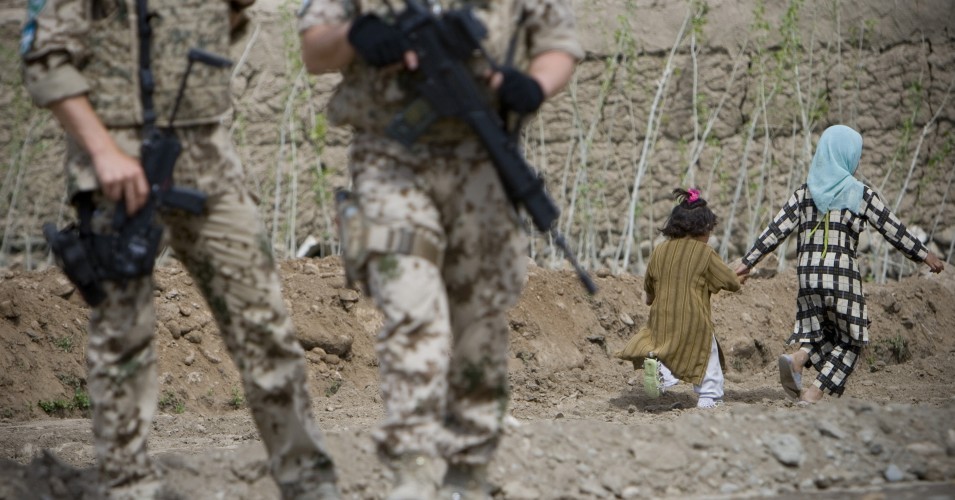
Since the 2001 U.S. invasion of Afghanistan, the war has cost trillions of dollars and nearly a quarter-million lives. (Photo: Veronique de Viguerie/Edit by Getty Images)
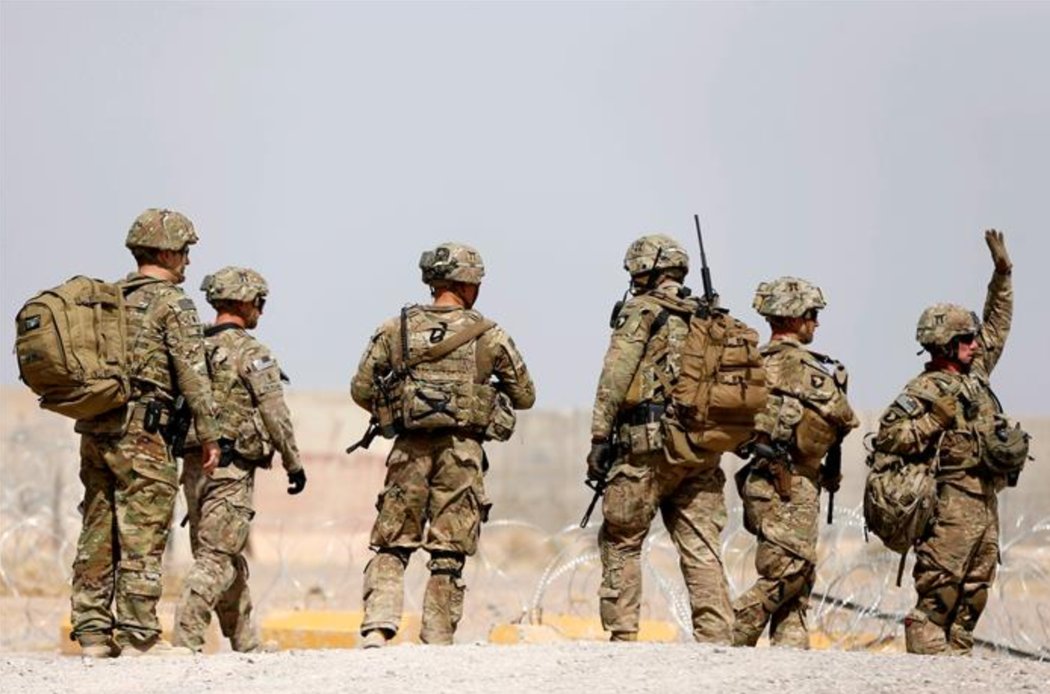
In the wake of President Joe Biden’s announcement that he plans to withdraw all regular U.S. combat troops from Afghanistan by this year’s anniversary of the September 11, 2001 attacks, experts at the Costs of War Project on Friday released an update on what nearly two decades of war has cost in both dollars and human lives.
22 April 2021 (United Nations) — Mother Earth is clearly urging a call to action. Nature is suffering. Oceans filling with plastic and turning more acidic. Extreme heat, wildfires and floods, as well as a record-breaking Atlantic hurricane season, have affected millions of people. Now we face COVID-19, a worldwide health pandemic link to the health of our ecosystem.
A young child participates in a plant workshop organized by UNDP Peru and FAO in Ayacucho, Peru. | PHOTO:UNDP Peru
New York/Geneva, 19 April 2021 (WMO)* – Extreme weather combined with COVID-19 in a double blow for millions of people in 2020.
However, the pandemic-related economic slowdown failed to put a brake on climate change drivers and accelerating impacts, according to a new report compiled by the World Meteorological Organization (WMO) and an extensive network of partners.
19 April 2021 (UN News)* — The Earth’s temperature continues to rise unabated, with 2020 being one of the three warmest years on record, as extreme weather events combine with the COVID-19 pandemic, impacting millions.
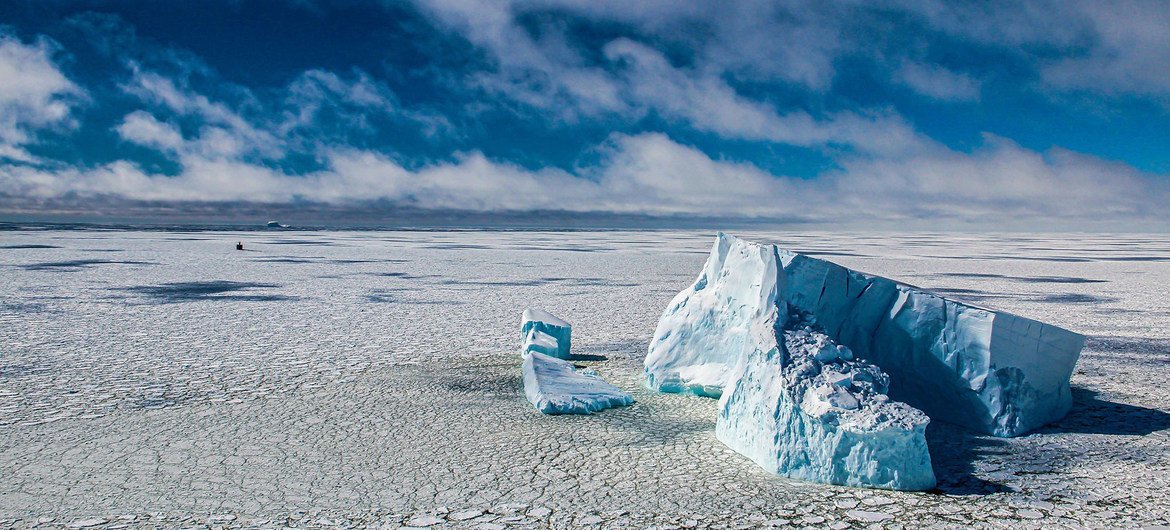
WMO/Gonzalo Bertolotto | Icebergs in the Bellingshausen Sea in Antarctica.
According to the World Meteorological Organization’s (WMO) flagship State of the Global Climate report, the global average temperature in 2020 was about 1.2-degree Celsius above pre-industrial level.
That figure is “dangerously close” to the 1.5-degree Celsius limit advocated by scientists to stave off the worst impacts of climate change.
BOSTON and KUALA LUMPUR, Apr 20 2021 (IPS)* – Since the Alliance for a Green Revolution in Africa (AGRA) was launched in 2006, yields have barely risen, while rural poverty remains endemic, and would have increased more if not for out-migration.
Timothy A. Wise
AGRA was started, with funding from the Bill and Melinda Gates Foundation and the Rockefeller Foundation, to double yields and incomes for 30 million smallholder farm households while halving food insecurity by 2020.
There are no signs of significant productivity and income boosts from promoted commercial seeds and agrochemicals in AGRA’s 13 focus countries. Meanwhile, the number of undernourished in these nations increased by 30%!
When will we ever learn?
What went wrong? The continuing Indian farmer protests, despite the COVID-19 resurgence, highlight the problematic legacy of its Green Revolution (GR) in frustrating progress to sustainable food security.
Giving a voice to soil organisms – our silent allies in the fight against hunger. FAO-hosted Global Symposium on Soil Biodiversity kicks off
Closeup of worm culture. Worms are used to improve soil quality.
ROME, 20 April 2021 (FAO)* –– The Global Symposium on Soil Biodiversity hosted by the Food and Agriculture Organization of the United Nations (FAO) on 19 April 2021 kicked off with a call to preserve this vast community of living soil organisms and the vital ecosystem services they provide.






 HUMAN WRONGS WATCH