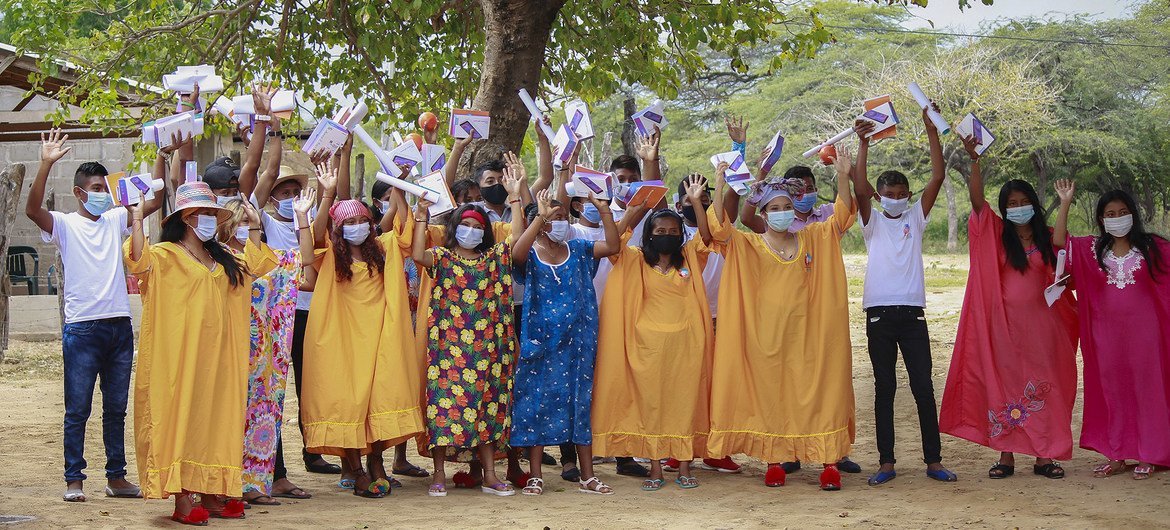
(UN News)* — Although they represent the greater part of the world’s cultural diversity and speak the major share of its languages, indigenous people are three times more likely to live in extreme poverty, the UN chief told the opening session of the UN Permanent Forum on Indigenous Issues on Monday [19 April 2021].
El Origen Foundation | Indigenous students from the El Origen Foundation in La Guajira, Colombia.
And as their languages and cultures remain under constant threat, indigenous peoples have taken a major blow from the COVID-19 pandemic. “An already vulnerable group risks being left even further behind”, warned Secretary-General António Guterres.
Rome/Lima (FAO)* – Latin America and the Caribbean “are truly a pillar for world food security,” QU Dongyu, Director-General of the Food and Agriculture Organization of the United Nations (FAO), on 16 April 2021 said in an address to more than 30 ministers from the region and North America.
Growing potatoes in Peru.
Addressing the Third Hemispheric Meeting of Ministers and Secretaries of Agriculture of the Americas, the Director-General hailed the region’s contribution to preventing the COVID-19 health crisis from becoming a food crisis. “Now you need to be the architects of recovery, a recovery with transformation,” he urged.
In this video Sam Olukoya interviews a young woman who was trafficked from her home in Nigeria after recruiters promised her a better life in Europe. Instead she was abandoned in Libya and sexually assaulted and abused.
BENIN CITY, Nigeria, Apr 16 2021 (IPS)* – Sandra* had a baby born of rape. The young Nigeria woman had plans of a better life in Europe, but when her ‘recruiters’ abandoned her in Libya she was sexually assaulted and abused.
But after being deported back to Nigeria Sandra and her young son face daily discrimination and abuse about the boy’s parentage, even from her own mother and friends.
But we need only look around us to see that hysteria has never been more alive – just consider the run on toilet paper at the beginning of the COVID-19 pandemic. Or the consumer hysteria every Black Friday, or the overheated discussions taking place on Facebook and Twitter every day.
15 April 2021 (FAO)* — In 1826, the genial French gastronome Brillat-Savarin penned the phrase “Tell me what you eat, and I will tell you what you are.”
Two hundred years later, pathbreaking research suggests that what we eat doesn’t just give us fuel and pleasure but also feeds the trillions of microbes in our gut microbiome, and thus constitutes one of the most consequential interactive exposures we have to our environments.
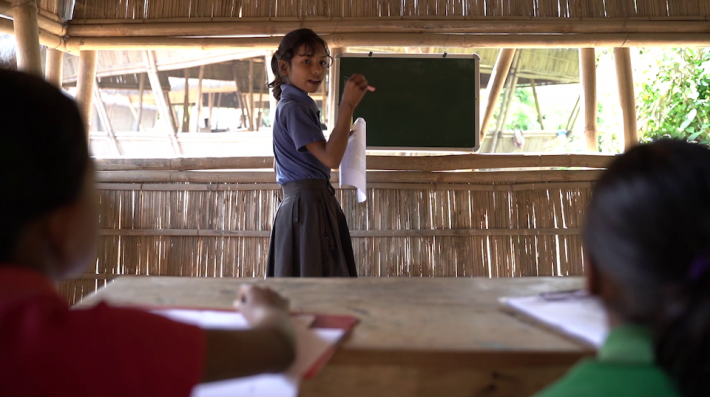
16 April 2021 (UNEP)* — Deepika Hemrom’s parents pay her school fees with plastic. Not Master Card or Visa but actual plastic waste.
Photo: Akshar Foundation / 16 Apr 2021
They are participating in a ground-breaking scheme in Assam, India, that allows low-income families to use single-use plastic in lieu of money to pay for private schooling.
Deepika’s parents are manual labourers and this unique payment method means the 13-year-old, who dreams of becoming a doctor, can access a quality education, which would otherwise be out of her family’s financial reach.
NEW YORK and NAIROBI, Apr 15 2021 (IPS)* – Last week Ministers of Finance met virtually at the Spring Meetings of the International Monetary Fund (IMF) and the World Bank to discuss policies to tackle the pandemic and socio-economic recovery.
Map of countries with projected austerity cuts in 2021-2022, in terms of GDP, based on IMF fiscal projections. Credit: I. Ortiz and M. Cummins, 2021
15 April 2021 — United States President Joe Biden called in early February for “ending all American support for offensive operations in Yemen, including relevant arms sales.”
At the time, I, like many human rights advocates who have been documenting abuses committed during the armed conflict in Yemen, thought we were finally moving in the right direction after years of work.
Dispelling myths around the starvation and disease that could kill 34 million people
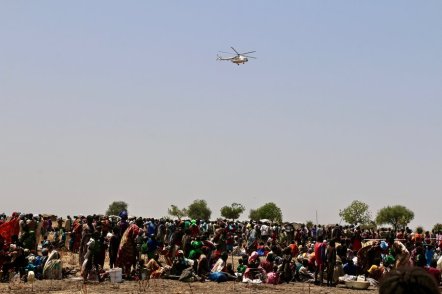
FLASHBACK: A WFP helicopter arrives in Thonyor Payam, Leer County, as famine is declared in South Sudan in 2017. Photo: WFP/George Fominyen
14 April 2021 (WFP)* — A staggering 34 million people in 20 countries are teetering on the brink of famine, with immediate action needed to avert huge loss of life. In Yemen and South Sudan 155,000 people are already suffering famine or famine-like conditions, with conflict, insecurity and resulting displacement putting people at imminent risk of starvation.
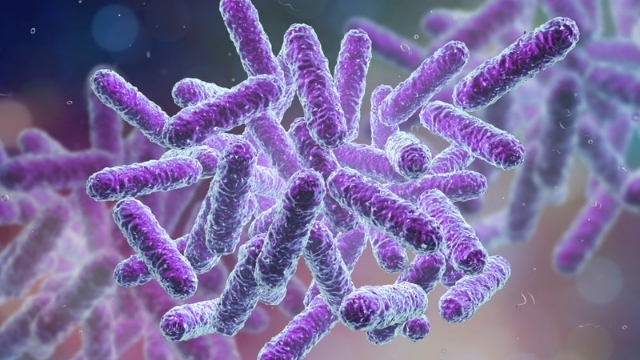
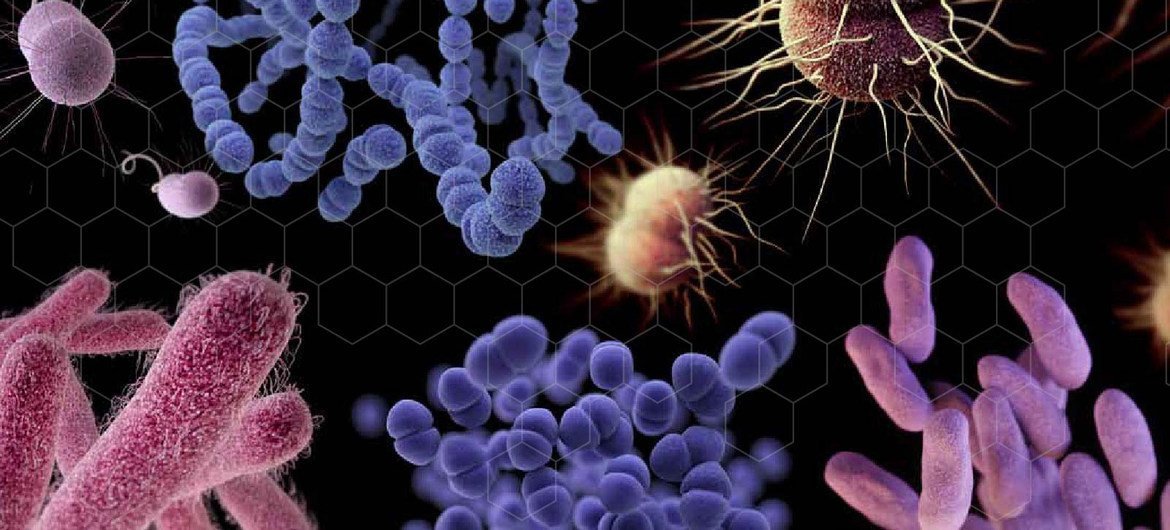
(UN News)* — A lack of new treatments for common infections has left people dangerously exposed to the “world’s most dangerous bacteria”, the UN health agency said on Thursday [15 April 2021].
CDC | A shortage of new treatments for serious illnesses has left people dangerously exposed to the world’s most dangerous bacteria.
The alert from the World Health Organization (WHO) is delivered in a report showing that none of the 43 antibiotics in development today sufficiently addresses the growing threat posed by 13 priority drug-resistant bacteria.
“The persistent failure to develop, manufacture, and distribute effective new antibiotics is further fuelling the impact of antimicrobial resistance and threatens our ability to successfully treat bacterial infections,” said Dr. Hanan Balkhy, WHO Assistant Director General on antimicrobial resistance.




 HUMAN WRONGS WATCH