New coalition to scale up programmes across the world
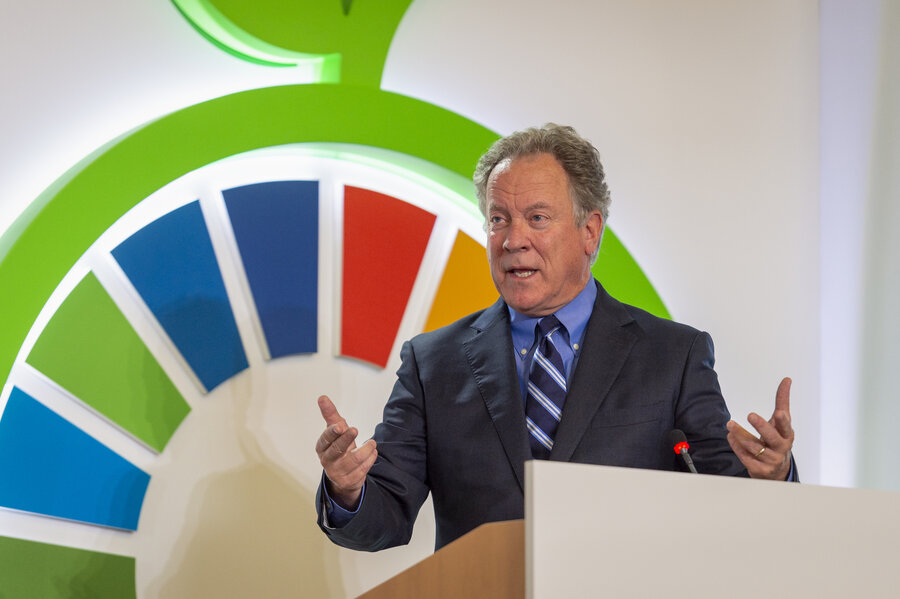
WFP Executive Director David Beasley describes the importance of school meals during a session on the new School Meals Coalition, as part of the UN Food Systems Pre-Summit in Rome. Photo: WFP/Giulio d’Adamo
The price of failing to fund children’s school meals far outweighs the cost of such programmes, World Food Programme (WFP) Executive Director David Beasley said on 28 July 2021.
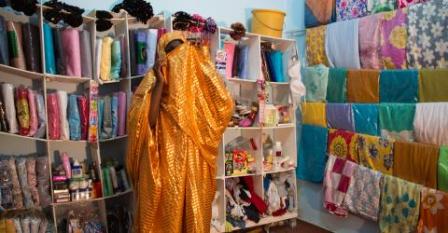
Nasra suffered from distance, pressure, racism and injustice in a context she thought was safe. In her migratory journey, she was a victim of trafficking. Photo: Sibylle Desjardins / IOM
“I wanted to go to France to continue my education, but I failed to secure the required resources and support,” she says.
“I couldn’t make the journey through regular channels so friends proposed we travel through Libya. We sold an uncle’s vehicle to pay XOF 1,000,000 (EUR 1,500) to a Burkinabé smuggler.”
Life then took a grim turn. Mariam travelled through Algeria and Libya, where she was sequestered under harsh and humiliating conditions. She was trafficked, primarily for prostitution and sexual slavery.
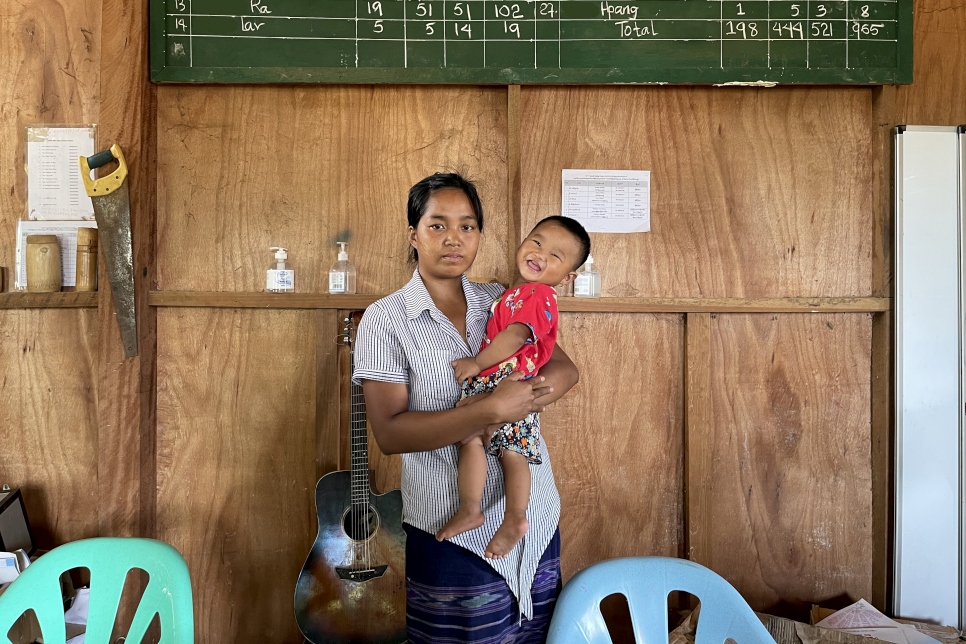
By Reuben Lim Wende in Myitkyina, Myanmar | UNHCR*
UNHCR is partnering with local communities and faith groups to help an estimated 200,000 people driven from their homes by fresh violence since February’s military takeover.| Español | Français | عربي
Armed conflict is sadly nothing new for 27-year-old Nway Nway Htay. An ethnic Rakhine woman originally from Myanmar’s western Rakhine State, she became familiar with the sounds of artillery and gunfire as the Myanmar Armed Forces, locally known as the Tatmadaw, battled ethnic armed groups in her native state. Security was something she constantly worried about.
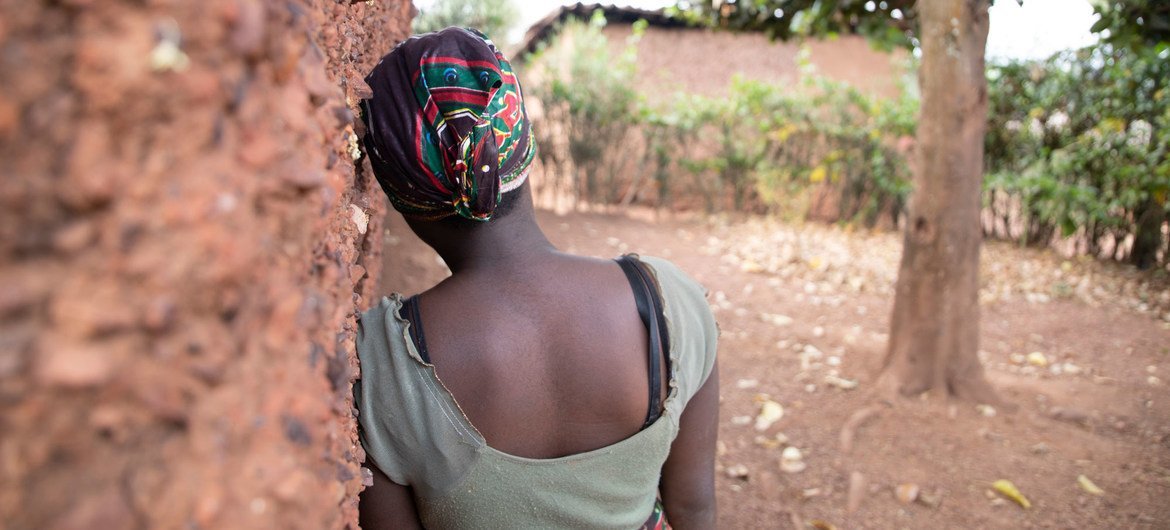
30 July 2021 (UN News)* — A teenage girl who was sold for sex for the price of a few beers as a twelve-year-old, has told the United Nations how she was trafficked between Burundi and Tanzania in East Africa.
Munni was married at age 14, but her husband left her when she became pregnant – she was later sold to a brothel by a man offering to find her a job. Photo: UNICEF/Shehzad Noorani
(United Nations)* — Human trafficking is a crime that exploits women, children and men for numerous purposes including forced labour and sex. Since 2003 the UN Office on Drugs and Crime (UNODC) has collected information on about 225,000 victims of trafficking detected worldwide.
Globally countries are detecting and reporting more victims and are convicting more traffickers. This can be the result of increased capacity to identify victims and/or an increased number of trafficked victims.
In the midst of a global pandemic, accompanied by rising inequalities and economic devastation, the voices of human trafficking survivors and victims risk being drowned out.
But listening to their stories is more crucial than ever as the COVID-19 crisis increases fragilities and drives up desperation.
As many as 124 million more people have been pushed into extreme poverty by the pandemic, leaving many millions vulnerable to trafficking.
Children are at great and growing risk: they represent one-third of victims globally — a share that has tripled in the last 15 years. Half of victims in low-income countries are children, most of whom are trafficked for forced labour.
The stories of human trafficking survivors illustrate the impact of survivor engagement and the need for victim empowerment – each story shows the motivation to engage in anti-trafficking efforts. PHOTO:United Nations Office on Drugs and Crime
(United Nations)* — This year’s theme puts victims of human trafficking at the centre of the campaign and will highlight the importance of listening to and learning from survivors of human trafficking.
The campaign portrays survivors as key actors in the fight against human trafficking and focusses on the crucial role they play in establishing effective measures to prevent this crime, identify and rescue victims and support them on their road to rehabilitation.
HAMILTON, Ontario, Canada, Jul 29 2021 (IPS)* – In 1995, a highly-respected water expert in South Africa, Bill Pitman, in very concise terms illustrated that the country, already battling a growing lack of water then, would likely run out in 25 years if it did not increase its supply.
Credit: UNICEF
Twenty-five years have now passed and the country is thirstier than ever.
The recent water crisis in Cape Town is just one manifestation of the nation’s chronic water scarcity. And there is likely more water trouble ahead.
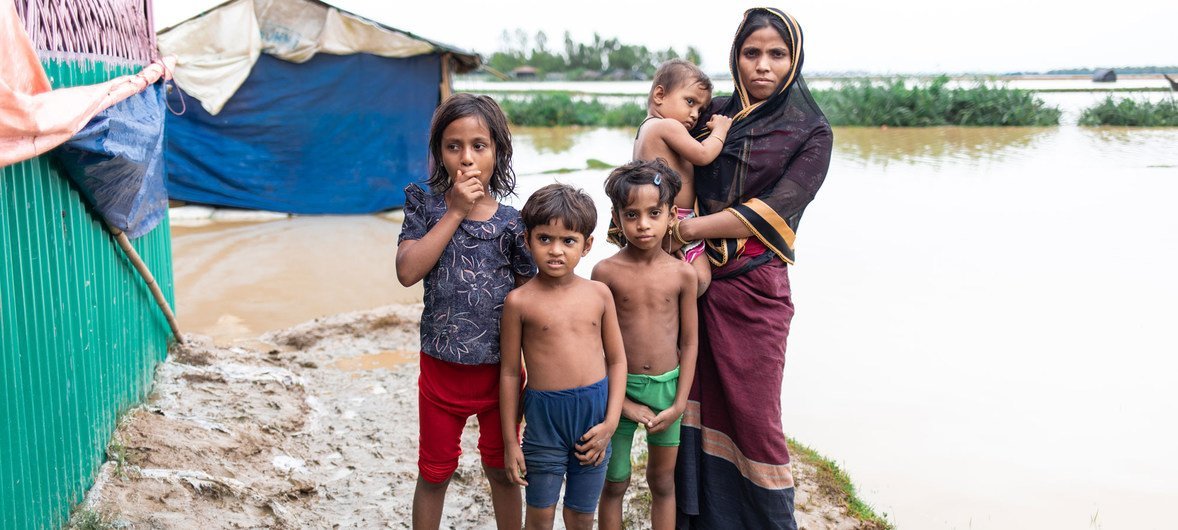
(UN News)* — Three days of strong winds and heavy monsoon rain on sprawling refugee sites in Bangladesh’s Cox’s Bazar have taken Rohingya refugee lives and wreaked havoc and destruction, the UN refugee agency said on Wednesday [28 July 2021].
WFP/Nihab Rahman | Strong winds and heavy monsoon rain in Bangladesh’s Cox’s Bazar have taken a severe toll on Rohingya refugees sheltering there, much as it did to the family photographed here in 2019.
.
While initial reports revealed that an estimated 2,500 shelters were damaged or destroyed – affecting more than 12,000 refugees, in the last 24 hours alone, the Office of the UN High Commissioner for Refugees (UNHCR) said that nearly a foot of rain fell on camps hosting more than 800,000 Rohingya refugees.
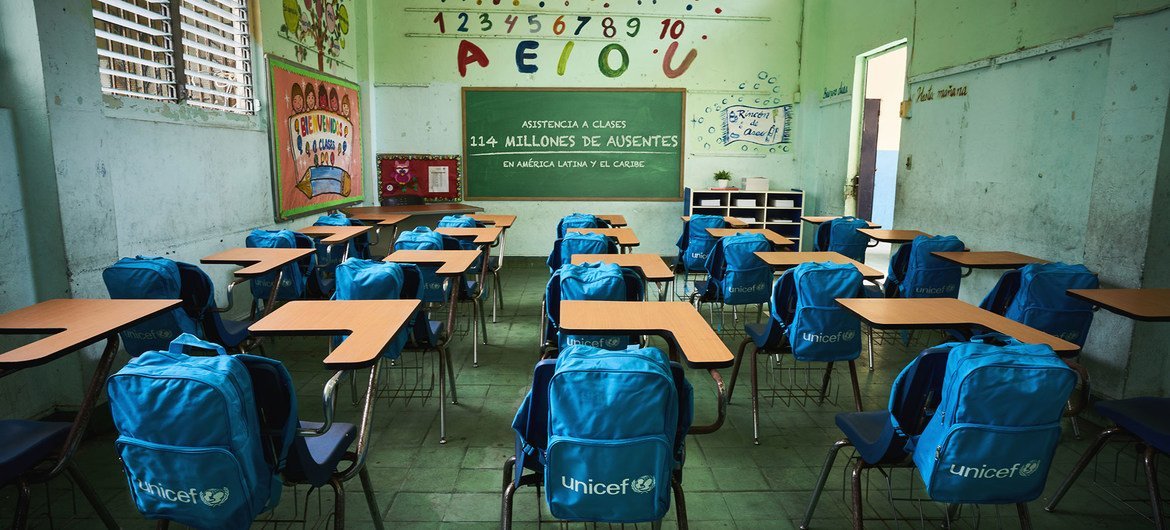
(UN News)* — A culture of “safety, friends and food” at school has been replaced by “anxiety, violence, and teenage pregnancy”, with remote learning out of reach for millions, the UN Children’s Fund, UNICEF, on 27 July 2021 said.
Due to the COVID-19 pandemic, “more than 600 million children in countries not on academic break are still affected by school closures”, James Elder, UNICEF spokesperson at a press conference at UN Geneva.


 HUMAN WRONGS WATCH