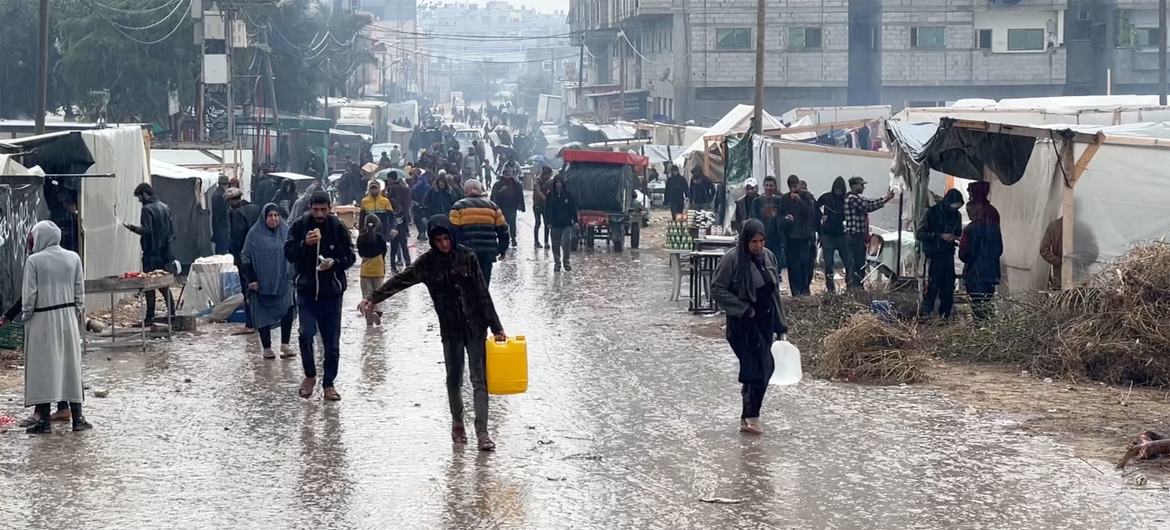
(UN News)* —Any move by Israel to extend its full-scale invasion of Gaza into the massively overcrowded southern city of Rafah could lead to war crimes which must be prevented at all costs, the UN aid coordination office, OCHA, said on Tuesday [].
“We, as the UN and Member States of the UN, can bear witness,” OCHA spokesperson Jens Laerke told journalists in Geneva.
“We can make clear what the law says: under international humanitarian law, indiscriminate bombing of densely populated areas may amount to war crimes.”
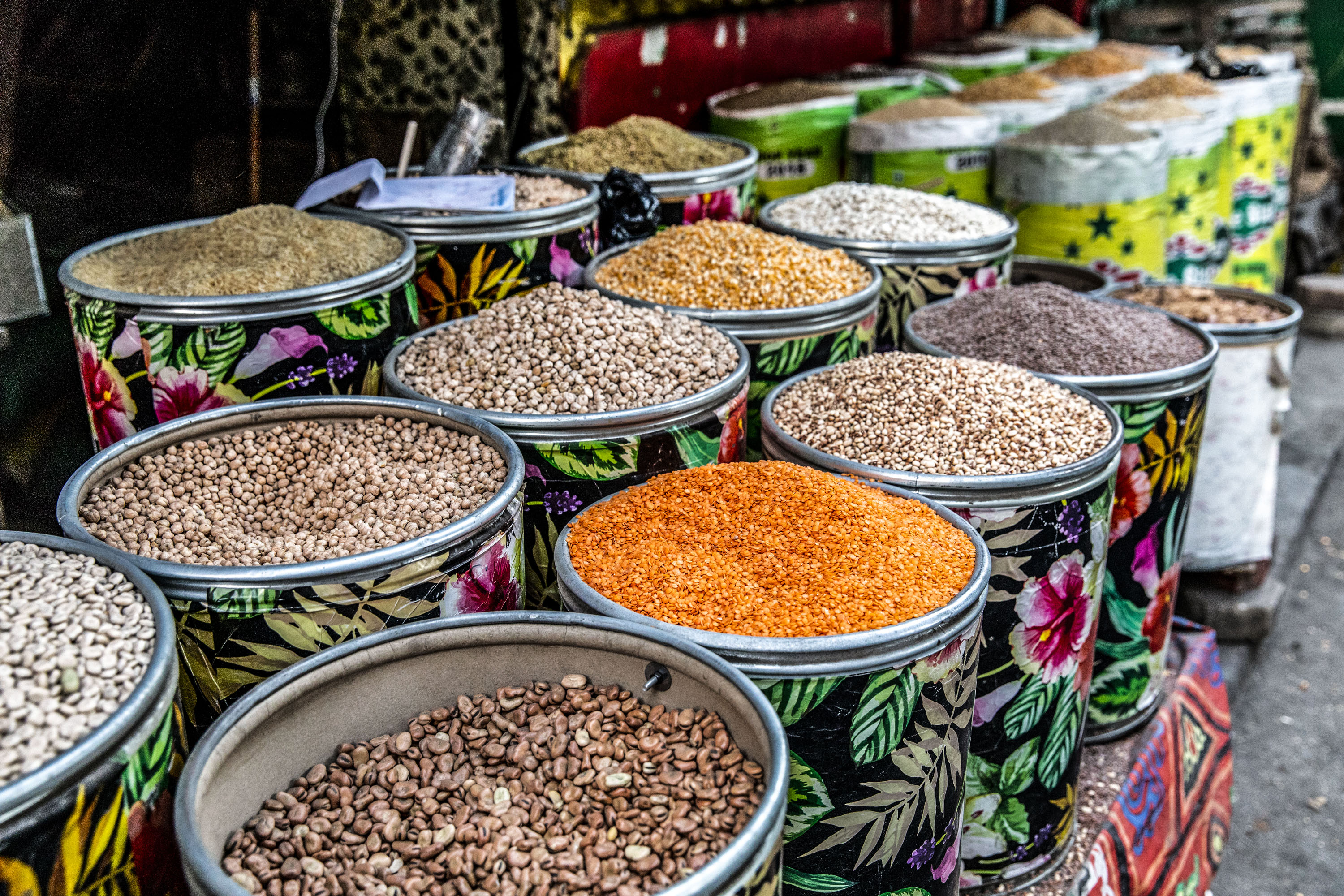
5 February 2024 (FAO)* —They are the dried edible seeds of legumes both cultivated for food and feed. They are pulses, and if you didn’t know already, they have the potential to transform our agrifood systems.
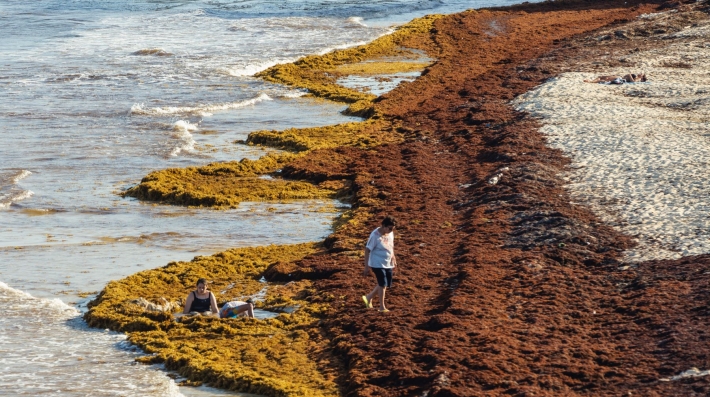
(By UNEP)* — For months last year, Florida’s beachgoers were plagued by rotting tangles of decaying seaweed that had washed ashore. Known technically as sargassum, the thick clumps were part of a record-setting 8,000-kilometre-long seaweed belt in the Atlantic Ocean.
Sargassum blooms cause a range of environmental problems, including coastal “dead zones” bereft of aquatic life. Past sargassum outbreaks have been linked to the excessive release of phosphorus and other chemical substances known as nutrients.
Phosphorus and another nutrient, nitrogen, are key ingredients in synthetic fertilizers. They have become increasingly popular in recent decades but can have devastating effects when they enter lakes, rivers and the ocean.
COPENHAGEN, Denmark, Feb 2 2024 (IPS)* –Two months ago, an opinion piece I wrote, “The Cries of Gaza Reach Afghanistan,” was published with the hope of reminding American and other Western leaders of how quickly wars ON terror descend into wars OF terror because of their disproportionate impact on civilians and the unpredictability once unleashed.
.
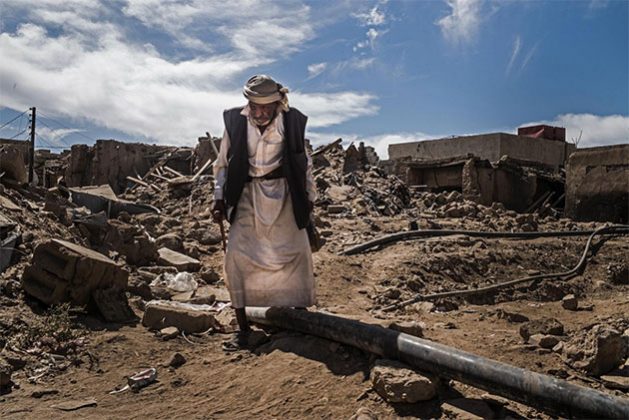
Sa’ada, Yemen. Aftermath of a Saudi airstrikes. Credit: Ghaith Abdul-Ahad
The United States and its Western alliance of ‘forever wars’ since 9/11 were all entered under the pretext of defeating terrorism. Instead, they strengthened the political and military standing of those they aimed to destroy while simultaneously causing unimaginable suffering for millions of civilians, including their own citizens.
UNRWA SITUATION REPORT #71 ON THE SITUATION IN THE GAZA STRIP AND THE WEST BANK, INCLUDING EAST JERUSALEM — January 30, 2024
Key Points
The Gaza Strip
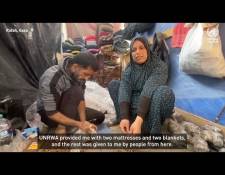
Intense fighting in/around Khan Younis (southwest of Gaza) over the last eight days is causing loss of life and damage to civilian infrastructure, including UNRWA’s largest shelter in the southern area, the Khan Younis Training Centre (KYTC).
As of 29 January 2024, the total number of UNRWA colleagues killed since the beginning of hostilities has increased by one and is now 152.
As of 29 January, up to 1.7 million* people (over 75 per cent of the population) ** have been displaced across the Gaza Strip, some multiple times.***
ABUJA , Feb 1 2024 (IPS)* – One day in October 2020, Serah Akpan, 70, was seated in her house at Boki Local Government in Cross River, southern Nigeria, when she heard the murmurings of irate youth outside. Before she could grasp what was really happening, they had broken into her house, bundled her outside, and threatened to kill her for allegedly being a witch.
This elderly woman was marginalized as a ‘witch’ in Southern Nigeria. Her face has been obscured to protect her identity. Credit: Peace Oladipo.
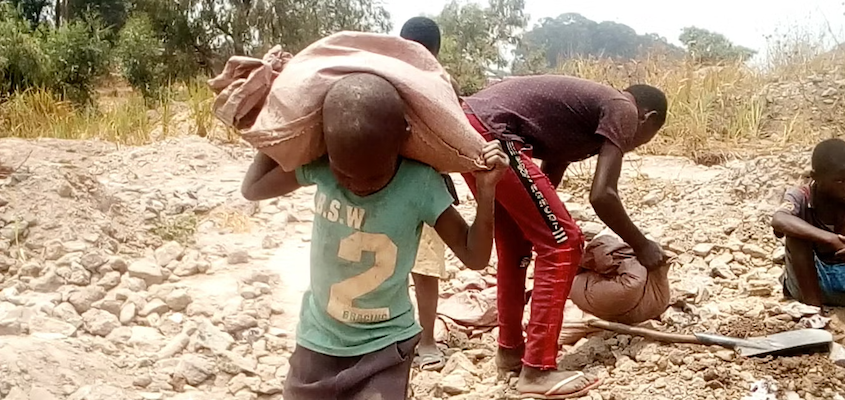
Siddarth Kara’s book exposes the exploitation behind the Fourth Industrial Revolution.
Photo Courtesy of Siddharth Kara
“Unspeakable riches have brought the people of the Congo little other than unspeakable pain.” So writes Siddharth Kara in Cobalt Red, How the Blood of the Congo Powers Our Lives. It’s one of the many poetic phrases that make this book easy on the ear but hard on the heart and mind.
There’s pleasure in turning the pages of such finely crafted prose, pain in knowing that, if you have half a heart, you’ll never be able to see your smartphone, laptop, tablet, solar power system, or electric car quite the same way again, that you’ll see blood all over the supply chain that put them in your hand, on your roof, or in your driveway.
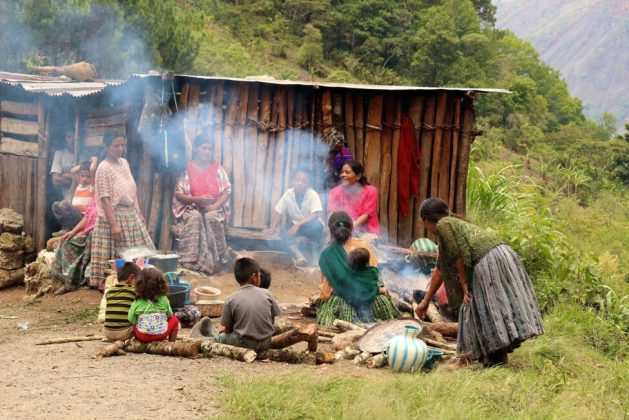
CARACAS, Jan 31 2024 (IPS)* – Rural life in Latin America and the Caribbean continues to be marked by poverty and inequality compared to the towns and cities where the vast majority of the population lives. A new focus on rural life in the region could help reveal and address the challenges and neglect faced by people in the countryside. | En español
A family from the Q’eqchi Mayan indigenous people of Guatemala gathers to share a meal cooked with firewood. Life in many rural areas of Latin America continues to be marked by scarce resources and inequality, in comparison with urban areas. CREDIT: IDB

 HUMAN WRONGS WATCH