WWF’s flagship Living Planet Report details sharp declines in monitored wildlife populations with the steepest drops recorded in Latin America and the Caribbean (95%), Africa (76%) and Asia–Pacific (60%), followed by North America (39%) and Europe and Central Asia (35%).
Washington, DC (October 9, 2024) –There has been a catastrophic 73% decline in the average size of monitored wildlife populations* in just 50 years (1970-2020), according to World Wildlife Fund‘s (WWF) Living Planet Report 2024.
‘De-escalation now’ – WFP warns against spreading Middle East crisis
As conflict hopscotches from Gaza to Lebanon, WFP’s Lebanon Country Director describes the grim fallout and growing humanitarian needs
.
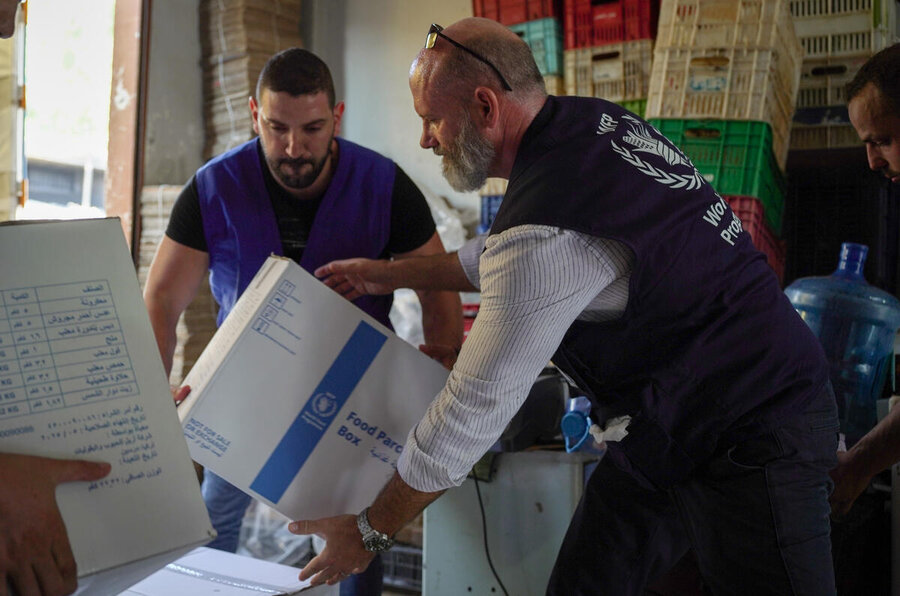
WFP Lebanon Country Director Matthew Hollingworth (R) helps transport our food assistance for conflict-hit people in southern Lebanon. Photo: WFP/Mohammed Awadh
1(WFP)* — Matthew Hollingworth has seen this all before.
(UNEP)* —They pollute the air. They warm the planet. They prevent crops from growing. Overall, super pollutants are a pretty nasty group of chemical compounds – and unfortunately, they’re all around us.
Photo by UNEP
A new video from the United Nations Environment Programme (UNEP) looks at some of the most problematic of these creepy critters, including black carbon, which contributes to 4 million deaths a year, and methane, which warms the planet 86 times faster than carbon dioxide.
Despite the pervasiveness of super pollutants, experts say humanity doesn’t have to put up with them. To learn more about what you can do to help, check out this interactive story after you’ve watched the video below.
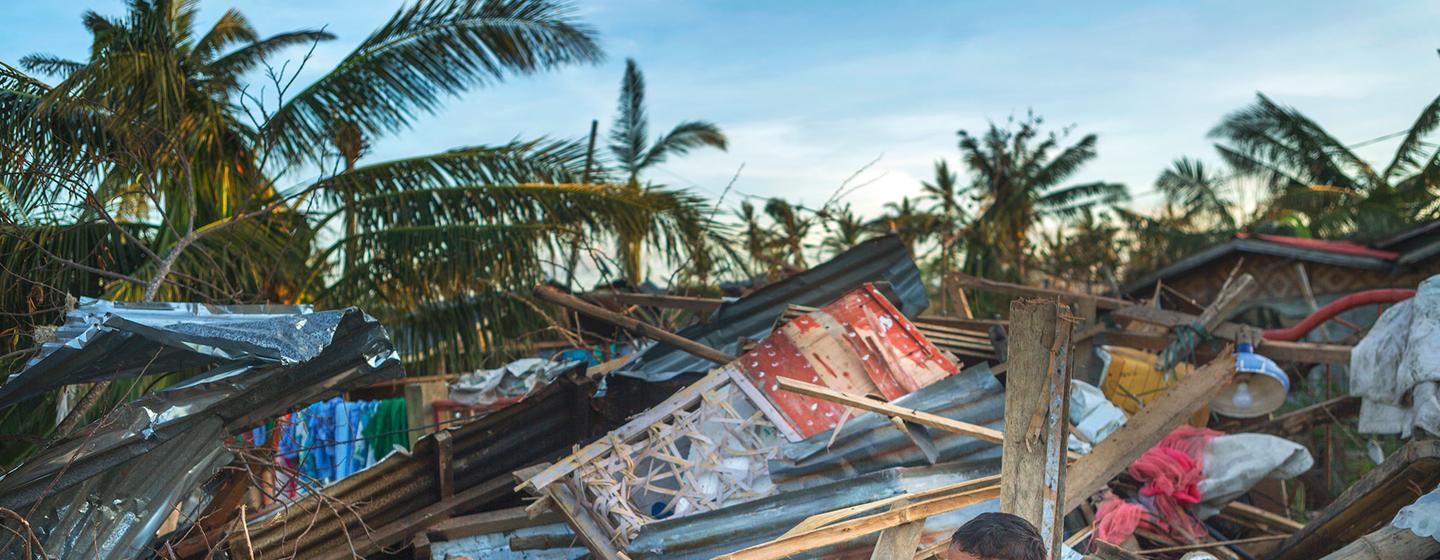
The Philippines is preparing for the possibility of either a super typhoon or a significant earthquake, often referred to by Filipinos as the “big one.”


 HUMAN WRONGS WATCH