MADRID, Dec 17 2024 (IPS)* – Planet Earth is drying up, relentlessly. Over three-quarters of all lands have become permanently drier in the last three decades. This is not jut a statistic but a stark scientific fact. But while such an ‘existential crisis’ affects nearly every region, guess where -and who- are the most hit?
“Without concerted efforts, billions face a future marked by hunger, displacement, and economic decline.” Credit: Desmond Brown/IPS
They are the 1.35 billion humans living in Asia’s drylands, that’s more than half the global total. And they are the 620 millions people who inhabit Africa’s drylands, e.g. nearly half of the continent’s population.
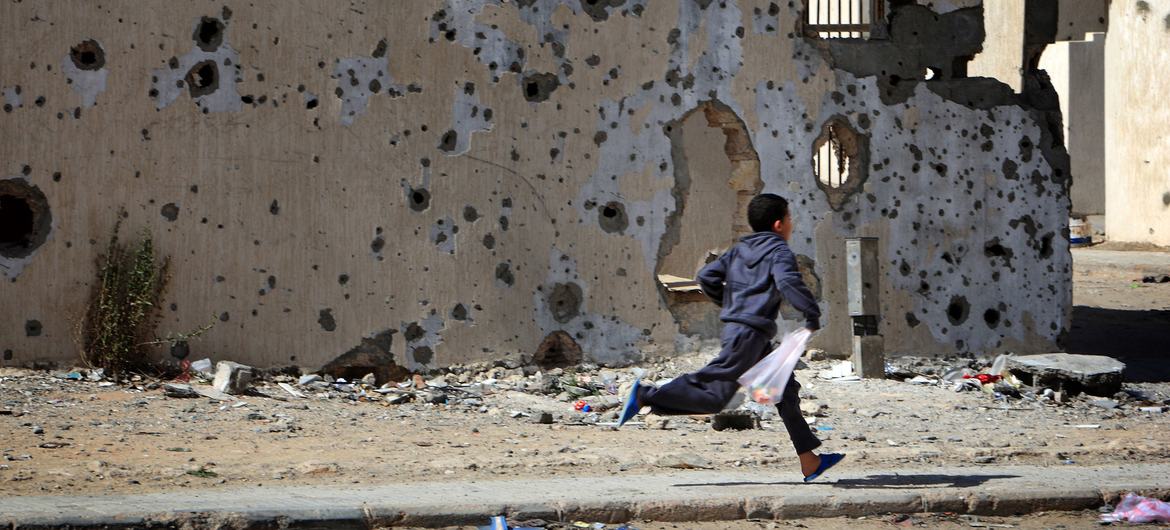
(UN News)* — A new UN plan for Libya aims to overcome political deadlock, put the country back on the path to long-awaited presidential elections and renew the legitimacy of its institutions, the Security Council heard on Monday [].
Stephanie Koury, Deputy Special Representative for Libya and acting head of the UN Support Mission in the country, UNSMIL, briefed ambassadors on the initiative a day after presenting it to the population.
KUALA LUMPUR, Malaysia, Dec 17 2024 (IPS)* –– The new geopolitics after the first Cold War undermines peace, sustainability, and human development. Hegemonic priorities continue to threaten humanity’s well-being and prospects for progress.
Jomo Kwame Sundaram
End of first Cold War The end of the first Cold War has been interpreted in various ways, most commonly as a US triumph.
Francis Fukuyama famously proclaimed the ‘end of history’ with the victory of capitalism and liberal democracy.
With the collapse of the Soviet Union and allied regimes, the US seemed unchallenged and unchallengeable in the new ‘unipolar’ world. The influential US journal Foreign Affairs termed ensuing US foreign policy ‘sovereigntist’.


 HUMAN WRONGS WATCH