Ethiopia, 24 January 2025 – Dr. Tsebaot Meles, a young Ethiopian doctor, turned a distressing personal experience into a mission to transform lives. During a visit to Sekota, a small town in Ethiopia’s Amhara region, Tsebaot faced an unsettling challenge when she tried to purchase sanitary pads.
“I got my period and went to a local shop with my sister,” she recalls.
“To our shock, the male shopkeeper refused to help, reprimanding us for daring to request such an item. He insisted they don’t sell such things there.”
Dr. Tsebaot Meles, social entrepreneur and founder of Ngat Reusable Sanitary Solution based in Addis Ababa. Photo: IOM 2024/Yonatan Teffera Mekonen
UNITED NATIONS, Jan 21 2025 (IPS)* – Perhaps one of the UN’s most ambitious and longstanding projects – the launching of 17 Sustainable Development Goals (SDGs)– is aimed, among other things, at helping developing nations eradicate extreme poverty by 2030. But that elusive goal has made little or no significant progress.
.
Credit: UN Women
And now comes a new report from Oxfam, “Takers Not Makers” which finds that in 2024 alone, billionaires amassed $2 trillion in wealth, and nearly four new billionaires were minted every week.
Education in Afghanistan, Bangladesh, Mozambique, Pakistan and the Philippines most severely affected by heatwaves, cyclones, floods and storms
UNICEF/UNI636920/Himu
NEW YORK (UNICEF)* –At least 242 million students in 85 countries had their schooling disrupted by extreme climate events in 2024, including heatwaves, tropical cyclones, storms, floods, and droughts, exacerbating an existing learning crisis, according to a new UNICEF analysis released on 24 January 2025.
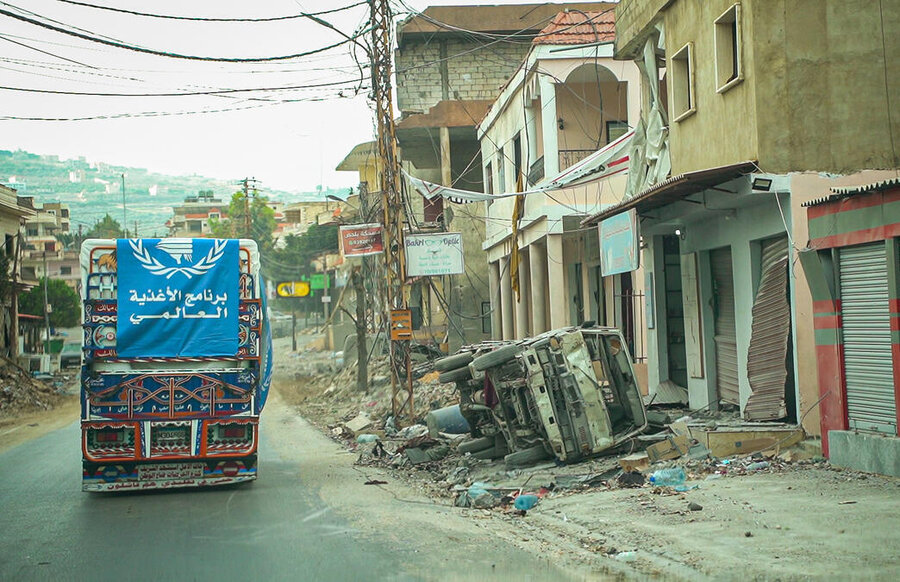
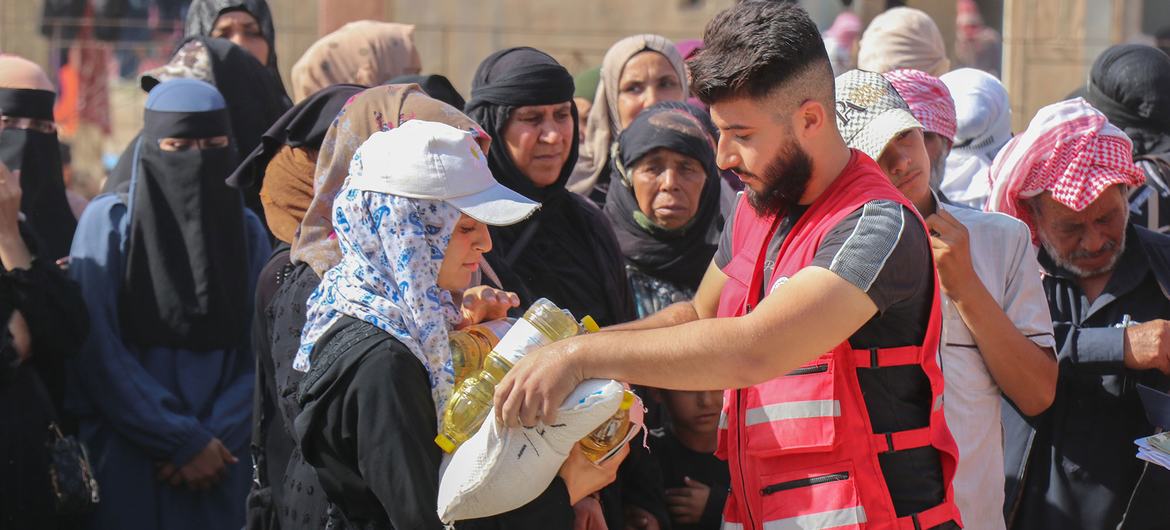
, WFP Staff – After conflict intensified in Lebanon last September, around 1.2 million people were uprooted.
A second humanitarian convoy dispatched by WFP and UNICEF reaches Rmaych, one of the hardest-hit areas near Lebanon’s southern borders, in November. WFP/Mohammed Awadh
“While many are now returning home,” said Matthew Hollingworth, Country Director for the World Food Programme (WFP) in Beirut, others “face the devastating reality of having no home to return to.”
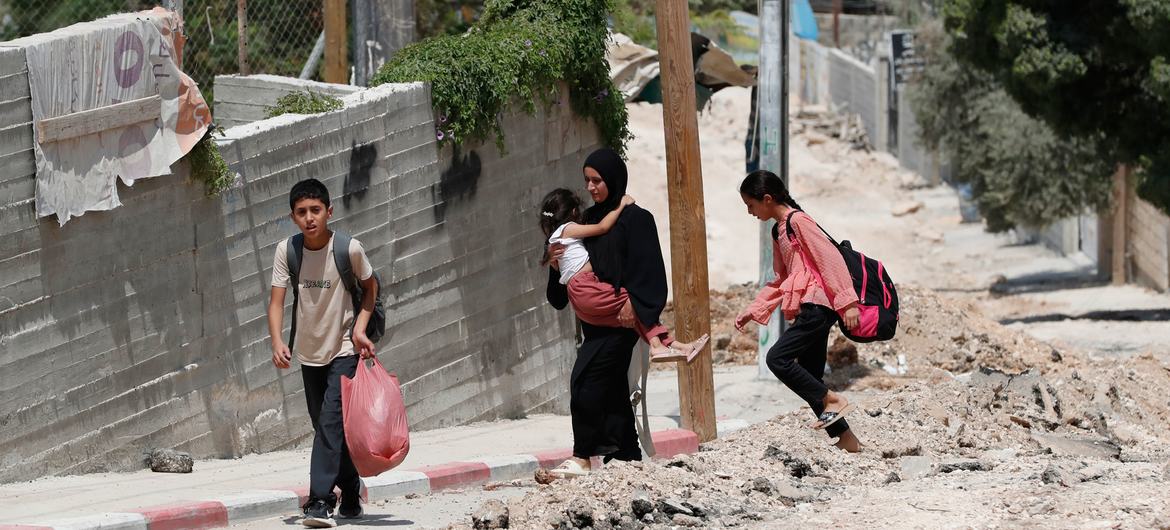
(UN News)* — The UN human rights office, OHCHR, on Friday [] expressed grave concerns over escalating violence in the Jenin area of the occupied West Bank, condemning the use of “unlawful lethal force” by Israeli security forces.
OHCHR spokesperson Thameen Al-Kheetan added that the Israeli military operation in and around the Jenin refugee camp had involved “disproportionate” use of force, including airstrikes and shootings that reportedly targeted unarmed residents.
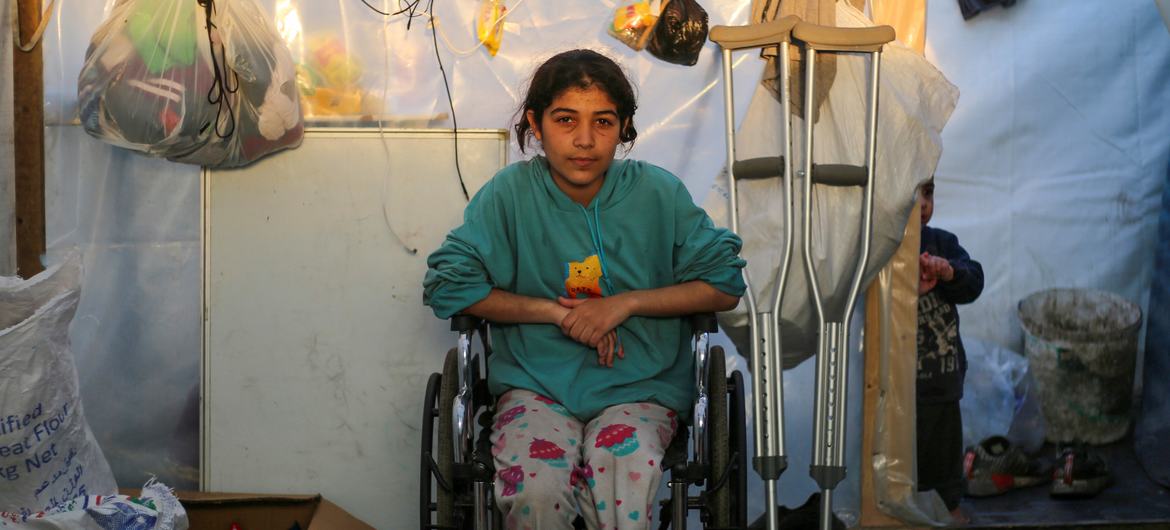
(UN News)* — In a rare moment of cautious optimism, UN Emergency Relief Coordinator Tom Fletcher addressed the Security Council on the dire humanitarian situation in Gaza on Thursday [], emphasizing the plight of children who have borne the brunt of the conflict.
BULAWAYO, Jan 23 2025 (IPS)* – Aliko Dangote, Africa’s richest man, carries his frustration as visibly as he carries his passport.
Travelling across Africa is hard for Africans owing to restrictive visas. Credit: Busani Bafana/IPS
To travel across the continent he calls home, he needs 35 visas—each a bureaucratic hurdle and a reminder of the barriers to free movement and trade in Africa.
(UN News)* —Nearly a third of Lebanon’s population is facing acute food insecurity following the escalation of hostilities in late 2024, according to the latest Integrated Food Security Phase Classification (IPC) analysis released on Wednesday [].
Developed by the Food and Agriculture Organization (FAO), the World Food Programme (WFP) and the Ministry of Agriculture, the report reveals that the impact of hostilities on agriculture and the economy will likely slow recovery.
Some 1.65 million people are now facing crisis or emergency levels of hunger,with 400,000 additional people classified as acutely food insecure compared to early 2024.
(UN News)* — Africa tragically remains the epicentre of global terrorism, and more action is required to implement international commitments to combat this scourge, the UN Deputy Secretary-General told the Security Council on Tuesday [].
Amina Mohammed was speaking at a meeting focused on strengthening counter-terrorism on the continent, convened by Algeria, the Council president for January.
She emphasized that the Council has a critical role in supporting African Union (AU) counter-terrorism initiatives, grounded in African leadership and solutions.
KUALA LUMPUR, Malaysia, Jan 21 2025 (IPS)* –Corporate-dominated food systems are responsible for widespread but still spreading malnutrition and ill health. Poor diets worsen non-communicable diseases (NCDs), now costing over eight trillion dollars yearly!
Jomo Kwame Sundaram
Unhealthy food systems A recent UN Food and Agriculture Organization (FAO) study of 156 countries found that such food systems account for unsafe food and diet-related NCDs.
FAO estimates related ‘hidden costs’ at about $12 trillion annually, with 70% ($8.1 trillion) due to NCDs such as heart disease, strokes and diabetes. Such costs significantly exceed these food systems’ environmental and social costs.
FAO’s annual State of Food and Agriculture 2024 (SOFA) investigated hidden costs worldwide. These were primarily health-related, followed by environmental degradation, mainly in more ‘industrialised’ agri-food systems in upper-middle and high-income countries.
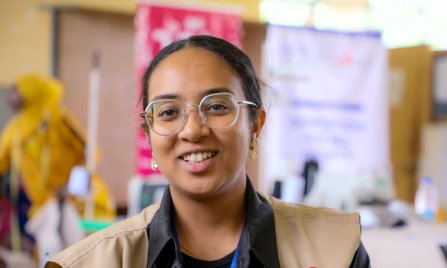 Dr. Tsebaot Meles, social entrepreneur and founder of Ngat Reusable Sanitary Solution based in Addis Ababa. Photo: IOM 2024/Yonatan Teffera Mekonen



 HUMAN WRONGS WATCH