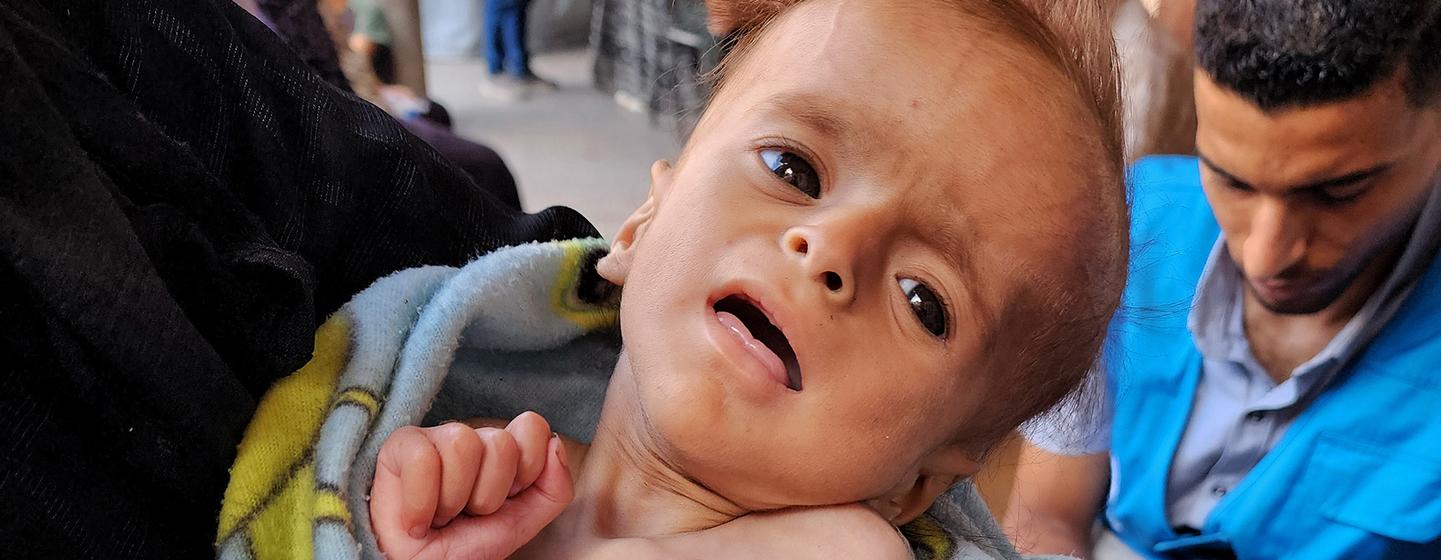
(UN News)* — The ongoing 21-month-long war in Gaza has seen more than 58,000 killed and 100,000 wounded as Israeli attacks continue amid rising numbers of child deaths from malnutrition.
In recent weeks, UN agencies have recorded nearly 900 deaths of desperate and hungry Gazans as they try to collect food – with most linked to private aid hubs run by the so-called Gaza Humanitarian Foundation (GHF).
In January this year, a nuclear trafficking case made the international news headlines. The United States Department of Justice announced that Takeshi Ebisawa, an alleged Japanese gangster, had pleaded guilty to charges of major narcotics trafficking as well as conspiring to traffic nuclear materials.
World’s nuclear arsenals being enlarged and upgraded
(Stockholm) The Stockholm International Peace Research Institute (SIPRI) on 16 June 2025 launched its annual assessment of the state of armaments, disarmament and international security.
SIPRI Yearbook 2025. Photo: SIPRI.
Key findings of SIPRI Yearbook 2025 are that a dangerous new nuclear arms race is emerging at a time when arms control regimes are severely weakened.
Nearly all of the nine nuclear-armed states—the United States, Russia, the United Kingdom, France, China, India, Pakistan, the Democratic People’s Republic of Korea (North Korea) and Israel—continued intensive nuclear modernization programmes in 2024, upgrading existing weapons and adding newer versions.
BRUSSELS, Belgium / MONTEVIDEO, Uruguay, Jul 14 2025 (IPS)* –Donald Trump’s bullying tactics ahead of NATO’s annual summit, held in The Hague in June, worked spectacularly.
Credit: Piroschka Van De Wouw/Reuters via Gallo Images
By threatening to redefine NATO’s article 5– the collective defence provision that has anchored western security since 1949 – Trump won commitments from NATO allies to almost triple their defence spending to five per cent of GDP by 2035.
European defence budgets will balloon from around US$500 billion to over US$1 trillion annually, essentially matching US spending levels.
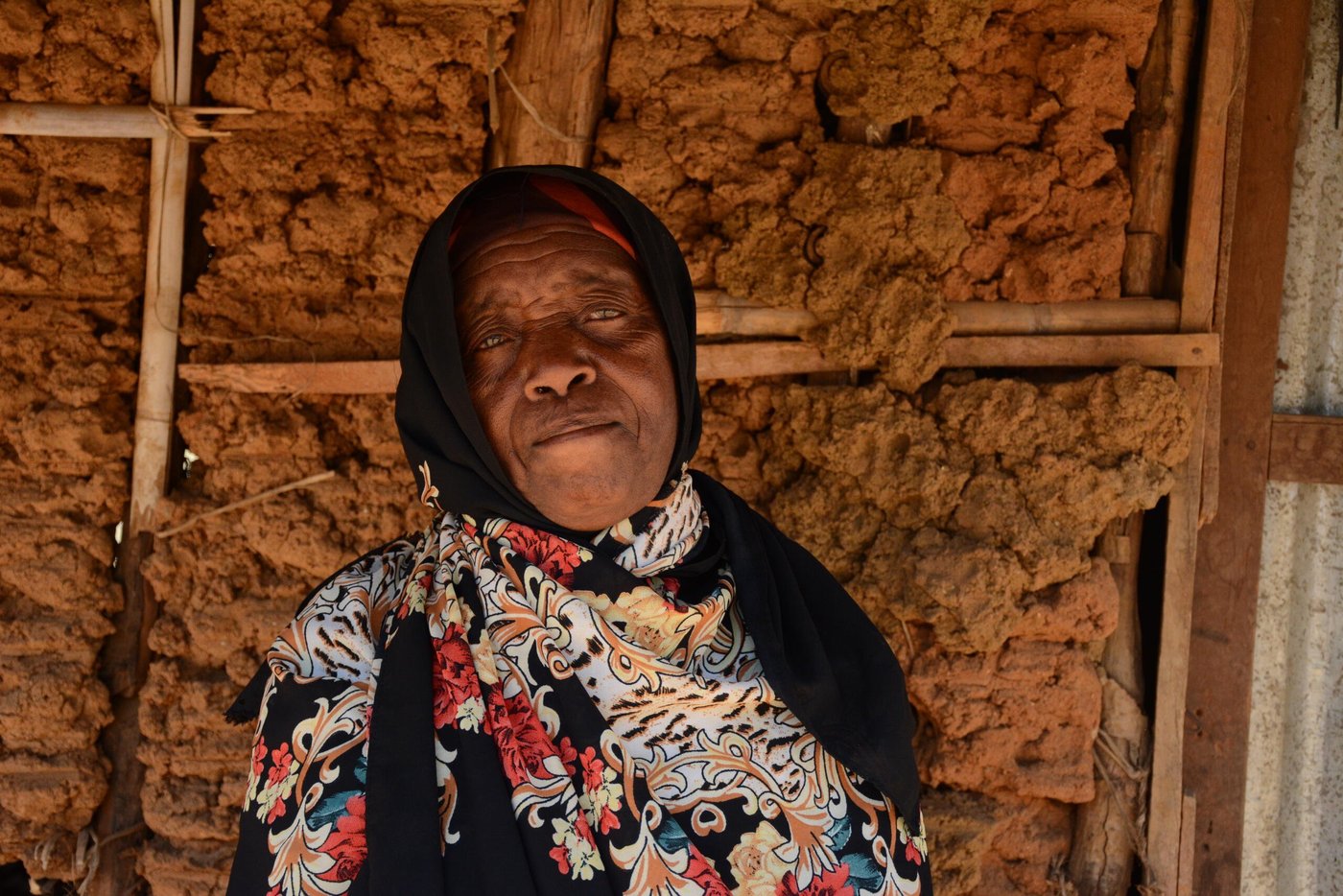
10 July 2025 — In 2017, extreme violence erupted in northern Mozambique’s Cabo Delgado province, and spread to other areas. The conflict, along with two major cyclones in two years, has driven hundreds of thousands of people away from their homes.
“I came from Chiure with my husband and three children in March 2024 because of the conflict. I don’t plan to stay here forever, but I can’t go back home either,” says Virivir, 64. Photo: Karl Schembri/NRC
Amsterdam – Responding to a rapid study by scientists at Imperial College London and the London School of Hygiene & Tropical Medicine that found that the number of heat-related deaths across 12 European cities tripled due to the climate crisis in the 10 day period between 23 June and 2 July, as well as to preliminary data published by the Copernicus Climate Change Service that June 2025 was the hottest ever June for Western Europe and the third-warmest June globally.[1][2]
By Ashfaq Khalfan, Climate Justice Director, Oxfam America*
Mega rich oil, gas and coal companies, described as the ‘Godfathers of climate chaos’, are driving humanity to the edge of destruction and earning billions in doing so. For decades, they’ve spread lies and disinformation about the climate crisis and lobbied to create fossil-fuel driven economies.
They’ve received billions in government subsidies and as energy prices soared, instead of investing in renewable energy, enriched their shareholders to the tune of $403 billion in 2024 alone.
Nairobi –Despite its critical role in sustaining billions of lives, the global food system fails to deliver for health, rights, and particularly, nature.
A report published on 1 July 2025 by the UN Environment Programme (UNEP) and Chatham House highlights three system barriers – the cheaper food paradigm, market consolidation and investment path dependencies – that must be addressed to meet sustainable development goals.
Droughts displace young and poor pastoralists, while wildfires displace older urban residents with higher socio-economic status.
.
.
.
.
.
.
.
A new study by the International Organization for Migration (IOM) shows the wide range of demographic and socio-economic profiles affected by weather-related displacement worldwide.
This publication provides first-of-its-kind global insights into the demographic and socio-economic characteristics of communities facing weather-related displacement.
With an estimated 218.6 million internal displacements caused by weather-related disasters over the past decade, the analysis fills a critical data gap by revealing detailed profiles of these populations, including their age, income, education, and livelihoods.
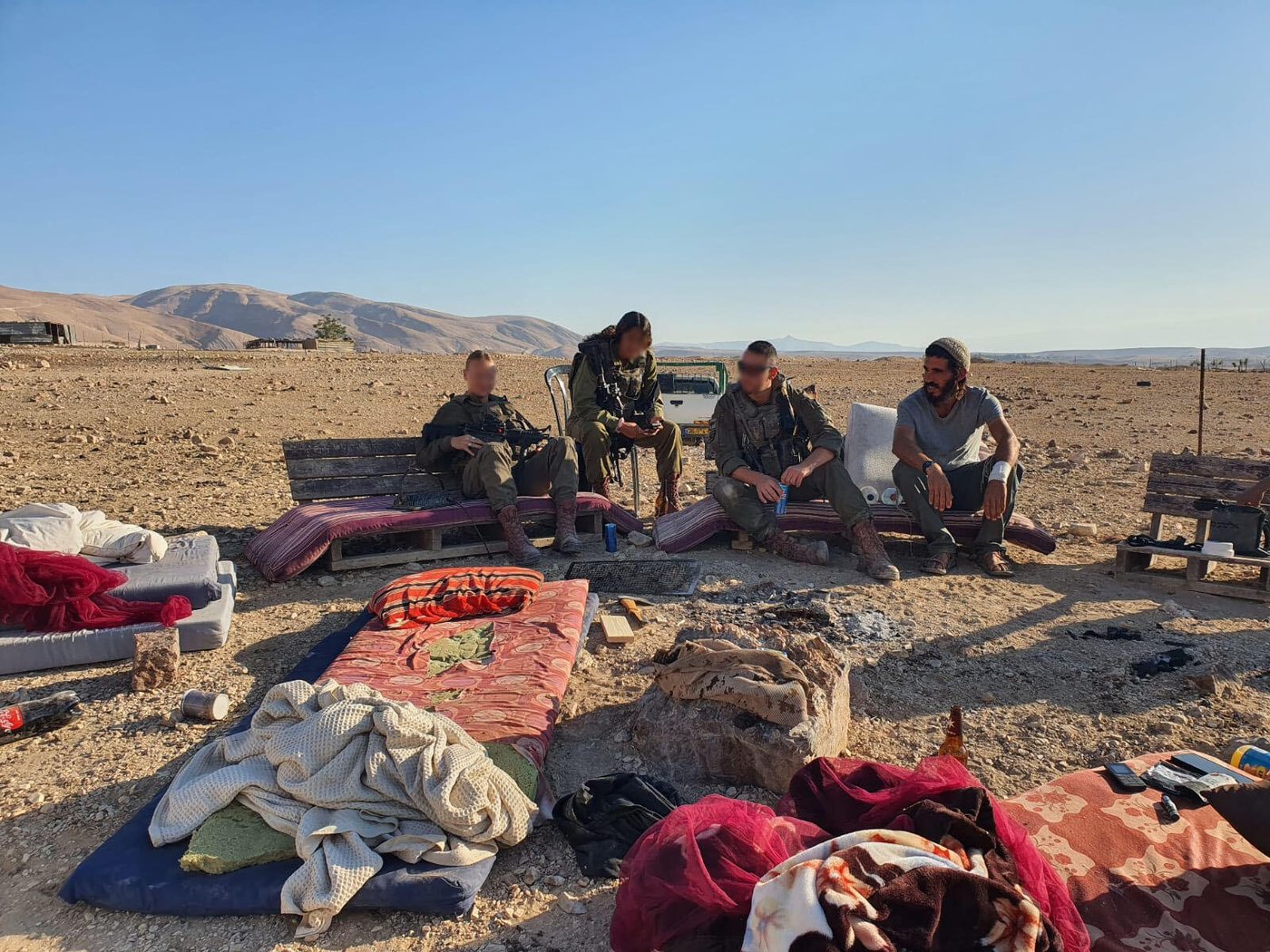
Palestinian communities are being displaced and dispersed across the occupied West Bank as settler violence, backed by Israeli authorities, forces families from their land. One community has just been emptied. Others may soon follow.
Israeli forces sit with sanctioned settler Zohar Sabah (far right) in Muarrajat East. Photo: Aliya Mlihat
The Norwegian Refugee Council (NRC) warns that the recent uprooting of families from Muarrajat East could soon be repeated in Ras Ein al-Auja, where sustained settler attacks and mounting restrictions on water and grazing access are making it nearly impossible for families to remain.




 HUMAN WRONGS WATCH
In January this year, a nuclear trafficking case made the international news headlines. The United States Department of Justice announced that Takeshi Ebisawa, an alleged Japanese gangster, had pleaded guilty to charges of major narcotics trafficking as well as conspiring to traffic nuclear materials.