N’Djamena, Chad, 8 August 2025 – In a country where legal frameworks are still taking root and taboos around human trafficking and exploitation run deep, Julienne Deyo stands as a determined force. A lawyer by training and justice advocate by conviction, she has been at the frontlines of the Chad’s fight against human trafficking since 2018.
Now Chair of the National Commission to Combat Trafficking in Persons and Director of Legal Affairs at the Ministry of Justice and Human Rights, Madame Deyo leads with both a steady resolve and a heart marked by the suffering she’s witnessed.
“It started with the stories of young boys,” she recalls. “Children sold off to cattle herders, sent into the bush, far from their families, walking behind herds. Some were bitten by snakes and died alone. No one seemed to care. How can anyone stay unmoved?”
Madame Deyo’s focus is as much on the survivors as it is on building a foundation that prevents such abuse from happening again. Illustration: AI-generated image
GENEVA – Uganda is on the verge of hosting two million refugees as escalating crises in Sudan, South Sudan and the Democratic Republic of the Congo (DRC) drive hundreds of people to cross the border daily in search of safety and lifesaving aid.
Since the start of 2025, an average of 600 people per day have arrived in the country, with numbers expected to reach two million by year’s end.
Already Africa’s largest refugee-hosting country and the third largest globally, Uganda is currently home to 1.93 million refugees, over a million of whom are below the age of 18.
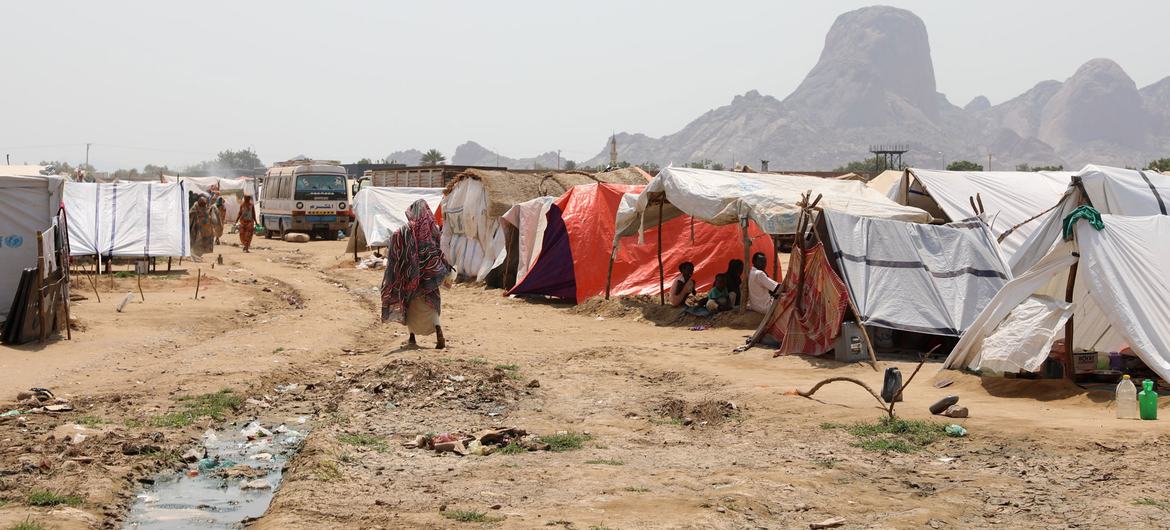
(UN News)* — Help is needed urgently to halt a deadly cholera outbreak that is sweeping across Sudan, UN agencies said on Friday [], while warning that communities continue to be terrorised by parties to the conflict even as they flee violence.
“People told me multiple times that when they were fleeing from Zamzam [displacement camp], armed people would threaten them while they were in flight, saying sure, ‘Flee, go to that place, run here, run there, we will follow you, we will find you’,” said Jocelyn Elizabeth Knight, a Protection Officer for the UN refugee agency, UNHCR.
.
Briefing journalists in Geneva, Ms. Knight described speaking to one traumatized child at a UNHCR shelter, whose experience mirrors that of countless other youngsters across the nation.
“A tiny boy told me, ‘You know, during the day things are okay here, but I’m afraid to go to sleep at night in case the place where we’re living is attacked again’.”
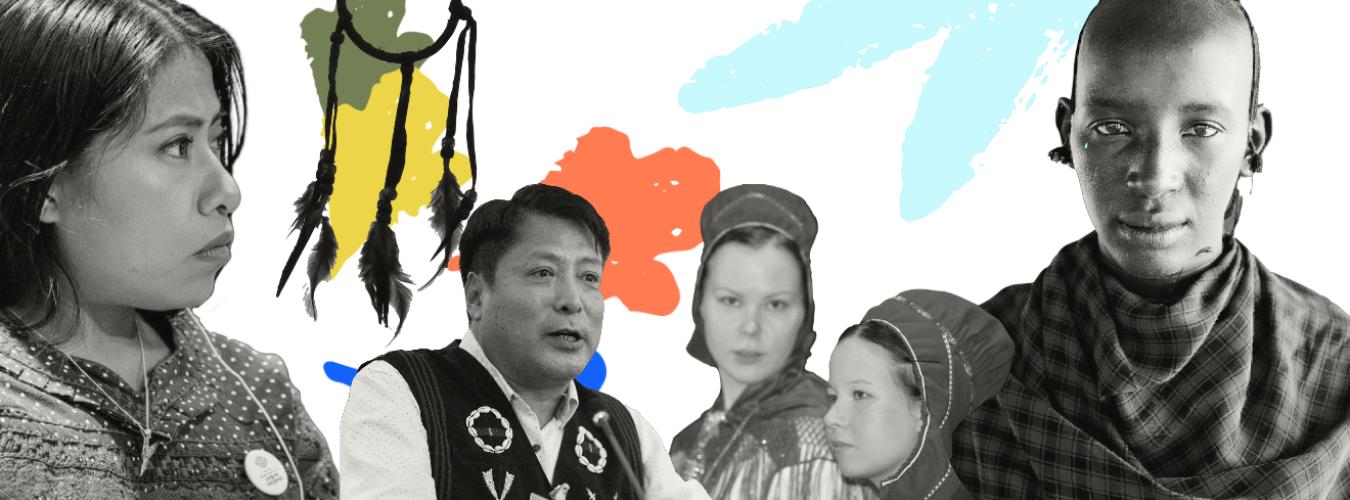
Indigenous peoples consider 22% of the world’s land surface their home. They live in areas where around 80% of the planet’s biodiversity is found on not-commercially-exploited land. UN Composition with photographs by Manuel Elias, Alessia Pierdomenico, Evan Schneider and Marcel Crozet (left to right.)
Watch
Young Indigenous Activists Fight to Save Their Languages and Cultures | United Nations
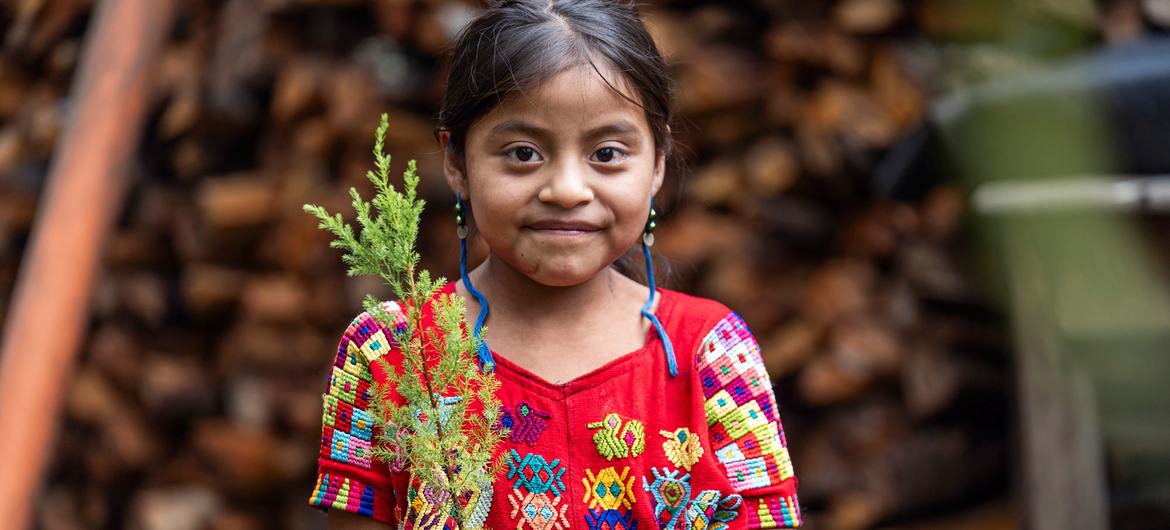
An estimated 476 million Indigenous Peoples live across 90 countries, representing 5,000 different cultures.
Without proper safeguards, AI risks harming Indigenous rights through inequitable distribution of the groundbreaking technology, environmental damage and the reinforcement of damaging colonial legacies.
The growing amount of electricity generation needed for AI data centres and other infrastructure is also intensifying climate change pressures, according to the UN.


 HUMAN WRONGS WATCH