The Dewele Migration Response Centre in eastern Ethiopia offers returning migrants a moment of rest before they continue their journey home. Photo: IOM/Aïssatou Sy
Dewele, Ethiopia, 15 August 2025 – In the dry borderlands near Dewele in eastern Ethiopia, the air hangs heavy with heat as trucks thunder past, ferrying goods across the eastern corridor.
Amidst the dust, tired figures walk slowly beside the road, mostly young men, carrying nothing but a worn backpack, a bottle of water, and a stubborn belief that something better lies ahead.
Ibrahim* remembers that walk all too well – five days on foot across harsh terrain, each step marked by exhaustion and uncertainty.
Al-Kufra, Libya, 11 August 2025 – Khartoum mornings once carried a familiar rhythm. The call to prayer echoed softly through the narrow streets, blending with the clatter of market stalls opening and the sound of children shuffling to school.
For 45-year-old NourAlhuda, life pulsed with structure and meaning.
She had spent 16 years teaching Arabic and Islamic studies, her voice steady and firm in the classroom, her presence respected in the community.
“Teaching was more than a job for me,” she explains. “It gave me purpose.”
IOM’s health centre in Al-Kufra provides critical care and hope to displaced Sudanese women like NourAlhuda and Arafa. Photo: IOM 2024/Mouaid Tariq Duffani
(UN News)* — Adam Ibrahim was working with the UN humanitarian agency, OCHA, in his home country, Sudan, when conflict between rival armed forces erupted in early 2023 and he became a refugee alongside thousands of others who continue to flee the ongoing violence.
Sudan is one of the world’s largest and most complex humanitarian crises, with more than 30.4 million people – over half the population – urgently needing humanitarian assistance.
Yet the 2025 Sudan humanitarian needs and response plan is severely underfunded, with only 13.3 per cent of the required resources received so far.
12 August 2025 — For 14-year-old Atsede Tesfay, each morning began with a jerrycan and a three-kilometre walk to the nearest water source. The journey was open, exposed, and unsafe. The road was long, the risks familiar. She spent more hours searching for water and fewer hours in class.
“It was painful,” Atsede recalls. “But we had no other choice.”
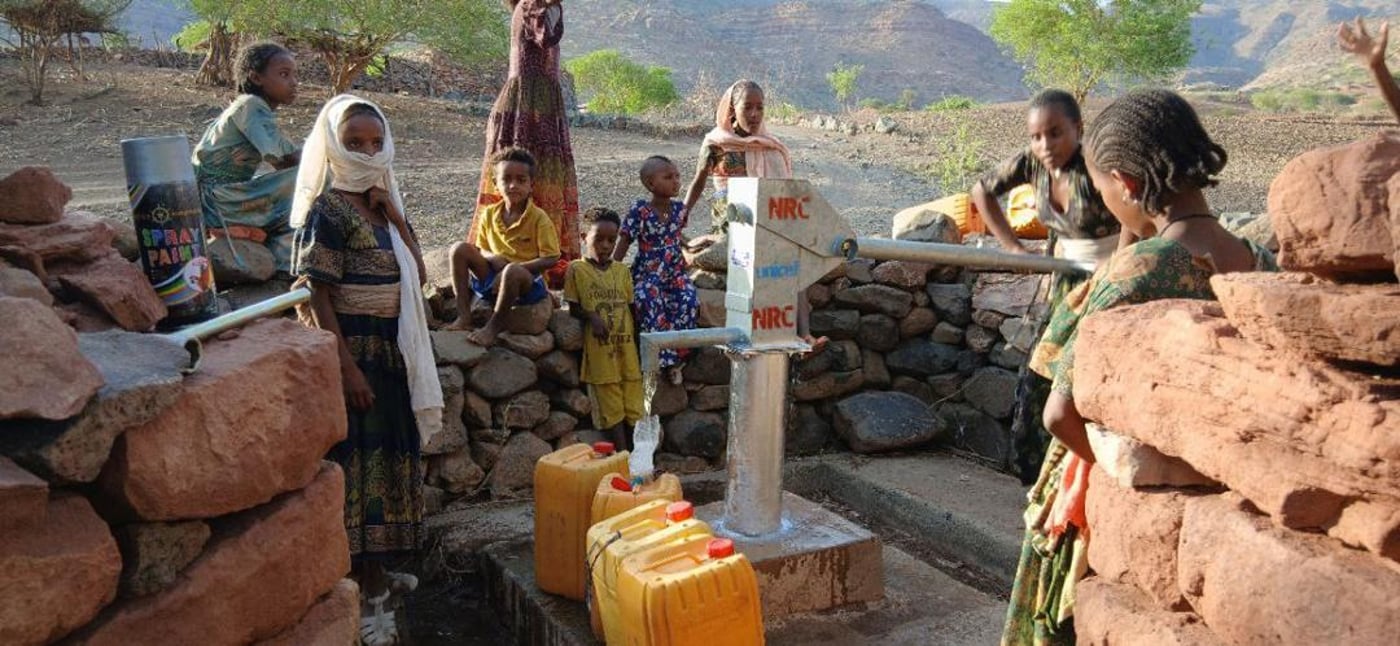
Rehabilitated well. | Photo: NRC | In Fiyelwuha village in northern Ethiopia, water once flowed within reach of every home. Then came conflict, and the wells that sustained the community were intentionally destroyed by troops in the contested area. The lifeline ran dry.
In Dima District, the destruction of water infrastructure during the conflict cut off clean water access for over 2,900 people.
Families were left with few options like using unsafe water or embarking on dangerous journeys to obtain it.
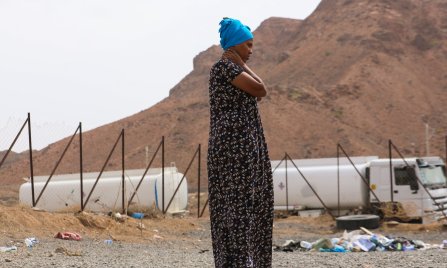 The Dewele Migration Response Centre in eastern Ethiopia offers returning migrants a moment of rest before they continue their journey home. Photo: IOM/Aïssatou Sy
 HUMAN WRONGS WATCH