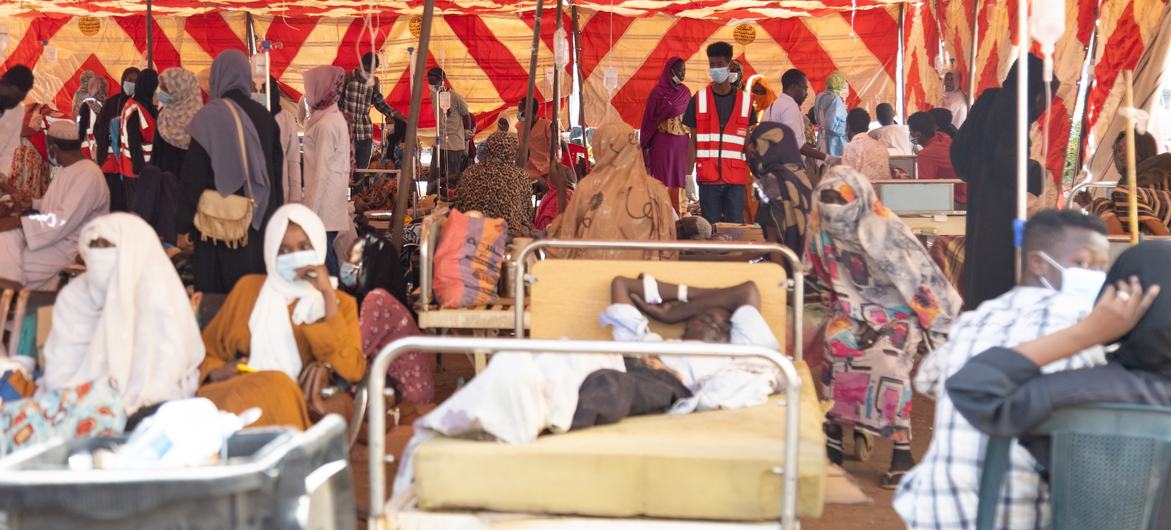
(UN News)* —The United Nations has sounded the alarm over Sudan’s spiralling crisis, warning that deadly attacks in El Fasher, the collapse of essential services, and mass displacement are pushing millions in Darfur and beyond closer to catastrophe.
According to local reports, heavy shelling and assaults late last week in El Fasher, the capital of North Darfur state, killed at least six civilians and injured scores more, triggering fresh displacement from the already besieged city.
16 September 2025 —WHO/Europe’s new report “Health workforce migration in the WHO European Region: country case studies from Albania, Armenia, Georgia, Ireland, Malta, Moldova, Norway, Romania and Tajikistan” offers a timely and comprehensive analysis of health worker mobility across the Region.
Drawing on data from National Health Workforce Accounts, as well as detailed case studies from 9 countries, it highlights the patterns, flows and scale of the Region’s health workforce migration.
Between 2014 and 2023, the number of foreign-trained doctors working in the Region grew by 58%, and foreign-trained nurses by 67%.
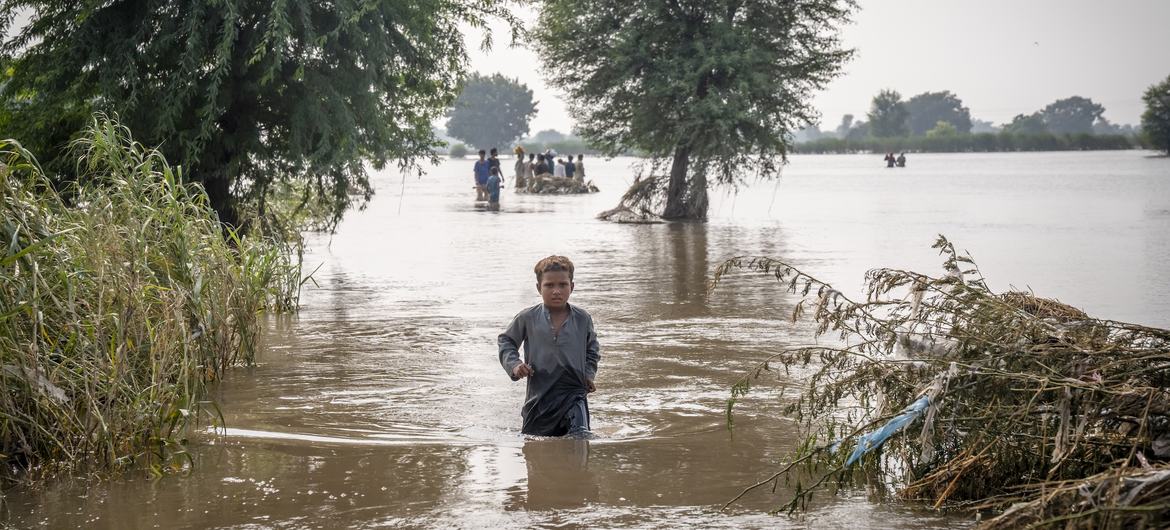
(UN News)* —A senior UN humanitarian official in Pakistan has warned that “the needs are huge” as massive floods across Punjab, Khyber Pakhtunkhwa and Gilgit-Baltistan continue to leave millions homeless, destroying vital crops and pushing fragile communities to the brink.
More than six million people have been affected since the unusually heavy monsoon rains began in late June, with nearly 1,000 lives lost – 250 of them children.
Around 2.5 million people have been displaced, many sheltering in Government-run camps or with host families who are already stretched to their limit.
BRATISLAVA, Sep 17 2025 (IPS)* – Just under a year into a fragile ceasefire, 150,000 people in southern Lebanon continue to deal with the potentially lethal aftermath of Israeli bombing, highlighting the devastating long-term effects of conflict.
Damage to the water tank at the Maisat water pumping station. Credit: WaSH Sector Lebanon
A report published late last month (AUG) by Action Against Hunger, Insecurity Insight, and Oxfam said that at least 150,000 people remain without running water across the south of Lebanon after Israeli attacks had damaged and destroyed swathes of water sanitation and hygiene (WASH) facilities since the beginning of the conflict in Lebanon.


 HUMAN WRONGS WATCH