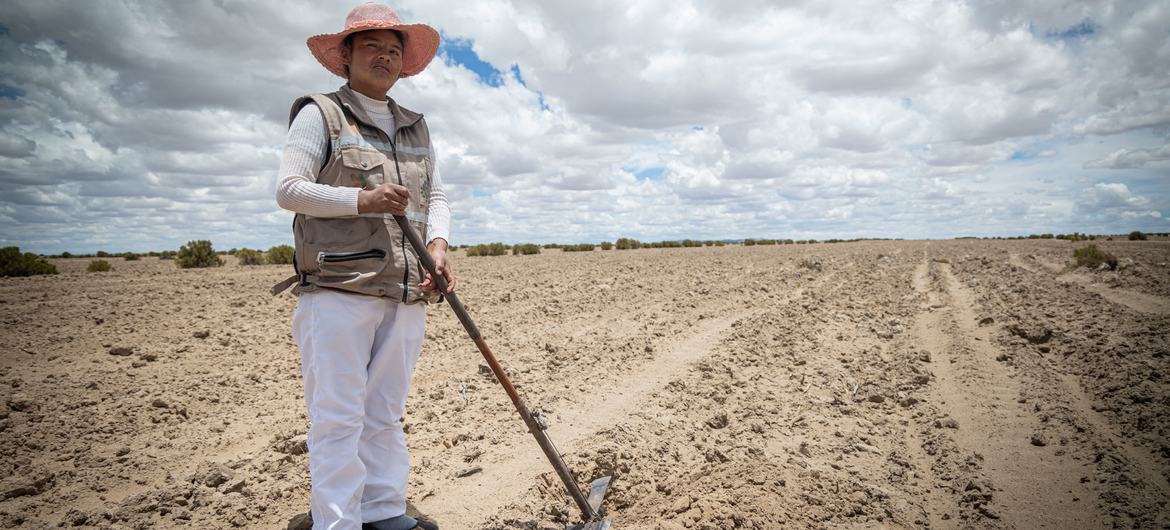
(UN News)* — Roughly 1.7 billion people are living in areas where crop yields are failing due to human-induced land degradation – “a pervasive and silent crisis that is undermining agricultural productivity and threatening ecosystem health worldwide.”
The report delivers a clear message: land degradation is not just an environmental issue – it impacts agricultural productivity, rural livelihoods and food security,” the UN agency said.
Land is the core of agrifood systems, supporting over 95 percent of food production in addition to providing essential ecosystem services that sustain life on the planet.
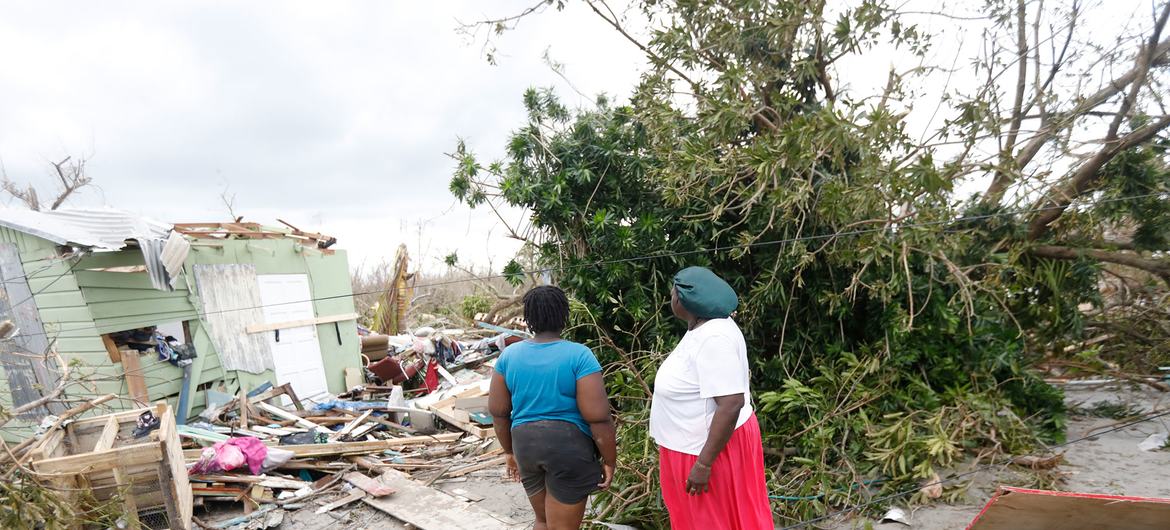
(UN News)* —Some six million people have been affected by the category five hurricane which swept across the Caribbean last week, prompting UN agencies to scale up relief operations to safeguard livelihoods and reduce further losses.
Haiti, Cuba and Jamaica all suffered extensive damage and loss of life as a result of Hurricane Melissa.
Speaking from the Jamaican capital, Kingston, the World Food Programme’s (WFP) Alexis Masciarelli told UN News that “our priority right now is to reach the most isolated communities.”
Now, WFP has launched emergency food distributions for the hardest-hit families, and additional relief supplies are scheduled to arrive in the coming days, the agency reported.
Though humanity has always counted its war casualties in terms of dead and wounded soldiers and civilians, destroyed cities and livelihoods, the environment has often remained the unpublicized victim of war. Water wells have been polluted, crops torched, forests cut down, soils poisoned, and animals killed to gain military advantage.
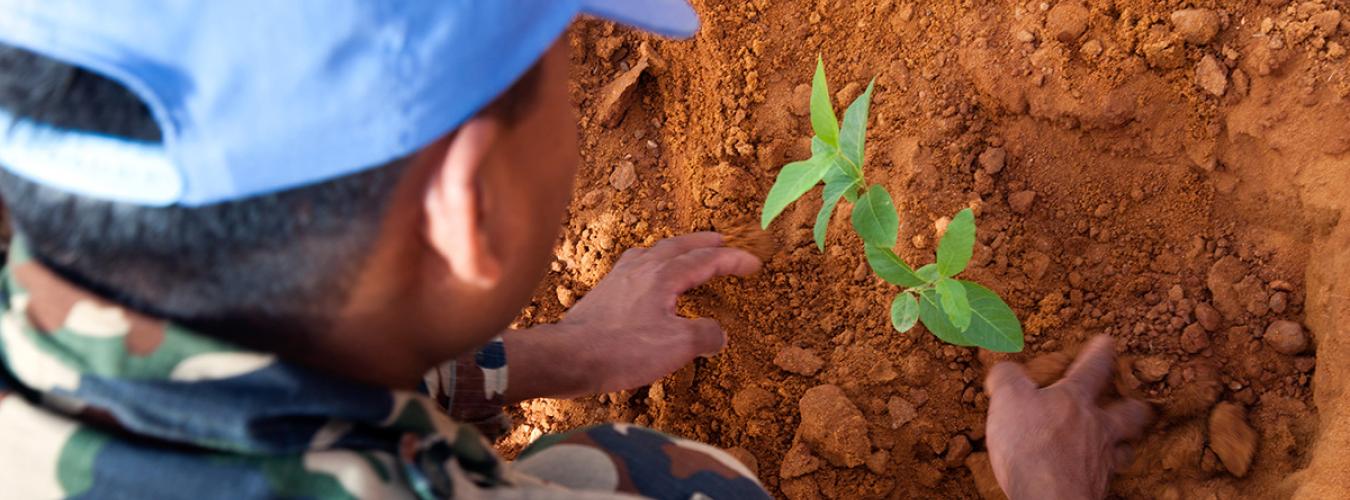
A Nepalese peacekeeper with the African Union-UN Hybrid Operation in Darfur (UNAMID) plants a tree outside UNAMID Headquarters in El Fasher, Sudan. PHOTO:UN Photo/Albert Gonzalez Farran
Furthermore, the United Nations Environment Programme (UNEP) has found that over the last 60 years, at least 40 percent of all internal conflicts have been linked to the exploitation of natural resources, whether high-value resources such as timber, diamonds, gold and oil, or scarce resources such as fertile land and water.
UNITED NATIONS, Oct 31 2025 (IPS)* – The lingering after-effects of nuclear tests by the world’s nuclear powers have left a devastating impact on hundreds and thousands of victims world-wide.
.
The first USSR nuclear test “Joe 1” at Semipalatinsk, Kazakhstan, 29 August 1949. Credit: CTBTO
The history of nuclear testing, according to the United Nations, began 16 July 1945 at a desert test site in Alamogordo, New Mexico when the United States exploded its first atomic bomb.

 HUMAN WRONGS WATCH