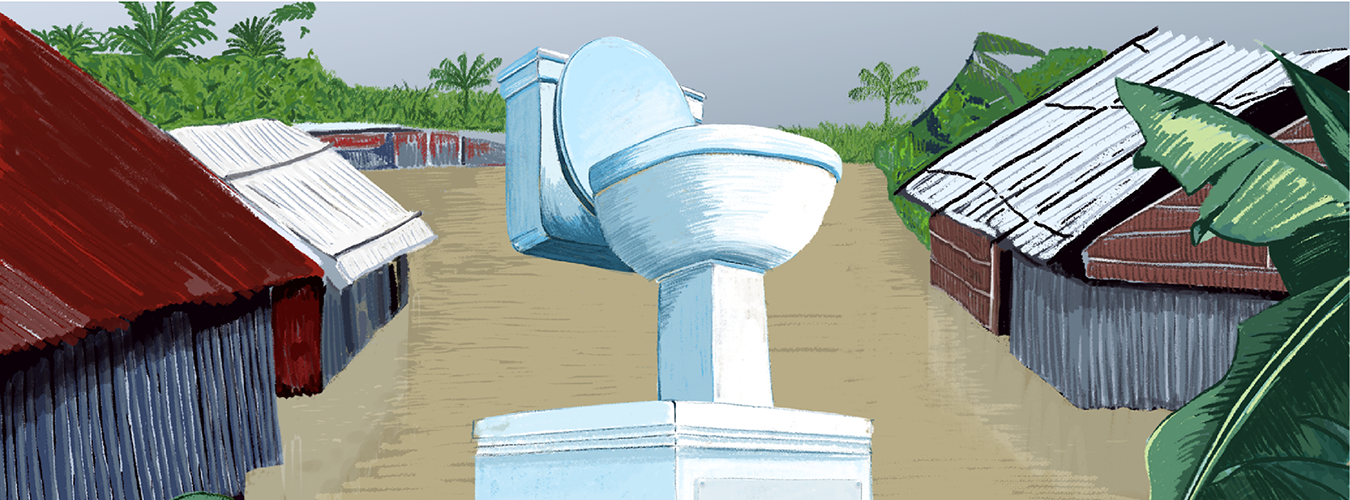
In a changing world, one thing is constant: we’ll always need the toilet.
UN-Water
No matter what lies ahead, we will always rely on sanitation to protect us from diseases and keep our environment clean.
Today, billions of people still live without a safe toilet — with the poorest, especially women and girls, worst affected.
As time goes by, the pressure on sanitation is only increasing. Across the world, ageing infrastructure is failing. Investment hasn’t kept pace with demand.
And climate change is reshaping our world – with glaciers melting, weather worsening, and sea levels rising.
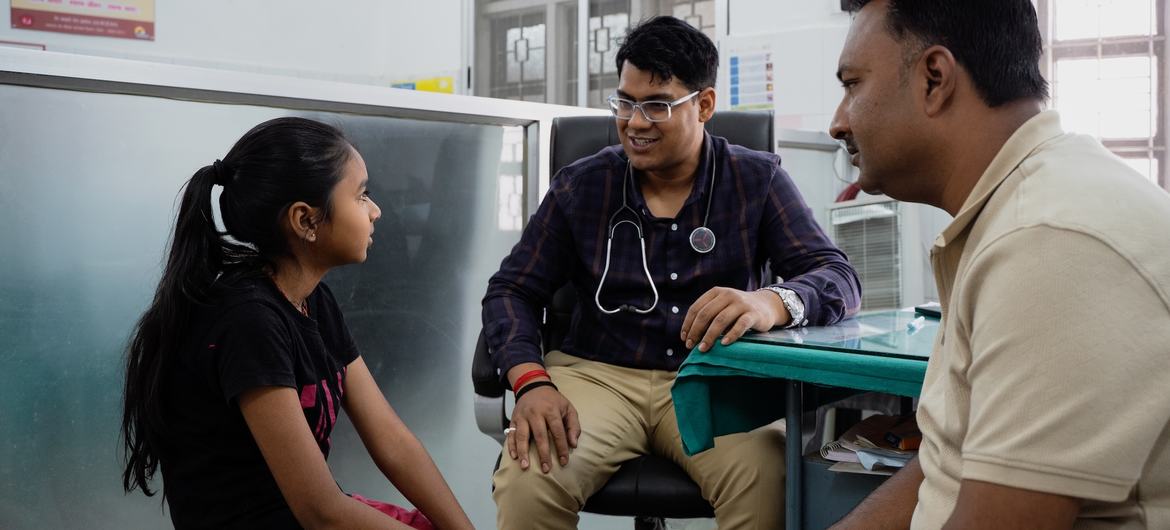
(UN News)* — Diabetes is one of the world’s fastest-growing health challenges – and its impact stretches across every life stage, from childhood to older age.
This Friday [], for World Diabetes Day, the UN is highlighting how the disease affects pregnancy, in line with this year’s global theme of managing diabetes “across life stages”.
The organization has also launched its first-ever global guidelines on how to manage diabetes before, during and after pregnancy.
MANILA, 13 November 2025 – More than 1.7 million children are impacted by Super Typhoon Fung-wong, which made landfall in the Philippines on 9th November.
UNICEF/UNI896456/PiojoChildren stay in Reserva Elementary School in Baler, Aurora, as the province braced for the impact of Super Typhoon Uwan (international name: Fung-wong) on November 9, 2025.
The severe storm has wreaked havoc to children’s homes, schools, and access to health services across 16 regions in the archipelago that is already exhausted by multiple climate-related and geophysical shocks this year.
BANGKOK, Thailand, Nov 13 2025 (IPS)** –– The 183 Parties to the global health treaty, WHO Framework Convention on Tobacco Control (FCTC) will convene in Geneva from 17 – 22 November with one objective – to strengthen their efforts to arrest the No.1 preventable cause of disease and 7 million deaths annually – tobacco use.
Credit: Global Center for Good Governance in Tobacco Control
The WHO FCTC is unique in that it serves to regulate a unique industry that produces and markets a uniquely harmful product.
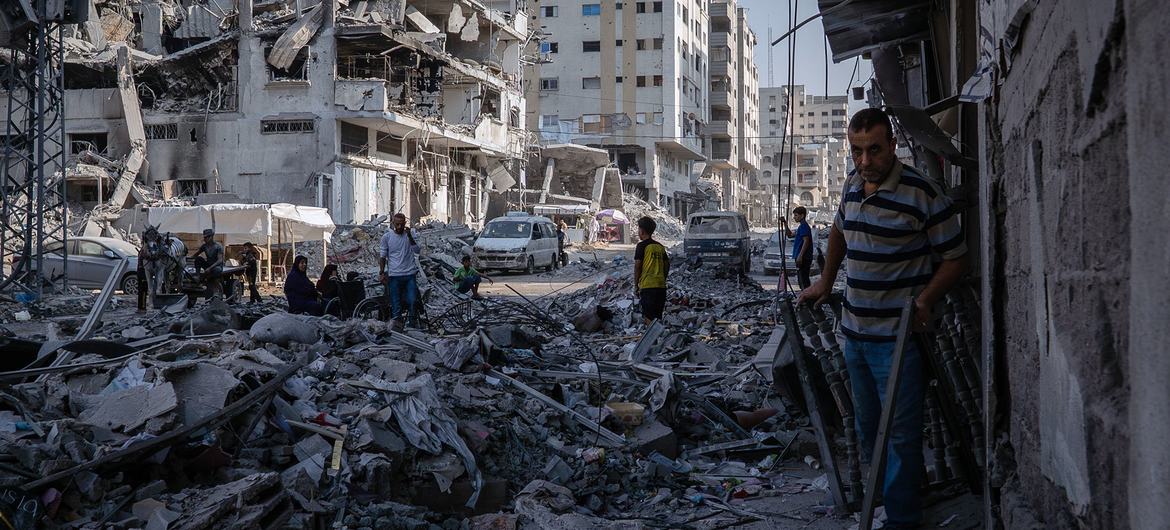
(UN News)* — Images emerged this week of what appear to be mobs of masked Israeli settlers carrying out arson attacks on Palestinian homes and property, the UN human rights office (OHCHR) said on Friday [].
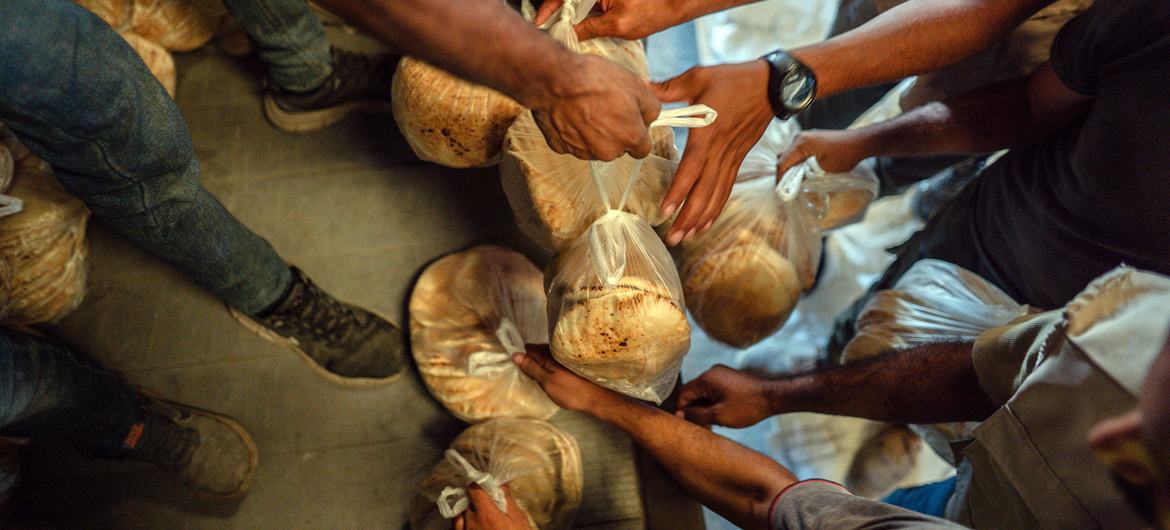
(UN News)* —The UN Food and Agriculture Organization (FAO) and World Food Programme (WFP) warn of a major hunger emergency, with acute food insecurity set to worsen in 16 countries and territories between now and May 2026, putting millions of lives at risk.
A report released by the two UN agencies on Tuesday [] identifies six that are at the highest risk of famine or catastrophic hunger: Sudan, Palestine, South Sudan, Mali, Haiti, and Yemen.
In these areas, some communities are projected to reach famine or near-famine conditions.Other countries of very high concern include the Democratic Republic of the Congo, Myanmar, Nigeria, Somalia, Syria, and Afghanistan.
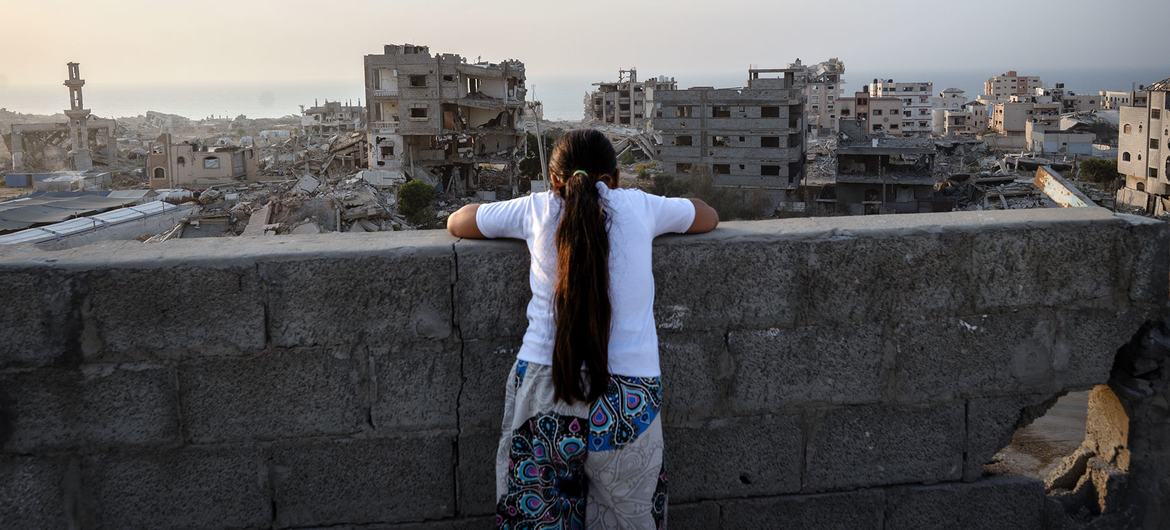
(UN News)* —More than nine in 10 children in Gaza are displaying signs of aggressive behaviour linked to more than two years of war between Hamas and Israel, welfare agencies have reported.
Issuing a warning that the children’s sense of stability and security has been eroded as key everyday services have collapsed, humanitarians insist that young Gazans will need “sustained, long-term efforts to recover.”
According to child safety partner assessments conducted in September, shared by the UN aid coordination office (OCHA), 93 per cent exhibited aggressive behaviour and 90 per cent were violent towards younger children.
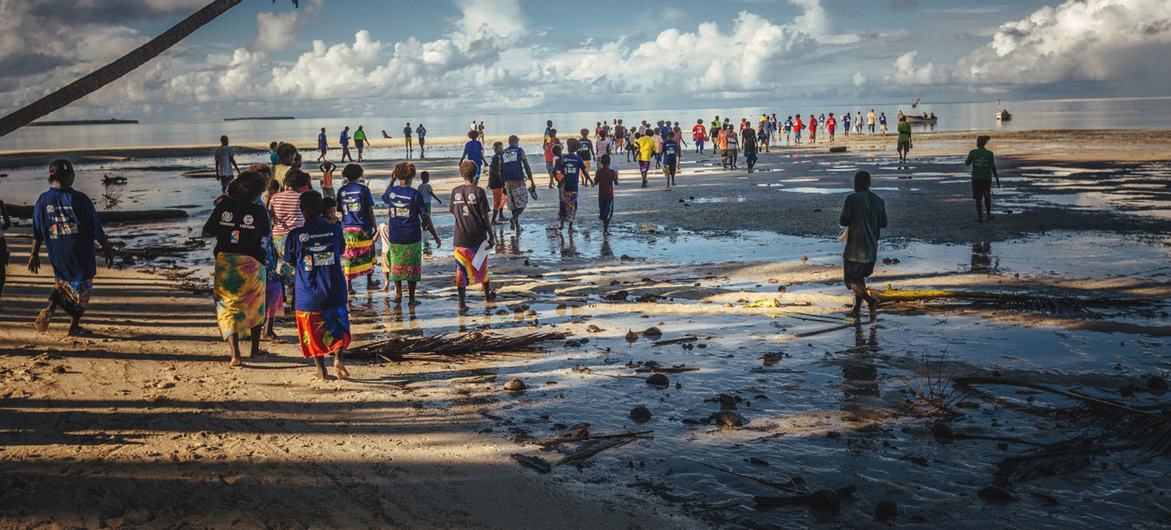
(UN News)* —Floods, heatwaves, droughts and storms are forcing millions from their homes every year. Most never cross a border; they remain internally displaced yet uprooted all the same. But experts warn that in the not-so-distant future, entire nations could disappear beneath rising seas or become uninhabitable through drought.
IOM/Muse Mohammed | Natural disasters trigger the displacement of millions of people each year.
At COP30 in Belém, Brazil, the UN International Organization for Migration (IOM) is pressing negotiators to make climate mobility a core part of adaptation plans.
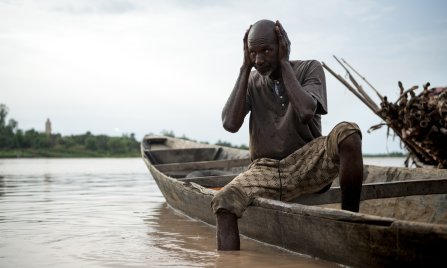
Woumpou, Mauritania – On a humid October afternoon in Woumpou, Kadia stands where her front yard used to be. Around her, the ground is still damp, the air thick with the smell of mud.
In Mauritania, communities are working to preserve their way of life as the climate becomes increasingly unpredictable. Photo: IOM/Alexander Bee
She points to a dark line along her neighbors’ walls – a mark left by the floods that came without warning. Families had only minutes to escape before the water swallowed everything.
“Everything happened so fast,” she says. “We lost everything in a matter of hours.”
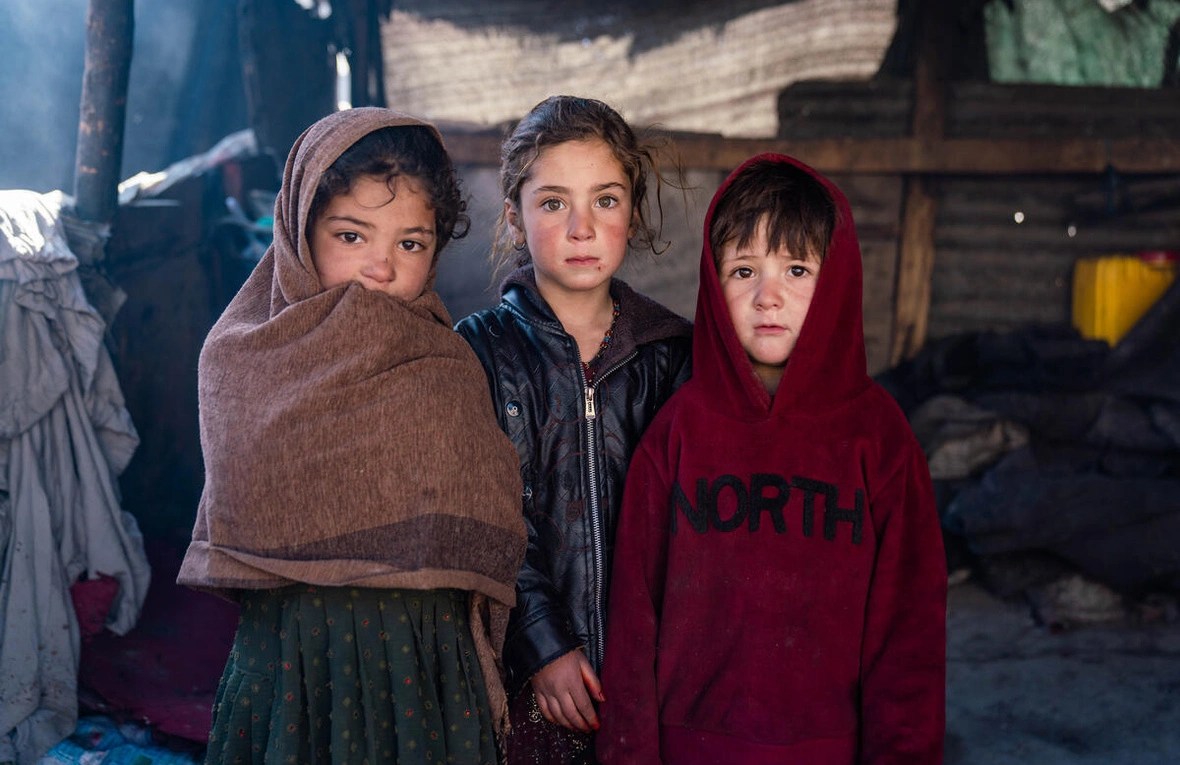
GENEVA –As temperatures start to drop in many regions, millions of refugees and people displaced within their own countries are facing a gruelling winter with far less assistance as humanitarian giving plummets, and many will be left with little to protect them from the bitter cold, UNHCR, the UN Refugee Agency, warned on 11 November 2025.
“Humanitarian budgets are stretched to breaking point and the winter support that we offer will be much less this year,” said Dominique Hyde, UNHCR’s Director of External Relations, who just returned from Syria and Jordan.


 HUMAN WRONGS WATCH