In the United States, the Biden administration has adopted the policy of sending many billions of dollars’ worth of advanced weapons to Ukraine, with the hope of weakening Russia, and in the hope of a Ukrainian victory.
John Scales Avery
An underlying motive can be found in the enormous profits made by the American weapons industry.
In fact, the military-industrial complex (against which President Eisenhower warned in his famous Farewell Address) has complete control over both political parties.
The latest yearly appropriation for military purposes was almost a trillion dollars.
The war in Ukraine has always been a proxy war between NATO and Russia, although it is being fought on Ukrainian soil, and although it involves great suffering for the Ukrainian people.
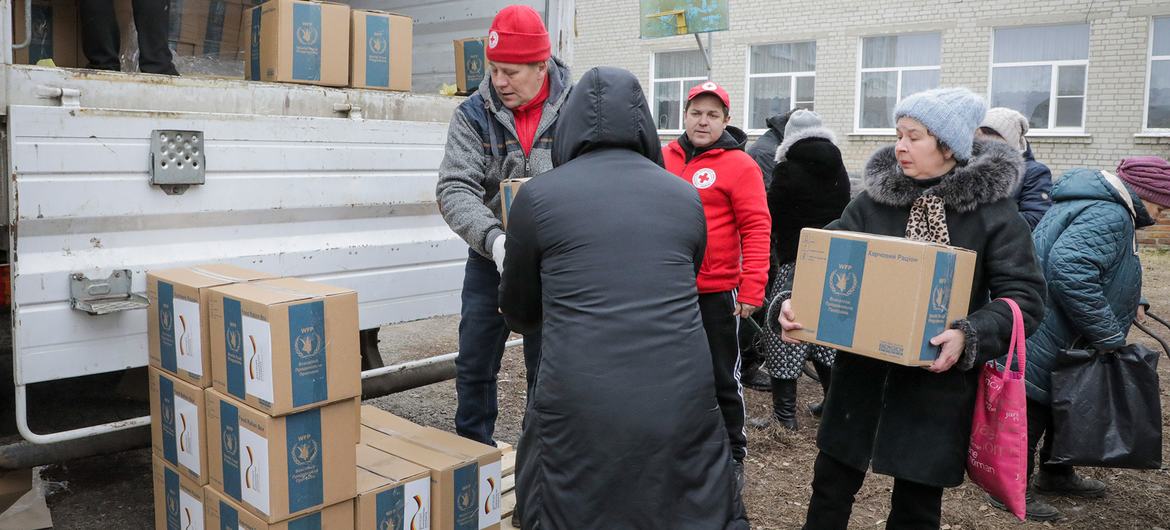
(UN News)* — Arms and ammunition transfers to Ukraine have increased rapidly in recent months, alongside concerning reports of deliveries of banned cluster munitions, the UN’s top disarmament official told the Security Council on Thursday [].
“The influx of weapons and ammunition into any armed conflict can contribute to the escalation and presents significant risks of diversion and proliferation even after the conflict has ended,” Izumi Nakamitsu, the High Representative for Disarmament Affairs, told the Council, briefing on the latest developments in the context of Russia’s full-scale invasion of Ukraine in 2022.
(UN News)* — The first global Traditional Medicine Summit convened by UN health agency WHO, got underway this week in the Indian city of Gandhinagar focused on sharing evidence and best practices in this field.
.
UN-REDD/Leona Liu | In Viet Nam, many people use traditional medicine for healing, and 90 percent of active ingredients come from forests.
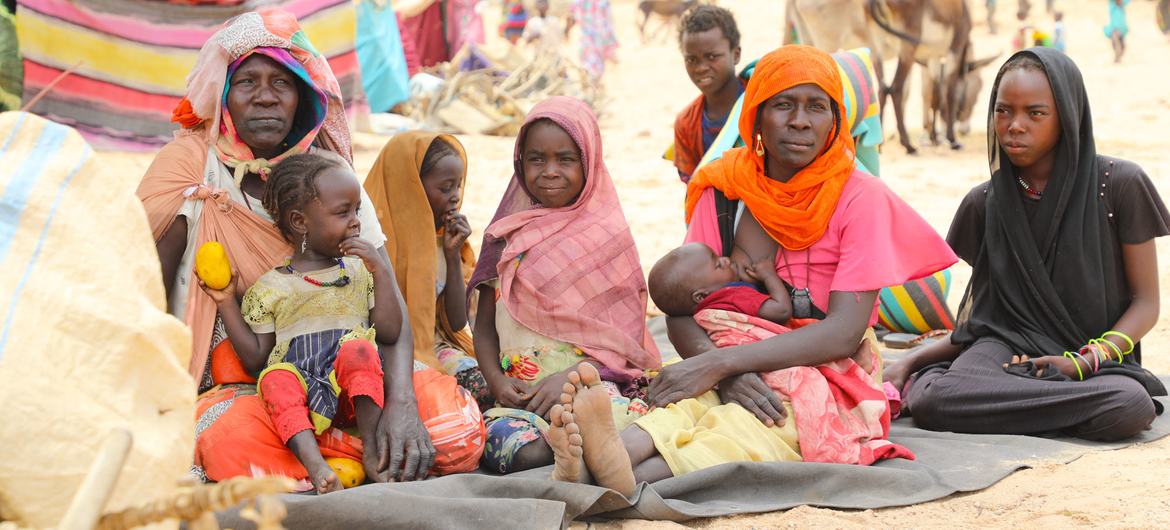
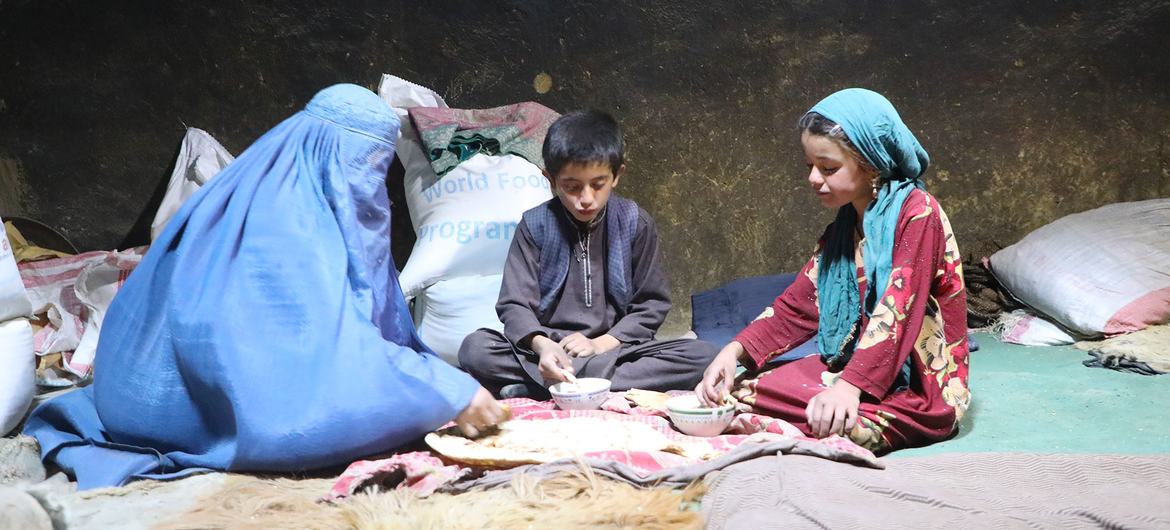
(UN News)*— Dire predictions about escalating hunger in Sudan have tragically come true, as conflict-induced food scarcity has plunged 20.3 million people into severe acute hunger, the UN World Food Programme (WFP) said on Friday [].
Of that figure, 6.3 million people – 13 per cent of Sudan’s population – are experiencing emergency levels of hunger – classified as Phase 4 of the Integrated Food Security Classification – just one step from famine, with the conflict continuing to disrupt access to humanitarian aid and forcing millions to flee their homes.
()* — A significant surge in dengue fever cases has gripped Bangladesh, the UN World Health Organization (WHO) reported on Friday [], calling for efforts to control the mosquito vector population and minimize individual exposure such as using mosquito repellents and wearing long-sleeved clothes.
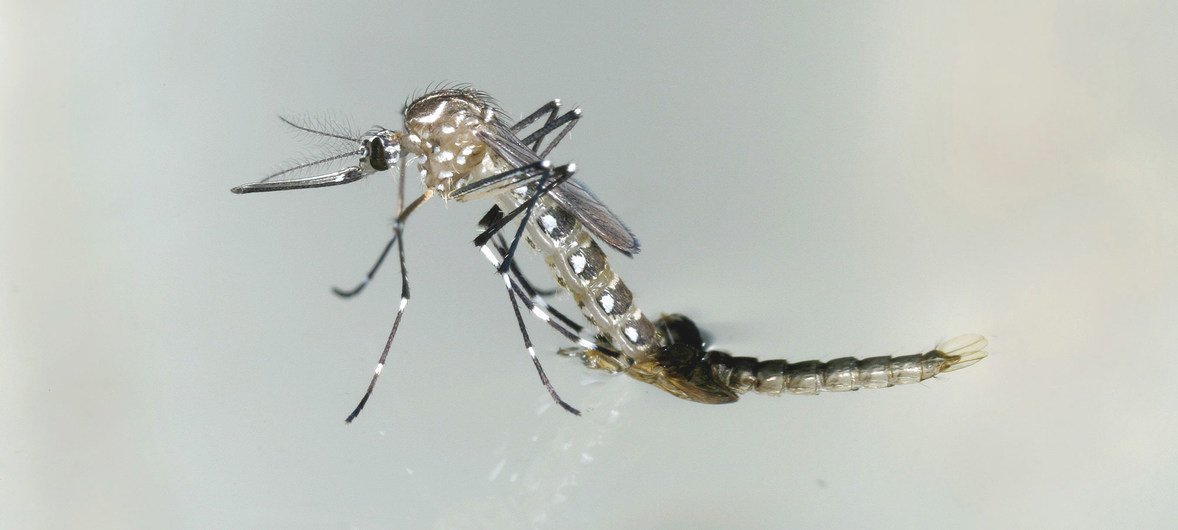
IAEA | Aedes aegypti mosquitoes are one of primary vectors for dengue. (file)
.
The outbreak, which escalated rapidly since late June, has seen a total of 69,483 confirmed cases and 327 related deaths between 1 January and 7 August, with a case fatality rate of 0.47 per cent, according to the UN health agency. The cases were reported from all 64 districts in the country.
How untapped indigenous knowledge can prevent catastrophic wildfires and combat global warming. As an increasing number of countries struggle to deal with wildfires that have become more frequent and more destructive, UNESCO is highlighting the untapped value of alternative models for fire management based on traditional knowledge.
.
Copyright: Elkins Eye Visuals
.
9 August 2023 (UNESCO)* — For thousands of years, Indigenous Peoples have woven fire into the fabric of their existence, understanding that this destructive force could also be used as a powerful tool.
In the Guyana Shield region of South America, these communities have harnessed fire through intentional and precise burns to sculpt their surroundings, nurture their ecosystems, and enhance their livelihoods.
Belet Weyne, 8 August 2023 (IOM)* – Zamzan knows the devastation of climate shocks all too well. First, drought pushed her to move away from the place she had called home for years, then flooding swept away the new home she’d just begun to build for herself and her family.
Aerial view of Belet Weyne in May 2023, a town in central Hirshabelle State, Somalia, severely affected by the floods. Heavy rainfall in Somalia and the highlands of Ethiopia led to the worst floods the region has experienced in 30 years. Photo: IOM
(UN News)* — The global average temperature for July 2023 was the highest on record and likely for at least 120,000 years, the UN weather agency and partners said on Tuesday [].
WMO/Eneko Perez | Global air and ocean temperatures are reaching new record highs.
“The global average temperature for July 2023 is confirmed to be the highest on record for any month,” said Samantha Burgess, Deputy Director at the European Commission’s Copernicus Climate Change Service. The month is estimated to have been around 1.5C warmer than the average for 1815 to 1900, so the average for pre-industrial times.”
Briefing journalists in Geneva, Ms. Burgess noted that July had been marked by heatwaves “in multiple regions around the world”.
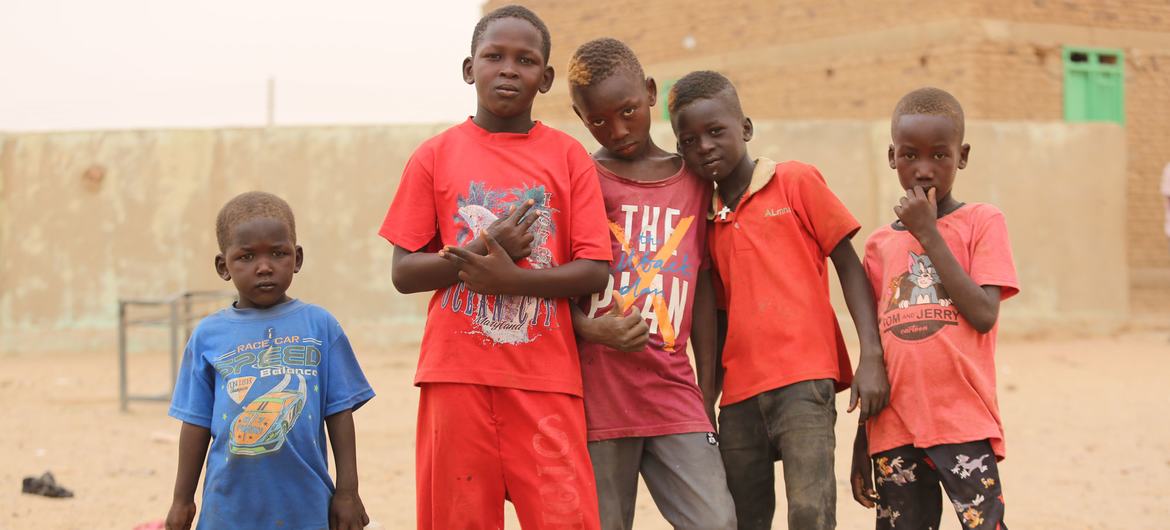
(UN News)* — Two senior UN humanitarian officials have called for more funding and less bureaucratic impediments to support civilians affected by the war in Sudan, including roughly 14 million children.
Ted Chaiban of the UN children’s agency, UNICEF, and Edem Wosornu with the UN humanitarian affairs office, OCHA, briefed journalists on their recent mission to the country and Chad, one of several neighbouring nations hosting some 900,000 people who fled the violence.
Fighting between the Sudanese Army and the paramilitary Rapid Support Forces (RSF) recently passed the 100-day mark. Overall, 24 million people across the country require aid.
(UN News)* — The threat of famine, with people slowly starving to death, must be considered a red line for international peace and security, the UN Famine Prevention and Response Coordinator said on Thursday [], warning that warring groups deliberately use hunger as a tactic of war.
Globally, over 250 million people suffered acute hunger in 2022, the highest in recent years, with about 376,000 people facing famine-like conditions in seven countries – all affected by armed conflict or extreme levels of violence. Another 35 million people are on the edge, Reena Ghelani said.





 HUMAN WRONGS WATCH