CARACAS, Nov 1 2022 (IPS)* – The decision to cut oil production by the Organization of Petroleum Exporting Countries (OPEC) and its allies as of Nov. 1 comes in response to the need to face a shrinking market, although it also forms part of the current clash between Russia and the West. | En español
.
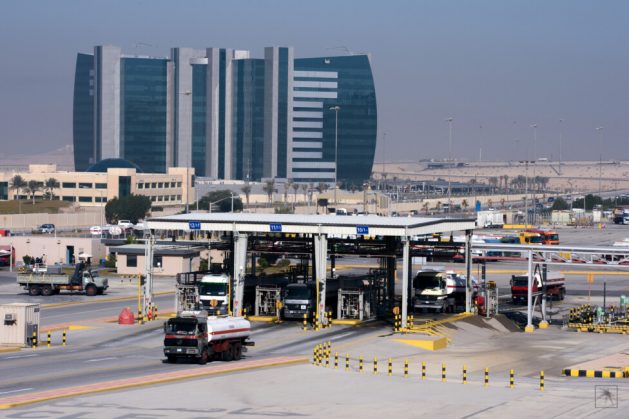
View of the bulk fuel plant in Dhahran, Saudi Arabia. Because the kingdom needs oil prices to remain high to balance its budget, it pushed OPEC and its allies to decide on a production cut as of Nov. 1. CREDIT: Aramco
The OPEC+ alliance (the 13 members of the organization and 10 allied exporters) decided to remove two million barrels per day from the market, in a world that consumes 100 million barrels per day. The decision was driven by the two largest producers, Saudi Arabia – OPEC’s de facto leader – and Russia.
The UN Secretary-General underscored the importance of a free press, which he said is vital to a functioning democracy, exposing wrongdoing, navigating our complex world, and advancing the Sustainable Development Goals (SDGs) – the blueprint for a more just, equitable and greener future.
Today, in an era of all-destroying nuclear weapons, instantaneous global communication and worldwide economic interdependence, nationalism has become a dangerous anachronism.
History, as it is taught today, is centered on the country where it is being taught. Our own country is the most important. Our own country is always in the right, according to nationalist historians. Patriotic soldiers and generals are exalted. It is sweet and noble to die for one’s country.
UNITED NATIONS, Oct 31 2022 (IPS)* – For decades, urban practitioners have failed to consider the needs of women in city decision-making and planning. Imagine being a young girl in a bustling metropolis.
Credit: United Nations
Every day she hesitates to go to school, tries different routes on the public bus, walks miles in the hot sun, to avoid the sexual harassment that has become a daily occurrence in public spaces.
A multifaceted response from Europe has so far prevented its energy woes from creating widespread social and economic destabilization. But with winter approaching, the crisis is far from over and risks are getting worse.
John P. Ruehl
While European energy prices have eased slightly in recent months, stress continues to build across a continent that has long been dependent on access to cheap Russian energy.
(UN News)* — National pledges to reduce harmful emissions offer little hope of avoiding climate disaster, UN climate experts said on Thursday [], in an urgent appeal for a radical transformation of the energy sector, before it’s too late.
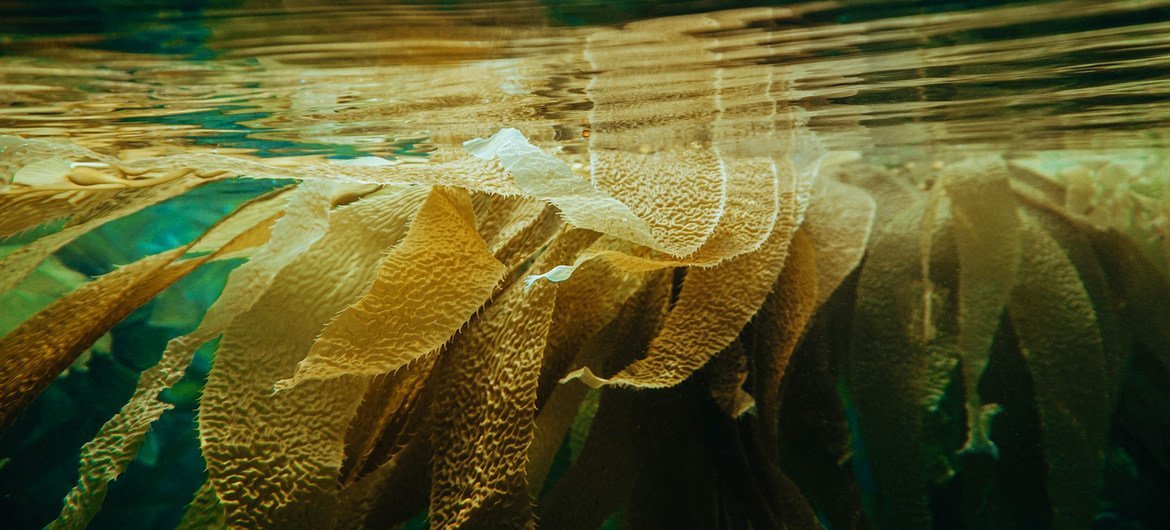
Unsplash/Shane Stagner | Kelp, a type of seaweed, can be fed to animals and could help to reduce greenhouse gas emissions.
.
There’s “no credible pathway to 1.5C in place” today, the UN Environment Programme (UNEP) insisted in a new report, despite legally binding promises made at the 2015 Paris Climate Conference to prevent average temperatures rising by more than 1.5C above pre-industrial levels.
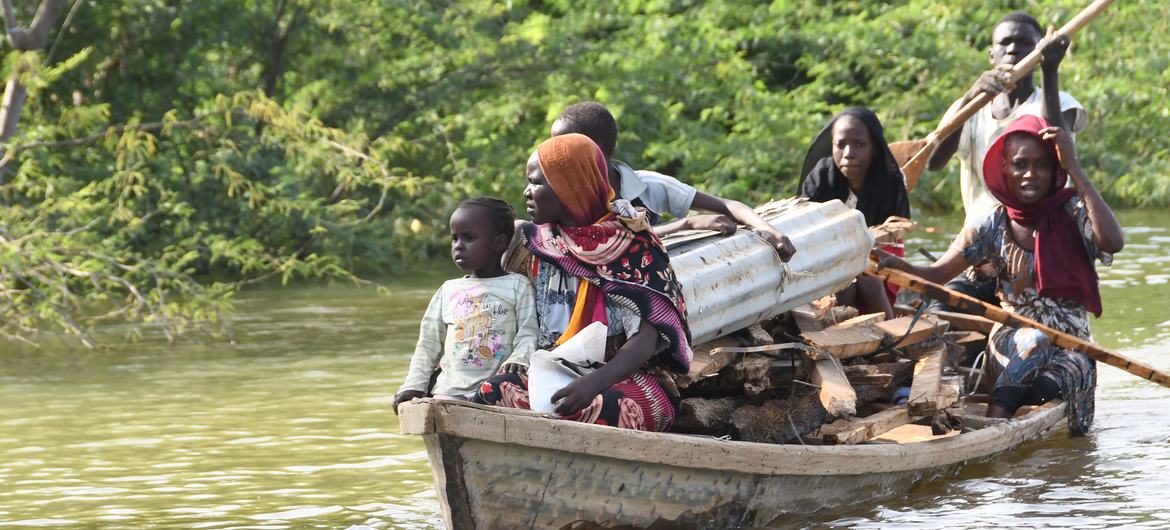
(UN News)* — In west and central Africa, some 3.4 million people need help after destructive flooding, the UN refugee agency, UNHCR, said on Friday [28 October 2022].
The alert comes amid the worst floods in a decade, which have swept across Nigeria, Chad, Niger, Burkina Faso, Mali and Cameroon.
UNHCR spokesperson Olga Sarrado said that hundreds of people had died in Nigeria, where floodwaters in the northeast swept through sites for internally displaced people and host communities in Borno, Adamawa, and Yobe States.
WMO records biggest increase in methane concentrations since start of measurements.
.
Geneva/New York, 26 October (WMO)* – In yet another ominous climate change warning, atmospheric levels of the three main greenhouse gases – carbon dioxide, methane and nitrous oxide all reached new record highs in 2021, according to a new report from the World Meteorological Organization (WMO).
MADRID, Oct 27 2022 (IPS)* – No. No lettuce, no matter how British it may be, could outlast such a steady depletion of the very foundation of life.
One third of all plastic waste ends up in soils or freshwater. Most of this plastic disintegrates into particles smaller than five millimetres, known as microplastics, and these break down further into nanoparticles. Credit: UN Environment
Now, new facts about such depletion come to add to the already reported ones regarding the unstopped, man-made dangers threatening the present and future of indispensable natural resources.
These are some of the biggest reasons explaining how the web of life is unrelentlessly agonising:
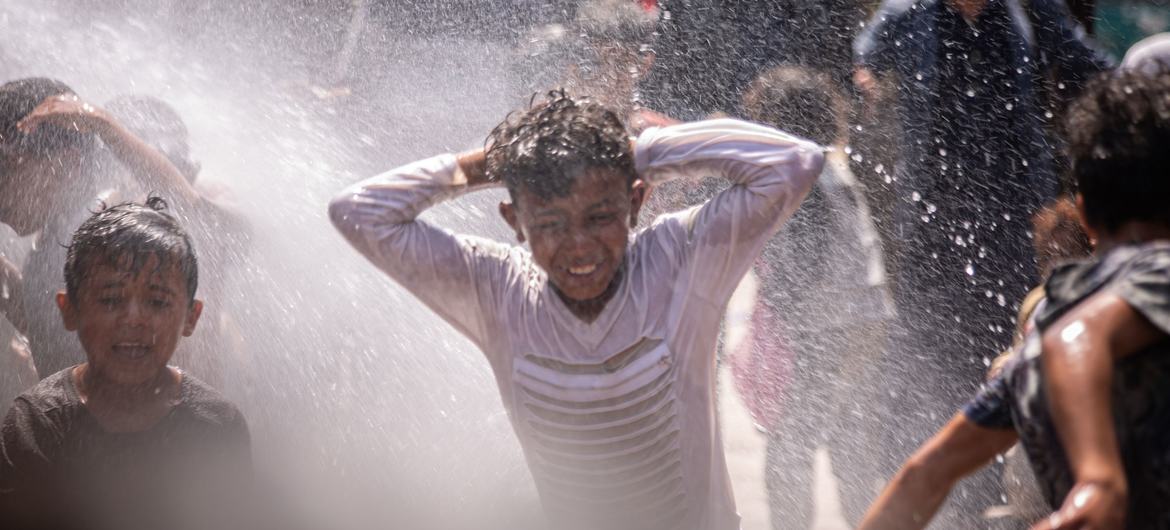
(UN News)* — Heatwaves have become an unavoidable health hazard for many nations, but new data indicates that they are set toaffect virtually every child on earth by 2050, the UN Children’s Fund, UNICEF, warned on Tuesday [].
Today, at least half a billion youngsters are already exposed to a high number of heatwaves, placing them on the front lines of climate change, the UN agency noted.By the middle of this century, moreover, it estimates that more than two billion children will be exposed to “more frequent, longer lasting, and more severe” heatwaves.






 HUMAN WRONGS WATCH