For decades, the United States has punished nations that dared to act independently. From Venezuela to the Sahel, a new generation is rejecting the old empire’s script.
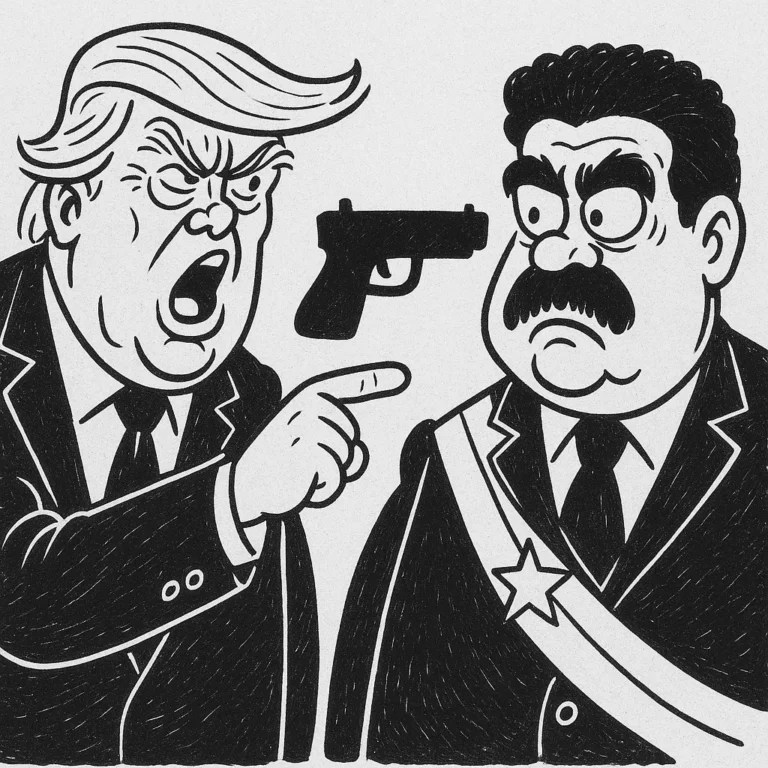
The mask has fallen. In a moment of verbal violence reminiscent of an old western, U.S. president Donald Trump openly called for the “removal” of Venezuelan president Nicolás Maduro, accusing Venezuela of “threatening American interests, or supporting drug cartels.”
Let us be clear: this is not mere rhetoric. It is an explicit call for the murder of a sovereign head of state—a flagrant violation of international law.
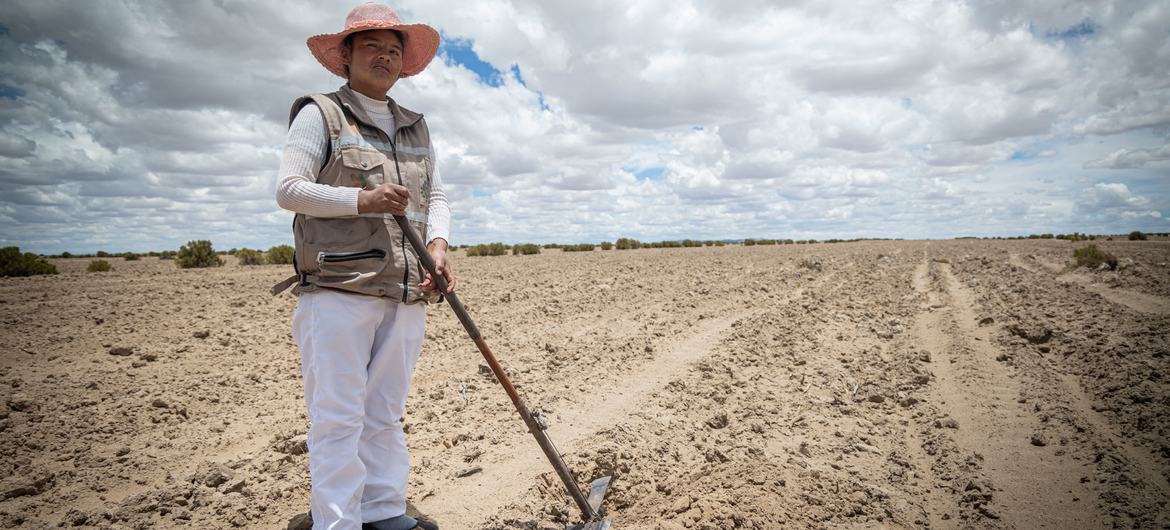
(UN News)* — Roughly 1.7 billion people are living in areas where crop yields are failing due to human-induced land degradation – “a pervasive and silent crisis that is undermining agricultural productivity and threatening ecosystem health worldwide.”
The report delivers a clear message: land degradation is not just an environmental issue – it impacts agricultural productivity, rural livelihoods and food security,” the UN agency said.
Land is the core of agrifood systems, supporting over 95 percent of food production in addition to providing essential ecosystem services that sustain life on the planet.
Though humanity has always counted its war casualties in terms of dead and wounded soldiers and civilians, destroyed cities and livelihoods, the environment has often remained the unpublicized victim of war. Water wells have been polluted, crops torched, forests cut down, soils poisoned, and animals killed to gain military advantage.
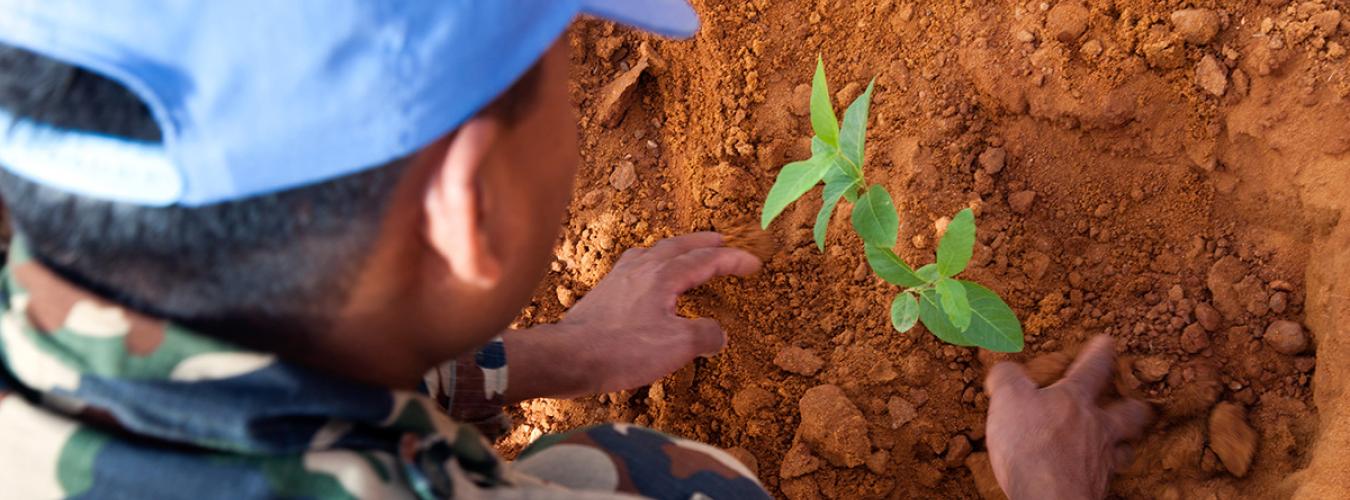
A Nepalese peacekeeper with the African Union-UN Hybrid Operation in Darfur (UNAMID) plants a tree outside UNAMID Headquarters in El Fasher, Sudan. PHOTO:UN Photo/Albert Gonzalez Farran
Furthermore, the United Nations Environment Programme (UNEP) has found that over the last 60 years, at least 40 percent of all internal conflicts have been linked to the exploitation of natural resources, whether high-value resources such as timber, diamonds, gold and oil, or scarce resources such as fertile land and water.
UNITED NATIONS, Oct 31 2025 (IPS)* – The lingering after-effects of nuclear tests by the world’s nuclear powers have left a devastating impact on hundreds and thousands of victims world-wide.
.
The first USSR nuclear test “Joe 1” at Semipalatinsk, Kazakhstan, 29 August 1949. Credit: CTBTO
The history of nuclear testing, according to the United Nations, began 16 July 1945 at a desert test site in Alamogordo, New Mexico when the United States exploded its first atomic bomb.
Geneva, 29 October 2025– WHO and global partners are calling for the protection of people’s health to be recognized as the most powerful driver of climate action, as a new global report released on 29 October 2025 warns that continued overreliance on fossil fuels and failure to adapt to a heating world are already having a devastating toll on human health. WHO / Nitsebiho Asrat
The 2025 report of the Lancet Countdown on Health and Climate Change, produced in collaboration with the World Health Organization (WHO), finds that 12 of 20 key indicators tracking health threats have reached record levels, showing how climate inaction is costing lives, straining health systems, and undermining economies.
(UN News)* — The world of work is undergoing rapid and destabilising change, with widening inequality and job insecurity leaving millions without stable livelihoods or basic protections.
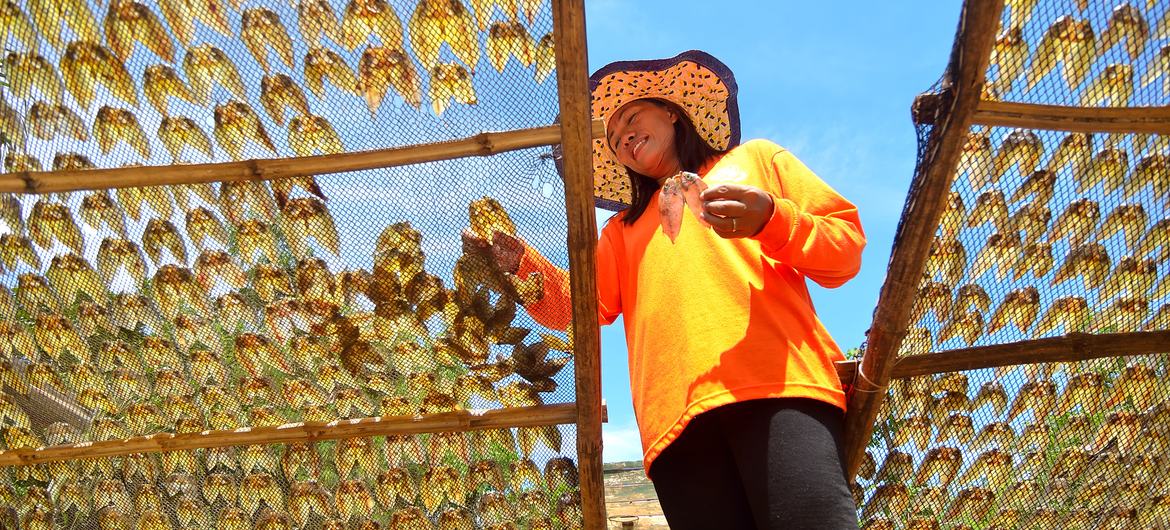
ESCAP/Anthony Into | On Santiago Island in Bolinao, Philippines, a woman tends to sun-dried rabbitfish (‘danggit’), a livelihood that supports many households.
That is the warning outlined in a new assessment released on Friday by the UN International Labour Organization (ILO), which urges governments, employers and labour organizations to put dignity and workers’ rights at the centre of economic decision-making.
BULAWAYO & BANGKOK, Oct 31 2025 (IPS)* – From the streets of Bangkok to power corridors in Washington, the civil society space for dissent is fast shrinking.
Mandeep Tiwana, Secretary General, CIVICUS Global Alliance. Credit: CIVICUS
Authoritarian regimes are silencing opposition but indirectly fueling corruption and widening inequality, according to a leading global civil society alliance.
The warning is from Mandeep Tiwana, Secretary General of CIVICUSGlobal Alliance, who points to a troubling trend: civil society is increasingly considered a threat to those in power.
That is a sobering assessment from CIVICUS, which reports that a wave of repression by authoritarian regimes is directly fueling corruption and exploding inequality.
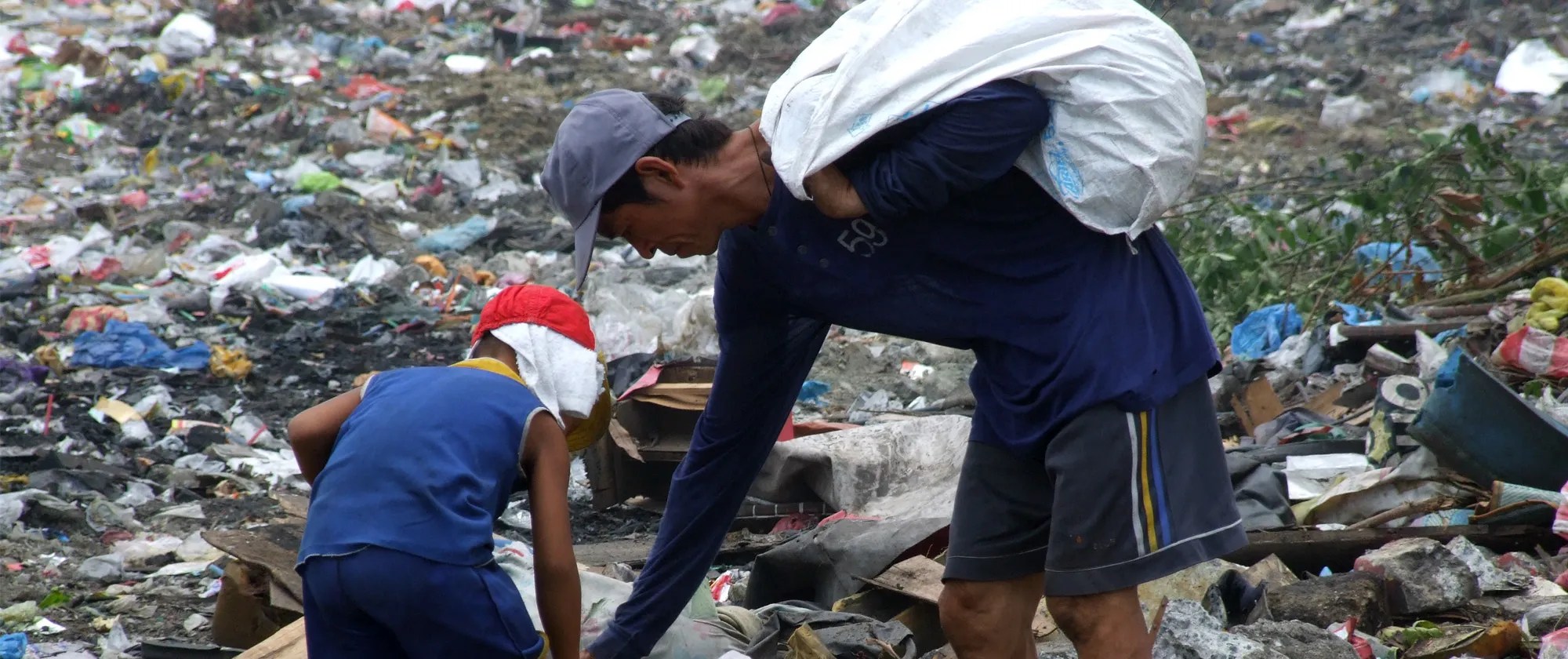
Waste collectors and informal economy workers navigate daily risks and hardships, making social protection an essential lifeline during crises, emergencies and economic shocks in the Philippines.
.
MANILA, 29 October 2025 – Danger was a childhood companion for Mark Angelo Jacob. At just 12 years old, while trying to stay in school, he began scavenging at the Payatas dumpsite in Quezon City, Philippines. Child labour shaped his early years living and working in the dumpsite.
Funding cuts are forcing WFP to sharply shrink assistance to hundreds of thousands asylum seekers
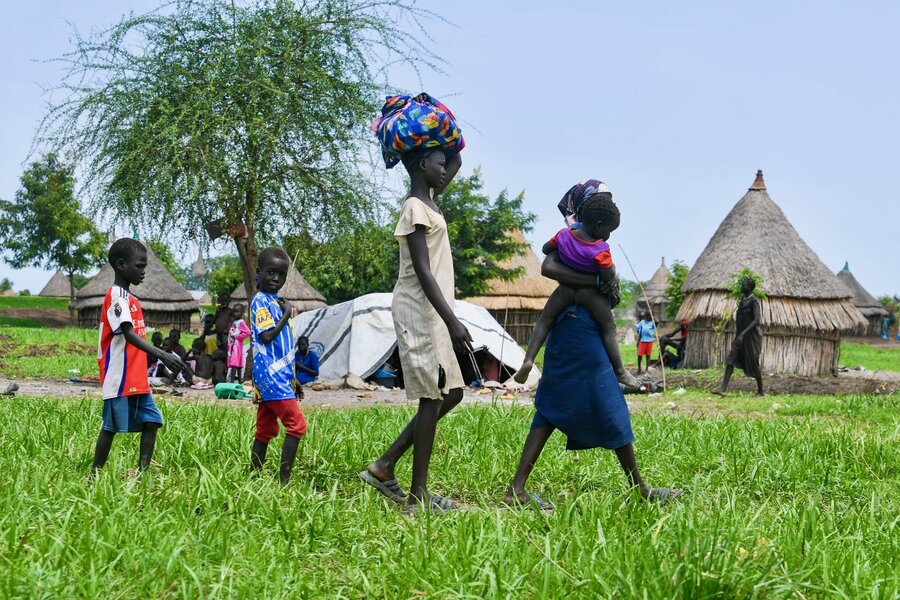
Nyibol (carrying baby) and her children arrive in Gambella, Ethiopia, after a days-long trek from South Sudan. Photo: WFP/Michael Tewelde
– Nyibol and her four children crossed from their native South Sudan into Ethiopia last April, feeling weak from hunger. It had been days since their last meal.
“My children are small; the journey was difficult for them,” recalls Nyibol, describing struggling with sickness during a two-week long journey
More details continued to emerge on Friday of atrocities committed during and after the fall of El Fasher to the Rapid Support Forces (RSF) militia in Sudan’s Darfur region.
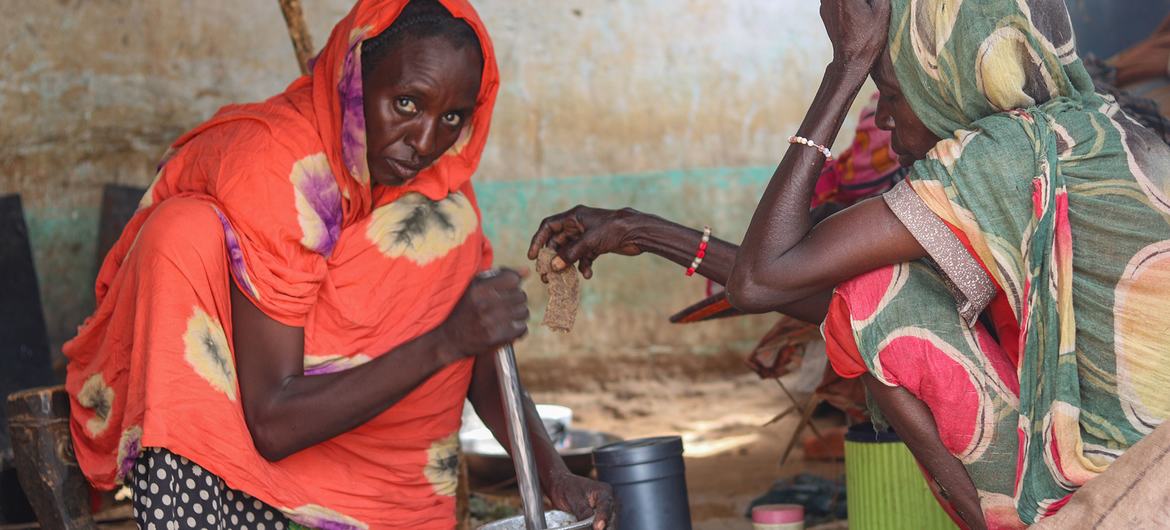
Since the powerful paramilitary group made a major incursion into the city last week, the UN human rights office has received “horrendous accounts of summary executions, mass killings, rapes, attacks against humanitarian workers, looting, abductions and forced displacement,” said Seif Magango, spokesperson for the UN human rights office (OHCHR).



 HUMAN WRONGS WATCH