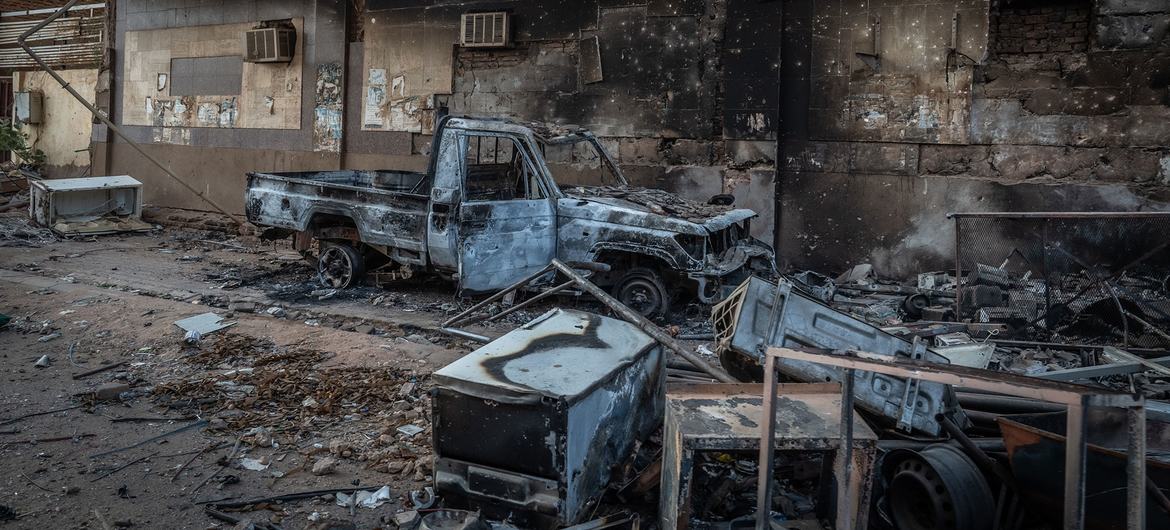
El Fasher has “descended into an even darker hell,” senior UN officials warned on Thursday, as the Rapid Support Forces (RSF) militia seized control of the North Darfur capital after a 500-day siege, forcing tens of thousands to flee on foot amid reports of mass executions, rape and starvation.
Briefing ambassadors in the Security Council, the UN’s top relief official Tom Fletcher said “women and girls are being raped, people being mutilated and killed – with utter impunity,” adding: “We cannot hear the screams, but – as we sit here today – the horror is continuing.”
UNITED NATIONS, Oct 31 2025 (IPS)* – The United States, the largest single contributor to the UN budget, is using its financial clout to threaten the United Nations by cutting off funds and withdrawing from several UN agencies.
Credit: UN Photo/Loey Felipe
In an interview with Breitbart News U.S. Representative to the United Nations, Ambassador Mike Waltz said last week “a quarter of everything the UN does, the United States pays for”.
“Is there money being well spent? I’d say right now, no, because it’s being spent on all of these other woke projects, rather than what it was originally intended to do, what President Trump wants it to do, and what I want it to do, which is focus on peace.”
Women in the health and care sector face a larger gender pay gap than in other economic sectors, earning on average 24 per cent less than their male peers. PHOTO:ILO
The care economy
Care work, both paid and unpaid, is crucial to the future of decent work.
Growing populations, ageing societies, changing families, women’s secondary status in labour markets and shortcomings in social policies demand urgent action on the organization of care work from governments, employers, trade unions and individual citizens.
29 October 2025 (UN News)* —Horrific stories of mass-atrocities committed by the RSF militia continue to emerge, along with the tens of thousands of civilians who have fled the North Darfur city of El Fasher in Sudan.
The World Health Organization says it’s appalled and deeply shocked by reports that 460 patients and their companions have been killed at Saudi Maternity Hospital in the city.
Director-General Tedros Adhanom Ghebreyesus said that prior to this latest attack, WHO has verified 285 attacks on healthcare in Sudan with at least 1,204 deaths and over 400 injuries of health workers and patients, since the start of the conflict.
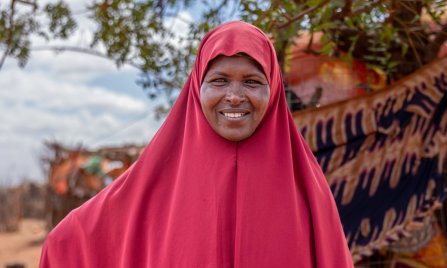
Harqabobe, Somalia – On nights when storm clouds gathered over the valley, fear ran through the community. “When it rained, we worried what might come from the valley,” recalls Huria.
“Would the water rise while we slept? Would it come without warning on a clear day?”
Huria stands among those leading efforts to restore the land and protect their homes from future floods. Photo: IOM 2025/Yusuf Abdirahman
For years, this small village in Somalia’s Middle Shabelle region, north of Mogadishu, was caught in a brutal cycle. Rains came hard and erratic, washing through the valley and tearing apart homes and fields.
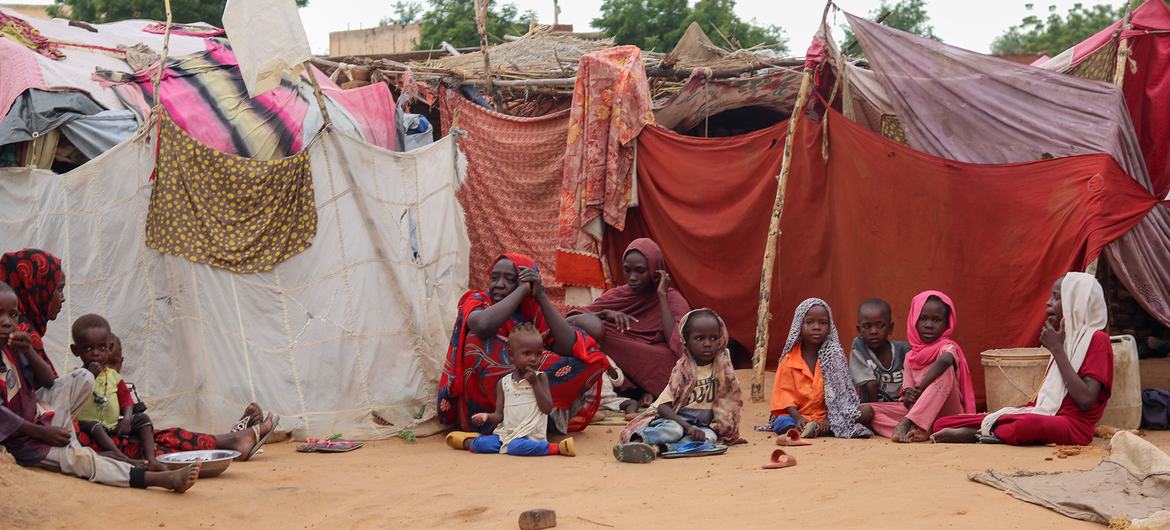
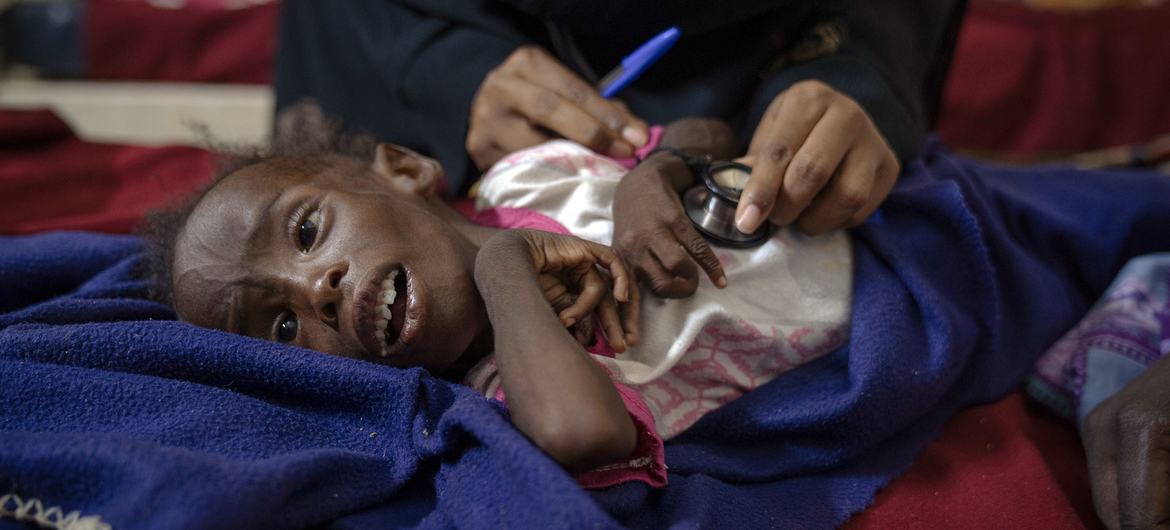
(UN News)* — Over 900 days of brutal conflict, widespread human rights violations, famine, and the collapse of essential services have driven millions of people in Sudan to the “brink of survival” – with women and children bearing the heaviest burden.
Sudan stands at the epicentre of one of the world’s “most severe” humanitarian crises, according to the UN.
.
Over 30 million people now need urgent humanitarian assistance, among them 9.6 million displaced from their homes and nearly 15 million children caught in a struggle for daily survival.
Achieving gender equality and empowering women is not only the right thing to do but is a critical ingredient in the fight against extreme poverty, hunger and climate change.
Women engaged in wage employment in agriculture earn 82 cents for every dollar that men earn, according to a recent FAO report. PHOTO:Sasint/Adobe Stock
Rivers cut by dams, farmland expansion and urban growth are putting food, water, biodiversity and livelihoods at risk unless urgent action is taken.
Bonn/Abu Dhabi, – Nearly one-third of the Earth’s land surface has already been profoundly transformed by human activity, leaving ecosystems degraded and fragmented, according to the Global Land Outlook Thematic Report on Ecological Connectivity and Land Restoration, launched on 11 October 2025 at the International Union for Conservation of Nature (IUCN) World Conservation Congress in Abu Dhabi.
As humanitarian aid dries up, these countries are especially vulnerable
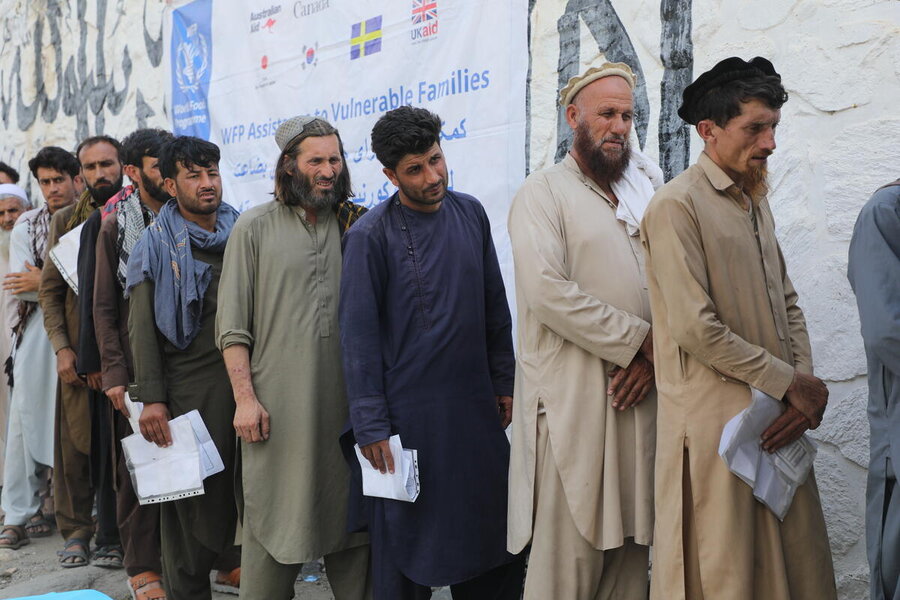
Afghanistan
People lining up for WFP assistance in earthquake-hit eastern Afghanistan. The country faces soaring needs – even as WFP assistance is being deeply cut. Photo: WFP/Arete/Muktar Nikrawa
There are 9.5 million food-insecure people in Afghanistan – a number that WFP fears will rise. WFP has a US$622 million funding shortfall over the next six months.
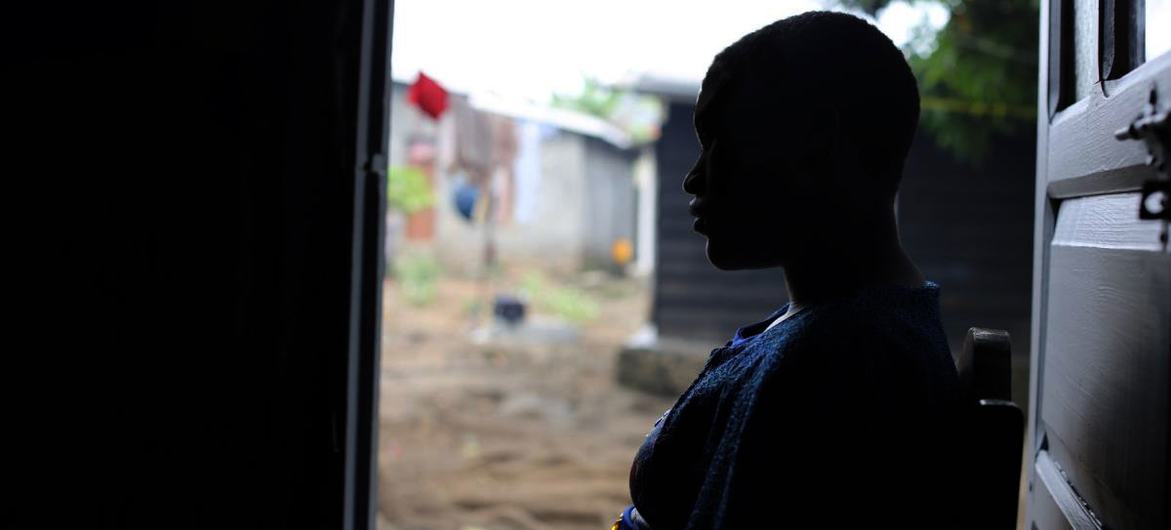
(UN News)* — Women and girls in the Democratic Republic of the Congo (DRC) are trapped in one of the world’s worst humanitarian crises and face rampant insecurity, a senior United Nations official warned on Tuesday [] following a visit to the country.
Speaking to journalists at the UN Office at Geneva, Shoko Arakaki, director of humanitarian affairs at the UN reproductive health agency (UNFPA), said that essential services have been severely disrupted, while incidents of rape and conflict-related sexual violence have surged by a third compared to last year.




 HUMAN WRONGS WATCH