UNITED NATIONS, Sep 3 2025 (IPS)* –– Over the past decade, major strides have been made in expanding global access to water, sanitation, and hygiene (WASH) services, with billions of people around the world seeing improvements in overall health and well-being.
A woman pulls a floating toilet into the lake in Kaylar village in Shan State, Myanmar, on June 25, 2025. After the earthquake, the onset of the rainy season made access to safe sanitation challenging for displaced communities. Credit: UNICEF/Maung Nyan
Despite these gains, people largely from low-income countries and marginalized groups still lack access to clean water, leaving them vulnerable to disease and hindering social development and inclusion.
TORONTO, Sep 2 2025 (IPS)* –– If European colonialism had never happened in Canada, matriarchy would still have been strong in Indigenous culture. Matriarchy was the backbone of society’s structure and line of dominance in Turtle Island (North America) before the arrival of Westerners.
.
Indigenous People’s Celebration in Canada. Photo courtesy of Chrystal Tabobandung
In practice, Indigenous women in Canada have been victims of violence and discrimination.
27 August 2025 — In Nigeria, land is more than property. It is identity, security, and livelihood.
But for many women and displaced people, especially in regions affected by conflict, land is also a source of uncertainty, dispute and exclusion.
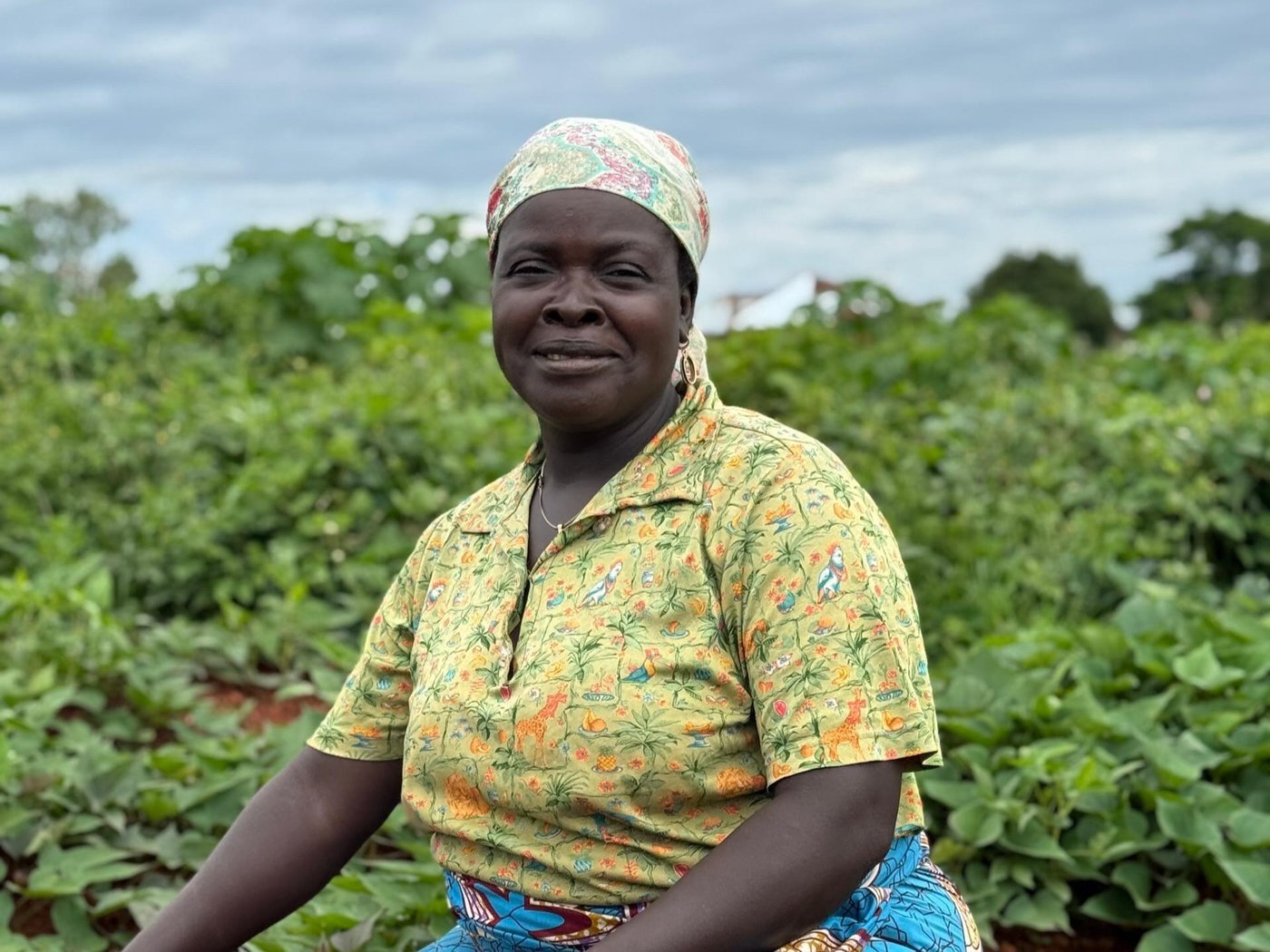
Sarah stands in front of her farm. She now has a document that secures her tenure for this land, and even her children can use it when needed. Photo: Kumbo Dung/NRC
With no formal documents to prove ownership, many live in fear of losing the little they have.
UNITED NATIONS, New York – Across the world, wars are being waged on the very systems set up to protect civilian populations: Health workers, hospitals, health centres and ambulances are being targeted in horrifying numbers.
On 30 March 2025, a rescue operation in Tal Al Sultan, Rafah, Gaza,recovered the bodies of 15 humanitarian workers from the Palestine Red Crescent Society, the Palestinian Civil Defense and the United Nations. The available information indicates that they were killed by Israeli forces on 23 March and buried under the sand.
Attacks against health facilities doubled between 2023 and 2024, and more than 900health workers were killed last year.
Humanitarian aid workers dedicated to supporting the most vulnerable in multiple crises were also killed in record numbers in 2024. Yet 2025 is outpacing even these dark statistics.
Decades of progress on tackling malnutrition are under threat from funding cuts.
.
UNICEF/UNI428897/UNICEF/YPN
Malnutrition is deadly. A child suffering from severe acute malnutrition is nine times more likely to die than a well-nourished child.
But the dire consequences of malnutrition aren’t always immediate or visible from the outside.
Poor diets also inflict devastating damage on the inside, stunting children’s growth, impairing their brain development and leaving them susceptible to disease.
UNITED NATIONS, Aug 25 2025 (IPS)* –– Sexual violence against women and children during wars should not be considered collateral damage. “It is strategy, it is systematic, and it is used more and more,” Permanent Representative of Denmark to the United Nations (UN) Christina Markus Lassen said.
Pramila Patten, Special Representative of the Secretary-General on Sexual Violence in Conflict, briefs the Security Council during the meeting on women, peace and security. Credit: UN Photo/Eskinder Debebe
Lassen was speaking at the August 19 Security Council meeting on Women and Peace and Security after the 16th annual Report of the Secretary-General on Conflict-Related Sexual Violencerevealed a 25 percent increase in conflict-related sexual violence from the previous year and concerning global trends on the use of sexual violence as a form of torture and against prisoners of war.
Women and girls made up 92 percent of the victims; sexual violence against children increased by 35 percent, the report, which was published on August 14 said.
UNITED NATIONS, Sep 1 2025 (IPS)* –– When Yasser Arafat, leader of the Palestine Liberation Organization (PLO) was denied a US visa to visit New York to address the United Nations back in 1988– under the Ronald Reagan administration– the General Assembly defied the United States by temporarily moving the UN’s highest policy making body to Geneva– for the first time in UN history– providing a less-hostile political environment for the PLO leader.
The Leader of the Palestine Liberation Organization (PLO), Yasser Arafat, arrived at UN Headquarters by helicopter. A view of the helicopter as it approached the North Lawn of the UN campus on 13 November 1974. But Arafat was denied a US visa for a second visit to the UN in 1988. Credit: UN Photo/Michos Tzovaras
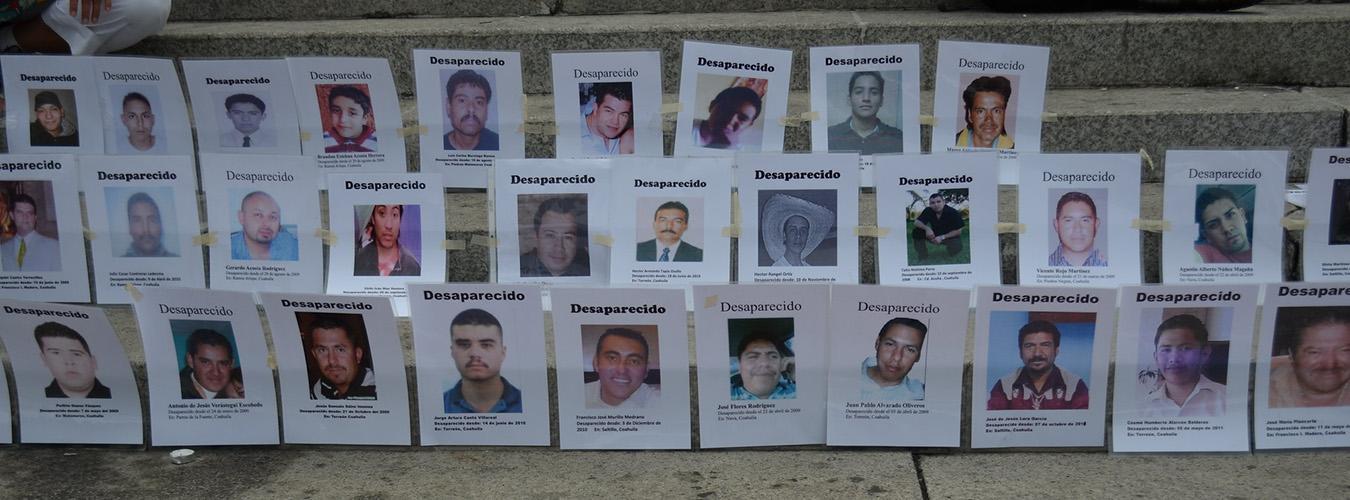
The families and friends of the victims, experience slow mental anguish, not knowing whether the victim is still alive and, if so, where he or she is being held, under what conditions, and in what state of health. PHOTO:OHCHR Mexcio
Enforced disappearance has frequently been used as a strategy to spread terror within the society.
The feeling of insecurity generated by this practice is not limited to the close relatives of the disappeared, but also affects their communities and society as a whole.
Enforced disappearance has become a global problem and is not restricted to a specific region of the world.
Once largely the product of military dictatorships, enforced disappearances can nowadays be perpetrated in complex situations of internal conflict, especially as a means of political repression of opponents.
(UN News)* — Humanitarians continue to push for more support for Sudan amid ongoing conflict, rising malnutrition and a cholera outbreak, a senior UN aid coordination official said on Thursday [] in New York.
Edem Wosornu, Director of Operations and Advocacy for the humanitarian affairs office, OCHA, briefed journalists on her recent visit to Sudan and neighbouring Chad – a critical entry point for aid and a haven for some 850,000 people who have fled fighting between the Sudanese army and the Rapid Support Forces (RSF) militia.
The war erupted in April 2023 and she said it has created one of the world’s largest humanitarian crises, with some 30 million people needing assistance.
BOCAS DEL TORO PROVINCE, Panama (UNFPA)* 29 August 2025 -– “We don’t have special care for women,” said Jakelyn Chiu, a single mother of three from the Bocas del Toro Province in Panama. “Here in the district, we don’t have a permanent gynaecologist. Women have to go to another province for care.”
Ms. Chiu had her first baby at age 17 and now works with UNFPA, the United Nations sexual and reproductive health agency, to empower adolescent girls and prevent unintended pregnancies in her community.
Across Latin America and the Caribbean, a girl becomes a mother every 20 seconds, according to a recent report by UNFPA.





 HUMAN WRONGS WATCH