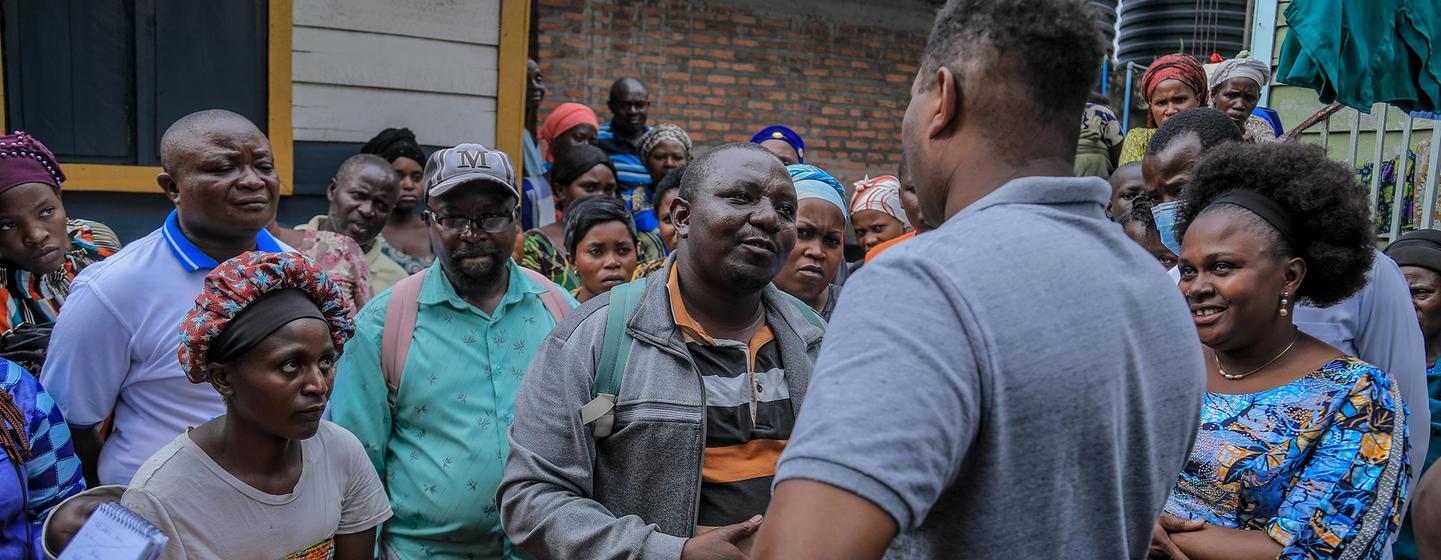
(UN News)* — In the days leading up to the fall of Goma, the capital of North Kivu in eastern Democratic Republic of the Congo, Dr. Thierno Balde slept with a helmet and bulletproof vest beside his bed as shells rattled the walls of his hotel.
Gunfire tore through the dark. Night after night, the 44-year-old physician from Guinea clung to the hope that the besieged city would hold somehow.
Then, one morning in late January, the call came: he and the remaining international staff had to be evacuated immediately.
“We took the last flight out,” he recalled.
Hours later, Goma was in the hands of M23. The Tutsi-led rebel group, backed by neighbouring Rwanda, had just landed its boldest military victory in the region yet.
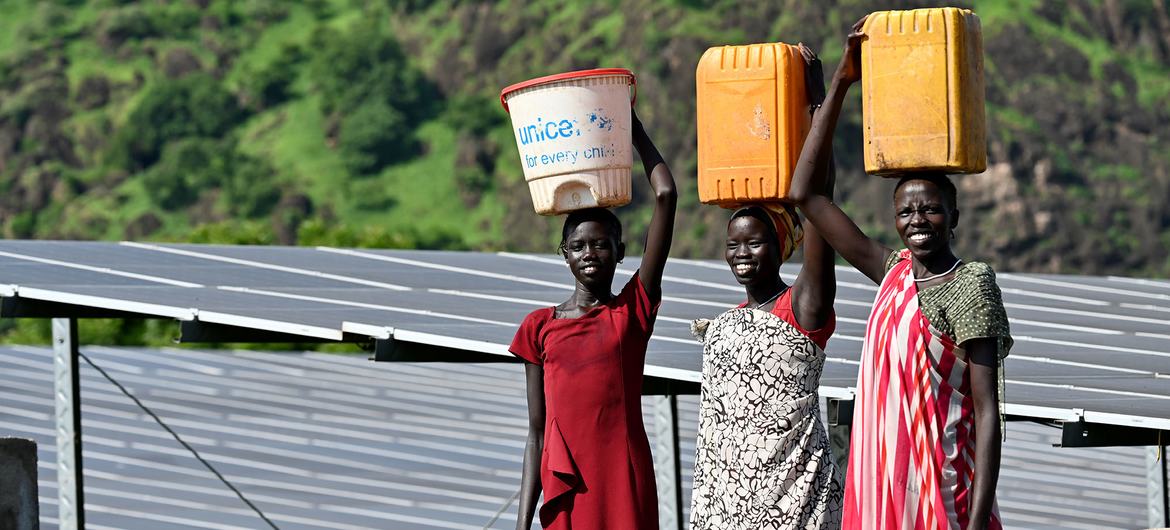
NEW YORK/GENEVA, 26 August 2025 (UNICEF)* -– Despite progress over the last decade, billions of people around the world still lack access to essential water, sanitation, and hygiene services, putting them at risk of disease and deeper social exclusion.
People living in low-income countries, fragile contexts, rural communities, children, and minority ethnic and indigenous groups face the greatest disparities.
(UN News)* — Some 2.2 billion people worldwide still lack access to safely managed drinking water services, according to the World Health Organization (WHO) – an increasingly urgent challenge as demand for safer access to the vital resource grows.
Currently underway in Stockholm from 24 to 28 August, the 35th World Water Week meeting highlights the crucial link between water and global warming, under the theme, Water For Climate Action.
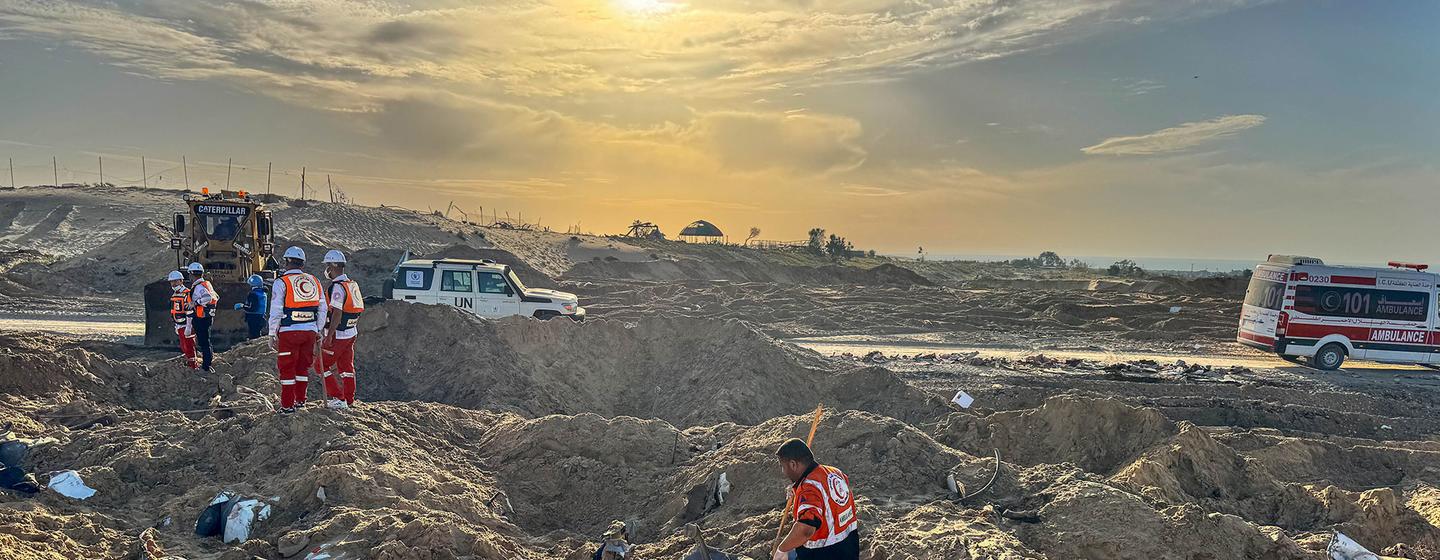
(UN News)* —From Gaza to Sudan, wars are being waged on the very systems set up to protect civilian populations, with health workers, hospitals, health centres and ambulances being targeted in horrifying numbers, according to the UN agency for reproductive health and rights, UNFPA.
Attacks against health facilities doubled between 2023 and 2024, and more than 900 health workers were killed last year, the agency reported.
Humanitarian aid workers were also killed in record numbers in 2024.
Yet, 2025 is outpacing even these dark statistics at a time when funding for humanitarian work is shrinking and support services established over decades are struggling to operate.
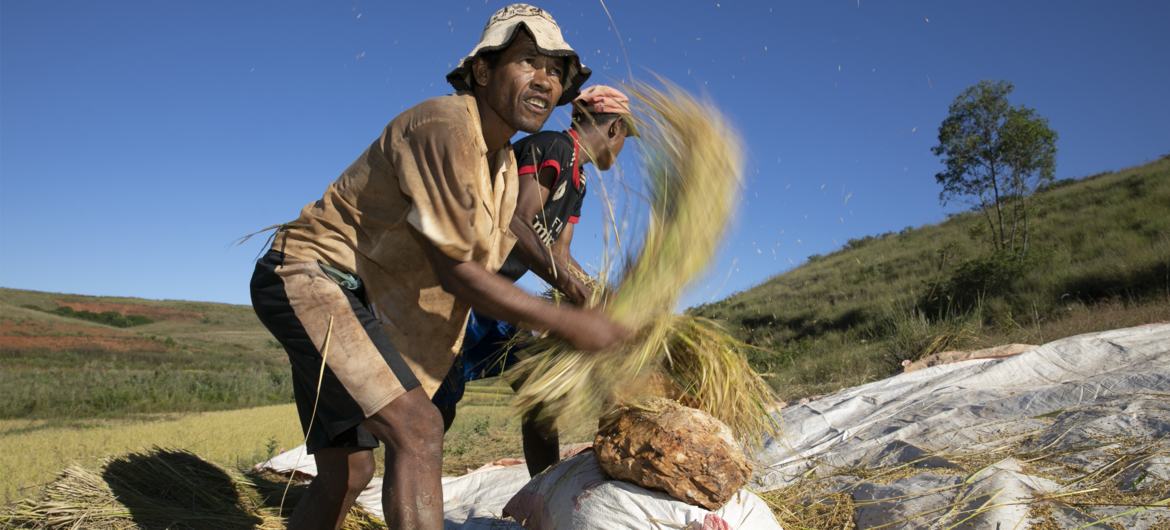
(UN News)* — Extreme heat is fast becoming one of the biggest threats to workers’ health and livelihoods, the World Health Organization (WHO) and World Meteorological Organization (WMO) warned on Friday [].
The new joint report, Climate change and workplace heat stress, underscores the mounting risks as climate change fuels longer, more extreme, and more frequent heatwaves.
Stressing that workers in agriculture, construction, and fisheries are already suffering the impacts of dangerous temperatures, the report points out that vulnerable groups in developing countries – includingchildren, older adults, and low-income communities – face increasing dangers.
Christiana, Angélica, and Delza at a UNICEF-assisted organization in Brazil, which empowers black youth to confront racism and advocates for equal education and work opportunities. PHOTO:UNICEF/Alejandro Balaguer
Running from January 1, 2025, to December 31, 2034, this decade embraces the theme “People of African Descent: Recognition, Justice, and Development,” aiming to highlight the importance of acknowledging the rights and contributions of people of African descent.
(UN News)* — Victims of atrocities and freedom fighters across history can inspire future generations to build just societies, the chief of the UN Educational, Scientific and Cultural Organization (UNESCO) said on the occasion of theInternational Day for the Remembrance of the Slave Trade and its Abolition, commemorated annually on 23 August.
UN News/Eileen Travers | The ‘tronco’ was used to restrain enslaved people in the 18th century, seen here as part of an exhibit at UN Headquarters. (file)
.
“It is time to abolish human exploitation once and for all and to recognise the equal and unconditional dignity of each and every individual,” Ms. Azoulay said.
.
The Day is intended to inscribe the tragedy of the slave trade in the memory of all peoples.
GENEVA, Aug 21 2025 (IPS)* – On August 7, a tar-like slurry glistened on the roads leading up to the gate of the Palais Des Nations in Geneva, Switzerland.
Greenpeace protest at the recent Intergovernmental Negotiating Committee (INC 5.2) on plastic pollution held in Geneva. Credit: Ravleen Kaur/IPS
For fear of sticky substances sticking to tires, no vehicles were allowed to go inside for a while, forcing officials arriving from different parts of the world to disembark and walk through a side entrance.
Four people swiftly climbed the gates of the Palais, where the Intergovernmental Negotiating Committee (INC 5.2) on plastic pollution was taking place in Geneva, with yellow fluorescent banners that read “Big Oil polluting inside” and “Plastic treaty not for sale.”
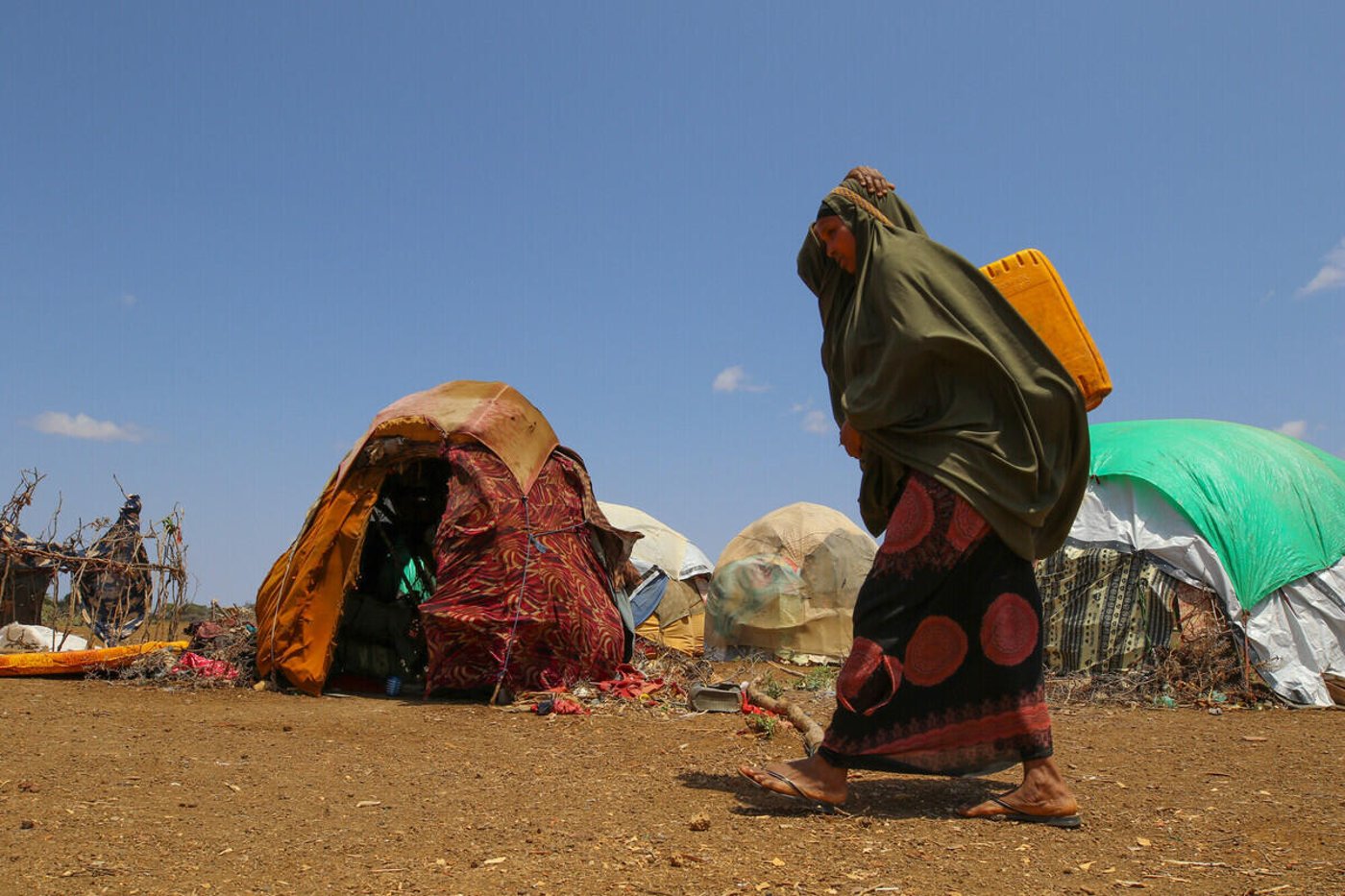
18 August 2025 — Hundreds of thousands of Somalis have been cut off from safe water supplies in recent months due to severe humanitarian funding shortfalls, putting entire communities at heightened risk of deadly disease outbreaks, warns the Norwegian Refugee Council (NRC).
A woman carries a jerrycan of water on her back as she makes her way home in Qaydar-adde displacement camp, Baidoa, Somalia. Photo: Abdulkadir Mohamed/NRC
With just a trickle of the humanitarian appeal set at the start of this year for Somalia funded, the collapse of water, sanitation, and hygiene services is accelerating the spread of preventable diseases including cholera and acute watery diarrhoea.
(UN News)* —UN aid teams in Gaza say that they’re only able to get less than half the lifesaving food support that is needed into the war-torn enclave.
In an alert from the World Food Programme (WFP), the agency said that half a million people “are on the brink of famine”, a claim backed up by multiple humanitarian agencies.
The latest worrying data is showing widespread acute malnutrition.





 HUMAN WRONGS WATCH