1 April 2021 (Wall Street International)* — The Internet is a material world, not just a virtual reality. Worldwide, we have 3.5 billion smartphones1. The Internet of Things (IoT) connects more objects to the Internet than human beings.
34 billion devices produce tons of non-recycled electronic waste | Image fromWall Street International.
We humans now use about 34 billion digital devices1—including desktop computers, tablets, smartphones, smart TVs, smart appliances, video game consoles, computers in cars, telecommunications network devices, and data center servers.
The telecom industry predicts we will have 50 billion IoT-connected objects2 within a few years.
The climate crisis is fueling inequality around the world and in particular racial injustice. For generations, inequality has exacerbated the impacts of the climate emergency for racial communities, and here is why:
Colonialism
“The excessive exploitation of natural resources would not have been possible without slavery, which allowed Western countries to accumulate significant wealth … This grabbing of wealth continued with colonisation, in Africa, South America, and Asia.
.
Indigenous rights and environmental justice activist Chihiro Geuzebroek looks at what we mean by ‘environmental racism’ and how we can fight against it
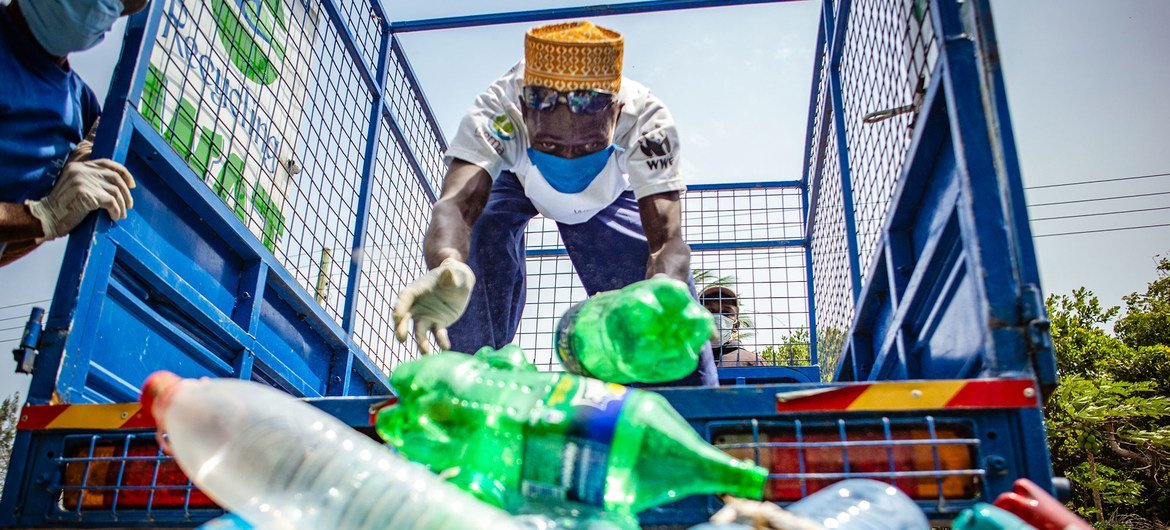
1 April 2021 (UNEP)* — For much of the last three weeks, the Flipflopi, a dhow made from recycled plastic, including a helping of old sandals, has been calling into ports across Lake Victoria. The crew of the 10-metre-long vessel is on a mission to raise awareness about a tide of plastic choking Africa’s biggest lake – and to demonstrate that trash can be turned into treasure.
UNEP / Stephanie Foote / 31 Mar 2021
“Flipflopi was built to show the world that it is possible to make valuable materials out of waste plastic,” said Ali Skanda, co-founder of the Flipflopi.
The boat’s voyage, which is supported by the United Nations Environment Programme (UNEP), comes at a critical time for both Lake Victoria and Kenya, says Llorenç Milà I Canals, the head of UNEP’s Life Cycle Initiative.
A recent report by UNEP found that 27 per cent of plastic waste in Kenya is collected and, of that, only 7 per cent is recycled in the country.
(UN News)* — Around one in eight nations spends more on debt than on social services, according to a new report from the UN Children’s Fund (UNICEF) launched on Thursday [1 April 2021], calling for debt service relief and restructuring to enable countries to bounce back from the pandemic.
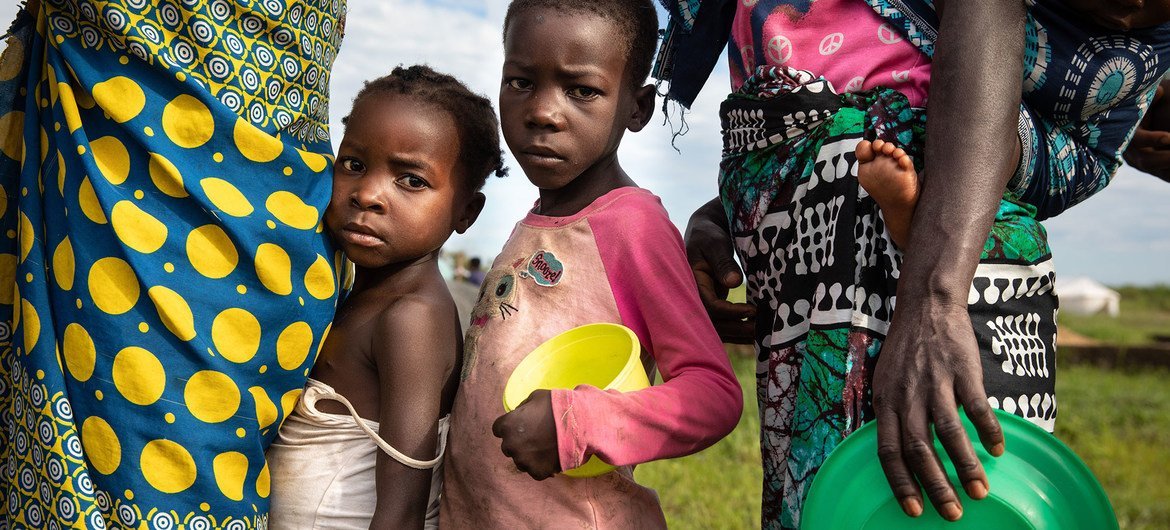
(UN News)* — Vulnerable communities disproportionately bear the brunt of environmental degradation caused by plastics pollution, and action is urgently needed to address the issue and restore access to human rights, health and well-being, according to a new UN report published on Tuesday [30 March 2021].
UNEP/Florian Fussstetter | Kenya has limited the use of single-use plastic.
The pandemic has revealed the gross inequality in American culture and society | Image fromWall Street International.
30 March 2021 (Wall Street International)* — It has been a year since the Covid-19 virus interrupted and changed our lives forever. The virus attacked not only our bodies but every aspect of our lives, our livelihoods, our children’s care and education, our ability to gather, to even kiss our grandparents.
A virus attacks the bodies of those who are most vulnerable, who have the least strong and healthy immune systems, but most critically those with “pre-morbidity.”
31 March 2021 (UNHCR)* — By the time Kimberly Virguez finally took the wrenching choice to leave her native Venezuela, widespread food shortages there had left her 15 kilos lighter. In Peru, where she sought asylum, she quickly put the weight back on.
But then the COVID-19 pandemic struck. Kimberly lost her job, and she and her husband had to start skipping meals to have enough to feed their growing twin boys. After months of eating just once a day, Kimberly again weighs about what she did when she left Venezuela in 2018.
(UN News)* — The report from a team of international scientists assembled by the World Health Organization (WHO) to examine how COVID-19 first spread to humans was published on Tuesday 30 March 2021, and was described by the UN health agency’s chief as a welcome start, but far from conclusive.
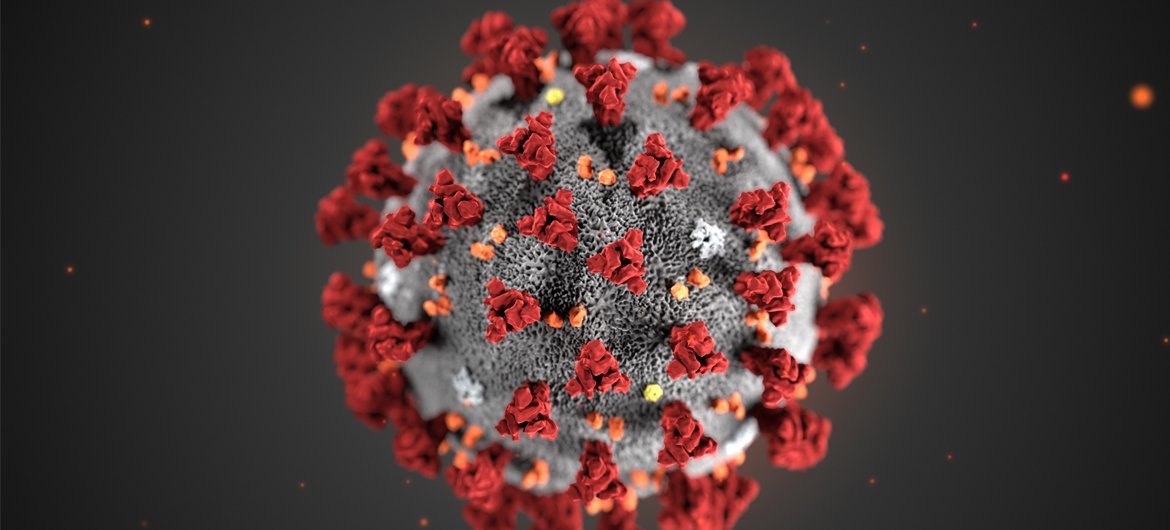
Centers for Disease Control and Prevention | A digital illustration of the coronavirus shows its crown-like appearance.
“This report is a very important beginning, but it is not the end”, said WHO Director-General, Tedros Adhanom Ghebreyesus.
“We have not yet found the source of the virus, and we must continue to follow the science and leave no stone unturned as we do.”
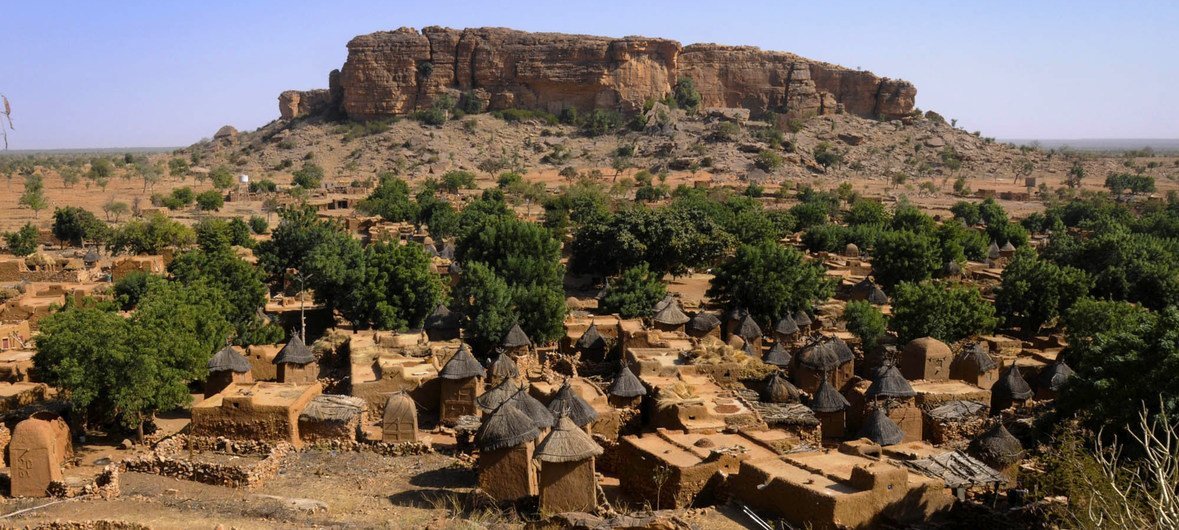
(UN News)* — In a statement released on Tuesday[30 March 2021] the UN peacekeeping mission in Mali (MINUSMA) has concluded that a 3 January French military airstrike on the central Malian village of Bounty, hit a group largely made up of civilians, killing several of them.
MINUSMA/Sophie Ravier | A traditional Dogon village in central Mali. (file 2013)
The day after the attack, a MINUSMA fact-finding team, made up of 15 human rights officers, and supported by two UN forensics experts and two public information officers, was deployed to investigate the strike, and shed light on the allegations surrounding the deaths.
New investigation shows how a US Christian right group is pushing an ‘unproven, unethical’ treatment to ‘reverse’ abortions
Illustration: Inge Snip
25 March 2021 (openDemocracy)* — “You are the first client I personally have worked with in Germany, but we have assisted many women all over Europe,” a US-based nurse told an openDemocracy undercover reporter, posing as a woman who had taken the first, but not the second, pill required to have a medical abortion.




 HUMAN WRONGS WATCH