Important Coastal Barrier at Risk from Increased Pollution
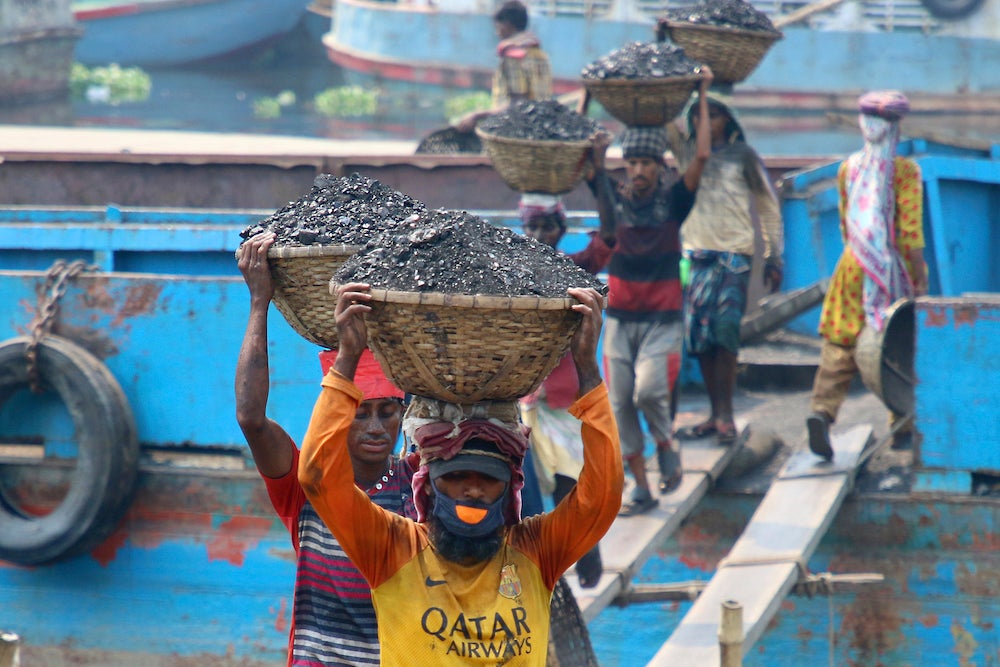
18 June 2020 – Cyclone Amphan, the most powerful to strike in the Bay of Bengal in 20 years, made landfall on the India-Bangladesh coast last month. Amphan ripped off roofs, washed away homes, and flooded farms. Crucially, Bangladesh was able to mitigate impact and save lives because of its robust emergency response system with early warnings and mass-evacuations.
BANGKOK, Thailand, Jun 18 2020 (IPS)* – The world before COVID-19 looks very attractive right now. In light of the disease, mass unemployment and social distancing, a return to pre-pandemic normality seems appealing. Yet we should remember what normal was.
Credit: Marcin Jozwiak on Unsplash
Normal was obtaining 85 per cent of our energy fossil fuels and losing 7 million people a year to air pollution. Normal was careening toward a global temperature rise of over 3.5 C by the end of the century, with island nations facing obliteration. Normal was 1 in 8 species threatened with extinction, continued squeezing of wild spaces into smaller and smaller corners, and the rampant illegal trade in wildlife.
Unusually high temperatures in Siberia region linked to wildfires, oil spill and moth swarms.
A map showing places warmer (red) or cooler (blue) in May than the long-term average. | Photo: Nasa
(teleSUR)* — A prolonged heatwave in Siberia is “undoubtedly alarming,” climate scientists said Thursday [18 June 2020].
In May, surface temperatures in parts of Siberia were up to 10 degrees C above average, according to the EU’s Copernicus Climate Change Service (C3S).
Martin Stendel, of the Danish Meteorological Institute, said the abnormal May temperatures seen in north-west Siberia would be likely to happen just once in 100,000 years without human-caused global heating.
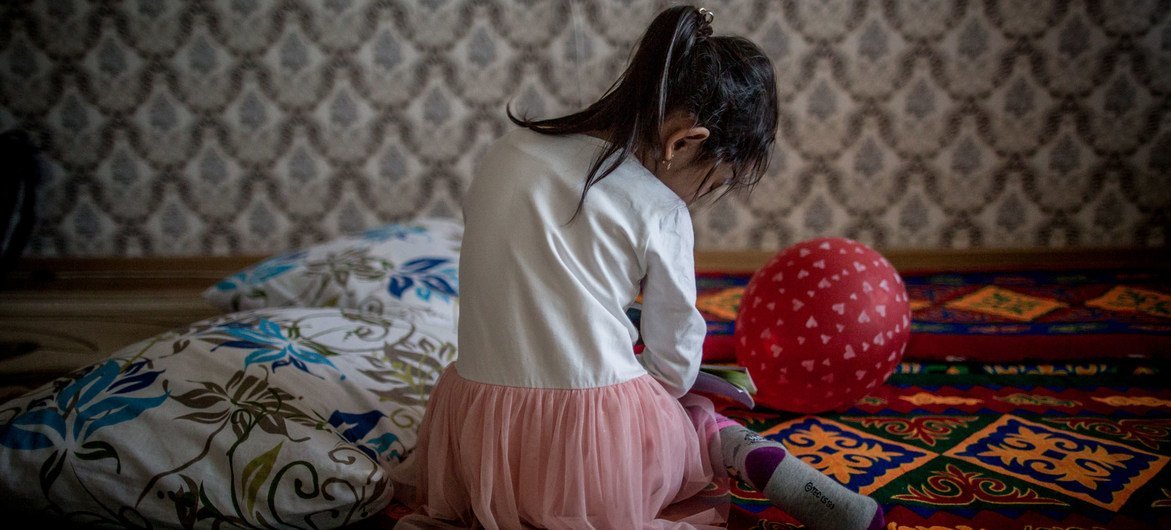
(UN News)* — Each year, half of the world’s children – around one billion youngsters – are affected by physical, sexual or psychological violence because countries fail to follow established strategies to protect them, according to a new UN report issued Thursday [18 June 2020].
Paris – French police use overly broad stop-and-frisk powers to conduct discriminatory and abusive checks on Black and Arab boys and men, Human Rights Watch said in a report released today [18 June 2020].
Curbing these powers is key to addressing biased policing, including racial or ethnic profiling, and repairing police-community relations.
UNITED NATIONS, Jun 16 2020 (IPS)* – The world’s stockpile of nuclear weapons—estimated at over 13,400 at the beginning of 2020 – have a least one thing in common with humans: they are “retired” when they reach old age.
Credit: US government
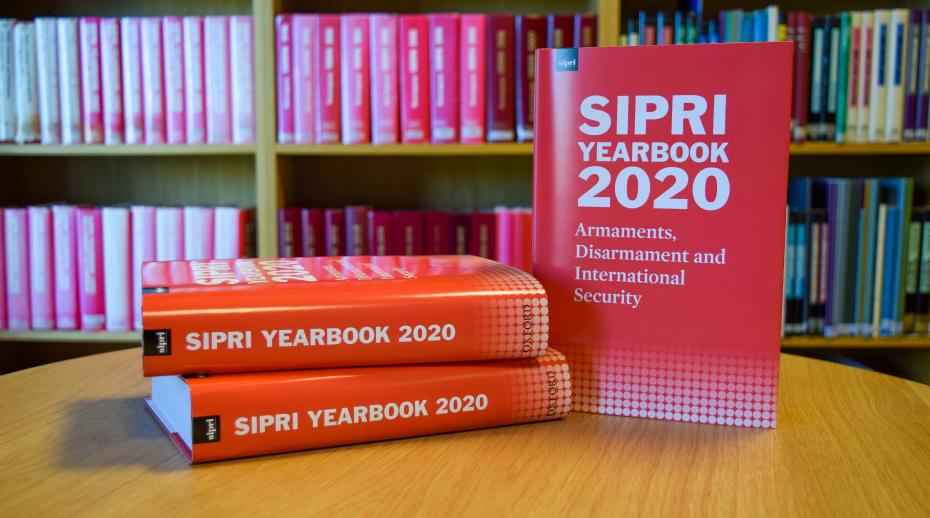
The 2020 Yearbook, released by the Stockholm International Peace Research Institute .(SIPRI), says there was a decrease in the number of nuclear weapons worldwide in 2019.
And this was largely due to the dismantlement of “retired nuclear weapons” by Russia and the US—which together possess over 90 per cent of global nuclear weapons.
Stockholm – The Stockholm International Peace Research Institute (SIPRI) on launched the findings of SIPRI Yearbook 2020, which assesses the current state of armaments, disarmament and international security. A key finding is that despite an overall decrease in the number of nuclear warheads in 2019, all nuclear weapon-possessing states continue to modernize their nuclear arsenals.
18 June 2020 (United Nations)* — The COVID-19 pandemic and the recent anti-racism protests have shown us how desperately we need to fight for a more inclusive and equal world: a world where no one is left behind. It has never been clearer that all of us have a role to play in order to bring about change. Everyone can make a difference. This is at the heart of UNHCR’s World Refugee Day campaign.
This year, we aim to remind the world that everyone, including refugees, can contribute to society and Every Action Counts in the effort to create a more just, inclusive, and equal world.
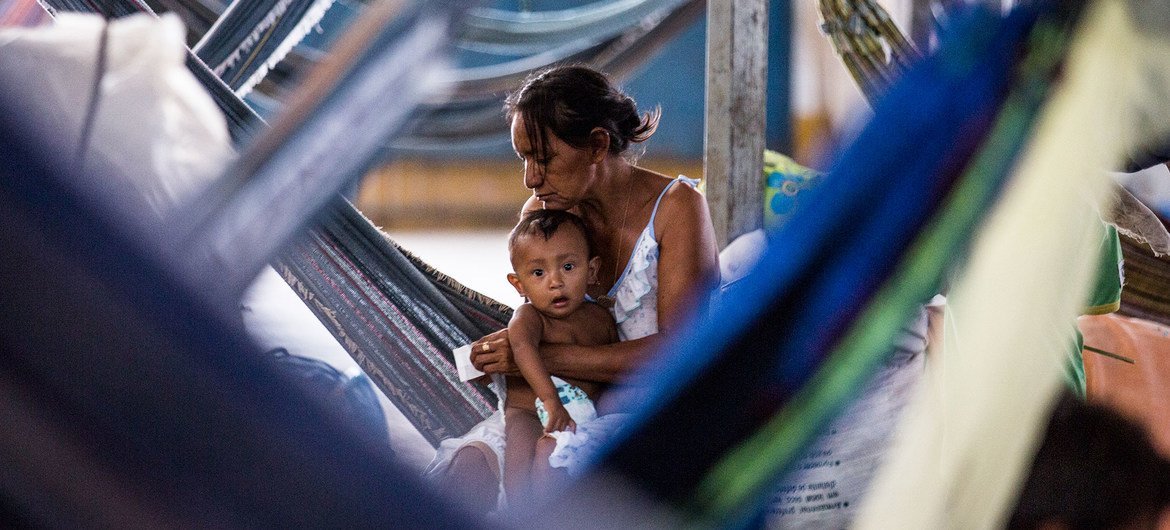
(UN News)* — Global displacement reached a staggering 79.5 million people last year – almost double the number of people in crisis registered a decade ago – owing to war, violence, persecution and other emergencies, the UN refugee agency, UNHCR, said on Thursday [18 June 2020].
Highlighting that this number now represents one in every 97 people on the planet, UNHCR’s latest Global Trends report shows that 8.7 million people were newly displaced in 2019 alone, with developing countries worst hit.
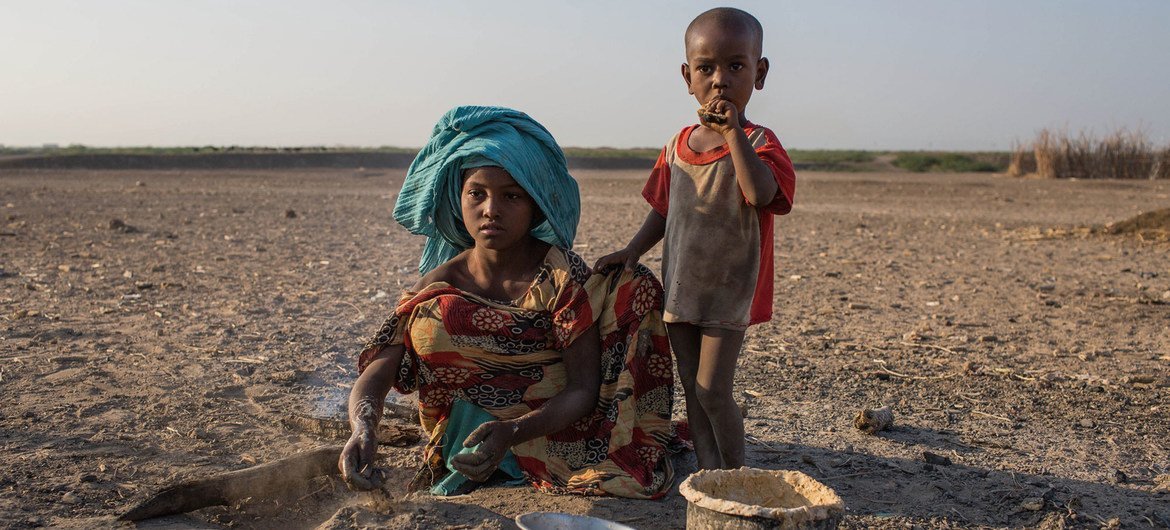
(UN News)* — The UN Secretary-General has called for “a new contract for nature” to address ongoing global challenges connected to land degradation, such as forced migration, hunger and climate change. António Guterres made the appeal on Wednesday [17 June 2020] in a message to mark the World Day to Combat Desertification and Drought.
“Through international action and solidarity, we can scale up land restoration and nature-based solutions for climate action and the benefit of future generations. By doing so, we can deliver on the Sustainable Development Goalsand leave no one behind”, he said.




 HUMAN WRONGS WATCH