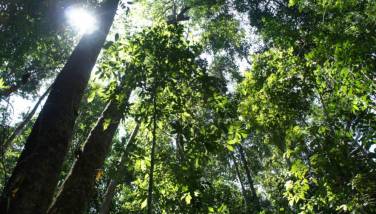
SÃO PAULO (SciDev.Net)* — Tropical forests can develop resistance to a warmer climate, but 71 per cent will come under threat in the next decade if global average temperatures reach two degrees Celsius above pre-industrial levels, a new study warns.
Kabili-Sepilok Forest Reserve, Sabah, Borneo. Copyright: Dr. Lindsay F. Banin
Forest-dependent communities and the global climate will be affected if tropical forests are further degraded, experts say.
1 June 2020 (UN Environment)* — For World Environment Day 2020[5 June 2020],everyone is invited to share why it’s time for nature. Nature is on the verge of a breakdown. One million animal and plant species are likely to disappear – soon. Be a part of the solution and join us in the global call #ForNature.
1 June 2020 (United Nations)* — The foods we eat, the air we breathe, the water we drink and the climate that makes our planet habitable all come from nature. For instance, each year, marine plants produce more than a half of our atmosphere’s oxygen, and a mature tree cleans our air, absorbing 22 kilos of carbon dioxide, releasing oxygen in exchange. Despite all the benefits that our nature give us, we still mistreat it. That is why we need to work on that.
Panda Base, Chengdu, China.The Base is famous for the protection and breeding of endangered wild animals that are unique to China, including giant pandas and red pandas. UNDP/Dylan Lowthian
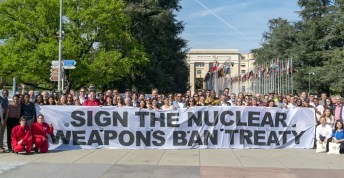
$72.9 billion. That’s how much nine countries spent on nuclear weapons in 2019. In a just-released report, ICAN produced the first estimate in nearly a decade of global nuclear weapon spending, taking into account costs to maintain and build new nuclear weapons.
That amounts to $138,699 spent in the world on nuclear weapons per minute. Global nuclear spending rose $7.1 billion from 2018, in line with total military spending which rose dramatically from 2018 to 2019.
Nuclear weapons production leaves a nasty legacy both for people and the environment. Around the world, nuclear weapons facilities have contaminated land and water with radioactive waste lasting at least 100,000 years. Efforts to clean up the sites have cost billions of dollars over decades – and are still largely unfinished.
The five case studies below provide just a preliminary look into the devastating global environmental consequences of building the bomb.
29 May 2020 (Wall Street International)* — This article describes five world records of mental calculation and memorization to better understand working memory and image schemata from a cognitive perspective set by Paolo Fabiani. The purpose of the records is to demonstrate that the potential and limits of working memory are closely connected with the image schemes1.
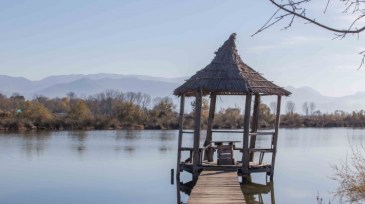
28 May 2020 (UN Environment)* — Even before the outbreak of COVID-19, families and businesses around the Adriatic Sea were faced with a serious threat. One of the countries hardest-hit by coastal erosion in Europe, almost a third of Albania’s 427km coastline is being eroded by violent waves. And the challenge is accelerating at an alarming speed due to climate-induced storm surges and rising sea levels.
Photo by UNEP / Lisa Murray
“One time I was driving my children to school when the sea came in front of me and flooded the car,” explains Pati. “If the coast is not protected, then God save us.”
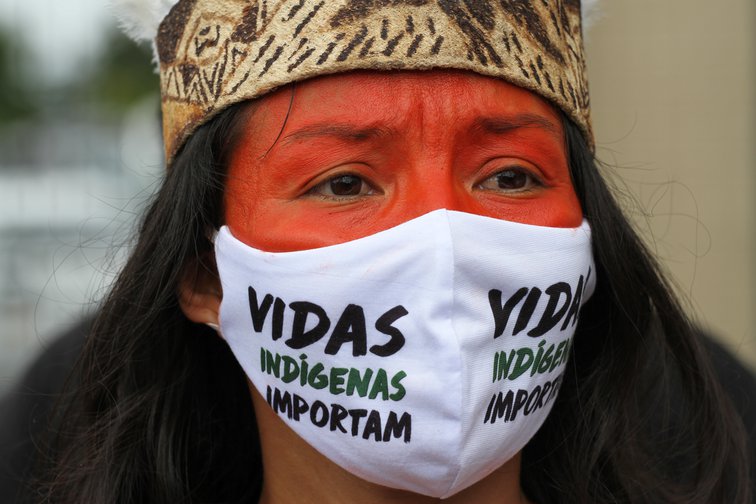
Ensuring the health of humanity and the planet requires a consolidated effort that acknowledges and incorporates the vision of those who have protected nature for so long. | Español
Sadly, the continued disregard for indigenous peoples in many governments’ responses to the novel coronavirus could place those left at the brink of extinction.
For the last three months I’ve watched time passing through my window. In country after country, city after city, we have felt the fear and pain of loss, we’ve honoured the work of health professionals and frontline workers, we’ve joined in solidarity with our neighbours.
Being forced apart has brought us closer together.
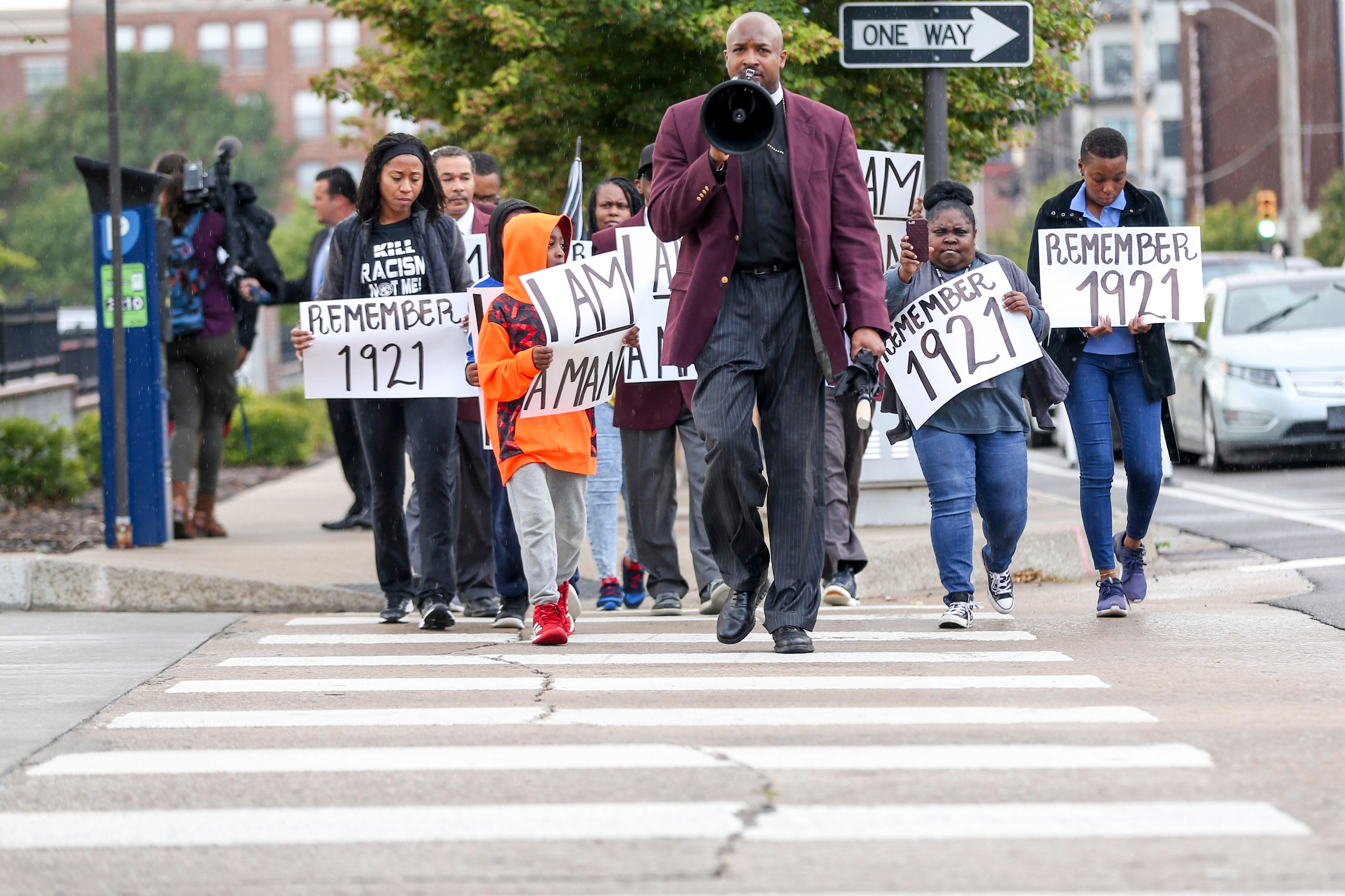
Washington, DC – State and local authorities in Tulsa, Oklahoma should provide reparations for the 1921 Tulsa Race Massacre, when a white mob killed several hundred black people and destroyed a prosperous black neighborhood, Human Rights Watch said in a report released today [29 May 2020].



 HUMAN WRONGS WATCH