
Image: Jonny Goldstein, CC BY 2.0
13 April 2019 (openDemocracy)* — The upsurge of progressive economic proposals over the past few years in the face of austerity, stagnating living standards and rising inequality is inspiring.
read more »
'Unseen' News and Views
13 April 2019 (openDemocracy)* — The upsurge of progressive economic proposals over the past few years in the face of austerity, stagnating living standards and rising inequality is inspiring.
15 April 2019 (UN Environment)* — Africa is urbanizing fast, as its population grows and many flocks to cities in search of jobs, education and healthcare.

Photo fromUN Environment.
Studies show that hundreds of millions more Africans will live in cities over the next three decades.
Many of these new urban Africans, however, are likely to end up in informal settlements. Already an estimated 200 million Africans live in informal settlements—often without access to energy and sanitation.

Rising above some initial difficulties, such as inconsistent supply of materials and strong competition from imports, the young businesswomen is living her dream and remains optimistic about her evolving business. ©FAO/ Scarlin Inanga
15 April 2019 (FAO)* — 25-year-old Alvina Doris Ntsame Akono lives in Oyem, situated in the Woleu-Ntem province of northern Gabon. After dropping out of high school for financial reasons, she learned about the breeding profession from a friend who was already in the field.
14 April 2019 – While developing countries have long struggled with the price of medicines, today’s costs have rendered it a world-wide challenge, and the key topic of concern at a global medicines forum in South Africa, co-sponsored by the World Health Organization (WHO).
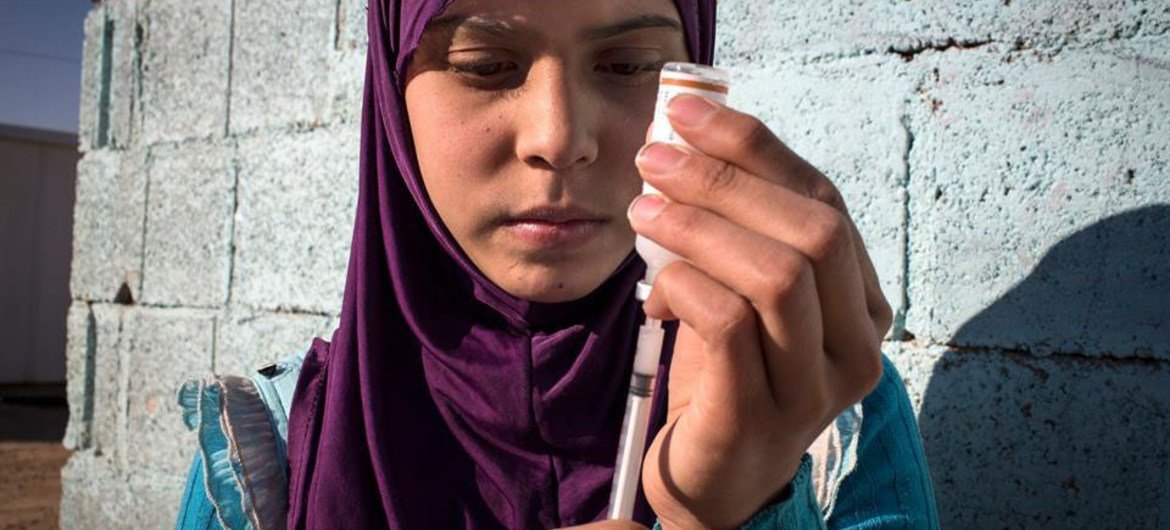
The impact of high levels of debt on development efforts “cannot be overstated”, the head of the United Nations Development Fund (UNDP) told a Ministerial Breakfast Meeting on least development countries (LDCs) on Saturday [13 April 2019].
.
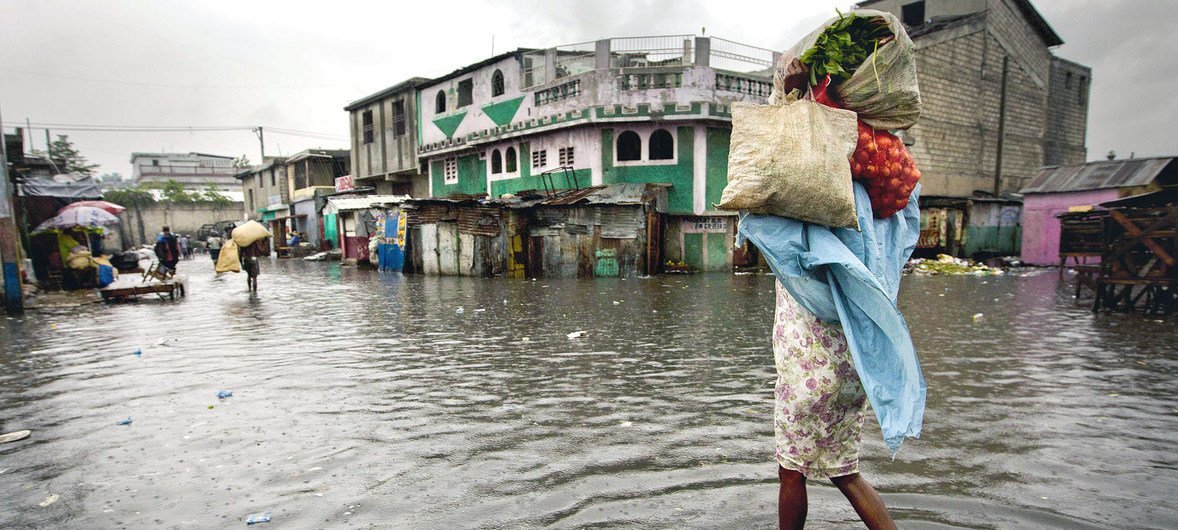
13 April 2019 – One month after Cyclone Idai devastated parts of Mozambique, Malawi and Zimbabwe, the United Nations Children’s Fund (UNICEF) appealed to the international community to help some 1.6 million children still reeling from its impact.*
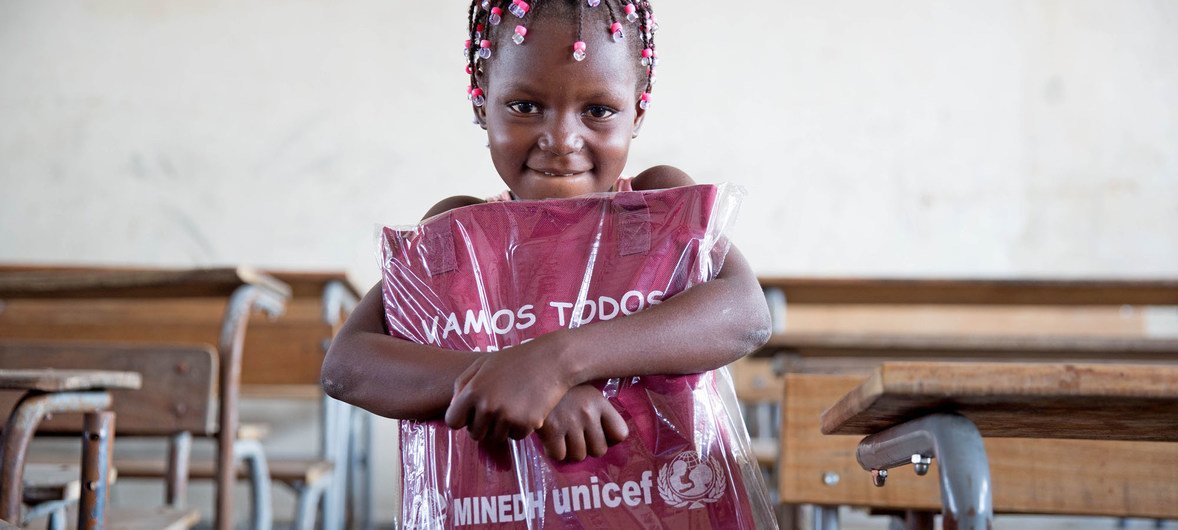
“Children living in crowded shelters or away from their homes are at risk of diseases, exploitation and abuse,” said Henrietta Fore, UNICEF Executive Director, who visited Mozambique’s busy port city of Beira immediately after the cyclone hit.

Islam is often presented as an ‘isolated culture’ with its own distinct features, which are allegedly incompatible with certain values upheld in Western societies.
It is the rise of such a polarizing context that results in growing fear against Muslims, prejudice of other cultures and the ‘us versus them’ paradigm.

12 April 2019 (openDemocracy)* — At any given moment, World Bank policy statements and press releases claim that the organisation has learned from its past mistakes, whether in the environmental, social or anti-corruption areas. But in many cases, the financial legacy of these mistakes is often enormous, and will last for decades.
“Miraculously I had no machete marks” a survivor of the Genocide against the Tutsi in Rwanda told a solemn United Nations event in New York on Friday [12 April 2019], 25 years on, to remember the systematic killing of more than one million people, over less than three months.*
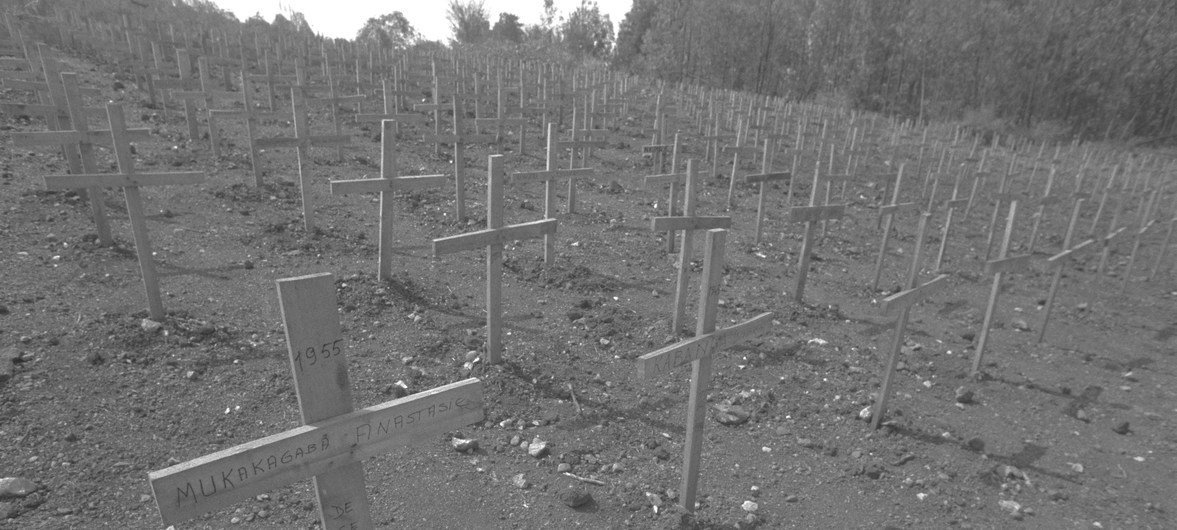
“Most of the survivors we have today were broken in their bodies and their souls”, Esther Mujawayo-Keiner told those gathered in the General Assembly Hall, to reflect on what UN chief António Guterres referred to as “one of the darkest chapters in recent human history”, which overwhelmingly targeted Tutsi, but also moderate Hutu and others who opposed the genocide.

12 April 2019 (Wall Street International)* – According to the Nuremberg Principles, the citizens of a country have a responsibility for the crimes that their governments commit. But to prevent these crimes, the people need to have some knowledge of what is going on. Indeed, democracy cannot function at all without this knowledge.
 HUMAN WRONGS WATCH