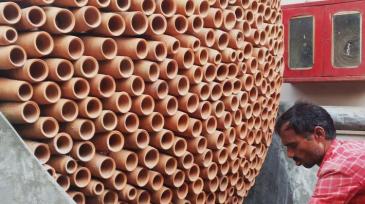
4 February 2019 (UN Environment)* — Monish Siripurapu’s air cooling system may be based on the design of a beehive but the Indian innovator’s inspiration did not come while he was striding through fields of flowers. He was actually in a stifling hot factory in New Delhi, where he was doing some design work.
Photo by Monish Siripurapu/Ant Studio | Photo from UN Environment.
“Citizens of the democratic societies should undertake a course of intellectual self-defense to protect themselves from manipulation and control, and to lay the basis for more meaningful democracy.” — Noam Chomsky, 1989 (Necessary Illusions: Thought Control in Democratic Societies)
Odysseus is tempted by the swirling Sirens in Homer’s The Odyssey.
My copy of Homer’s The Odyssey, a remnant of high school Latin days, has been gathering dust on a shelf for decades now.
But I’ve been thinking more about the book in recent years, especially as my writing has increasingly turned to the psychology of propaganda.
Syria calls on our full attention, for a fresh look. Looking at what? The “reality of Syria”, the “real Syria”, and then seeing what?
Johan Galtung
The Germans make an apparently useful distinction between reality für mich, as I, ich, see it, and, an sich, reality in, by, for itself, reality as such. Objective, not subjective.
A useful distinction; making us ponder, how different are they?
Apparently useful; how do we get to, at this an sich thing?
Old questions; maybe no new answers, but worth pondering.
To the West, Syria spells colonial history–by the West since 1916 more than by the Ottomans since 1516–and post-colonial history. Why?
4 February 2019 — The 2030 Agenda for Sustainable Development – the UN’s blueprint for a better and more sustainable future for all – calls for a reduction in inequality between and within countries. Nevertheless, global inequality is increasing. So what can be done?
.
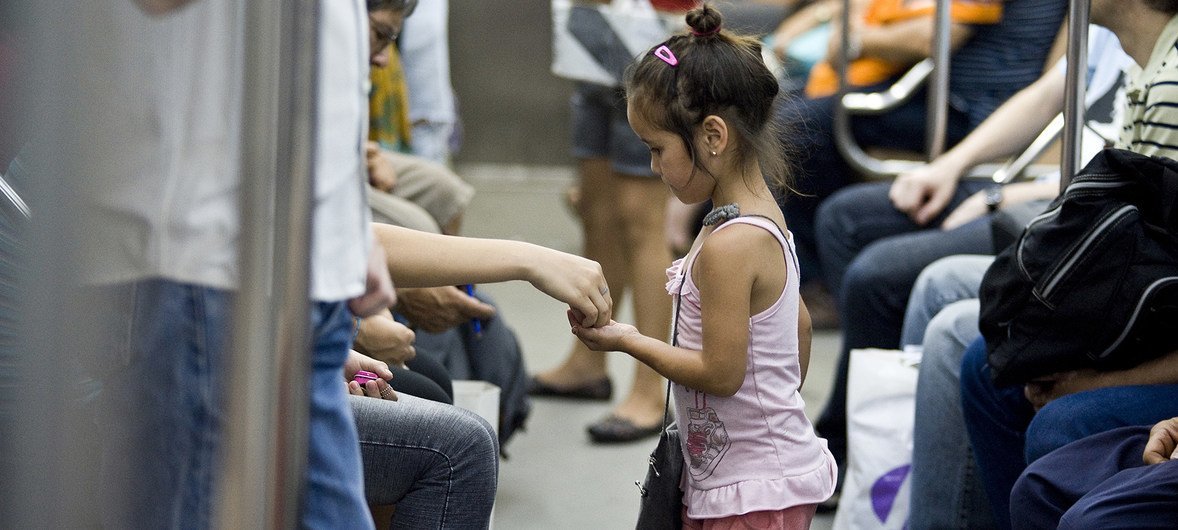
@ UNICEF/Sebastian Rich| Five-year-old Kiara makes a sale in a commuter train car in Buenos Aires, the capital. She has been working in the Subte, the city’s mass transit system, selling hairpins and other cheap goods, since she was three years old.
.
Inequality is an “entrenched imbalance”
The question of inequality was raised several times by the UN in January: speaking at the World Economic Forum Annual Meeting in Davos, UN chief António Guterres pointed out that, while technological progress and globalization have led to “fantastic improvements” in many areas, they have also increased inequality and marginalized millions.
With mercenaries undermining global peace and security and weakening States’ capacities to protect their people, the UN Security Council on Monday [4 February 2019] shone its spotlight on their activities as a source of destabilization in Africa.
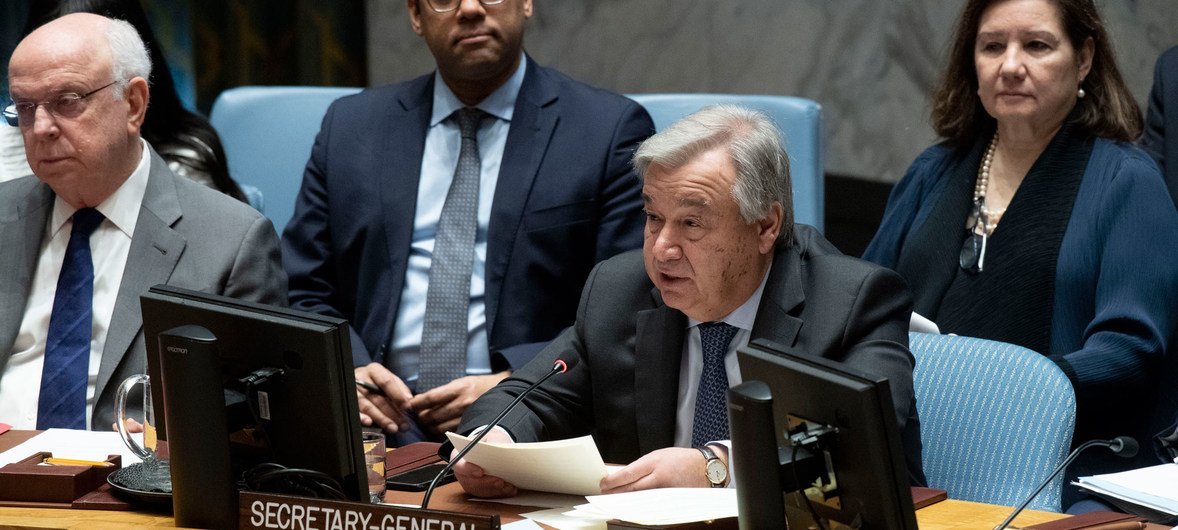
UN Photo/Evan Schneider | Secretary-General António Guterres addresses the Security Council meeting on mercenary activities as a source of insecurity and destabilization in Africa.
“From antiquity to the medieval era to the present-day, those who fight for financial reward or other material compensation have been a near constant on the battlefield”, Secretary-General Antonio Guterres told the Council, noting that the shadowy nature of mercenary activities has evolved over the years.
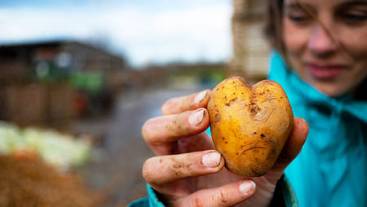
4 February 2019 (FAO)* — The carrots are shaped like crow’s feet. The cucumbers are crooked. The potatoes are heart-shaped or just too small. A cob of corn is missing a few kernels. For most German supermarkets, such oddly-shaped vegetables do not qualify for the shelves. More often than not they end up in the garbage heap.
World Wetlands Day on 2 February is a chance to highlight the vital role of peatlands in mitigating climate change.
Photo by CIFOR/Kevin Hiraoka | Photo fromUN Environment.
1 February 2019 (UN Environment)* — “Strategies that address climate change must include the wise use of wetlands,” says UN Environment peatlands expert Dianna Kopansky.
“We’ve already lost 35 per cent of them since 1970. Individuals, communities and governments must work together to protect these amazing ecosystems, which help us prepare for, cope with and bounce back from the impacts of climate change.”
Peatlands cover only about three per cent of our planet’s land, but account for nearly half the world’s wetlands.
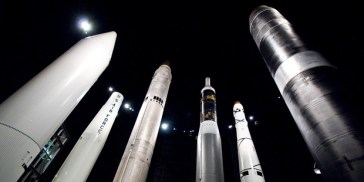
As Trump suspends the 1987 INF Treaty [Intermediate-Range Nuclear Forces Treaty], Putin retaliates. What can be done to prevent a new nuclear arms race from endangering Europe – and the world – again?
3 February 2019 (openDemocray)* — On 1 February the White House announced US “suspension” of the Intermediate-range Nuclear Forces (INF) Treaty, which Presidents Reagan and Gorbachev signed in 1987. A day later Vladimir Putin announced Russia would suspend as well.
.
Freed of the Treaty’s restraints, Russia is now posed to deploy a new generation of medium-range nuclear weapons on its territory again.




 HUMAN WRONGS WATCH