(UN News)* — Some of the world’s poorest countries spend more on debt repayments than health, education and infrastructure combined, severely hampering their chances of developing their economies.
The UN is calling for an overhaul of the entire international financial system, to reduce inequality and improve people’s lives.
“The international financial architecture, crafted in 1945 after the Second World War, is undergoing a stress test of historic proportions – and it is failing that test”, argues UN Secretary-General António Guterres in a 2023 policy brief.
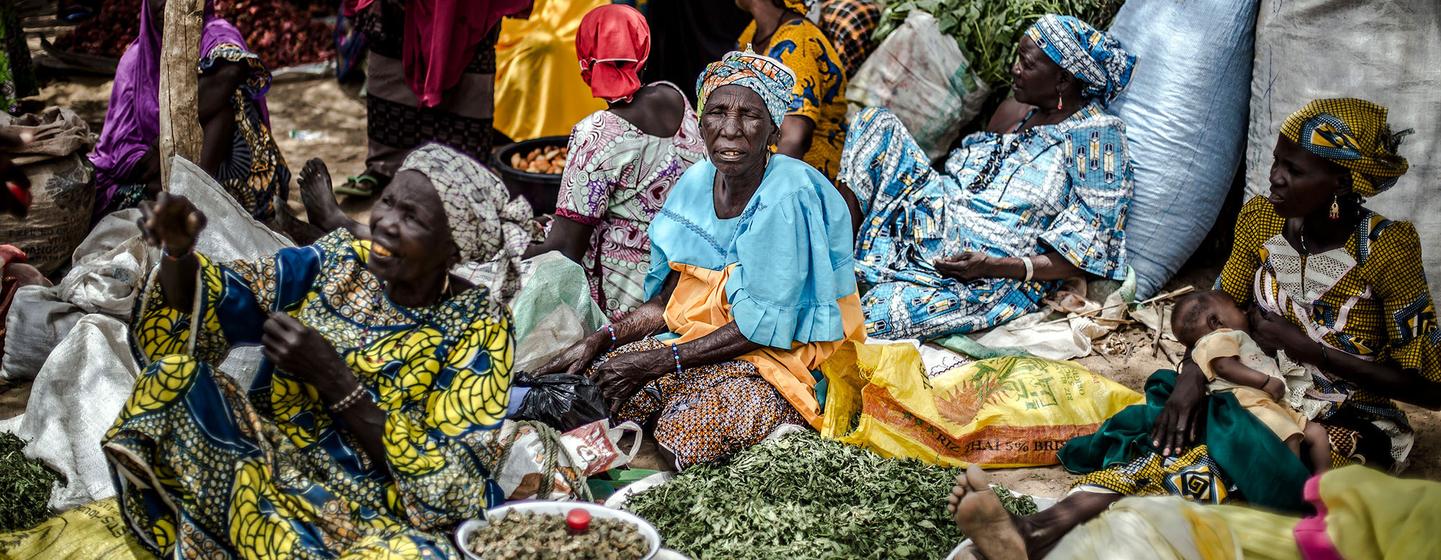
NEW YORK, 16 September 2024 (UNICEF)* – UNICEF has launched an appeal for US$58.8 million to address the rising mpox crisis across six African countries where children are most affected.
UNICEF/UNI633481/Mazinge
Though child deaths are currently confined to the Democratic Republic of the Congo (DRC), the data underscores their vulnerability, as UNICEF works to scale up prevention and response efforts across the region.
(UNEP)* — Air pollution costs the global economy a staggering US$8.1 trillion every year, or 6.1 per cent of the world’s gross domestic product.
Credit: UNEP
Air pollution comes from myriad sources and disproportionately affects the marginalized, including women, children and the elderly. Its impact crosses borders, harming public health, the economy and the environment.
13 September 2024 (WMO)* — The extended streak of extraordinarily high temperatures has continued, and the year so far has been the warmest on record for the globe, according to three leading international datasets.
(UN News)* — Social protection is essential to safeguard people from shocks, but half the world is without any coverage, including over 90 per cent of people living in climate-vulnerable countries, according to a new report released on Thursday [] by the International Labour Organization (ILO).
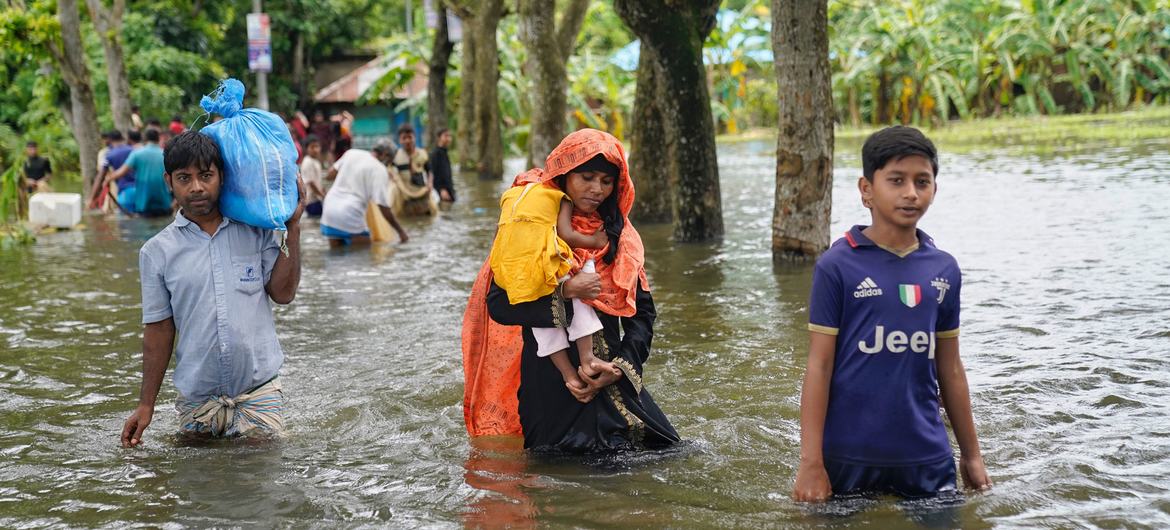
FAR NORTH REGION, Cameroon, 11 September 2024(UNFPA)* -–As Djamila* clutched her pregnant belly, the floodwaters rose around her, threatening to engulf the fragile canoe she had escaped in.
A pregnant woman is stranded by her house amid recent flooding in Cameroon’s Far North region. Credit: UNFPA Cameroon / Samuel Sawalda
“The water was everywhere,” she told UNFPA, the United Nations sexual and reproductive health agency. “I was so scared – not just for myself, but for my babies. Every minute felt like an eternity.”
At 18, this was her first pregnancy – and she was expecting twins.
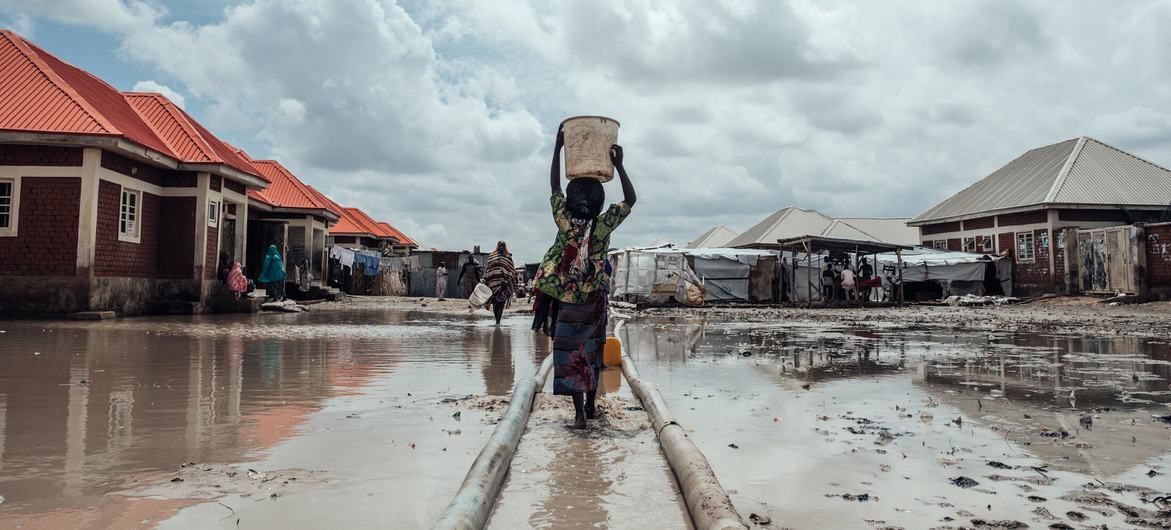
(UN News)* — UN humanitarians are rushing to assist scores of newly displaced people in northeast Nigeria, after torrential rains caused a dam to collapse and flood the area, the UN World Food Programme (WFP) said on Friday [].
Alau Dam, located just over 10 miles to the south of Maiduguri, the capital of Borno State, collapsed in the middle of the night on Tuesday, forcing hundreds of thousands from their homes.
UNITED NATIONS, Sep 13 2024 (IPS)* – As the devastating 11-month-old conflict in Gaza keeps escalating, with over 41,000 mostly civilian killings, and more than 92,000 Palestinians injured –in retaliation for the 1,200 killings inside Israel last October– the Israelis continue to defy the United States which maintains its uninterrupted flow of heavy weapons to Tel Aviv.
.
Much of the Gaza Strip has been destroyed in the conflict. Credit: UNRWA
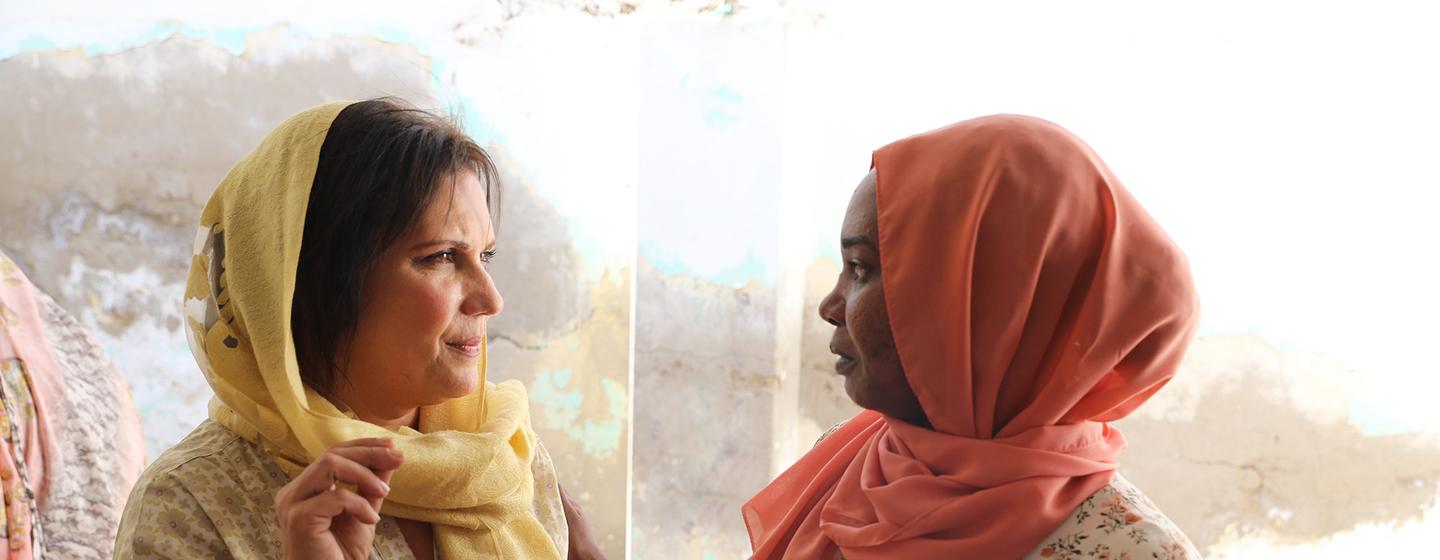
(UN News)* — An atmosphere of desperation, extreme fear and trauma envelops the women of Sudan in a conflict that has left half of its 50-million-person population in dire need of assistance, according to Laila Baker, a senior regional director from the UN sexual and reproductive health agency, UNFPA.
.
UNFPA | Laila Baker, UNFPA Regional Director for Arab States, talks to a Sudanese displaced woman in Port Sudan.
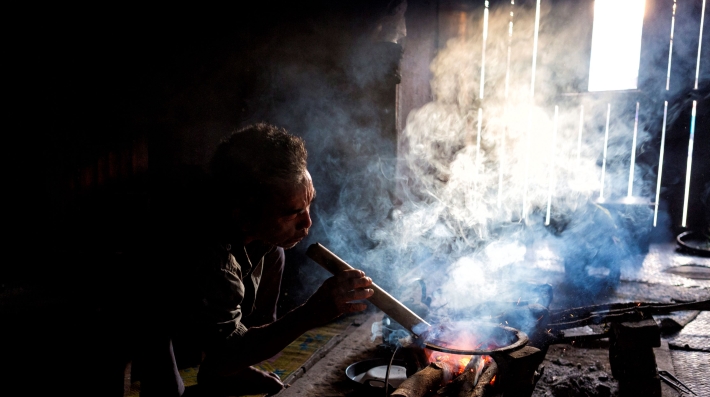
5 September 2024 (UNEP)* —For billions of people across the developing world, particularly children and women, mealtime starts by firing up a kerosene stove, lighting a charcoal grill or setting some logs ablaze.
Credit: Robert Harding via AFP/Lee Frost
The problem: much of this cooking happens inside and the smoke it produces is laced with toxic particles. This type of household air pollution led to 3.1 million premature deaths in 2021 and is part of a larger crisis driving climate change and biodiversity loss.




 HUMAN WRONGS WATCH