KAMPALA, BULIISA, and HOIMA , Apr 18 2024 (IPS)* —When Mugisha Jealousy Mulimba learned that the government of Uganda was dragging him to court, he expected justice. But he says he has realized these courts are being used to deprive him of his rights to a fair hearing and the right to fair and adequate compensation for his land and property.
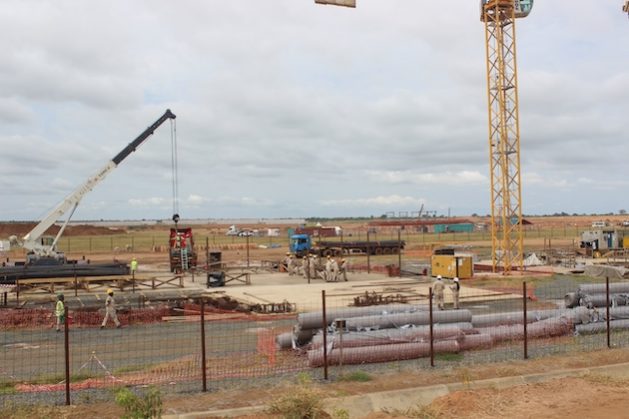
Works at the Tilenga Development Project operated by TotalEnergies. Some landowners object to what they consider forced evictions with inadequate compensation. Credit: Wambi Michael/IPS
Joint Statement by the Special Representative of the Secretary-General on Sexual Violence in Conflict, Pramila Patten, and Assistant Secretary-General for Humanitarian Affairs and Deputy Emergency Relief Coordinator, Joyce Msuya:
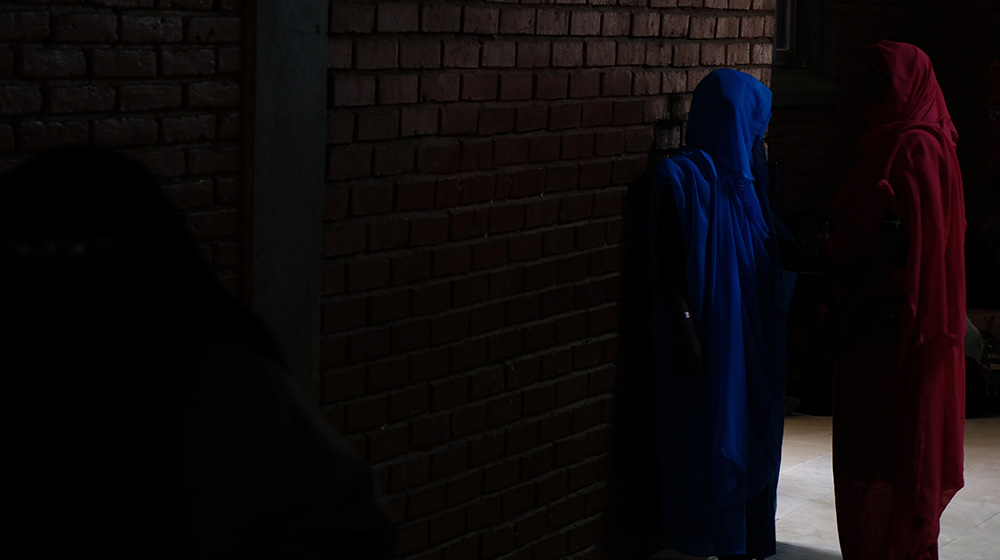
Sexual violence continues to affect women, especially in Khartoum, Darfur and Kordofan, with reports of rapes, forced marriages, sexual slavery, and trafficking of women and girls. Photo: OCHA/Ala Kheir.
(UNOCHA)* 25 April 2024 —After one year of hostilities in Sudan, we are appealing for more international engagement to combat sexual violence against women and girls in the country. These barbaric acts, which echo the horrors witnessed in Darfur two decades ago, must spur immediate action.
(Nairobi) – The Burkina Faso military summarily executed at least 223 civilians, including at least 56 children, in two villages on February 25, 2024, Human Rights Watch said today [25 April 2024].
These mass killings, among the worst army abuse in Burkina Faso since 2015, appear to be part of a widespread military campaign against civilians accused of collaborating with Islamist armed groups, and may amount to crimes against humanity.
Rome, 24 April 2024 (FAO)* – According to the latest Global Report on Food Crises (GRFC), nearly 282 million people in 59 countries and territories experienced high levels of acute hunger in 2023 – a worldwide increase of 24 million from the previous year.
This rise was due to the report’s increased coverage of food crisis contexts as well as a sharp deterioration in food security, especially in the Gaza Strip and the Sudan.
Sudan, 12 April 2024 (UNFPA)* – “I can’t forget that moment. I can’t forget his smell. I can’t forget their faces. This moment will haunt me until I die.”
Fawzya*, 26, was travelling towards the border with Chad to escape the violence that had engulfed her hometown in Sudan, when fighting broke out just in front of her.
(UN News)* — The year-long ongoing war in Sudan is “a crisis of epic proportions”, and the world must rethink the way it supports the Sudanese people amid rampant atrocities against civilians and no end in sight, top UN and African Union officials warned the Security Council on Friday [].
The Sudanese people have endured “unbearable suffering” since the conflict started just over a year ago when an outbreak of fighting between the Sudanese Armed Forces (SAF) and the Rapid Support Forces (RSF) “brutally interrupted the political transition”, Rosemary DiCarlo, UN Under-Secretary-General for Political and Peacebuilding Affairs, said.
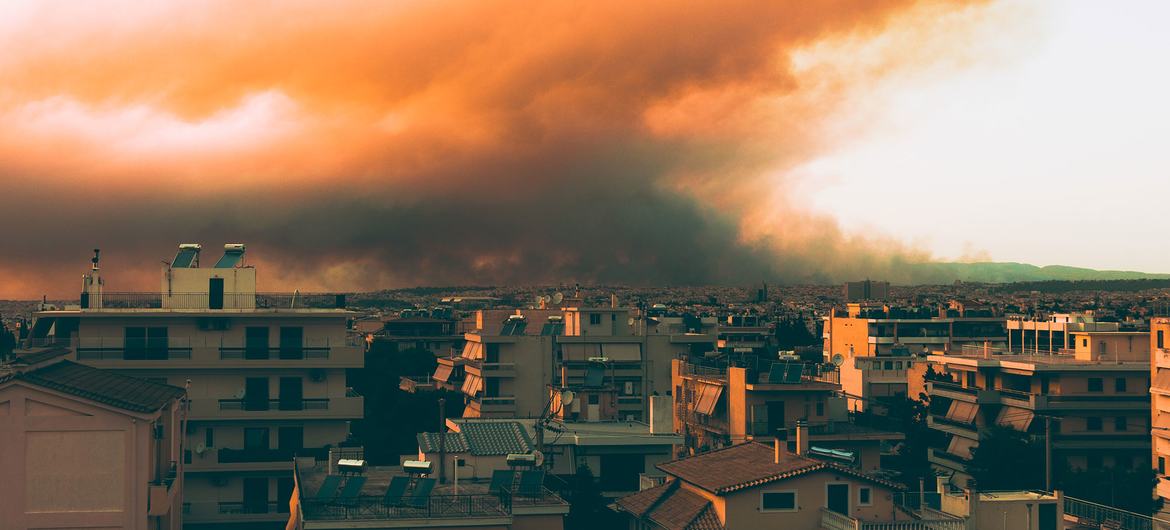
(UN News)* — Climate change shocks caused record levels of disruption and misery for millions in Europe in 2023 with widespread flooding and severe heatwaves – a new normal which countries must adapt to as a priority, the UN weather agency said on Monday [].
New data published jointly by the World Meteorological Organization (WMO) and the Copernicus Climate Change Service confirmed fears that that 2023 was the joint warmest or second warmest year on record in Europe, depending on the dataset selected.
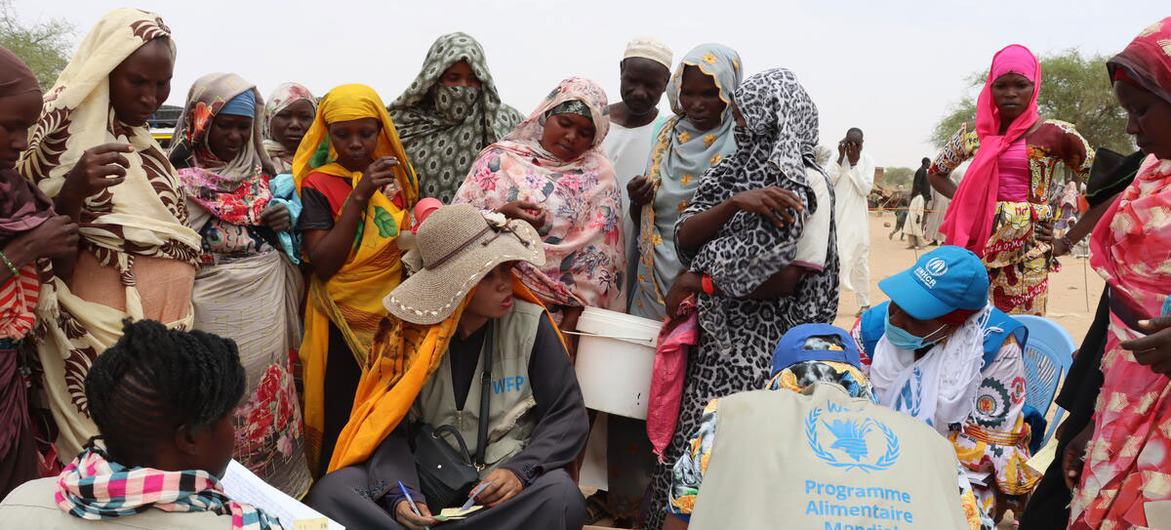
(UN NEWS)* — Over 8.5 million Sudanese have been forced to flee their homes in Sudan since the war between rival militaries erupted last April, the UN refugee agency, UNHCR, said on Tuesday [].
At least 1.8 million among them fled across the border into neighbouring, South Sudan, Chad, Central African Republic, Egypt and Ethiopia; as well as Uganda.
Thousands more are arriving by the day, agency spokesperson Olga Sarrado told journalists at the regular news briefing in Geneva.
ACCRA, Ghana, Apr 3 2024 (IPS)* – Developing countries are being blamed for having borrowed and spent irresponsibly. But they have only been doing what foreign powers and financial interests have urged them to do.
Ndongo Samba Sylla
Since the 2008 global financial crisis, developing nations have been told to borrow massively from private finance, even at exorbitant interest rates, to scale funding up ‘from billions to trillions’.
With progress towards sustainable development often in reverse, servicing external debt now blocks progress. Many governments have cut back spending in line with conditions or advice from powerful foreign economic agencies.
Current account tales Many still believe all national economies should have trade or current account surpluses with others – typically citing Germany’s and Japan’s post-war booms. But of course, not all countries can have surpluses simultaneously.
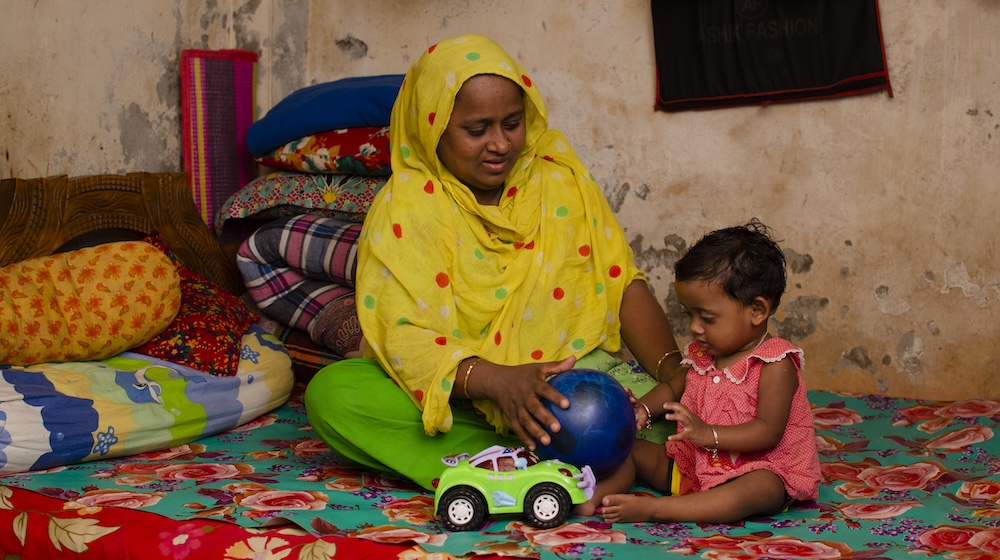
UNITED NATIONS, New York, 5 April 2024(UNFPA)* -–Everyone has the right to health; and for women and girls, one aspect of this fundamental promise is the right to safe motherhood.
Yet every two minutes, a woman or girl still dies due to pregnancy or childbirth, with the vast majority of these tragedies preventable.



 HUMAN WRONGS WATCH