When the United Nations Environment Assembly convenes in December, a key topic up for discussion will be the mounting environmental impact of artificial intelligence. Ahead of those talks, here’s a look back a story first published on 21 September 2024.
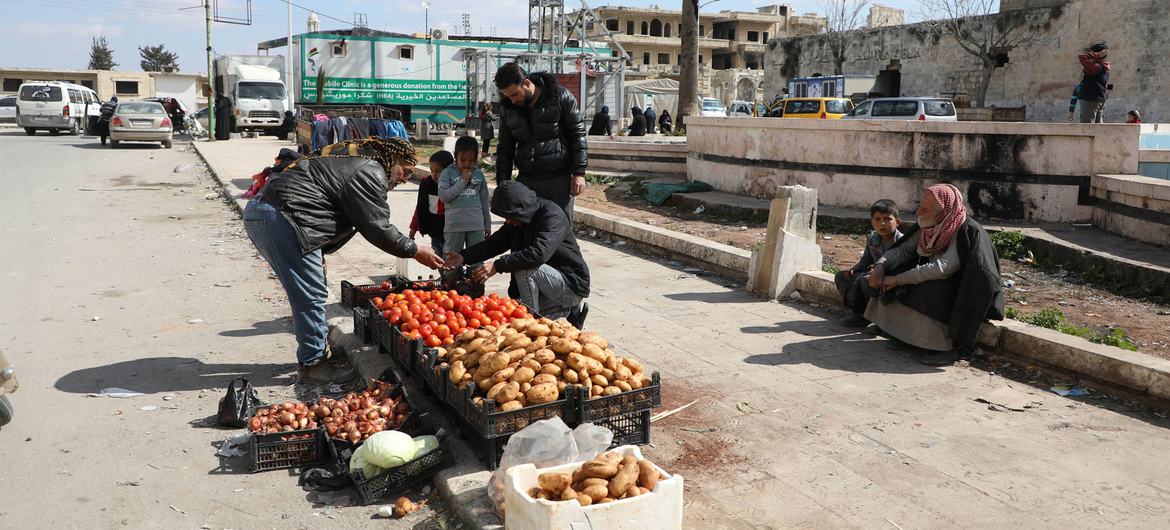
(UN News)* — Nearly a year on from the fall of Assad, Syrians still lack many basic necessities as the transitional government works to shore up the economy and build social cohesion.
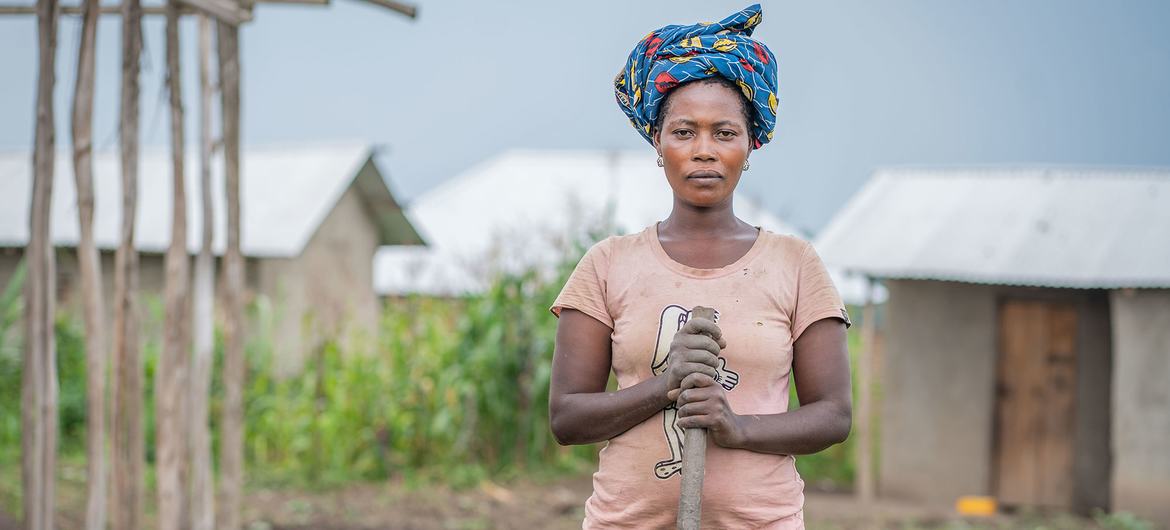
(UN News)* —When Salma* was just 15, she was forced to get married, even though she wanted to stay in school and become a doctor someday.
Agência Brasil/Joédson Alves | The National Council of Justice (CNJ) of Brazil signed a cooperation agreement with the iFood delivery platform to combat violence against women.
.
Instead, she found herself tied to a man who “changed from being kind to being a monster.” He would beat her “with his bare hands,” she said recently.
(UN News)* —Ending hunger by 2030 would cost just $93 billion a year — less than one per cent of the $21.9 trillion spent on military budgets over the past decade, according to the UN World Food Programme (WFP).
By 2026 a staggering 318 million people would face crisis levels of hunger or worse, more than double the figure recorded in 2019, the food agency reported in its 2026 Global Outlook.
17 November 2025 — Methane might only stay in the atmosphere for a short time, but its impact is powerful—and cutting it is one of the quickest ways to slow global warming.
Credit: UNEP
The United Nations Environment Programme’s An Eye on Methane: From measurement to momentumreport shows how credible, real-world data is reshaping what governments and companies can do right now.
Meanwhile, the EU rolls back and weakens its sustainability and green rules
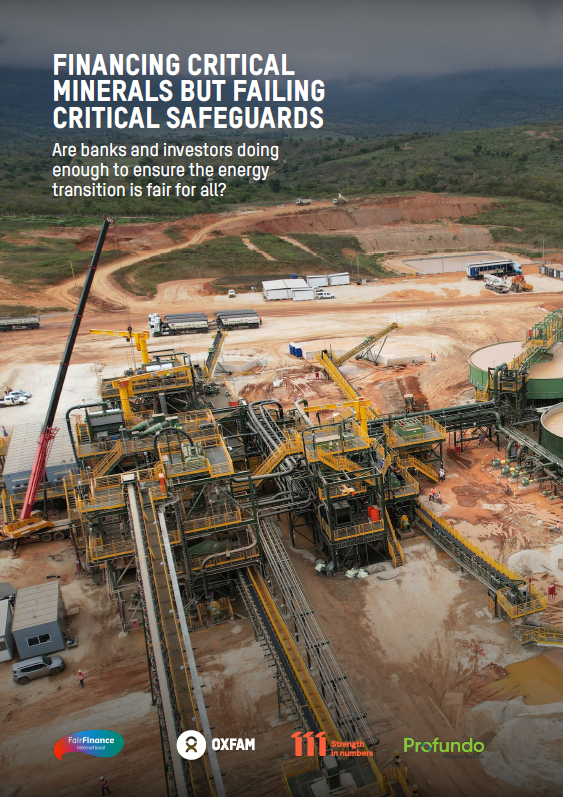
17 November 2025 — New Oxfam, Fair Finance International and 11.11.11. report exposes how Europe’s banks and investors are blindly investing in mining companies linked to land grabs, pollution and human rights violations.
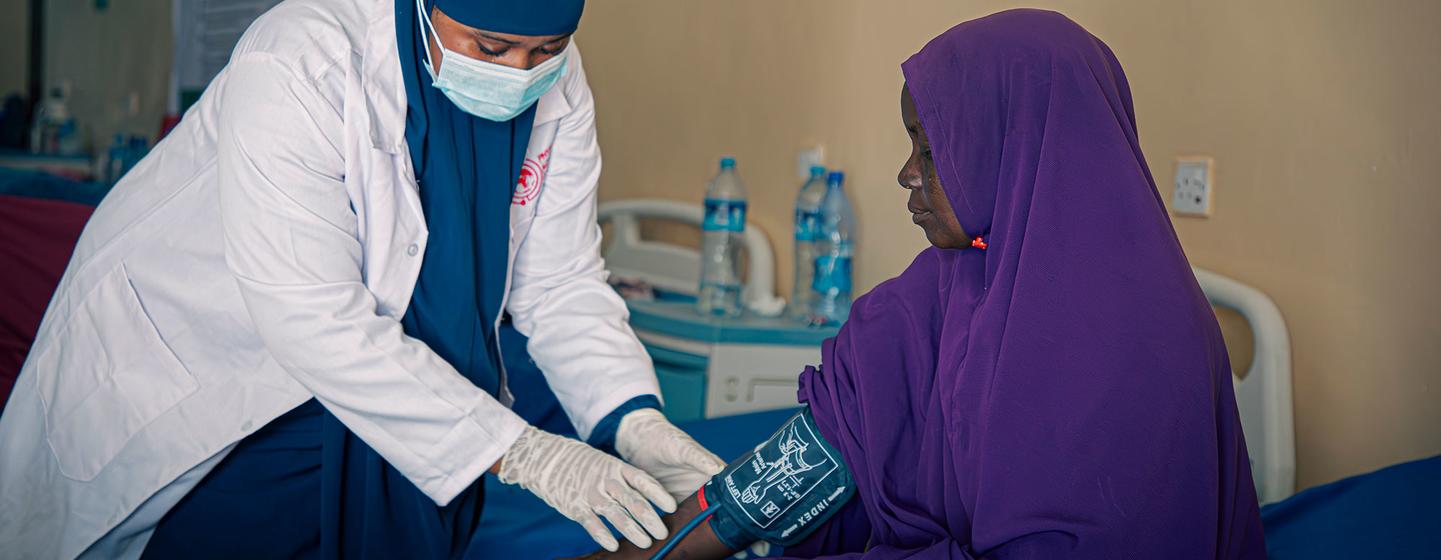
For women like 38-year-old Farhiya from rural Beletweyne, the consequences can be devastating — a painful obstetric fistula, a hole in the birth canal that left her incontinent, isolated, and cut off from her community.
“I was stressed, constantly worried, and isolated from my community. I was living in my house as if I had some sort of contagious disease,” she said.
In Somalia, 6 out of 10 births occur without a doctor present, which often leads to childbirth complications like obstetric fistula.
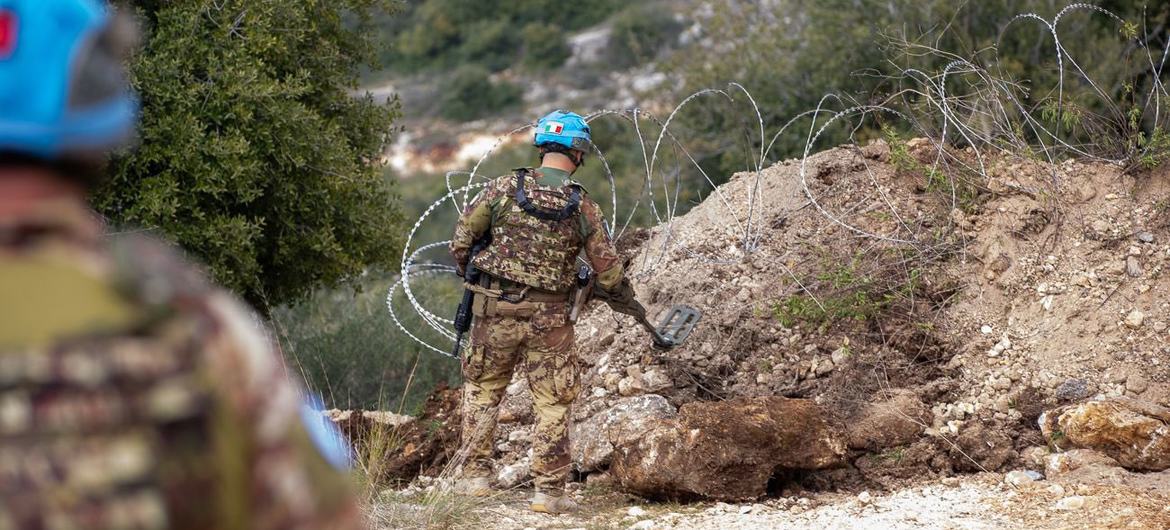
(UN News)* — On Sunday [], a foot patrol of the United Nations Interim Force in Lebanon (UNIFIL) was targeted by an Israeli army Merkava tank from an Israeli position in Lebanese territory.
.
According to the UN peacekeeping mission, bursts of heavy artillery hit an area just five meters away from the UNIFIL blue helmets, who had to quickly retreat and take shelter in the terrain.
Mission representatives were able to contact the IDF (Israeli Defence Force) via their communications channels and ask them to stop firing, UNIFIL explained in a press release. The patrol was able to leave safely half an hour later, when the tank withdrew to IDF positions.
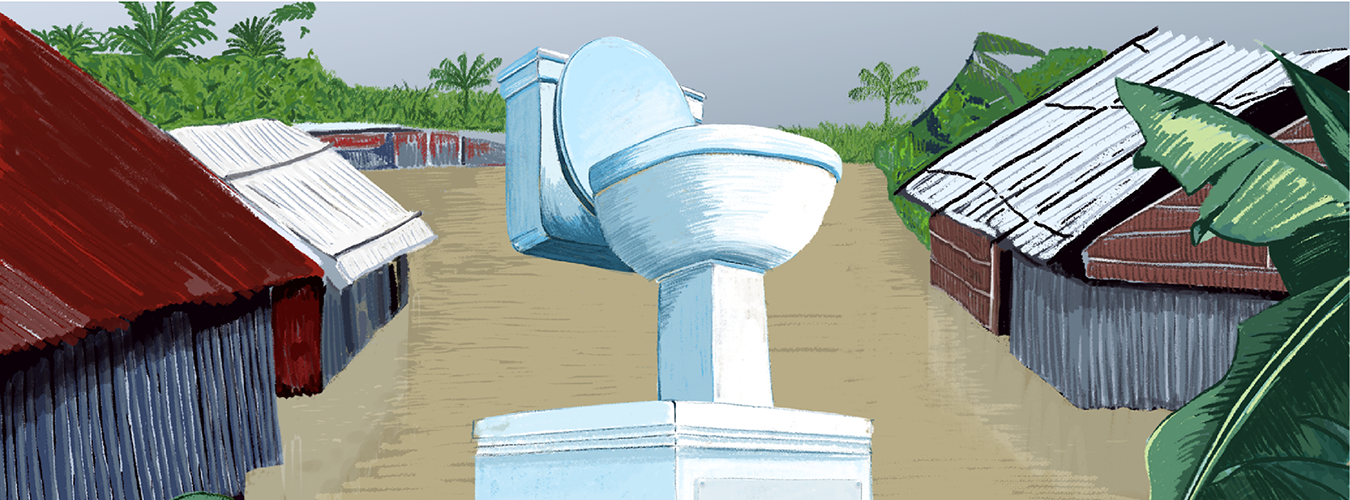
In a changing world, one thing is constant: we’ll always need the toilet.
UN-Water
No matter what lies ahead, we will always rely on sanitation to protect us from diseases and keep our environment clean.
Today, billions of people still live without a safe toilet — with the poorest, especially women and girls, worst affected.
As time goes by, the pressure on sanitation is only increasing. Across the world, ageing infrastructure is failing. Investment hasn’t kept pace with demand.
And climate change is reshaping our world – with glaciers melting, weather worsening, and sea levels rising.




 HUMAN WRONGS WATCH